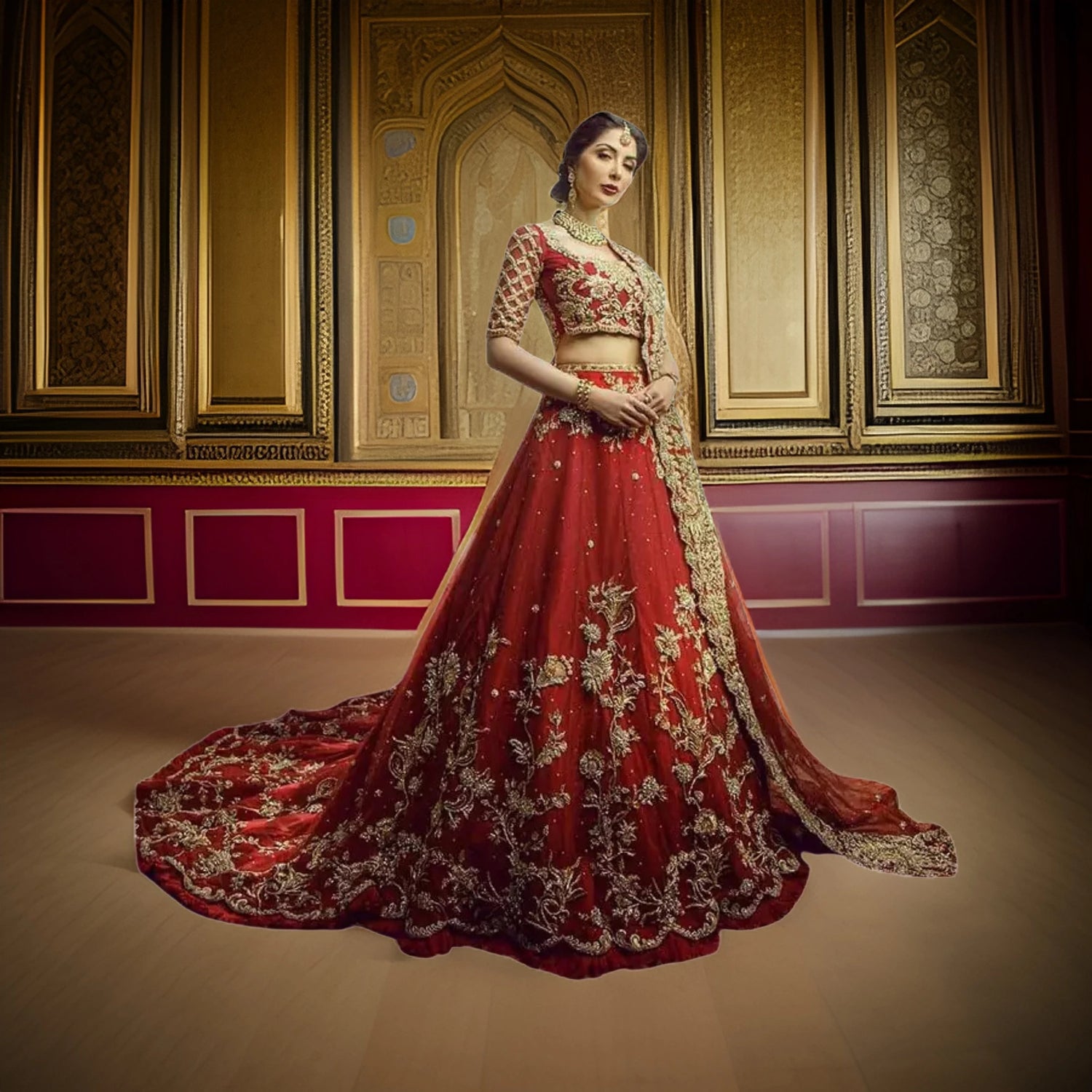
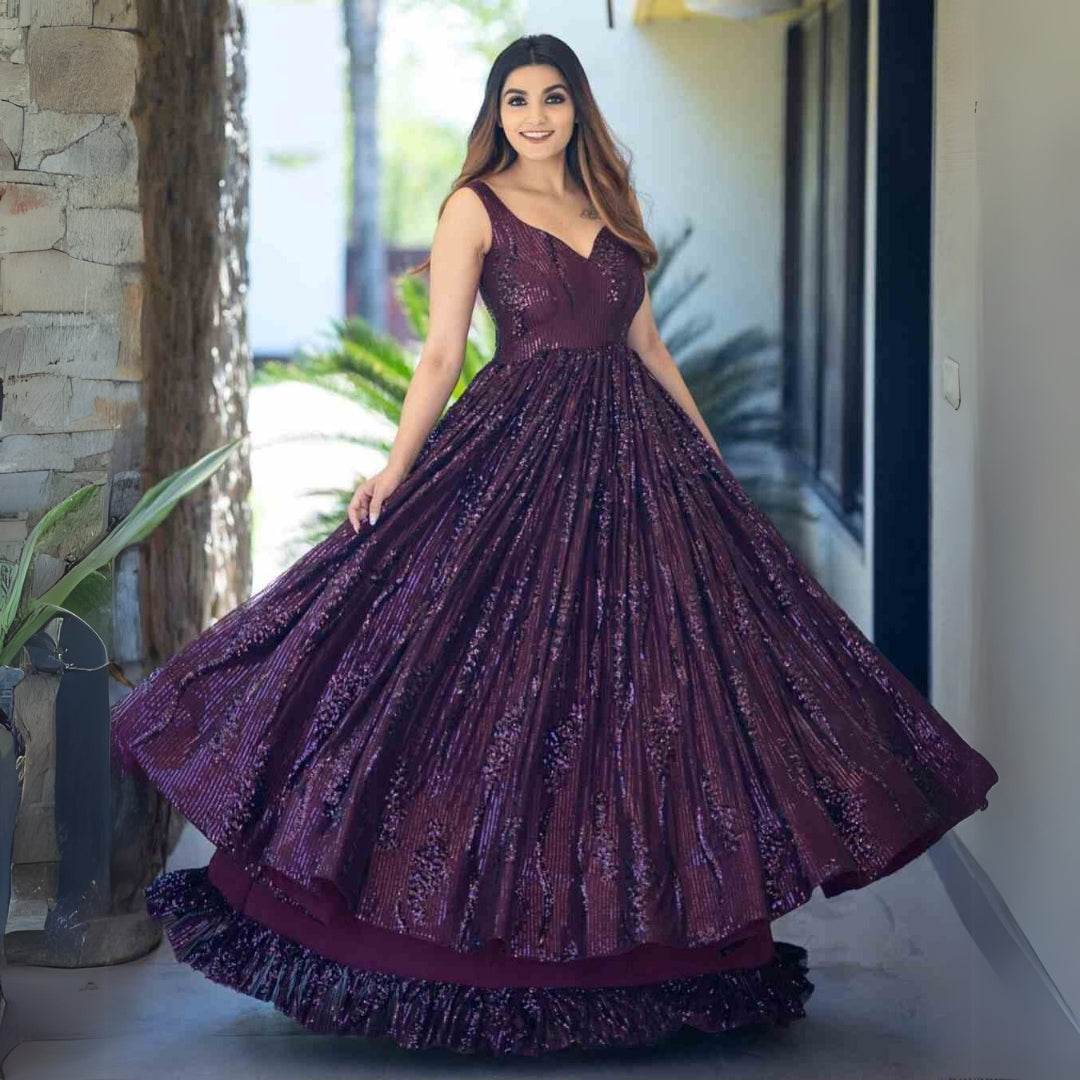
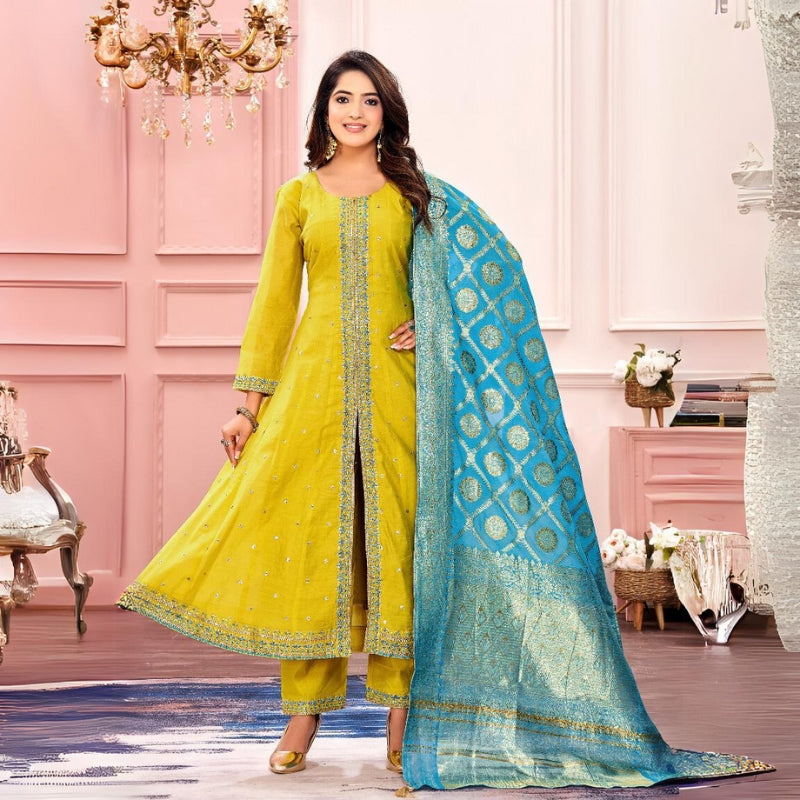
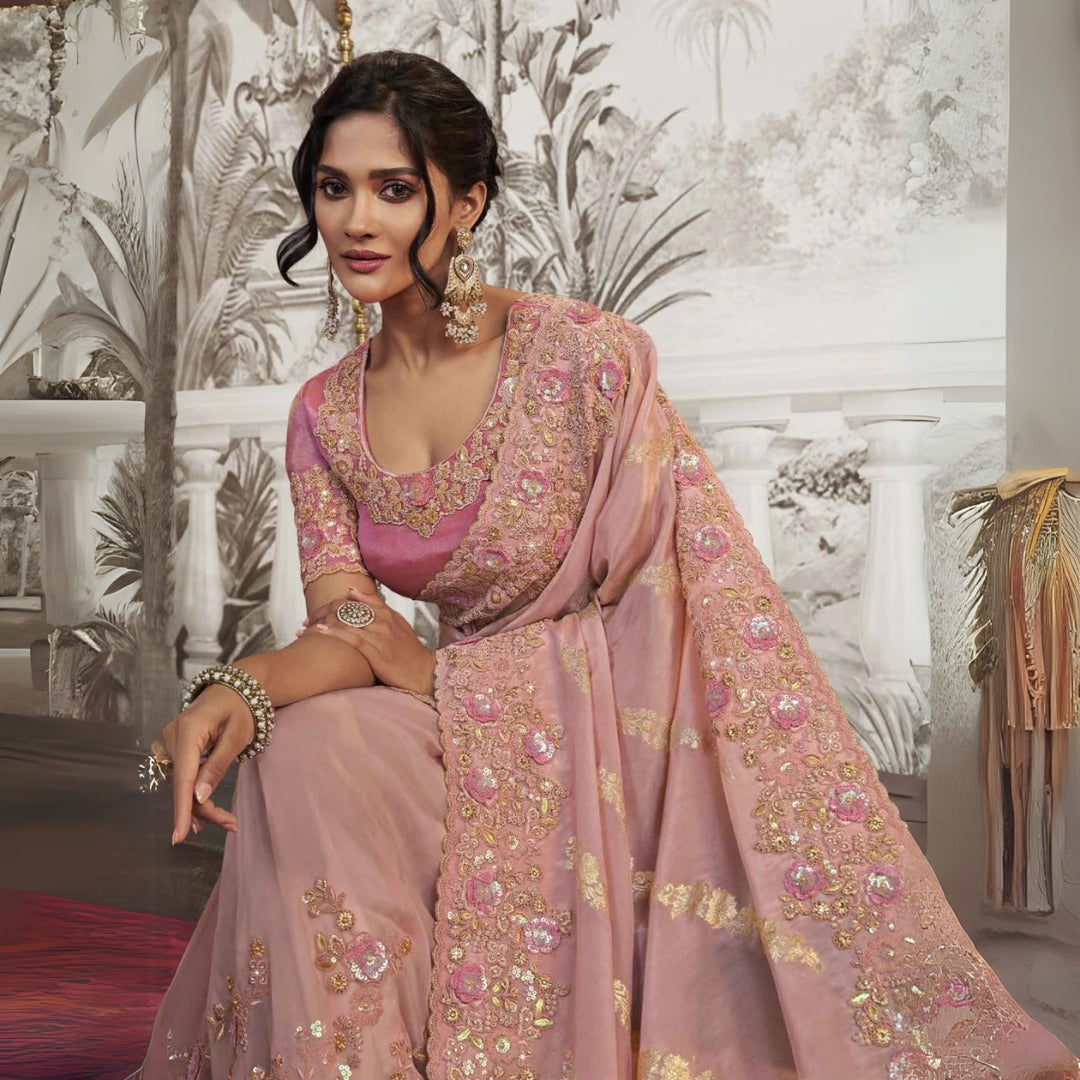
The first winter wedding of the season arrives, the courtyard glows with fairy lights, and you’re excited to slip into your favourite silk saree. But a chill in the air and the thought of freezing through vedi and photography dampen the moment. What if you could feel cozy, confident, and flawlessly draped without sacrificing elegance? Enter a simple, transformative secret: wearing thermals under your saree. This is not just a functional fix — it’s a luxury layering hack that keeps you warm, shapes your silhouette, and lets you shine throughout every gala, puja, and evening out.
Why Thermals Under a Saree Work: The Smart Luxury of Layering
Wearing thermals under a saree is a smart blending of tradition and technical comfort. Thermals act as an insulating base layer that traps body heat, reduces cold drafts, and smooths the lines of your silhouette — all without being visible. For many women, the idea feels revolutionary: staying warm without compromising on the fluid, sensual drape that makes the saree timeless.
Quick answer: Do thermals under sarees look bulky?
No. With the right fit, fabric, and layering technique, thermals remain discreet and slim, enhancing the saree's fall and keeping bulk to a minimum.
Choosing the Right Thermal for Your Saree
Fabric and fibre: Find the balance between warmth and breathability
Thermals come in different materials — cotton blends, merino wool, and synthetic microfibres. For sarees, opt for lightweight merino or high-quality microfibre that offers warmth without added thickness. Cotton thermals are breathable but less insulating; merino wool provides superior warmth and natural odour resistance, making it perfect for long functions.
Fit and cut: Slim, seamless, and snug
Choose thermals labeled "slim fit" or "second-skin." A close, compressive fit minimizes creases and prevents visible lines beneath fine saree fabrics like chiffon or georgette. Long-top thermals that extend over the hip create a smooth base, avoiding bunching at the waist when you tuck the saree pallu.
Thickness and warmth rating: Layer to your local climate
Thermals are often graded by weight — lightweight for cool evenings, midweight for colder weather. Lightweight thermals are ideal when you want subtle warmth without affecting the saree's fluidity. For harsh winters, a midweight thermal under a heavy saree fabric like silk braid or brocade offers better insulation while still looking elegant.
Length and coverage: Full-length vs. thermal tops
Decide between full thermal leggings and thermal tops combined with a separate base petticoat. Full sets provide maximum warmth and are excellent for outdoor events. Thermal tops extend the insulating layer and prevent gaps between the blouse and the waistline.
How to Layer Thermals Under Different Saree Fabrics
Silk and Banarasi sarees
Silk needs a smooth base to maintain its regal flow. Use a lightweight merino or microfibre thermal in a neutral tone. A seamless longline thermal offers subtle shaping and prevents the silk from clinging to static-prone thermals.
Chiffon, georgette, and net sarees
Sheer sarees demand thermals that hide discreetly. Match a nude or skin-toned seamless thermal to avoid outlines. Thin, body-hugging thermals are essential for these fabrics to maintain the intended delicate fall and transparency.
Velvet and brocade sarees
Heavier sarees benefit from midweight thermals that add warmth without distorting the drape. A slightly textured thermal interior can help the saree sit better, reducing slippage on plush fabrics.
Cotton and linen sarees
These breathable fabrics work well with lightweight cotton-blend thermals for mild cold. Choose a close-fitting thermal layer to maintain the saree’s crisp fall and natural look.
Styling Hacks and Practical Tips
Use thermals as a modern petticoat
- Replace bulky petticoats with full-length thermal leggings, and tuck the saree directly over them for a sleeker silhouette.
- For a traditional look, layer a thin petticoat over the thermal to add volume while retaining warmth.
Color matching to avoid visible lines
Match thermals to your skin tone or the dominant tone of the saree’s blouse. Nude, black, and deep brown are versatile choices. Avoid whites under light-coloured sarees to prevent contrast and transparency issues.
Securements that protect both saree and thermal
- Use fine safety pins and fabric tape where needed. Pin inside the pleats so fixes remain invisible in photographs.
- Consider a low-profile saree belt or anti-slip silicone strip at the waist to keep the saree anchored over the thermal layer.
Blouse pairing: Keep proportion and warmth balanced
Opt for long-sleeved blouses or three-quarter sleeves in chilly weather. You can tuck the thermal top into the petticoat and wear a sleeveless blouse on top if you prefer the look — the thermal top acts as an invisible layer under the blouse for extra warmth.
Footwear and leg coverage
Swap open sandals for chic booties or closed heels with thermal socks that match the shoe colour. If you need to show ankle, try thin thermal stockings that maintain warmth without affecting comfort.
Step-by-Step Guide: How to Wear Thermals Under a Saree
- Start with a close-fitting thermal top and full-length thermal leggings or a thermal petticoat. Ensure there are no visible seams along your waistline.
- Wear a nude or matching blouse over the thermal top, if desired. Tuck the thermal top neatly into the bottom layer to avoid bunching.
- Drape the saree as usual, creating neat pleats and securing them with a fine pin. Make sure the thermal fabric is smooth beneath.
- Tuck the saree’s pallu and secure the endpoints with unobtrusive pins. Adjust the fall so the saree skims the thermal layer without clinging.
- Final check in natural light: confirm there are no visible lines, lumps, or uneven drapes. Make small adjustments for comfort and movement.
Common Concerns & Solutions
Visible outlines and seams
Solution: Choose seamless thermals or laser-cut edges to prevent lines. Match the thermal colour to your skin or saree, and keep the fit tight to present a smooth base.
Feeling too warm or sweating
Solution: Select breathable merino or moisture-wicking microfibre thermals. For high-energy functions, switch to lightweight thermals that offer moderate insulation while allowing airflow.
Movement restriction
Solution: Ensure the thermal has stretch (look for elastane or spandex blends). Try on the full outfit before the event and take a few steps and sits to test mobility.
Static cling and saree slippage
Solution: Use an anti-static spray or a light fabric softener on your thermal. Adding a thin satin or silk underskirt over the thermal can reduce friction and help the saree glide smoothly.
Care and Maintenance of Your Thermals
Washing and drying
- Hand wash or use a delicate cycle with mild detergent. Avoid bleach and fabric softener for merino wool thermals.
- Air-dry flat to maintain shape and prevent stretching. Avoid direct sunlight for coloured thermals to prevent fading.
Storing for the season
Fold thermals neatly and store them in breathable fabric bags. Add cedar balls or natural repellents to protect from moths and preserve the feel of luxury fabrics.
When to repair or replace
Inspect seams and elasticity. Replace thermals when stretch weakens or when pilling becomes significant. High-quality thermals last longer and continue to maintain shape and insulation.
Benefits Beyond Warmth: Why Thermals Elevate the Saree Experience
- Confidence: A smooth base enhances self-assurance in any social setting.
- Flatter silhouette: Thermals provide gentle shaping and prevent the saree from clinging awkwardly.
- Versatility: Wear heavier jewellery and longer blouses without sacrificing comfort.
- Practical luxury: Thermals mean you can attend outdoor ceremonies and evening functions without compromising on style.
Real-Life Story: A Winter Evening Transformed
Imagine Maya, preparing for her aunt's intimate winter reception. She had always loved her family’s brocade saree but dreaded the cold that turns celebration into shivers. This time she chose slim-fitting merino thermals under her saree. The result was immediate — she moved with ease, the saree fell perfectly, and she laughed through the dances without a shiver. Her photographs captured warmth not just in light but in the joy she felt. That blend of practicality and elegance is what makes thermals under sarees a modern ritual for women who value both comfort and tradition.
FAQ: Thermal Wear Under Sarees — Clear Answers for Common Queries
Q: Can I wear thermals under any saree?
A: Yes. Thermals work under most saree fabrics, from sheer chiffons to heavy brocades. Choose weight and fit according to the saree's fabric to maintain the desired drape.
Q: Will thermals change the saree’s fall?
A: Not if you pick slim, seamless thermals. Properly fitted thermals smooth the silhouette and often enhance the saree’s fall by reducing cling and creating a consistent base.
Q: What colour thermals should I pick?
A: Nude tones that match your skin are the most foolproof. Black works under darker sarees, and deep brown or grey can be versatile alternatives. Avoid white under light-coloured sarees.
Q: Are merino wool thermals better than cotton?
A: Merino wool offers superior insulation and moisture-wicking, making it ideal for extended wear and colder climates. High-quality microfibre blends offer warmth with lightweight comfort as well.
Q: How do I prevent thermals from showing through a sheer saree?
A: Choose skin-toned, seamless thermals with a close fit. Test the combination under natural light before leaving for your event, and consider an inner slip if additional opacity is needed.
Q: Can thermals replace a petticoat?
A: In many cases, yes. Full-length thermal leggings provide coverage and warmth and can act as a low-profile petticoat. For added volume, layer a thin petticoat over the thermal.
Q: How do I style when it’s extremely cold?
A: Layer with a thermal top under a warm blouse, add a shawl or cape in matching colours, and choose closed footwear. Opt for midweight thermals for increased insulation while maintaining elegance.
Ready to redefine winter saree dressing with effortless warmth and style? Discover our premium saree shapewear and thermals that blend luxury with technical comfort. Explore the exclusive collection and find the perfect base layer to transform your winter saree looks: https://www.shreekama.com/collections/saree-shapewear