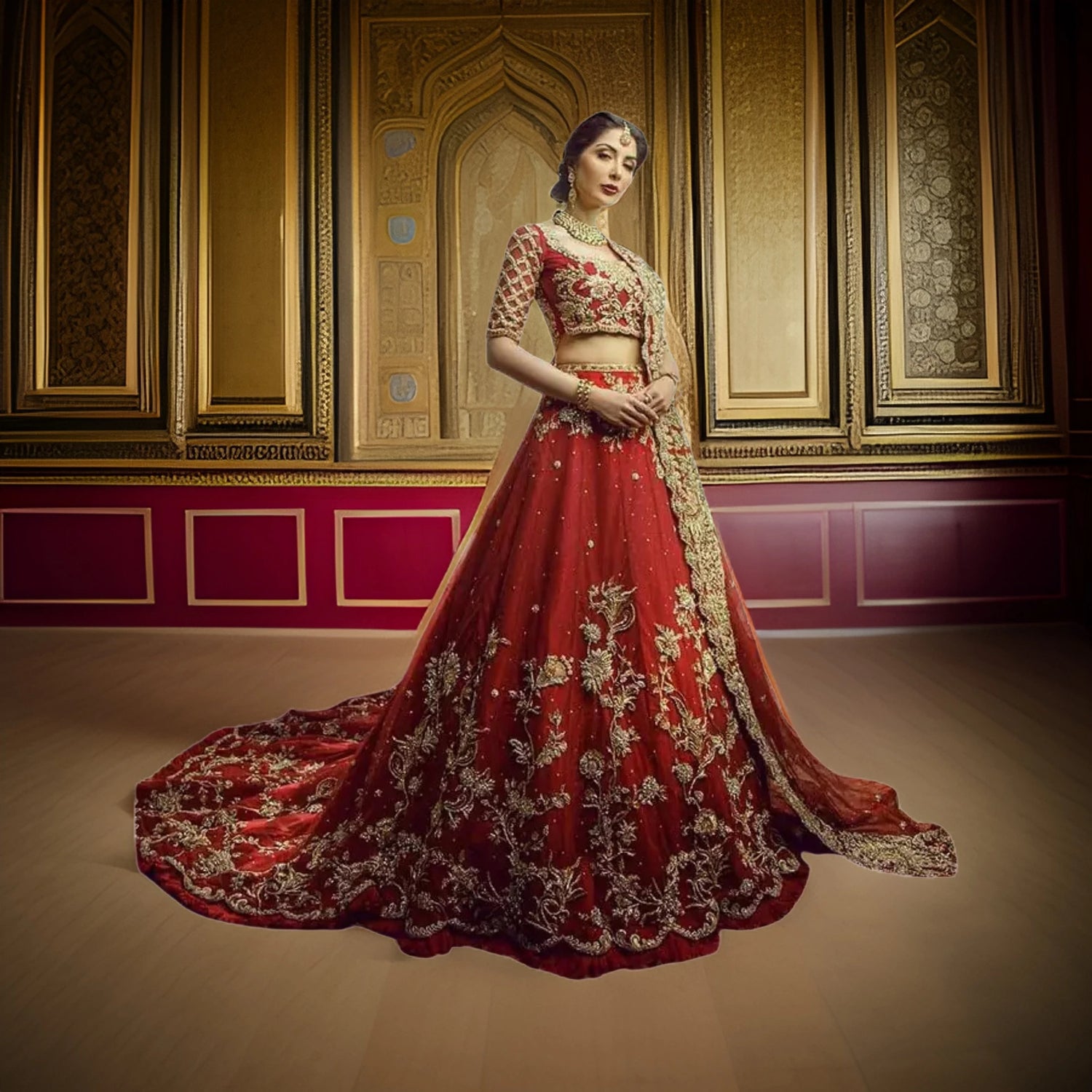
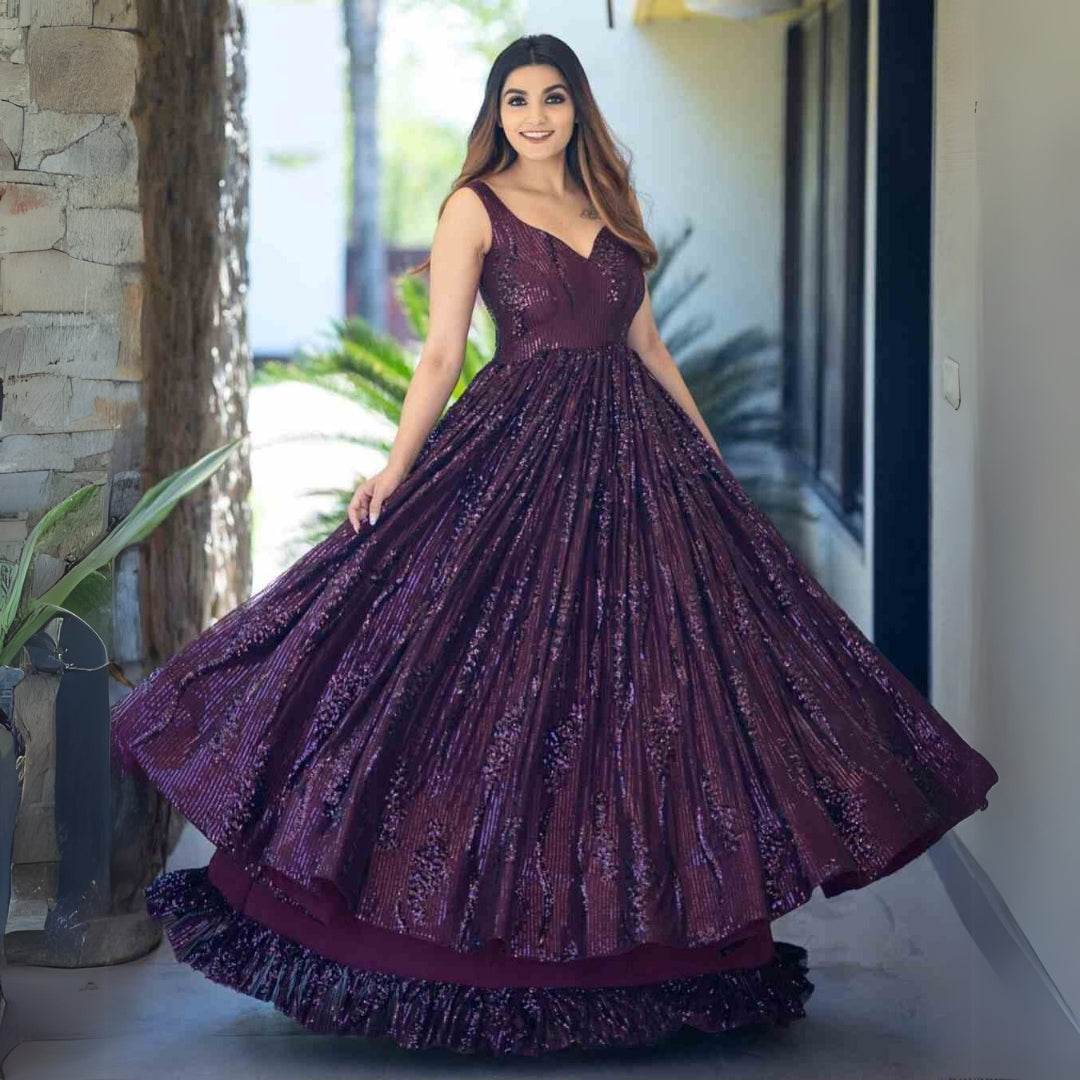
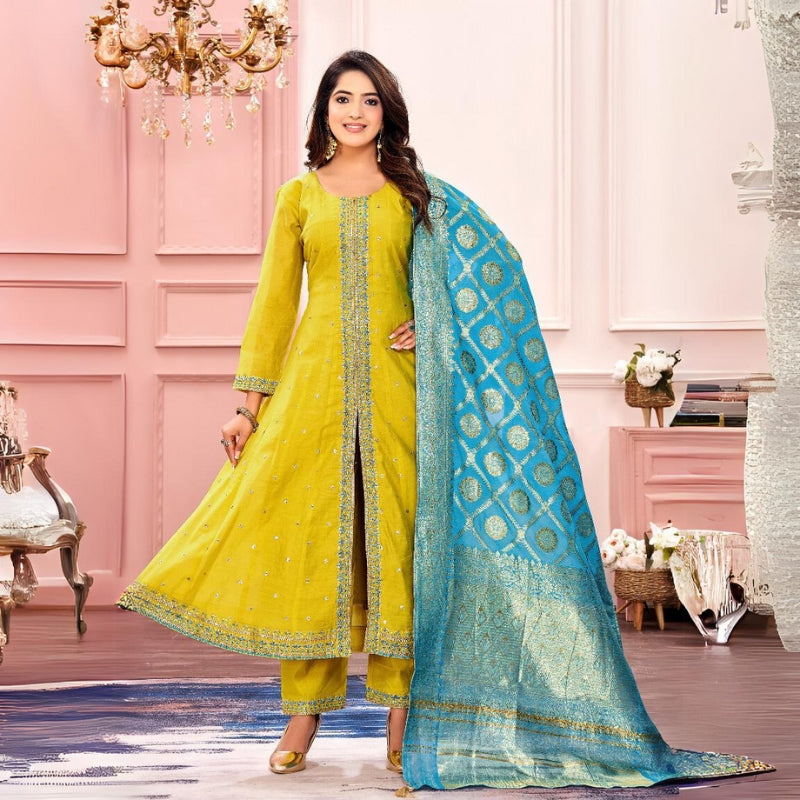
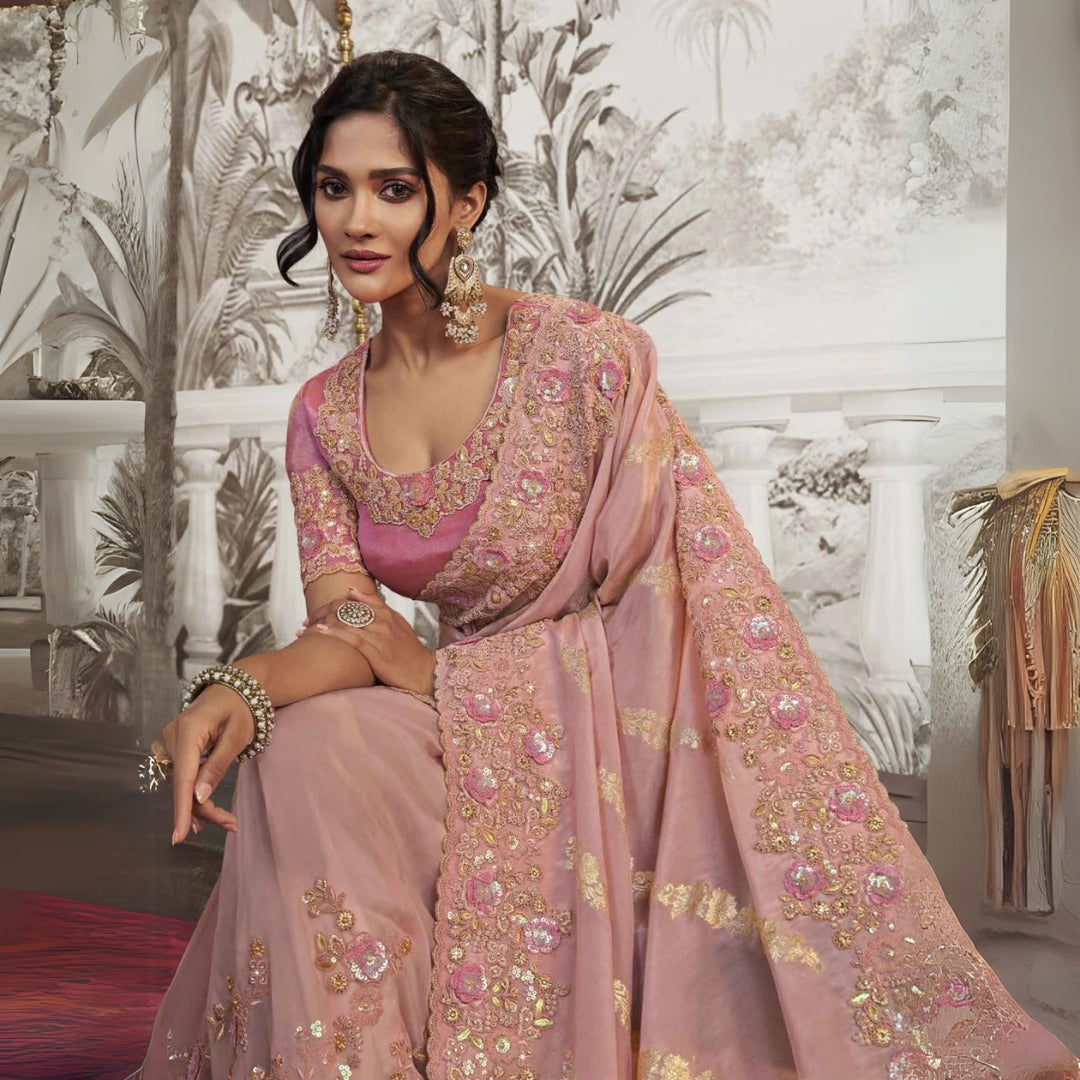
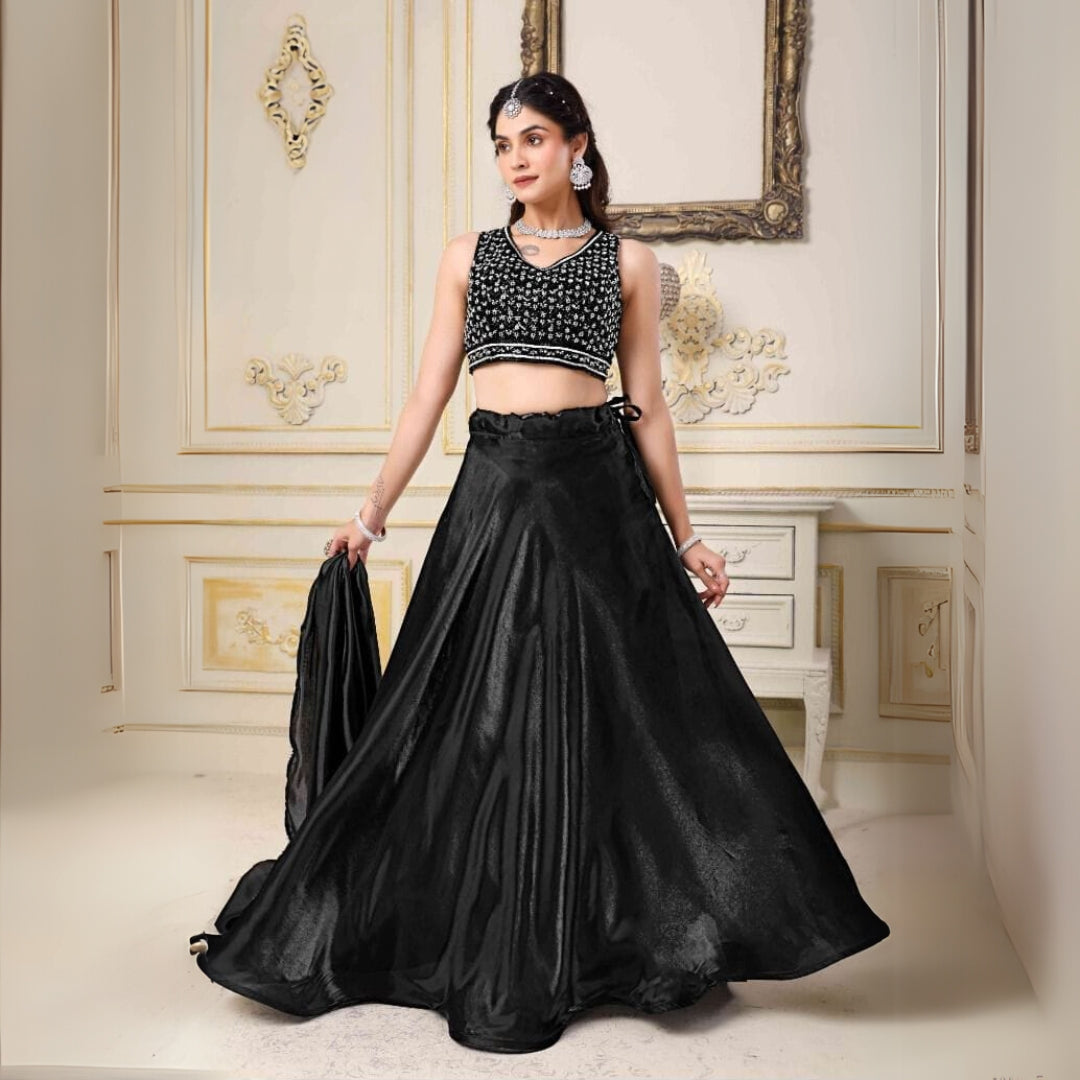
She stepped into the mandap wrapped in two layers of silk and storytelling. The first dupatta skimmed her shoulders like a promise; the second framed her face like a heirloom. Guests drew breath. In that suspended moment between tradition and personal style, the double dupatta became more than fabric—it became her signature. If you dream of that same cinematic entrance, this guide on double dupatta draping for brides will walk you through styles, step-by-step techniques, fabric choices, and professional tips to make your bridal look unforgettable.
Why Choose Double Dupatta Draping for Your Bridal Look
Double dupatta draping blends heritage and haute couture. Brides choose a double dupatta for reasons that go beyond aesthetics: layered symbolism, enhanced silhouette, and unparalleled versatility. Whether you want regal drama, modest coverage for religious moments, or a modern twist for photos, two dupattas allow you to craft a narrative that is uniquely yours.
Key benefits of the double dupatta bridal style
- Layered luxury: Adds depth and texture to a lehenga without overwhelming the silhouette.
- Functional elegance: One dupatta can act as a veil while the other showcases embroidery or colour contrast.
- Photogenic movement: Two layers create dynamic motion in photography and video.
- Customizable coverage: Ideal for ceremonies requiring modesty without sacrificing style.
Top Double Dupatta Draping Styles for Brides
Below are bridal double dupatta styles that inspire both traditional ceremonies and contemporary receptions. Each style includes quick guidance on how to drape, what lehenga types they suit best, and styling tips to amplify your bridal aura.
Classic Regal Veil + Shoulder Sweep
This timeless arrangement places one dupatta as a face-framing veil and the other elegantly swept over a shoulder, creating a royal silhouette perfect for the ceremony.
- Secure the first dupatta over the head, centrally pleated at the hairline and pinned near the ears to create a soft veil.
- Take the second dupatta, pleat neatly, drape it over one shoulder and pin at the shoulder and waist for stability.
Best for heavy embroidered lehengas and brides who want a traditional, photo-ready entrance. Pair with a maang tikka and chandelier earrings to complete the look.
Front-Fall Cascade Drape
For brides who want drama in every photograph, allow one dupatta to cascade down the front while the other is tucked at the waist or worn as a back cape.
- Drape the first dupatta over both shoulders so it flows down the front in a soft waterfall.
- Secure the second dupatta at the back or across the opposite shoulder to balance the composition.
This style enhances a flared lehenga and is ideal for brides who want movement and regal charm.
V-Shaped Twin Veil Drape
Two dupattas form a V shape across the torso, creating a structured yet romantic frame for the face and jewellery.
- Pleat both dupattas identically.
- Bring each over opposite shoulders and pin them centrally at the bust to form a V.
Great for brides seeking symmetry and a couture-inspired bridal silhouette.
Anarkali-Inspired Overlapped Drape
This overlapping technique mimics the regal lines of an Anarkali, layering rich textures to create depth and volume.
- Drape the heavier dupatta lightly over the head and let it fall freely.
- Take the lighter, embellished dupatta and cross it over the chest, tucking or pinning at the waist to create defined tiers.
Suited to lighter fabrics for the top layer and heavily embroidered lower dupattas for contrast.
Saree-Esque Over-the-Shoulder Drape
Bring heritage and modernity together by draping one dupatta like a saree pallu while the other remains traditional over the head or shoulders.
- Start with tight pleats for a streamlined effect on one side.
- Let the other dupatta sit loose for softness and balance.
Excellent for brides who want a south-Asian fusion look without changing their lehenga base.
Cape-Style Double Dupatta Drape
Turn one dupatta into a dramatic cape by securing it across the back and shoulders, while the second is used as a forehead veil or waist sash.
This modern take feels couture and offers a fashion-forward edge for reception looks and evening ceremonies.
Minimalist Half-and-Half Drape
For understated elegance, split the two dupattas down the middle—one on each side—creating balance and minimal fuss.
Perfect for intimate ceremonies and contemporary bridal wardrobes where comfort and chic are both priorities.
How to Choose Fabrics, Embellishments and Color Combinations
Choosing the right fabrics and hues transforms your double dupatta draping from pretty to iconic. Consider weight, transparency, embroidery type, and how the textiles move on camera.
Fabrics and finishes
- Net: Lightweight, ethereal, ideal for veils and layered effects.
- Silk and Banarasi: Rich, heavy, and regal—best for one anchor dupatta.
- Organza and georgette: Offer volume without excessive weight, perfect for cascading drapes.
- Velvet: Luxurious for winter weddings or a dramatic cape-style drape.
Embellishments and trims
- Gota and zari borders frame the face beautifully when used as a veil.
- Sequin and crystal work catch light in reception photos—ideal for the outer dupatta.
- Hand embroidery (zardozi, resham) as the focal dupatta paired with a simpler second drape balances opulence.
Color pairing strategies
- Monochrome magic: Different shades of the same color for a cohesive, luxe feel.
- Contrasting drama: A bold color second dupatta to highlight the primary lehenga.
- Pastel layering: Soft hues layered make for dreamy, romantic visuals.
Practical Tips: Pinning, Pleating and Comfort for a Long Wedding Day
A stunning drape must survive hours of ceremonies, photos, dancing, and travel. These practical tips help your double dupatta look flawless from ritual to reception.
Essential tools to keep in your bridal kit
- Extra-long safety pins and flat-headed dupatta pins
- Mini sewing kit with transparent thread
- Fashion tape for discreet security
- Small brooches that double as secure and decorative pins
Pinning and pleating best practices
- Always pin to the inner blouse layer, not directly to the dupatta fabric, to avoid visible pulls.
- Use 2–3 pins per dupatta anchor point (shoulder, waist, head) for extra security.
- Pleethe dupatta to the width of your shoulder to reduce bulk and ensure clean lines.
Comfort and movement
- For dances, detach one dupatta or pin it loosely to allow arm movement.
- Choose lighter fabrics for the dupatta that sits closest to the skin.
- Layer strategically so weight is evenly distributed across shoulders and waist.
Customization and Styling: Matching Jewellery, Hairstyles and Makeup
Your double dupatta drape should be in conversation with jewellery, hair, and makeup. A deliberate styling plan ties the entire bridal narrative together.
Jewellery pairing
- Heavily embroidered dupattas pair well with minimal necklines and statement earrings.
- Thin, sheer dupattas allow for bold neckpieces and layered chokers.
- Brooch-style pins can be a decorative extension of your jewellery palette.
Hairstyles that complement double dupattas
- Low buns and braided updos create smooth anchor points for veils and shoulder pleats.
- Soft waves work beautifully when the front dupatta is slightly sheer and face-framing.
- Consider hairpieces—floral, jeweled pins or passa—to integrate with the dupatta’s top edge.
Makeup cues
Makeup should read well through the veil: strengthen key features—eyes, cheeks, and lips—so your expressions capture in photos despite fabric diffusion.
Real Bride Stories: Transformative Moments with Double Dupatta Draping
One bride shared how the second dupatta, pinned like a cape, made her feel invincible when walking down the aisle. Another described a tearful blessing when her grandmother adjusted a delicate veil, completing a generational thread. These stories reveal the emotional power of the double dupatta: it is both a stylistic choice and a vessel for memory.
How to Prepare: Trial Drapes and Timeline Before the Wedding
Preparation prevents last-minute stress. A proper draping trial can refine every small detail to perfection.
- Schedule a draping trial with your stylist during final lehenga fittings so fabric weight and pin placement are accurate.
- Photograph each drape from multiple angles to ensure it reads beautifully on camera.
- Practice quick-release pin solutions for changing looks between ceremony and reception.
- Keep an on-call stylist or trusted bridesmaid with spare pins and a small kit.
FAQ — Lehenga Dupatta Draping Styles (People Also Ask)
Can a bride wear two dupattas with any lehenga style?
Yes. Double dupatta draping is versatile and can complement A-line, flared, mermaid, and structured lehengas. Choose one dupatta for structure (heavier fabric) and another for movement (lighter fabric) to balance the silhouette.
Which dupatta should be used as a veil?
Use the lighter, more translucent dupatta as a veil for soft focus on the face. Reserve the richer, heavily embroidered dupatta for shoulders or waist to show craftsmanship.
How do I secure a double dupatta so it lasts through rituals and dancing?
Use a combination of long safety pins, flat dupatta pins, and brooches. Anchor at the shoulders, the waist, and behind the head. Practice placement during trials and keep spare pins handy.
Is a double dupatta suitable for outdoor weddings?
Absolutely. For windy settings, prefer heavier borders with a lighter inner dupatta and secure both with extra pins. A cape-style drape can also protect the lehenga while adding dramatic visuals.
How many dupattas should I carry for different events?
For a full wedding suite, consider three options: ceremony (two dupattas styled together), reception (one statement dupatta or cape), and an intimate ritual look (light and comfortable single dupatta).
Can double dupatta draping be modern and minimal?
Yes. A minimalist half-and-half drape or sleek shoulder sweep using lightweight fabrics delivers a contemporary, elegant aesthetic while maintaining the cultural touch of a dupatta.
What are quick fixes if a dupatta slips during the ceremony?
Keep extra pins with a bridesmaid or stylist. Use fashion tape for quick reattachment and reposition the dupatta to a more secure anchor point like the inner blouse seam.
How do I choose which dupatta to highlight in photos?
Feature the dupatta with the richest embroidery or most striking color. Place it as the outer layer or the one that cascades to the front to ensure it reads well in photographs.
Every bride deserves a moment when culture, couture, and personal story come together. Double dupatta draping is your chance to choreograph those moments—layer by layer—with elegance and confidence. When you choose fabrics thoughtfully, practice pinning techniques, and pair your drape with complementary jewellery and hair, the result is a bridal look that feels effortless and unforgettable.
Ready to design your signature bridal moment? Explore Shreekama's exclusive collection of luxury lehengas and curated dupattas to create a bespoke double dupatta look that tells your story. Discover the collection now at https://www.shreekama.com/collections/lehengas.