Walking into a Sikh wedding is like stepping into a living tapestry — colors humming, music rising, and centuries of tradition embraced with joy. If you’re a guest, one of the most meaningful gestures you can make is covering your head. It’s a small act with big heart, one that shows respect and connects you to the moment. This guide helps you cover your head with style, dignity, and confidence so you can focus on celebrating love while looking impeccably chic.
Understanding the significance of covering your head at a Sikh wedding
Why do guests cover their heads?
Covering the head in a Gurdwara or during a Sikh wedding ceremony is a sign of respect and humility. It symbolizes reverence before the Guru Granth Sahib and acknowledges that the ceremony is sacred. For guests, wearing a head covering is not about conformity — it’s about participation in a shared spiritual moment.
When is a head covering required?
Guests should cover their heads inside the Gurdwara or during the Anand Karaj (wedding ceremony). Many people choose to keep their heads covered throughout the entire wedding day, from the Barat to the reception, as a mark of respect. If you’re unsure, follow the lead of the couple’s family or ask a host — hospitality and guidance are part of the tradition.
Choosing the right head covering: style, comfort, and tradition
Popular options for women: dupatta, chunni, and stoles
Long-tail keyword: what to wear to a Sikh wedding head covering options
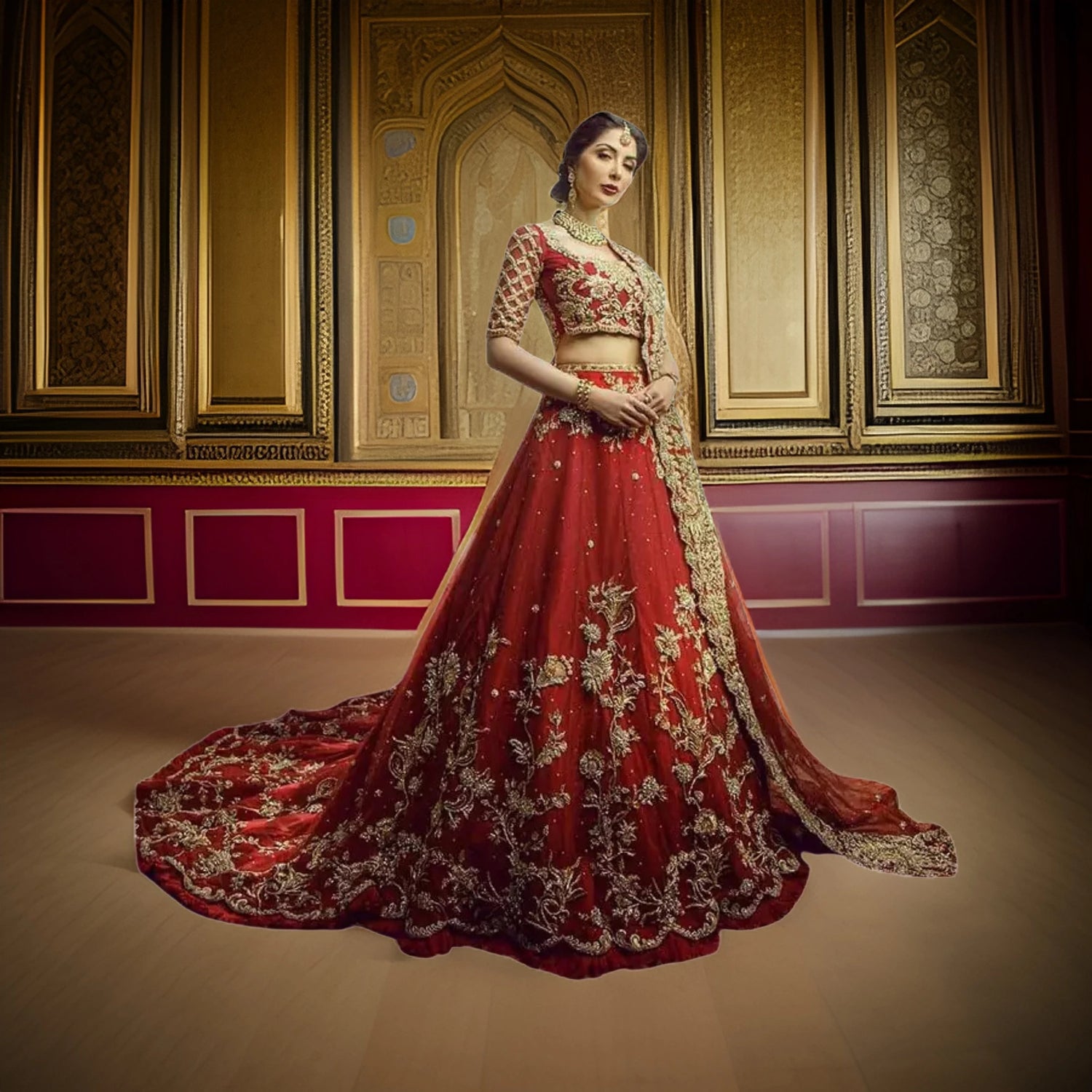
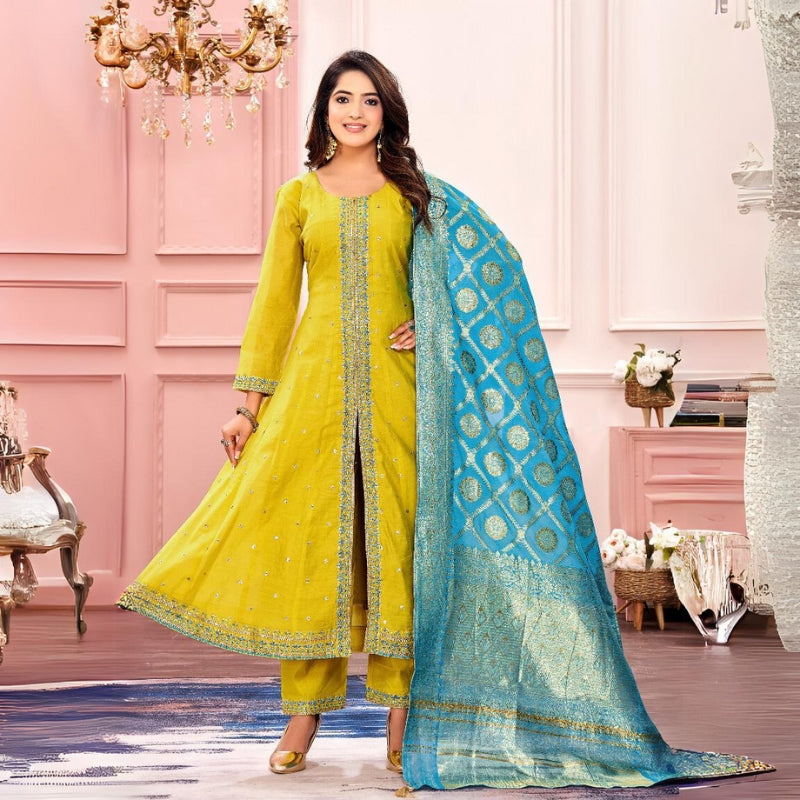
- Dupatta or chunni: Classic and versatile, a dupatta complements ethnic wear like lehengas and anarkalis. Opt for lightweight fabrics for comfort and intricately embroidered pieces for a luxurious look.
- Shawl or stole: A tailored silk or pashmina stole can be draped over the head and shoulders for a refined, modern appearance.
- Pre-stitched headscarves: For guests who prefer ease, pre-stitched or tied scarves offer a polished look without the fuss.
Options for men: pagri, safa, and pre-tied turbans
Long-tail keyword: guest turban styles for Sikh wedding
- Safa or pagri: Choose a safa in a complementary color to your outfit; lightweight cotton or silk blends work well for long ceremonies.
- Pre-tied turbans: An ideal option for guests new to turban-tying — grow sophistication without needing practice.
- Stoles and bandanas: If you’re attending a smaller celebration or prefer simplicity, a neatly folded bandana or stole can be acceptable when paired with respectful attire.
Fabric and color considerations
Choose breathable fabrics like silk, chiffon, georgette, or light cotton that remain comfortable during long gatherings. For colors, match or complement your outfit — jewel tones and pastels photograph beautifully and reflect the celebratory spirit. Avoid clothing that draws attention away from the ceremony, such as loud novelty prints or distracting logos.
Styling tips: how to cover your head with style
Elegant draping techniques for dupattas
Long-tail keyword: how to drape a dupatta at a Sikh wedding
- Classic front drape: Place the center of the dupatta atop your head and let both ends fall evenly in front for a timeless look suited to Gurdwara ceremonies.
- Side-swept style: Secure one end behind your shoulder and drape the other across your head for a graceful, modern silhouette that works well with sarees or lehengas.
- Over-the-shoulder wrap: For more coverage with mobility, pin the dupatta at the crown and let it rest over one shoulder, ensuring it remains secure while you move.
Simple turban styles men can master quickly
Long-tail keyword: easy turban styles for wedding guests
- Band-style wrap: Fold a long scarf into a band and wrap it snugly around the head for a sleek, minimal look.
- Pre-tied turban: Invest in a high-quality pre-tied turban that matches your outfit; it delivers a polished finish with zero fuss.
- Safa with pleats: A safa with neat pleats adds texture and volume, ideal for making a subtle statement while honoring tradition.
Accessorizing your head covering
Small details elevate a look. Use elegant pins or brooches to secure dupattas; men can add a decorative kalgi or brooch to their safa for a regal touch. Choose accessories in gold, pearl, or gemstone tones to coordinate with your jewelry and outfit. Remember: comfort and safety first — avoid heavy headpieces if you’ll be in the Gurdwara for long periods.
Outfit pairings: complete guest looks that respect tradition
Women: curated ethnic ensembles
- Anarkali suits: Flowing silhouettes pair beautifully with long dupattas. Choose rich fabrics and subtle embroidery for a sophisticated presence.
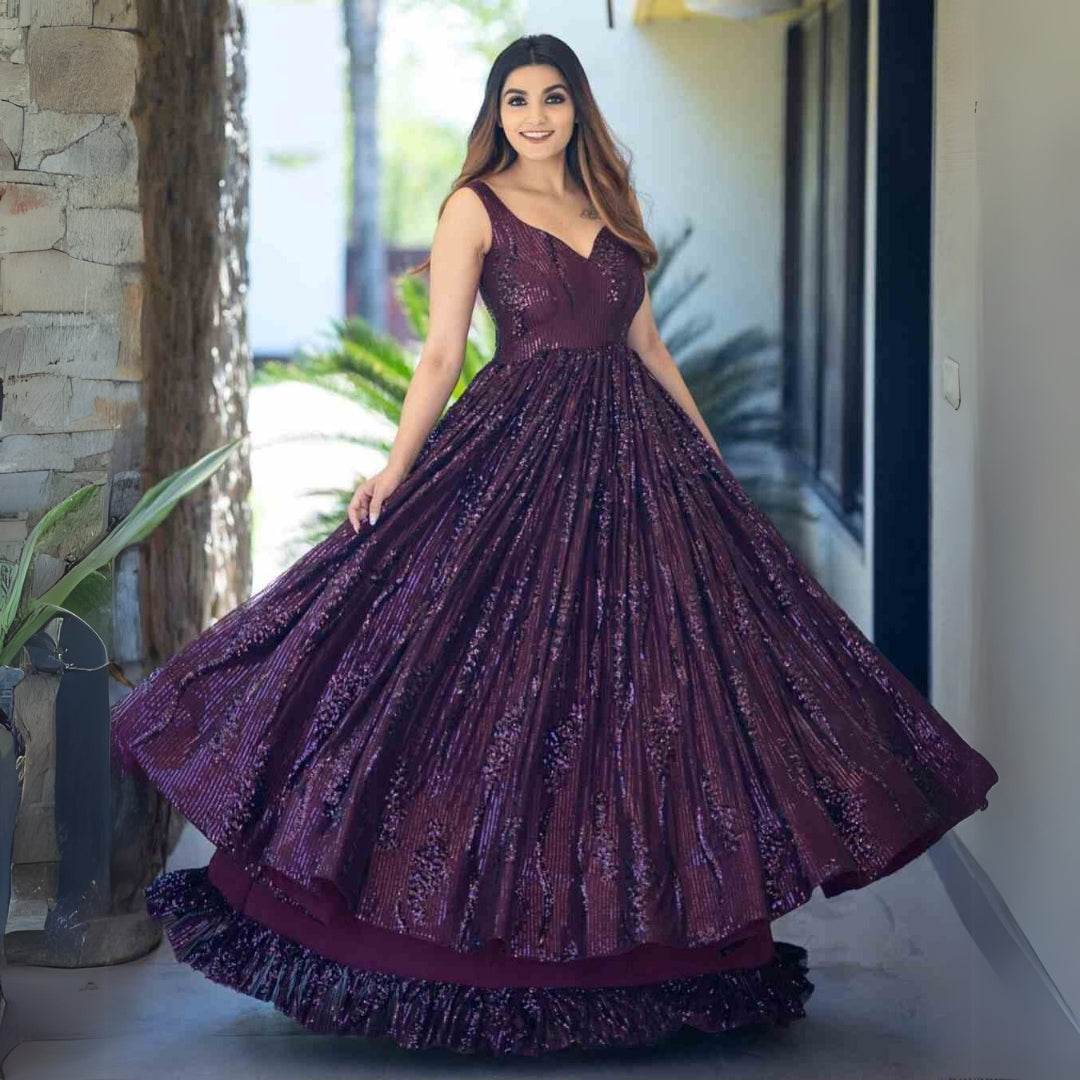
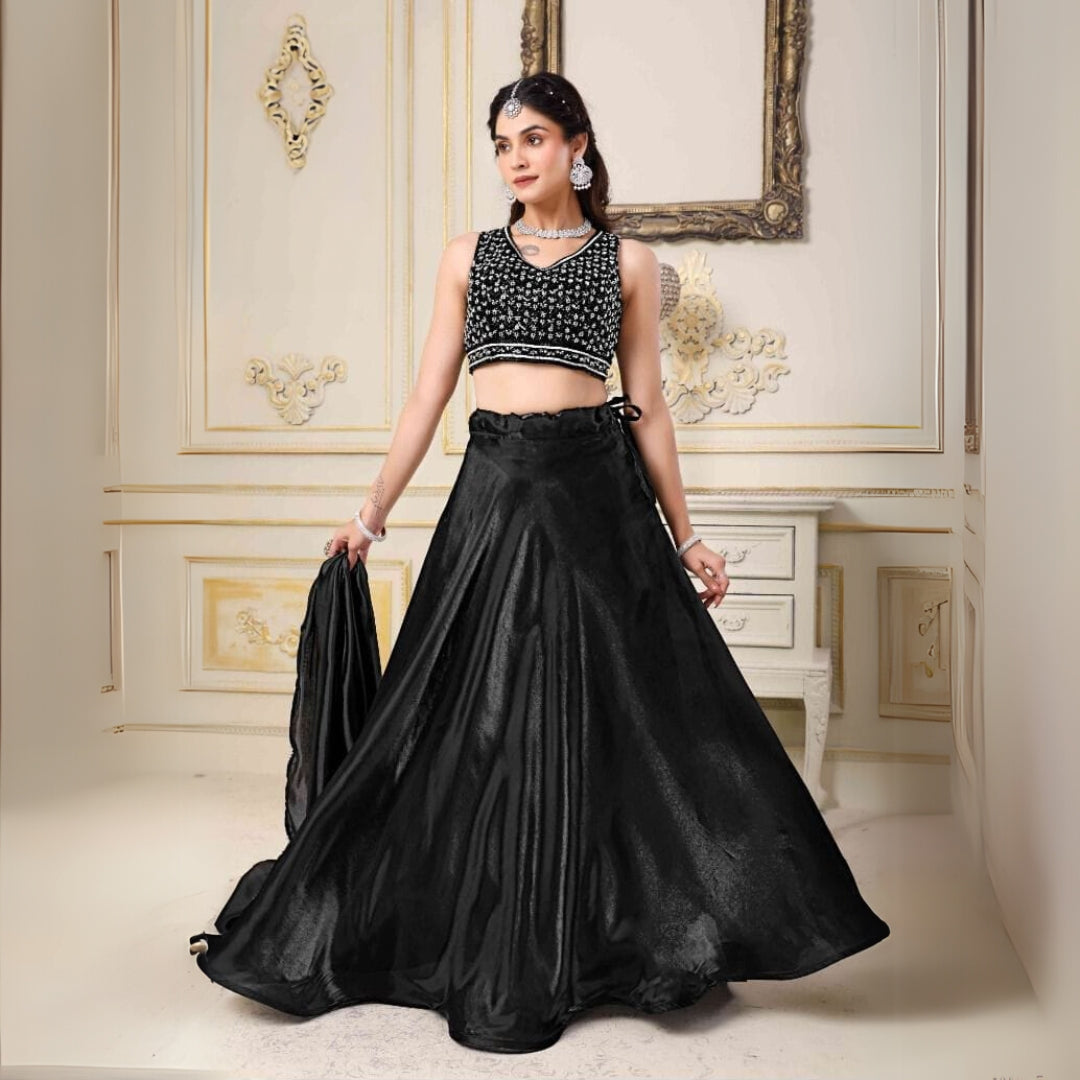
- Lehengas and shararas: These festive choices allow for dramatic drapes and ornate head coverings. Keep the dupatta draped over the head during the ceremony to show reverence.
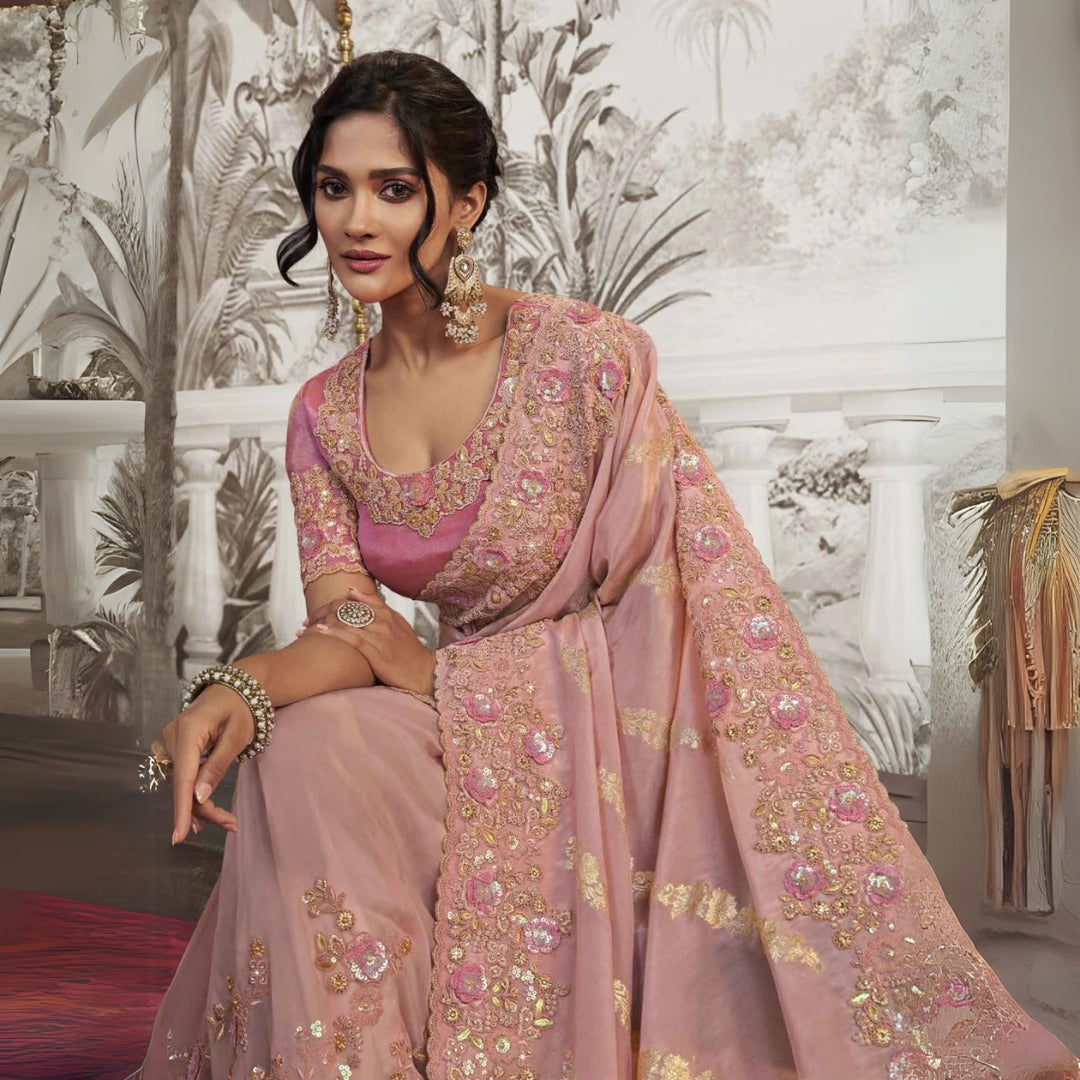
- Sarees: For saree wearers, the pallu can double as a head covering — drape it across the head with delicate pins to keep it secure in the Gurdwara.
Men: refined traditional attire
- Kurta-pajama with jacket: A crisp kurta paired with a Nehru jacket or achkan reads formal and respectful. Match your pagri color to the jacket for a cohesive look.
- Bandhgala or sherwani: For grander events, a tailored sherwani with a complementary safa communicates elegance while adhering to tradition.
- Footwear: Mojris or juttis finish the ethnic ensemble with comfort and style.
Footwear and jewelry
Choose footwear that balances tradition with comfort — expect to remove shoes at the Gurdwara, so slip-on options are practical. Keep jewelry tasteful: statement earrings or a choker can elevate a look without overshadowing the ceremony. Men can wear cufflinks or a tasteful brooch to add personal flair.
Gurdwara etiquette and practical tips for guests
Respectful behavior during the ceremony
Arrive on time, remove your shoes, and switch your phone to silent. Sit humbly, avoid obstructing sightlines, and stand when the prayer calls for it. These small gestures demonstrate your respect and let you experience the ceremony as it was meant to be shared.
Handling hair, pins, and safety
Secure head coverings with flat, unobtrusive pins to prevent wardrobe slips. Avoid sharp or ornate pins that could scratch wooden floors or seats. If you have long hair, tie it neatly; for men with turbans, ensure a comfortable under-turban cap for stability.
Photography and social media etiquette
Always ask before photographing ritual moments, especially during private family rites. Some couples request limited phone use during the ceremony — follow their wishes to honor the sanctity of the occasion. If posting on social media, caption with gratitude and respect, and avoid distracting the ceremony for the sake of content.
Luxury tips: choosing a statement head covering without oversharing
When you choose luxury fabrics and artisanal embroidery, your head covering becomes a wearable gift to the ceremony. Invest in pieces that feel personal: hand-embroidered borders, subtle sequins, or heirloom silk in muted metallics convey elegance without overshadowing the couple. If you’re buying specifically for a wedding, select a dupatta or safa that complements multiple outfits — versatility increases value and reduces impulse purchases.
Where to find curated pieces for Sikh wedding guests
Long-tail keyword: luxury Sikh wedding guest outfits India
Curated collections that blend heritage with modern tailoring make it easy to assemble a respectful, show-stopping look. Seek brands that prioritize craftsmanship, breathable fabrics, and refined details so your head covering and outfit feel both ceremonial and comfortable. Shreekama’s collection of kurtas and suits offers luxurious choices for guests who want elegance, comfort, and tradition seamlessly combined.
Frequently Asked Questions
Do guests have to cover their head at a Sikh wedding?
Yes. Covering the head is a sign of respect at a Sikh wedding, especially inside a Gurdwara or during the ceremony. If you don’t own a head covering, hosts often provide scarves or suggest options before the event.
Can I wear a scarf instead of a turban?
Absolutely. Women and men can wear scarves, stoles, or bandanas as long as the head is covered respectfully. Men typically wear turbans or safas, but a neatly tied scarf is acceptable for guests seeking simplicity.
Is white appropriate for a Sikh wedding?
White is traditionally associated with mourning in some Indian communities, so it’s best to avoid all-white outfits unless the couple has specified otherwise. Instead, choose joyful hues or muted pastels that celebrate the occasion.
How should I choose the color of my head covering?
Match or complement your outfit and consider the wedding’s color palette. Jewel tones, pastels, and metallics are safe, photogenic choices. Avoid colors that clash with the couple’s selected theme or bridal party attire.
Can men wear pre-tied turbans as guests?
Yes. Pre-tied turbans are a convenient, respectful option for guests unfamiliar with turban tying. They offer a polished look with minimal effort and are especially useful for travelers or first-time attendees.
What is the best fabric for a head covering in humid climates?
Lightweight fabrics like chiffon, cotton-silk blends, and georgette breathe well and stay comfortable in warm or humid conditions. Avoid heavy brocades for long ceremonies in heat.
How can I secure my dupatta without it slipping during the ceremony?
Use small, discreet safety pins at the crown and near the shoulders. Brooches or decorative pins can also secure the dupatta while adding a stylish accent. Practice your drape before the event to ensure stability.
Final thoughts and a special invitation
Covering your head at a Sikh wedding is a beautiful, heartfelt way to honor tradition and celebrate with the couple. With thoughtful choices in fabric, color, and drape, you can show reverence and arrive in style. Whether you prefer a flowing dupatta, an elegant safa, or a pre-tied turban, the right head covering enhances your presence and deepens your connection to the ceremony.
Explore Shreekama’s curated selection of luxury kurtas, suits, and elegant stoles to craft a guest look that speaks of respect, tradition, and contemporary style. Visit our exclusive collection now and find pieces designed to make your celebration unforgettable: https://www.shreekama.com/collections/kurtas-suits