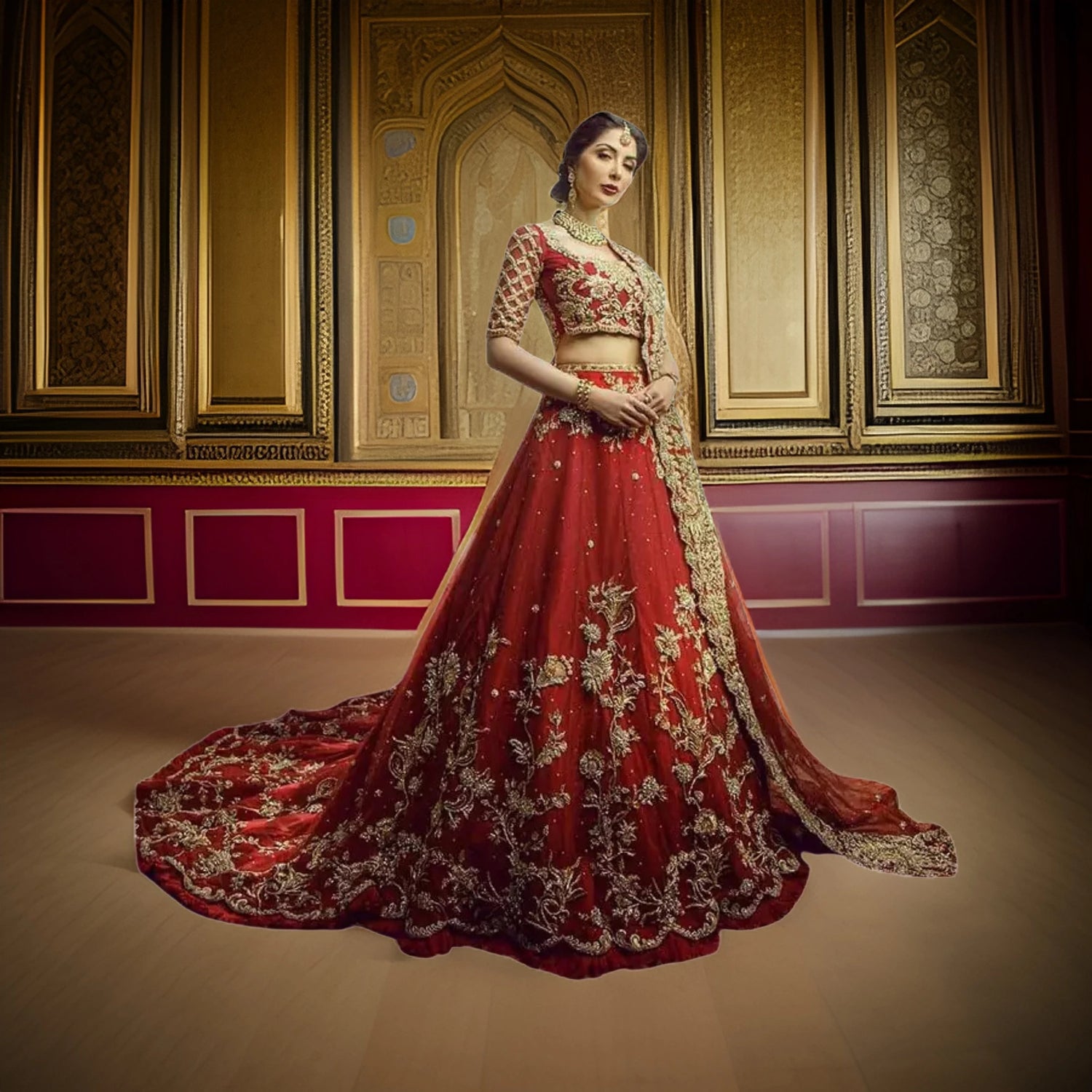
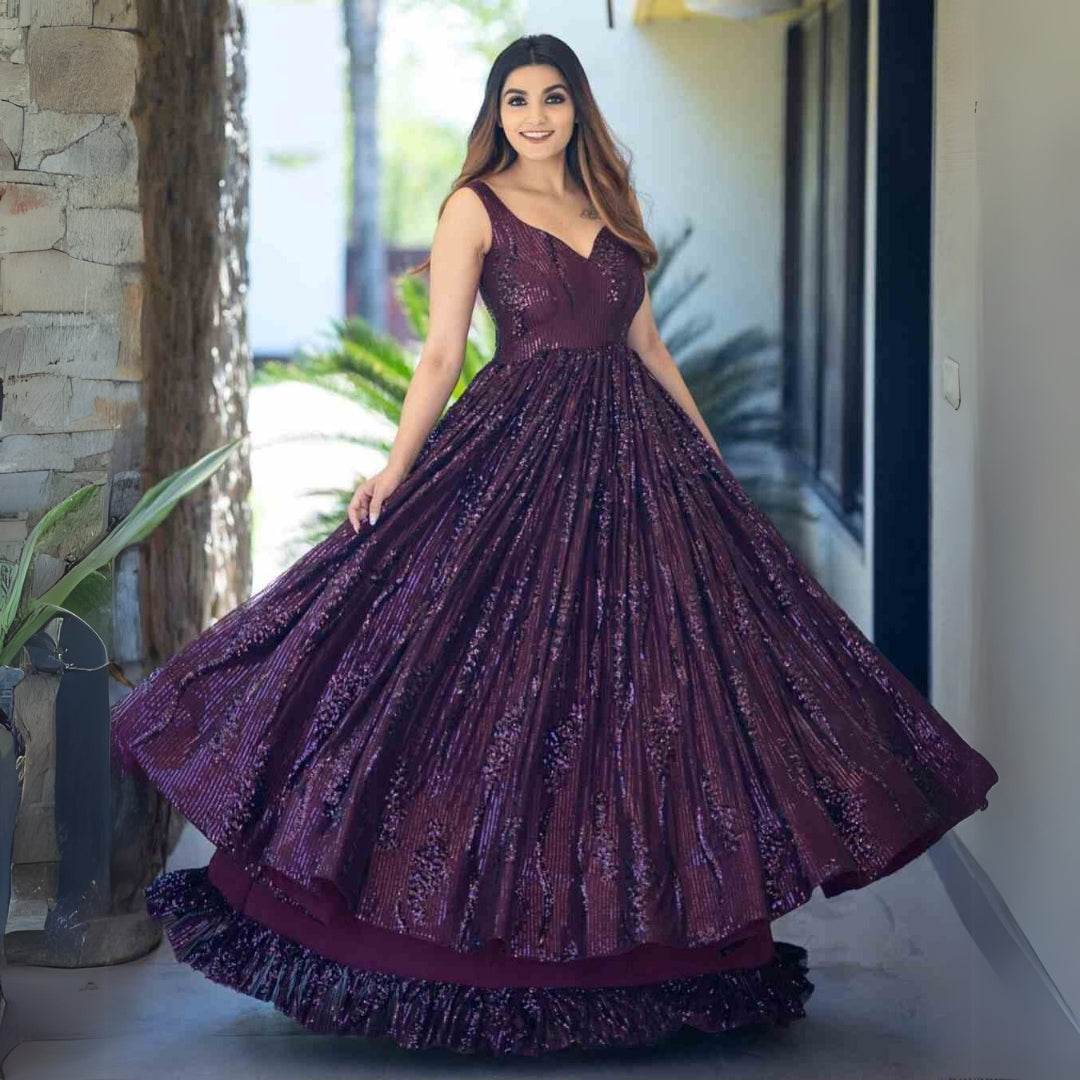
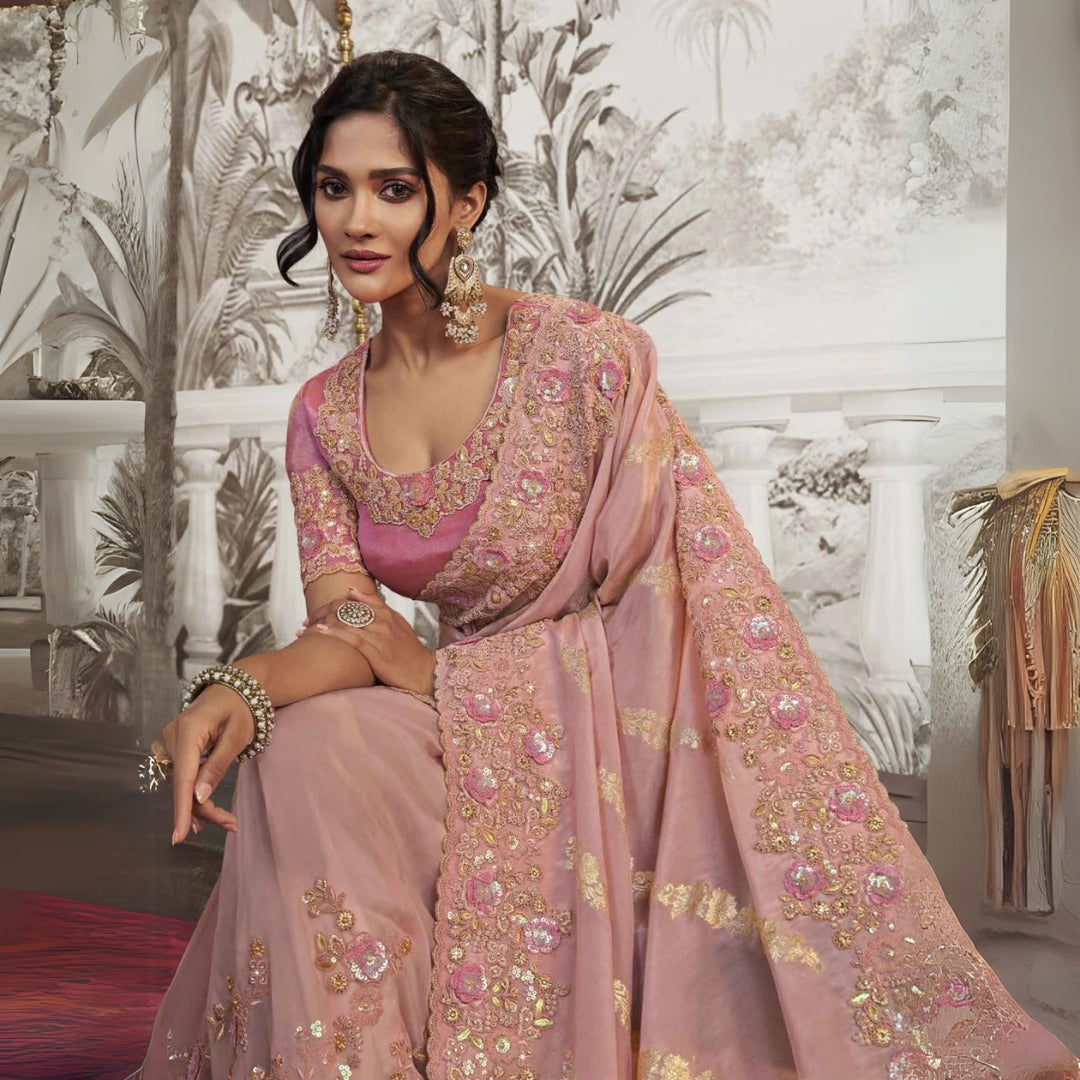
There’s a quiet magic in the way a saree moves — a whisper of tradition, a confident turn, a celebration of style. For many beginners, that magic feels distant until they learn the Nivi drape. Easy to master yet endlessly elegant, the Nivi saree drape transforms fabric into a silhouette that commands attention and comfort. Whether you’re stepping into luxury for the first time or rekindling a long-loved ritual, this guide walks you through saree draping for beginners with calm, clear steps, practical tips, and inspiring style pointers that make every drape a statement.
Why the Nivi Drape Is Perfect for Beginners
The Nivi drape is the most popular saree style across India. It’s versatile, flattering, and suitable for everything from casual outings to formal celebrations. For beginners, it offers a predictable structure and a graceful fall that accentuates the saree’s beauty without complicated folds.
Key benefits of learning the Nivi drape
- Easy-to-follow, repeatable steps that build confidence quickly.
- Works with most saree materials: cotton, silk, georgette, chiffon.
- Customizable pleats and pallu styles for different body types and occasions.
- Comfortable for long wear — ideal for ceremonies, office wear, and travel.
What You Need Before You Start
Preparation makes draping effortless. Gather these essentials to ensure a smooth, secure Nivi drape.
Essential items
- Saree (5.5 to 6.5 meters for most drapes) — choose a fabric you’re comfortable with.
- Petticoat (waistband should sit snugly at your natural waist). Use a petticoat that matches your saree color or is nude for sheer fabrics.
- Well-fitted blouse — cropped or full-sleeve as per comfort.
- Safety pins — short and long, and a few transparent ones for invisibility.
- Optionally, a mirror and flat shoes for final adjustments and balance.
Step-by-Step Nivi Drape for Beginners
Follow these step-by-step instructions with confidence. Take your time on the first few attempts — mastering the basics will give you freedom to experiment.
Step 1: Tuck the saree at the waist
Start with the saree’s non-decorative end (plain end). Tuck it into the petticoat at your right waist and rotate counter-clockwise, keeping the lower edge touching the floor. Tuck securely until you complete one full round.
Step 2: Make neat pleats for the front
Gather the saree from the front and create 5–7 even pleats, each about 4–5 inches wide depending on your height and fabric thickness. Hold the pleats together and align their bottoms. Tuck the pleats slightly left of the navel into the petticoat and secure with a pin through the outermost pleat into the petticoat.
Step 3: Drape the pallu over the shoulder
Bring the decorative end (pallu) around your back from left to right, and drape it over your left shoulder. Adjust the length so the pallu falls to your knee or calf, depending on preference. For a classic look, let it fall to mid-calf.
Step 4: Secure the pallu
Neaten the pallu on the shoulder, making small pleats for structure. Pin the pallu to your blouse at a comfortable angle — make sure the pin is hidden inside the fold. For a sophisticated drape, spread the pallu slightly across the chest.
Step 5: Adjust and finish
Tidy the pleats, check the hemline, and ensure the saree falls evenly all around. Use a second safety pin inside the pleats and petticoat if you plan to move a lot. Walk around and sit to test comfort, and refine pinning where needed.
Quick Summary for Voice Search (Featured Snippet Ready)
How to do the Nivi saree drape: Tuck the plain end into a snug petticoat, make 5–7 front pleats and tuck them left of the navel, bring the pallu over the left shoulder, pleat and pin the pallu. Adjust the hem and secure any loose edges. This method works for beginners and most saree fabrics.
Detailed Styling Tips: Personalize Your Nivi Look
Once you’ve mastered the basics, small styling choices elevate the drape from traditional to runway-ready.
Pleat depth and number
- Taller bodies: wider pleats for balanced proportions.
- Petite frames: thinner pleats to avoid overwhelming the silhouette.
- Heavier fabrics: fewer pleats to prevent bulk.
Pallu variations
- Classic loose pallu for grace and movement.
- Pallu pleated neatly for a formal, polished look.
- Pallu over the head for ritual or bridal styling.
Accessorizing to amplify elegance
- Statement earrings and a delicate waist belt for contemporary chic.
- Layered necklaces for evening events; minimal studs for workwear.
- Footwear: block heels for comfort, stilettos for drama.
Common Mistakes Beginners Make (And How to Fix Them)
Small errors can undermine your drape. Here’s how to correct them quickly.
1. Untidy pleats that fall apart
Fix: Make each pleat crisp by running your fingers along the edge before tucking. Use a long safety pin from the inside of the petticoat into the pleats to anchor them securely.
2. Uneven hemline
Fix: Check the hemline in front of a mirror and adjust the initial tuck. Ensure the lower edge grazes the floor without dragging — the right length makes the saree look tailored.
3. Pallu keeps slipping
Fix: Use a small transparent pin on the blouse seam and a decorative pin on the pallu for double security. For slippery fabrics, add a non-slip strip on the blouse shoulder.
Choosing the Best Petticoat and Blouse
The right petticoat and blouse turn a good drape into a stunning one. Focus on fit and fabric for comfort and confidence.
Petticoat tips
- Choose a snug waistband that sits at your natural waist to define your silhouette.
- Match petticoat color to saree for seamless elegance; use nude for translucent fabrics.
- Opt for lightweight cotton petticoats for breathability and silk-blend for formal wear.
Blouse tips
- Well-fitted blouses support the pallu and prevent frequent pinning.
- Experiment with sleeve lengths and necklines to match the occasion and saree style.
- Consider inner grips or stitched loops at the shoulder for extra pallu security.
Fabric Guide: Draping Different Saree Materials
Every fabric behaves differently. Here’s how to handle the most common saree materials.
Cotton sarees
Cotton is breathable and crisp, making it ideal for daily wear. It holds pleats well but may crease—press carefully and use lightweight petticoats. Cotton saree draping tips include small, sharp pleats and minimal pins for a natural fall.
Silk sarees
Silk flows luxuriously and often carries heavier borders. Use fewer pleats and ensure the petticoat is strong to support the weight. Pin the pallu securely and choose a blouse that complements the saree’s sheen.
Georgette and chiffon
These lightweight, slippery fabrics drape elegantly with soft folds. Make pleats a little narrower and use additional pins or inner loops to prevent slipping.
Troubleshooting: Fast Fixes on the Go
Running late? These quick solutions will keep you looking impeccable without a mirror marathon.
- Loose pleats: tuck a small safety pin behind the pleats into the petticoat.
- Pallu slipping mid-event: slide a decorative brooch through pallu and blouse seam for instant hold.
- Sheer saree transparency: wear a matching slip or darker petticoat for coverage.
How to Care for Your Saree: Practical Tips for Longevity
Luxury fabric deserves thoughtful care. Proper maintenance keeps colors vibrant and textures soft.
- Read fabric-specific care labels; hand wash delicate sarees and dry clean rich silks.
- Air dry in shade to prevent color fading; avoid wringing cotton sarees to maintain their weave.
- Iron at recommended temperatures; use a cloth over delicate weaves to prevent shine.
Stories from New Drapers: Confidence Through Practice
Imagine the first time you receive compliments on a saree you draped yourself — a small triumph that sparks new confidence. Beginners often tell us they felt awkward at first, then exhilarated after the third try. The Nivi drape offers that swift turnaround: the more you practice, the more intuitive your hands become. Each fold becomes a familiar motion, every pin a trusted ally. This is how tradition becomes personal style.
FAQ: Cotton Saree Questions Answered
Is a cotton saree good for daily wear?
Yes. Cotton sarees are breathable, comfortable, and ideal for daily wear, especially in warm climates. They’re easy to drape and maintain, making them a practical and stylish choice for regular use.
How should I wash a cotton saree?
Hand wash cotton sarees in mild detergent and cold water for best results. Avoid harsh scrubbing, and air dry in shade to preserve color. For heavily embellished cotton sarees, consider gentle dry cleaning.
Why do cotton sarees crease easily and how can I reduce creasing?
Cotton fibers naturally crease. To reduce creasing, remove sarees from the dryer immediately, fold neatly, and iron while slightly damp at medium heat. Use starch sparingly for a crisper finish if desired.
Can I drape a cotton saree in the Nivi style?
Absolutely. Cotton sarees are well-suited for the Nivi drape: they form crisp pleats and offer a clean silhouette that looks polished for both casual and formal settings.
Which petticoat is best for cotton sarees?
A lightweight cotton or cotton-blend petticoat works best for cotton sarees. It provides comfort and breathability, and helps maintain pleats without adding bulk.
How do I prevent color bleeding in a new cotton saree?
To prevent color bleeding, soak the saree in saltwater or vinegar solution before first wash, or test a small hidden area. Wash separately for the first few washes to avoid staining other garments.
Is dry cleaning necessary for all cotton sarees?
Not always. Plain cotton sarees can be hand washed at home. However, heavily embroidered or hand-painted cotton sarees benefit from professional dry cleaning to protect detailing and color.
How do I iron a cotton saree without damaging it?
Iron on medium heat, preferably while the saree is slightly damp. Use a thin cloth between the iron and saree for delicate weaves. Avoid high heat that can scorch fibers or diminish natural luster.
Final Thoughts: Embrace the Elegance
Learning the Nivi drape opens a door to a world where tradition meets modern style. It gives beginners a reliable foundation to explore variations, textures, and occasions with grace. Every pleat you perfect strengthens your confidence; every pinned edge refines your presence. Let your saree tell your story — poised, stylish, and unmistakably you.
Ready to elevate your saree journey? Discover exquisite handpicked sarees that are perfect for practicing and showcasing your Nivi drape. Explore our exclusive collection and find the saree that will become part of your story: Shop Shreekama’s Traditional Saree Collection