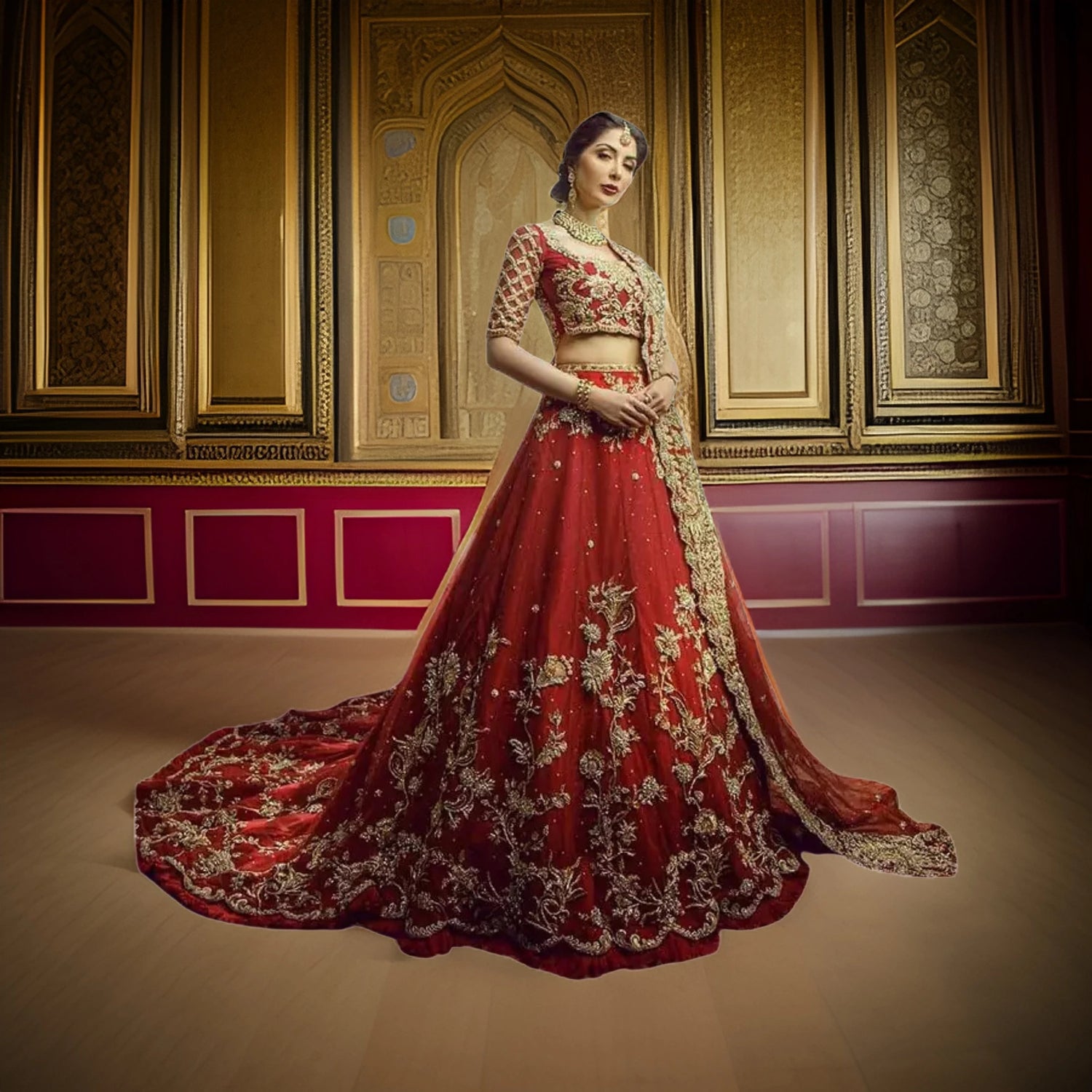
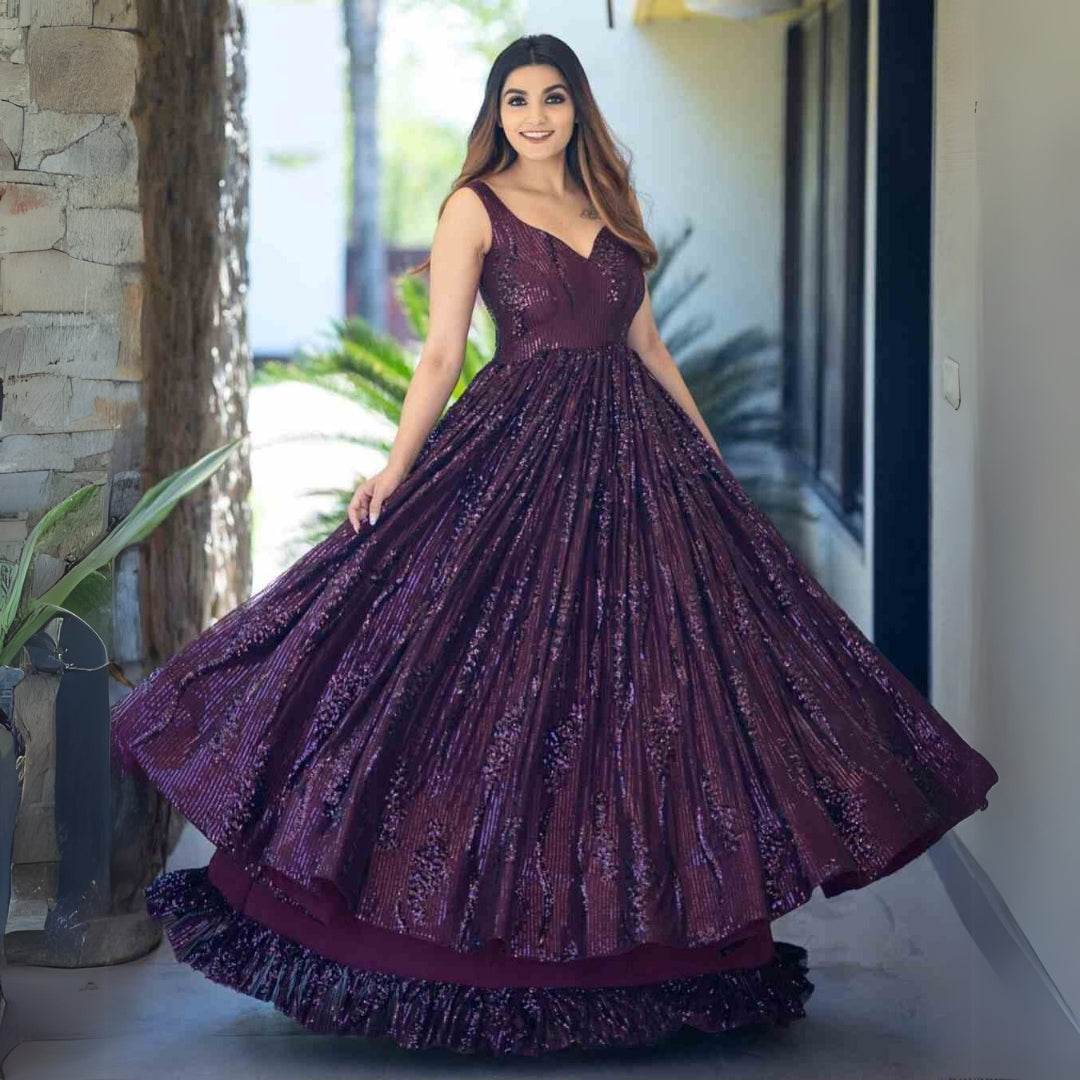
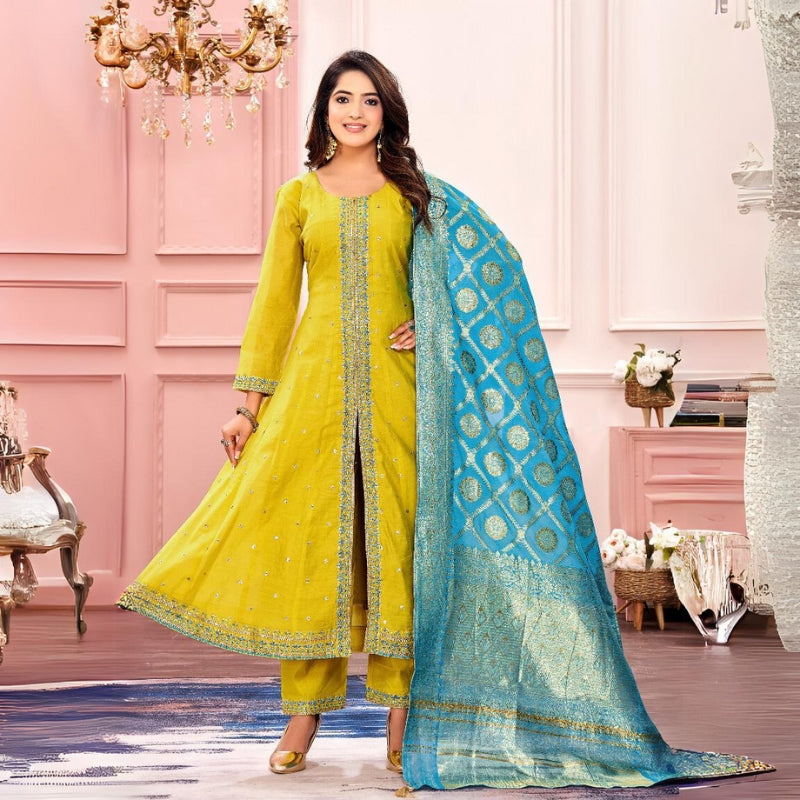
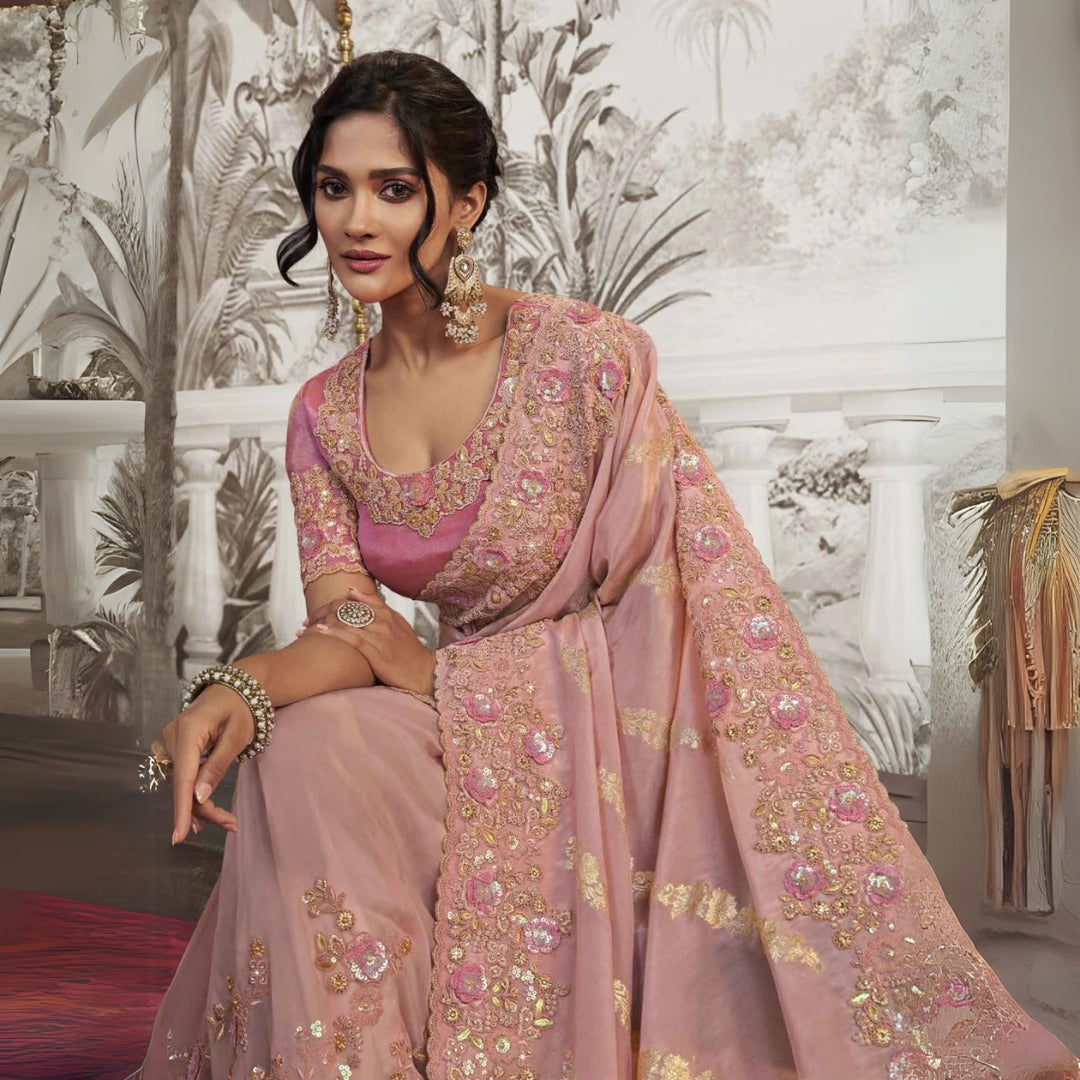
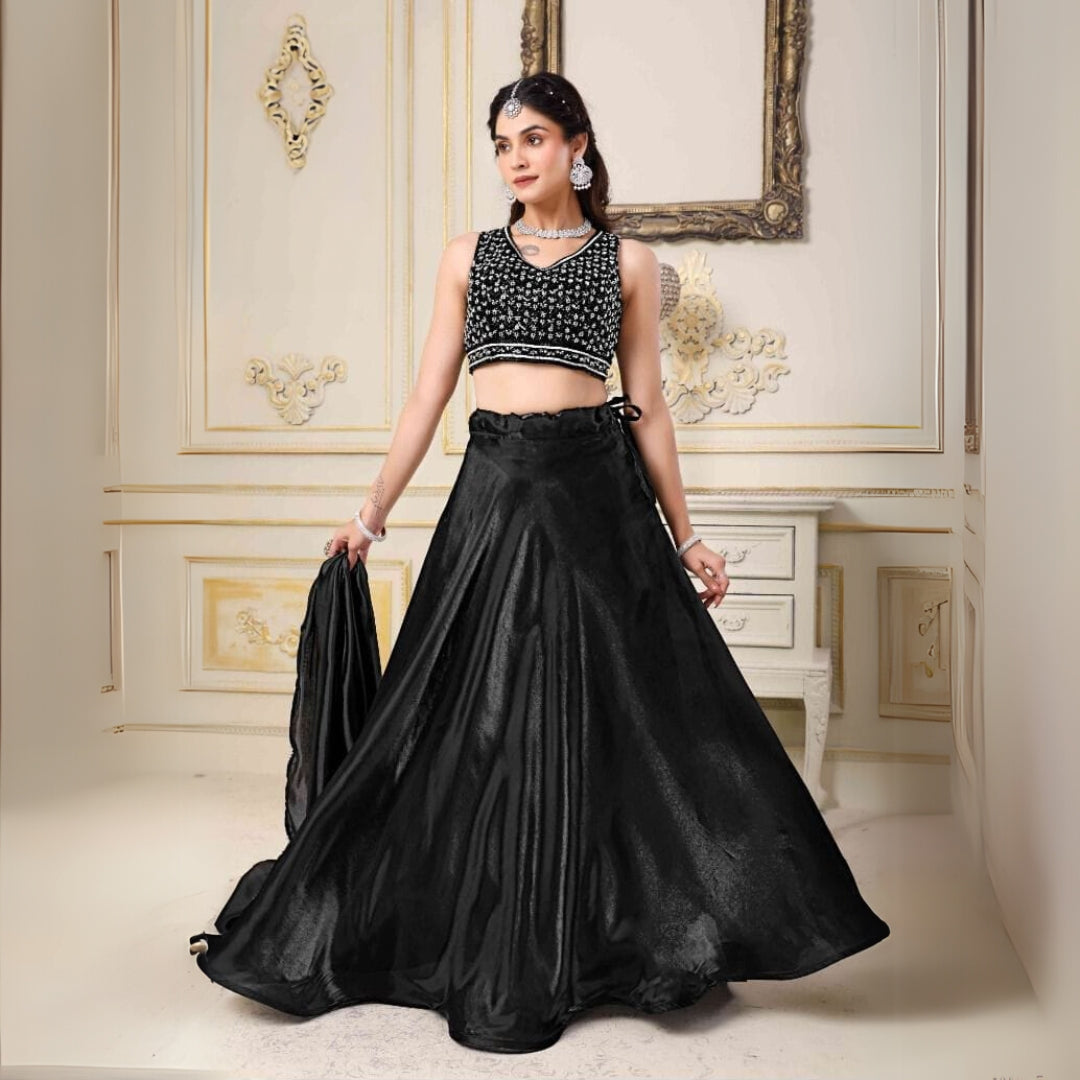
That bridal lehenga hanging in your closet carries more than fabric and thread — it holds stories, vows, and a treasure trove of memories. But style evolves and so can sentiment. Revamping an old lehenga through dyeing and restyling is a beautiful way to honor the past while creating a fresh, wearable heirloom. Whether you want to wear it for a new celebration, gift it to a loved one, or simply preserve it with a modern twist, this guide walks you through practical, safe, and stylish ways to transform your wedding outfit into a statement of sustainable luxury.
Why Dye and Restyle a Wedding Lehenga?
Lehengas are investment pieces: heavy fabrics, intricate embroidery, and handcrafted embellishments. Instead of consigning them to storage, dyeing and restyling extend their life and relevance. This approach is eco-conscious, sentimental, and cost-effective. It reduces waste, preserves craftsmanship, and lets you reimagine the silhouette to match contemporary tastes.
Emotional and practical benefits
- Preserve family heritage while refreshing the look.
- Create a bespoke piece that feels new without losing sentimental value.
- Avoid the carbon footprint of buying a new outfit by upcycling what you already own.
- Adapt the lehenga for different occasions—from intimate ceremonies to festive parties.
Can You Dye a Wedding Lehenga? Quick Answer
Yes — many lehengas can be dyed, but success depends on fabric composition, existing embellishments, and dyeing technique. Natural fibers like silk and cotton absorb dye well, while synthetic fibers and metallic threads may resist coloration or react unpredictably. Always test a small, inconspicuous swatch first and consider professional help for heavily embroidered or antique pieces.
Preparing Your Lehenga for Dyeing
Assess the fabric and embellishments
Start by identifying the main components: silk, satin, chiffon, georgette, velvet, organza, or blends. Note the presence of zari, sequins, beads, stones, or dyed patches. Zari and metallic threads often won’t take dye or can change color poorly, so plan around them.
Pre-wash and stain removal
Gently pre-wash the lehenga to remove oils, sweat, and surface dirt. Use a mild detergent and cold water. Avoid harsh scrubbing around embroidery. Stain removal may be necessary for localized discoloration but consult a professional if stains are set-in or on delicate fabric.
Test a hidden swatch
Always test dyestuff on a hidden hem, inner lining, or seam allowance. This reveals how the fabric reacts and whether embellishments bleed or tarnish. Document the test results and the dye ratio for consistency.
DIY Dyeing vs. Professional Dye Services
When to DIY
- Fabric is 100% natural (silk or cotton) and embellishments are minimal.
- You want a subtle shade shift or ombre effect on the skirt and dupatta.
- You’re comfortable following precise dyeing steps and doing a preliminary test.
When to go professional
- Heavy embroidery, antique zari, delicate beadwork, or mixed fibers.
- Complex, uniform color change across multiple layers or linings.
- When you want bespoke color matching or specialized techniques (e.g., over-dyeing with metallic finish).
How to Dye a Bridal Lehenga: Step-by-Step Guide
Materials you’ll need
- Professional fabric dye suitable for the fiber (acid dyes for silk, fiber-reactive for cotton).
- Large stainless steel or enamel pot for boiling dye baths (avoid reactive metals).
- Salt, white vinegar, or soda ash depending on dye chemistry.
- Rubber gloves, wooden spoons, and protective workspace covering.
- Fabric-safe fixatives and mild detergent for rinsing.
Step 1: Prepare your workspace and tools
Cover surfaces, keep cleaning materials ready, and use tools dedicated to dye work. Ensure good ventilation.
Step 2: Mix the dye bath
Follow the dye manufacturer’s instructions for concentration and water temperature. For silk, acid dyes typically require warm to hot water with a small amount of vinegar to set the color. For cotton, fiber-reactive dyes often use soda ash to fix the dye.
Step 3: Submerge and stir evenly
Wet the lehenga thoroughly in warm water before adding it to the dye bath to ensure even absorption. Stir gently and consistently for uniform coverage, paying attention to pleats, hems, and seams where dye can pool.
Step 4: Monitor color and remove when ready
Color deepens as the fabric absorbs dye. Conduct periodic checks under natural light. Once you reach the desired shade, remove the lehenga and rinse until water runs clear.
Step 5: Fix the color and dry
Use recommended fixatives and wash with a mild, cold detergent. Air-dry away from direct sunlight to prevent fading. Press carefully, using a cloth between the iron and fabric to protect embellishments.
Special Considerations for Embellished and Zari Lehengas
Protecting embroidery and metallic threads
If zari, sequins, or stones are present, mask or remove delicate trims when possible. A tailor can carefully unpick panels, or you can use a water-resistant barrier like plastic wrap and secure with tape around metalwork — though removal is the safer choice.
Alternative techniques to preserve craftsmanship
- Partial dyeing or dip-dyeing to avoid metallic threads.
- Hand-painting or block-printing over plain areas for color change without full bath immersion.
- Using fabric overlays or appliqués to change appearance while keeping original panels intact.
Creative Restyling Ideas: Transforming the Silhouette
Once dyed, the real magic begins: reimagining the lehenga’s form. Restyling can modernize the silhouette, improve wearability, or adapt the piece for different body types and events.
Top restyle concepts
- Replace a heavy blouse with a contemporary crop top or structured corset for a modern silhouette.
- Convert the lehenga skirt into a layered midi or tea-length skirt for cocktail events.
- Use the dupatta as a cape or drape it as a sculptural stole to shift focus from the skirt.
- Swap heavy borders with lighter ones or add an asymmetrical hem for movement.
- Turn panels into anarkali or sharara separates, creating a versatile wardrobe set.
Tailoring tips to elevate the design
- Work with an experienced bridal tailor who understands couture finishes.
- Reinforce seams and linings after dyeing, as fibers may weaken slightly.
- Consider detachable panels for versatility: one lehenga, many looks.
- Incorporate modern closures like invisible zippers or corset lacing for fit adjustments.
Re-Embellishing and Personalization
Embellishments add luxury and personality. After dyeing, you can enhance the lehenga with fresh detailing to spotlight craftsmanship and tailor the piece to your taste.
Embellishment options
- Hand-stitched beads, sequins, and kundan to complement the new color.
- Delicate lace or scalloped borders for a soft, romantic finish.
- Contrast piping or embroidered motifs that create focal points.
- Heirloom stones or buttons preserved from the original blouse added in strategic places.
Care and Preservation After Transformation
Cleaning and storage
Once restyled, maintain the lehenga with specialist dry cleaning, ideally at a cleaner familiar with embellished garments. Store in breathable cotton muslin, lying flat if possible, with acid-free tissue to prevent creasing. Avoid plastic covers that trap moisture.
Regular inspections
Periodically air the garment in shade and inspect for tarnishing or loose embellishments. Prompt repairs extend the life of your revamped piece.
Cost Considerations and Value
Revamping a lehenga often costs a fraction of buying a new custom bridal outfit. DIY dyeing and minimal tailoring can be inexpensive, while professional dyeing, re-embellishing, and couture tailoring demand higher investment. Consider the emotional value and long-term wearability — transformed heirlooms often appreciate in sentimental worth.
Inspiration Stories: From Heirloom to Runway-Ready
Imagine a grandmother’s faded maroon lehenga, lovingly dip-dyed into a deep teal, paired with a sculpted silk blouse and a hand-embroidered belt. The transformed outfit walks into a modern celebration with the same stories but a renewed spirit. Or picture a heavily beaded lehenga converted into a dramatic cape gown for a poignant vow renewal. These are not just alterations — they are narratives stitched into the fabric, giving new life to legacy pieces.
Quick Answers for Busy Readers (Featured Snippet Ready)
Can you dye a wedding lehenga with zari?
Partial dyeing is safest; full-dye baths may not color metallic zari evenly and can tarnish it. Remove or mask metallic threads before dyeing, or consult a professional for localized techniques.
How long does dyeing a lehenga take?
A DIY dyeing session may take a few hours including prep and rinsing, but professional services including testing, dyeing, drying, and finishing can take several days to ensure quality and safety.
Is dyeing safe for silk lehengas?
Yes, silk accepts acid dyes very well when handled correctly. Use gentle heat, the right dye type, and test first. Delicate or antique silks benefit from professional care.
Final Thoughts: Transform with Care and Intention
Revamping an old lehenga is an artful blend of sentiment, sustainability, and style. When you dye and restyle with care, you honor tradition while embracing modern design. Each decision — from fabric assessment to embellishment choices — preserves the garment’s story while allowing a fresh chapter to unfold. Whether you choose a DIY shift or commission expert craftsmanship, the payoff is immense: a personalized, sustainable, and emotionally resonant piece that fits your life and aesthetic.
Call to Action
Ready to reimagine your bridal wardrobe or find inspiration for a luxury transformation? Explore Shreekama’s exclusive collection for handcrafted lehengas and tailored styling ideas, and take the first step toward a beautifully renewed heirloom: https://www.shreekama.com/collections/lehengas
Frequently Asked Questions (FAQ)
How do I know if my lehenga can be dyed?
Check the fabric label for fiber content. Natural fibers like silk and cotton are most dye-friendly. Examine trims: metallic threads, glued embellishments, or mixed synthetic linings might complicate dyeing. Always perform a hidden-swatch test or consult a professional conservator for antique pieces.
Can I dye only the skirt or dupatta and leave the blouse original?
Yes. Partial dyeing or dip-dye techniques let you change the skirt or dupatta independently while preserving a beloved blouse. This approach creates contrast and keeps original elements intact.
Will dyeing damage the embroidery?
If embroidery is hand-stitched with colorfast threads, it may hold up well. However, metal threads, glued stones, and certain synthetic beads can be damaged. Consider removing or masking delicate trims before dyeing and reapplying embellishments afterward if needed.
Is it possible to match a new dye color to a sample or mood board?
Experienced dyers and textile studios can match colors to swatches or digital references, though exact matches depend on fiber type and original base color. Professional color-matching services are recommended for precision.
How much will professional dyeing and restyling cost?
Costs vary widely: simple dye jobs are relatively affordable, while couture-level re-embellishing and tailoring are more expensive. Obtain itemized quotes from reputable studios and compare services, reviews, and before-and-after examples.
Can I convert a lehenga into a saree or gown?
Yes. Skilled tailors can reconfigure panels into a saree-style drape, convert the skirt into a gown, or create separates for versatile wear. Discuss your vision and functionality needs with a tailor experienced in bridal transformations.
How should I store a revamped lehenga to preserve it?
Store in breathable muslin with acid-free tissue between folds, avoid plastic covers, and keep it in a cool, dry place away from direct sunlight. For long-term preservation, rotate and air the garment periodically and repair any weakening stitches promptly.
Still have questions or need personalized advice? Our Shreekama styling consultants are here to help you plan a safe, stylish transformation that honors your lehenga’s story and elevates its future. Explore our curated lehenga collection and styling services to begin your remake journey: https://www.shreekama.com/collections/lehengas