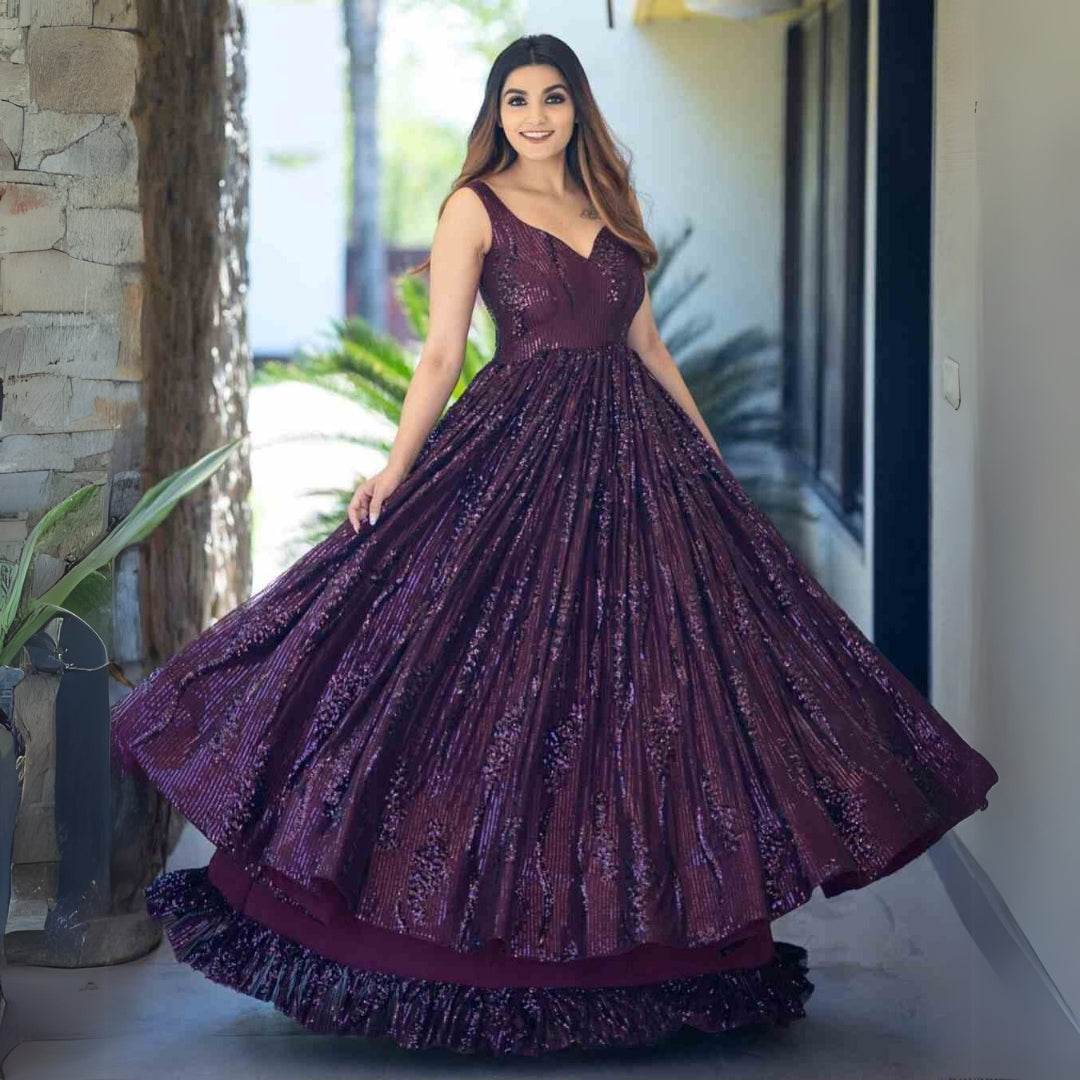
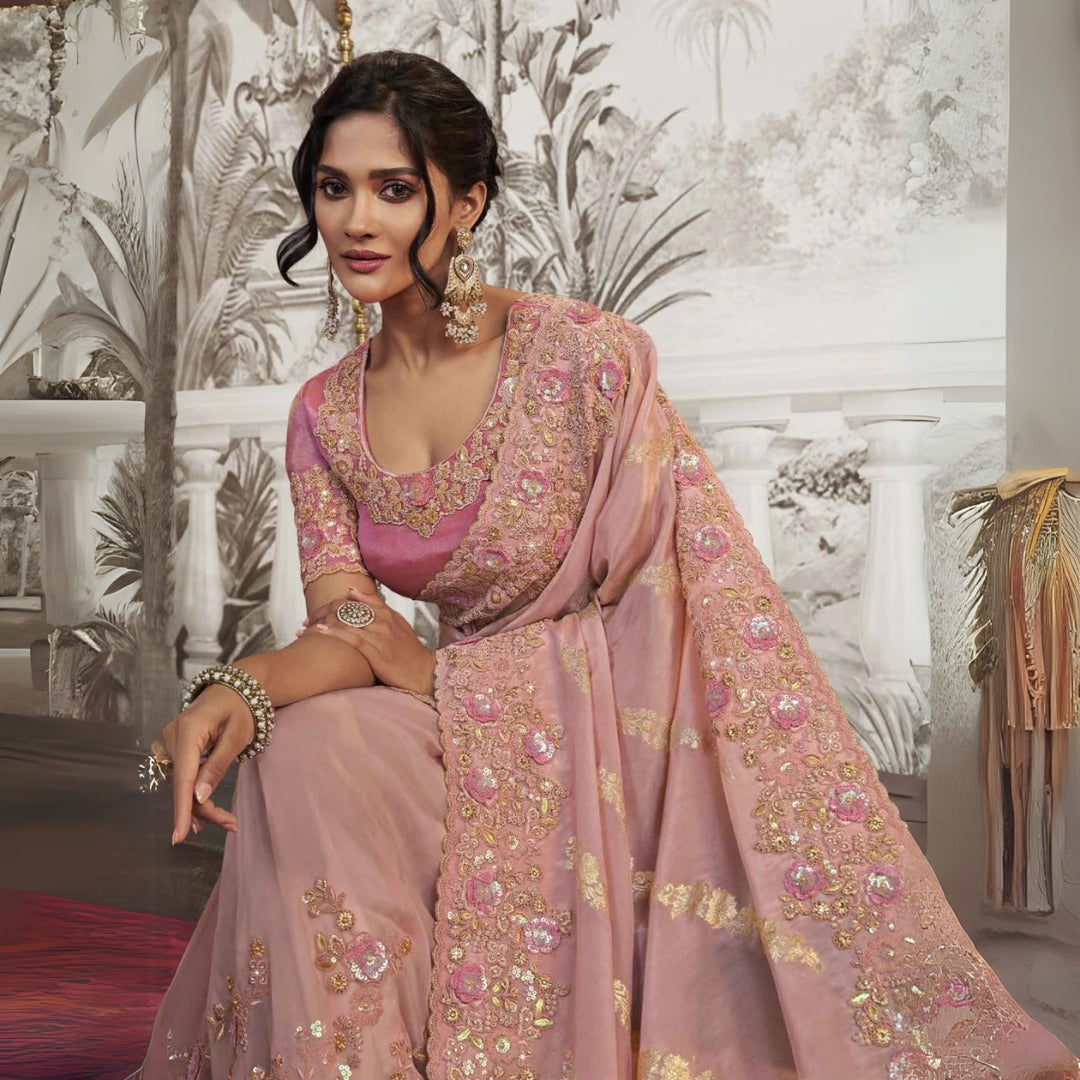
There’s a unique thrill in slipping into an organza saree — the gentle rustle, the ethereal sheen, the way the fabric holds its sculpted form and becomes a statement. For many, an organza saree is not just clothing; it’s an heirloom in the making, a treasured piece that captures celebrations, memories and identity. But organza demands careful love. Left unchecked, its crispness softens and the delicate surface gathers wrinkles that dull its luminous beauty. This guide unlocks trusted, practical methods to keep your organza sarees stiff, pristine and ready to turn heads at every event.
Understanding Organza: What Makes It Special
What is organza fabric?
Organza is a semi-sheer, fine plain weave fabric traditionally made from silk and now also from blends and synthetics. Its strength and lightness come from tightly twisted yarns and a crisp finish that creates structured silhouettes. That signature stiffness and airy translucence are why organza is beloved in luxury sarees, gowns and couture overlays.
Why organza feels stiff and why it loses structure
The stiffness of organza comes from the yarn twist, weaving technique and finish treatments like sizing or starch. Over time, natural oils from skin, humidity, washing without the right care and mechanical friction can soften the finish. Repeated bending, heavy embellishments and incorrect storage lead to creases and a loss of body. Understanding these causes helps you prevent damage before it happens.
Daily Handling: Gentle Habits That Preserve Stiffness
Wear with intention
- Limit heavy jewelry that can snag threads or pull the weave.
- Avoid prolonged contact with perfumes, deodorants and hair sprays which can soften finishes and cause spots.
- When draping, use clean hands to prevent oil transfer; consider a quick, gentle talc dusting on palms for frequent drapers.
Quick in-event fixes
- Carry a small lint roller to remove dust and loose fibers without rubbing.
- Use a shawl or wrap to shield the saree when seated or during travel to reduce friction.
Washing and Cleaning: Best Practices for Organza Saree Maintenance
Hand wash vs dry clean — which to choose?
Dry cleaning is the safest option for most silk organza sarees, especially those with embroidery, zari or delicate dyes. However, lightweight plain organza can be hand washed with strict care. Choose the method based on embellishment, fabric composition and your comfort with handling delicate textiles.
Hand-washing method for organza
- Use cool or lukewarm water; never hot water which can relax fibers.
- Select a mild pH-neutral detergent or dedicated silk wash. Avoid bleach, strong detergents and fabric softeners.
- Gently swish the saree without rubbing. Do not wring, twist or scrub embroidered areas.
- Rinse thoroughly in cool water until suds are gone to prevent residue that can attract dirt or stiffness loss.
Spot cleaning and stain removal
Tackle stains immediately. Blot liquids with a clean cloth — do not rub. For oil or perfume spots, sprinkling a small amount of cornstarch to absorb oil, then brushing gently and rinsing can help. Always test any cleaning method on an inconspicuous area first.
Drying Right: Techniques to Retain Body and Avoid Wrinkles
How to dry organza after washing
- Do not tumble dry. Heat and tumbling will crush delicate yarns and remove crispness.
- Lay the saree flat on a clean towel, roll gently to remove excess water without wringing, then unroll and lay flat to air dry away from direct sunlight to prevent fading.
- Alternatively, hang the saree on a padded hanger with a cloth cover to keep its shape, but ensure even weight distribution to prevent stretch marks.
Maintaining stiffness during drying
If your organza originally had a crisp finish (often achieved with sizing), mild starching after drying can restore body. Use a light, diluted starch spray designed for delicate fabrics or a professional fabric sizing product. Apply sparingly and evenly, then steam-press gently. Over-starching can make the fabric brittle, so moderation is key.
Starching and Sizing: Restoring and Enhancing Structure
When and why to use starch
Starch adds temporary firmness and helps maintain pleats and drape. Use starch when you need the saree to hold sculpted shapes for events, but avoid repeated heavy starching which weakens fibers. For heirloom pieces, prefer professional sizing services that use fabric-friendly formulations.
How to starch organza safely at home
- Choose a light spray starch or dilute liquid starch to a weak solution.
- Test a small margin first to ensure no discoloration or stiffness beyond expectation.
- Spray evenly from a distance, allow to air for a minute, then steam iron on the reverse side through a thin cotton cloth to set the finish.
Ironing and Pressing: Techniques for a Wrinkle-Free Organza Saree
Steaming vs ironing
Steaming is often the gentlest approach for organza; it relaxes fibers and removes wrinkles without direct pressure. An iron can be used but always at the lowest heat suitable for silk or delicate synthetics, and ideally through a protective cloth.
Step-by-step ironing guide
- Set iron to the silk or delicate setting and allow it to heat fully.
- Lay the saree flat on a padded surface. Place a clean, thin cotton cloth over the area to be pressed.
- Press lightly and avoid dragging the iron across the fabric to prevent stretching and shine. Lift and place instead.
- Use steam sparingly. Too much moisture followed by heat can soften sizing excessively.
Storage: Long-Term Care to Preserve Stiffness and Prevent Wrinkles
Folding vs hanging
Proper storage prevents creases and preserves weightless stiffness. For short-term storage (weeks to a few months), hang organza sarees on padded hangers with wide shoulders. For long-term safekeeping, fold carefully with acid-free tissue paper between folds to prevent sharp creases and avoid storing in plastic which traps moisture.
Best storage environment
- Cool, dry and dark spaces reduce yellowing and humidity-related softening.
- Use breathable cotton storage bags or muslin cloth covers. Avoid plastic zip bags that encourage moisture and mildew.
- Refold periodically to avoid permanent fold lines and rotate hanging position to reduce strain on any one area.
Quick Travel and Last-Minute Event Tips
Packing organza for travel
- Lay the saree flat and interleave each fold with tissue paper to prevent deep creasing.
- Carry a portable steamer or travel-sized starch spray and a soft travel ironing mat for last-minute touch-ups.
- Store in a garment bag or a dedicated compartment in your luggage to minimize movement and friction.
Emergency de-wrinkling
If creases appear, hang the saree in a steamy bathroom for 10–15 minutes; the steam will relax fibers and make gentle smoothing effective. For stubborn folds, a low-steam handheld steamer used at a safe distance restores shape without direct contact.
When to Seek Professional Care
Signs your organza needs expert attention
- Stiffness lost despite careful washing and restarching.
- Complex embellishments or beading that make home cleaning risky.
- Delicate antique or high-value heirloom sarees where every treatment must be reversible and preservation-grade.
Choosing the right professional
Look for textile conservators or high-end dry cleaners experienced with silk and couture garments. Ask about their cleaning solvents, low-impact pressing techniques and how they treat sizing and finishes. A trusted professional will preserve texture and color while restoring structure.
Common Mistakes to Avoid
- Using hot water or harsh detergents which destroy sizing and silk fibers.
- Wringing or twisting — this causes permanent distortions and can break yarns.
- Over-starching repeatedly — it may make the fabric brittle and prone to cracking.
- Storing in plastic or in humid spaces — this invites yellowing and mildew.
Real Stories: How Care Revived a Cherished Saree
A client once brought an organza saree that had softened after years of being tucked away in a closet. The saree had sentimental value — it had draped a beloved grandmother at countless family celebrations. Using gentle hand-cleaning, light professional sizing and careful pressing through cotton interlining, the saree regained its luminous sheen and structured pleats. Seeing it revived, the client wept with joy — a reminder that careful maintenance returns not just beauty but memories and legacy.
Conclusion
Organza sarees reward thoughtful care. With the right handling, washing, drying, subtle starching and storage, you can keep their celestial stiffness and keep them wrinkle-free for decades. Treat each saree like the precious, emotional investment it is — a piece that holds stories, celebrations and traditions — and it will remain a timeless centerpiece in your wardrobe.
Ready to invest in organza that inspires careful devotion? Explore Shreekama’s exquisite organza collection and discover sarees crafted to hold memories and turn moments into art. Visit our exclusive organza collection and find the piece that will become part of your story: https://www.shreekama.com/collections/sarees
Frequently Asked Questions (FAQ)
How do I keep my organza saree stiff without damaging the fabric?
Light, even sizing or a diluted starch spray applied sparingly will temporarily restore stiffness. Always test on a discreet area first and use a steam-press through a thin cotton cloth. Avoid heavy or repeated starching which can make the fabric brittle.
Can I machine wash an organza saree?
Machine washing is not recommended for silk organza or embellished sarees. Some synthetic organzas may tolerate a very gentle machine cycle inside a laundry bag, but hand washing or professional dry cleaning is safer to maintain structure and prevent damage.
Is steaming safe for organza? How close can the steamer be?
Steaming is one of the safest ways to remove wrinkles. Keep the steamer at least 6–8 inches away and move continuously to avoid over-wetting. For silk organza, use low steam settings and test a small section first.
What is the best way to store organza sarees long-term?
Store organza in a cool, dry, dark place using breathable bags like muslin or cotton. Interleave folds with acid-free tissue paper and refold periodically to avoid permanent crease lines. Avoid plastic covers and humid environments.
How often should I re-size or starch my organza saree?
Re-starching is event-driven rather than routine. Apply light sizing before special occasions when you need the saree to hold shape. For regular storage, avoid frequent starching to preserve fabric integrity.
What should I do if my saree has oil or perfume stains?
Blot immediately with a clean cloth. For oil, sprinkle cornstarch to absorb excess before brushing gently and spot cleaning with mild detergent. For difficult stains, consult a professional cleaner experienced with delicate silks.
Can embroidered organza sarees be restored at home?
Embellished sarees are best handled by professionals. Home interventions can loosen threads, tarnish zari and damage beadwork. For light surface dust, use a soft brush or low-pressure vacuum attachment with a protective cloth barrier.