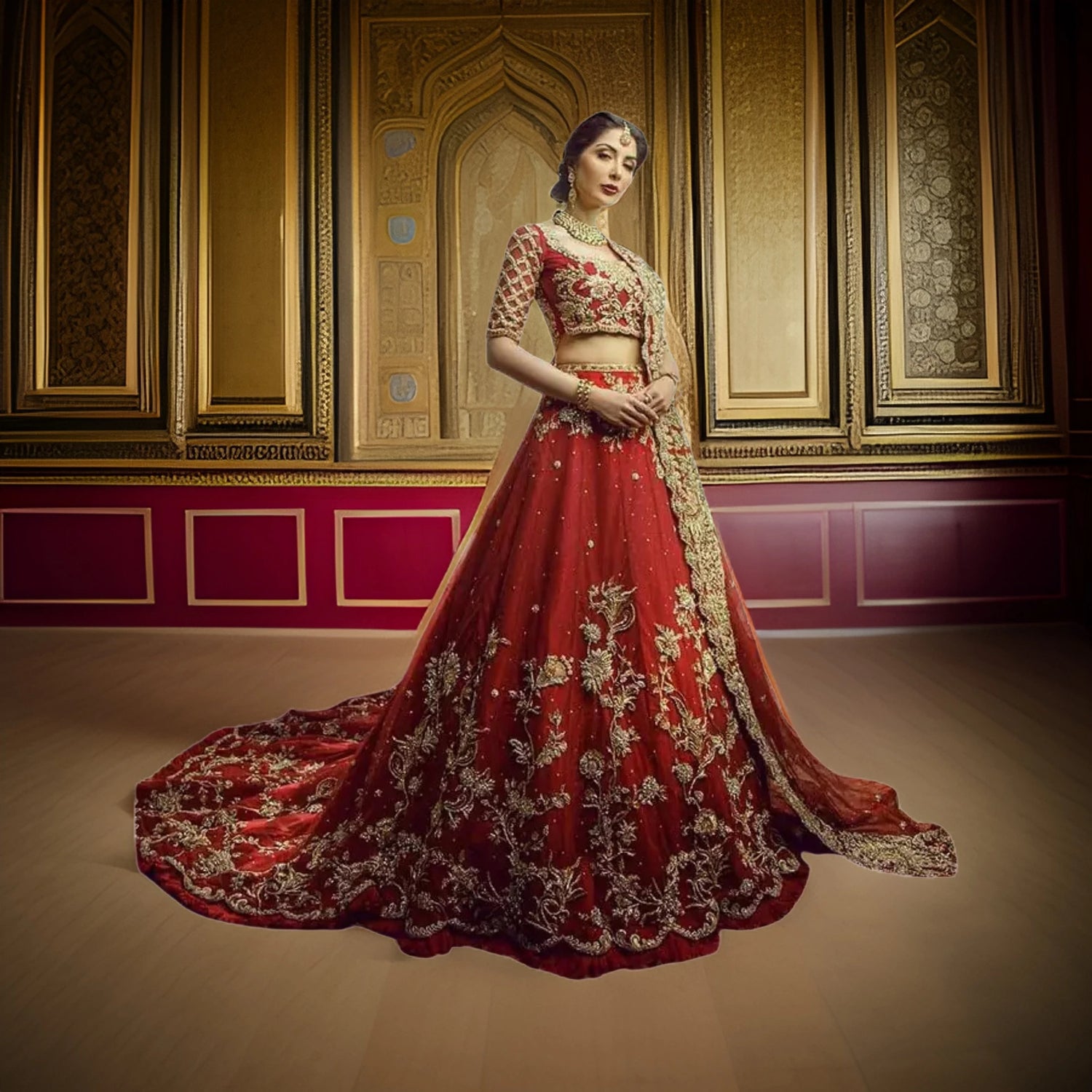
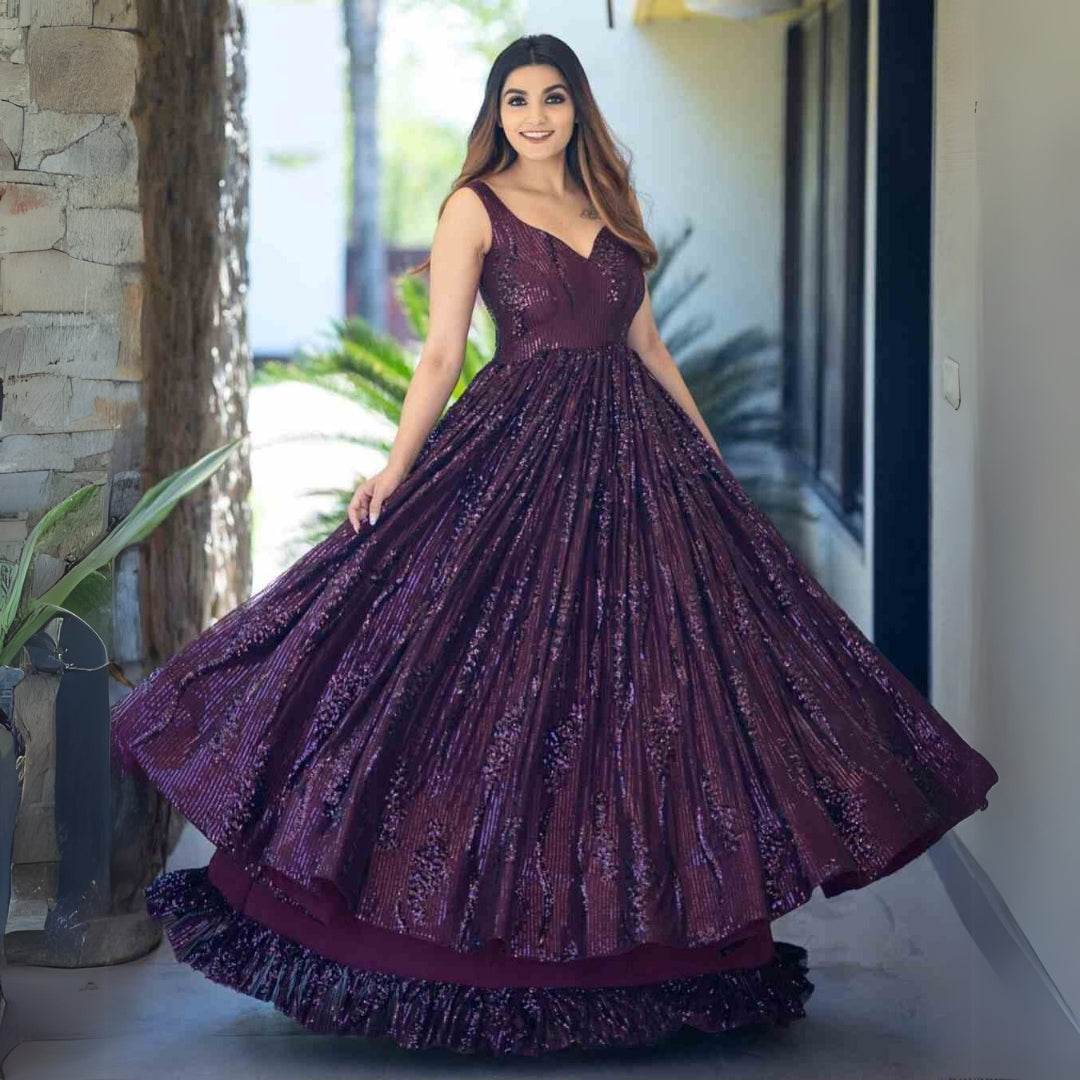
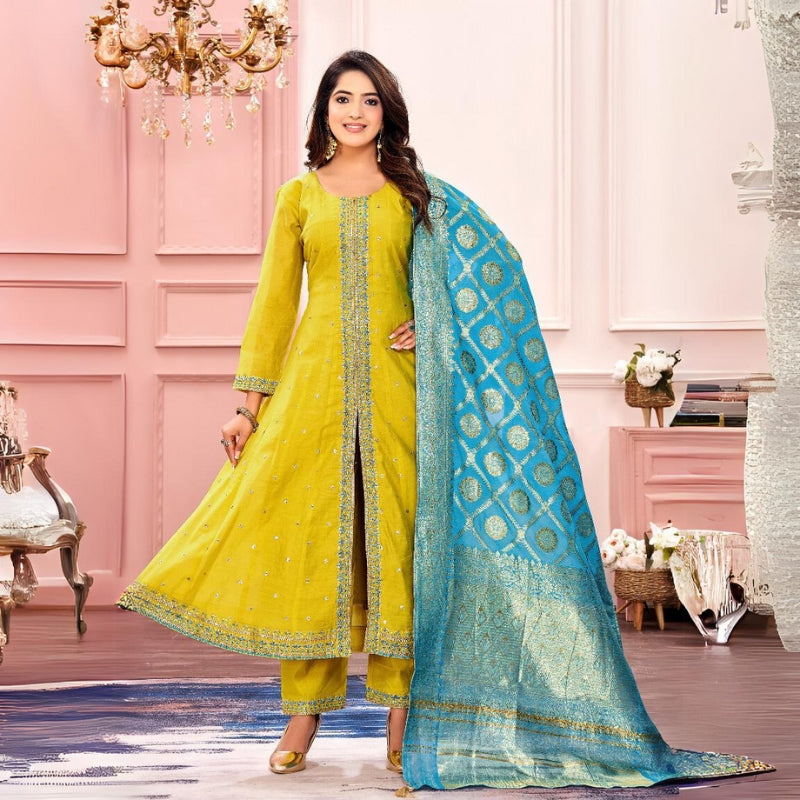
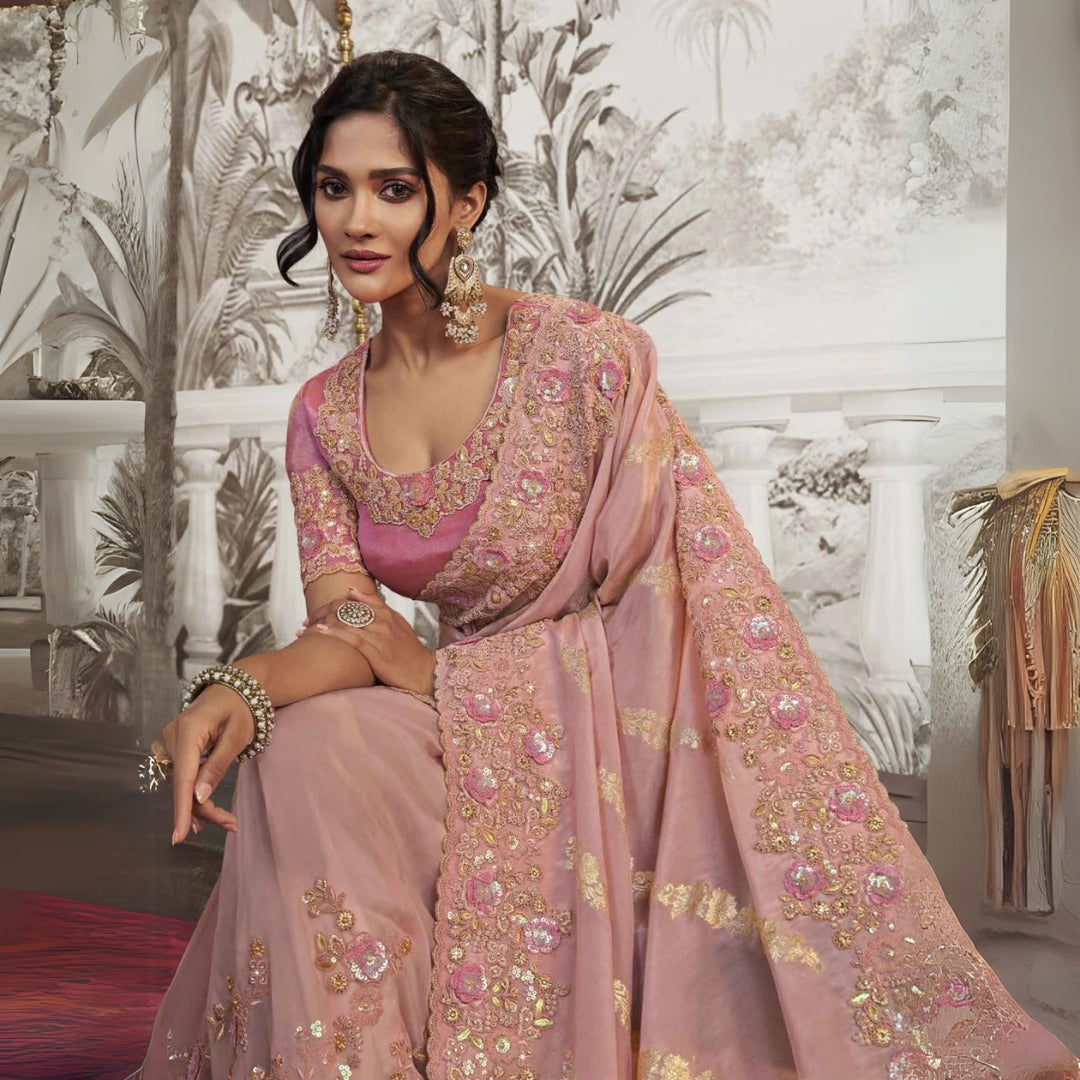
Monsoon weddings are cinematic, drenched in romance and dramatic skies, but they also demand thoughtful wardrobe decisions. One wrong fabric choice can turn a picture-perfect lehenga into a soggy, heavy regret. For brides, guests, and designers who treasure elegance without compromise, knowing which materials to avoid and which to embrace is essential. This guide blends practical wisdom with luxury sensibility to help you navigate monsoon wedding fashion confidently — and stylishly.
Why fabric choice matters for monsoon weddings
The monsoon brings humidity, sudden showers, and wet ground — factors that change how fabrics behave. Fabrics respond differently to moisture: some cling, some stain, some become heavier, and some lose their luxurious sheen. Choosing the right textile preserves the silhouette, protects embellishments, and keeps you comfortable during long ceremonies and impromptu rain-kissed photo shoots.
Immediate risks of wrong fabric choices
- Weight gain: Wet fabrics can double in weight, pulling down hemlines and straining seams.
- Transparency and clinging: Some lightweight materials turn semi-transparent or cling to the body when wet.
- Staining and discoloration: Water spots and runoff dyes can damage delicate surfaces and metallic embroidery.
- Slow drying and discomfort: Fabrics that trap moisture keep you cold and uncomfortable during evening rituals.
Fabrics to avoid in the rain — clear, actionable advice
For a flawless monsoon wedding look, steer clear of materials that amplify risk. Below are the most common problem fabrics and why they’re best left off your shopping list when showers are likely.
Pure silk and lightweight silks (e.g., dupioni, raw silk)
Why avoid: Pure silk is beautiful but unforgiving in the rain. Water spots and uneven sheen are common, and silk often requires professional dry cleaning after exposure to moisture. Lightweight silks lose structure and can show blotchy water marks.
Velvet
Why avoid: Velvet absorbs water, becomes heavy, and takes a long time to dry. The pile may flatten or mat, ruining the plush luxury look that makes velvet so desirable.
Satin and high-gloss finishes
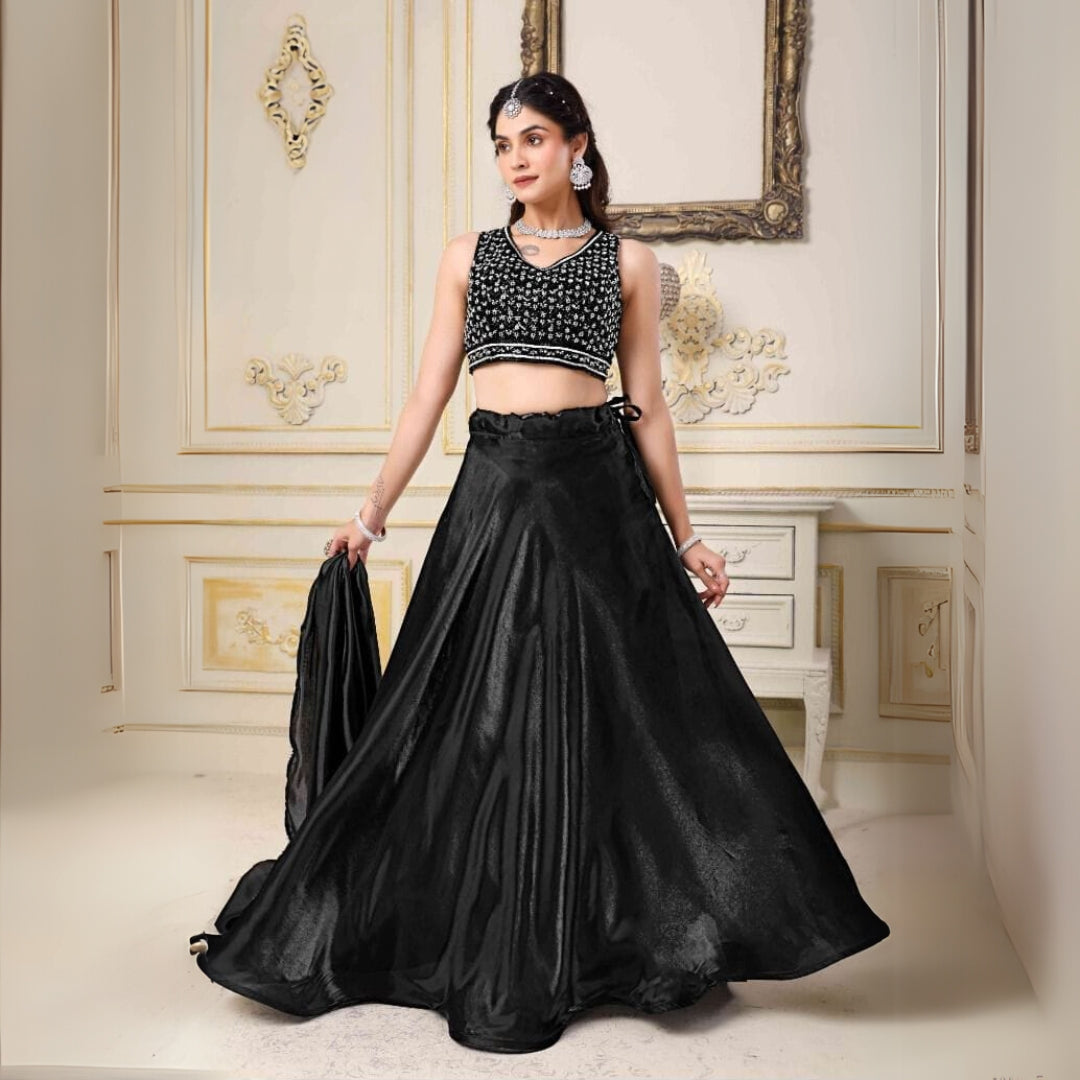
Why avoid: Satin shows water marks and wrinkles easily. When wet, satin can cling or reveal underlayers, causing unflattering transparency and a loss of the fabric’s smooth drape.
Chiffon and delicate sheer fabrics
Why avoid: Chiffon becomes clingy when wet and often turns almost transparent. Its delicate weave also snags easily in crowded ceremonies or when brushing against wet foliage.
Net and tulle heavy with embellishment
Why avoid: While netted layers add dreamlike volume, they can trap water and mud, and heavy embroidery or sequins can rust or lose luster. The combined weight of wet net and embellishment can be uncomfortable and strain seams.
Brocade and heavy embroidered silks
Why avoid: Brocade is luxurious but heavy. In rain, brocade will absorb moisture and grow heavier, making movement difficult. Metal thread embroidery may tarnish or corrode if exposed to prolonged dampness.
Leather accents and metallics
Why avoid: Leather trims and metallic finishes can warp, discolor, or peel when wet. These details demand extreme care and are impractical for outdoor monsoon events.
Quick answers for featured snippets and voice search
What fabrics should you not wear to a monsoon wedding?
Avoid pure silk, velvet, satin, chiffon, heavy brocade, delicate net with heavy embellishment, and leather accents — all of which soak, stain, or become heavy in rain.
Is chiffon bad for rainy-day weddings?
Yes — chiffon can cling and become semi-transparent when wet, so it’s best avoided or layered over a water-resistant lining.
Monsoon-friendly fabrics that keep luxury intact
Rejecting certain fabrics doesn’t mean sacrificing elegance. These alternatives combine practicality with opulence — perfect for brides and guests who want couture quality without the worry of weather.
Cotton-silk blends and luxe cottons
Why choose: Cotton-silk blends offer breathability and a subtle silk sheen, drying faster and resisting visible water marks. Pure high-quality cottons and mulberry cottons provide comfort and structure, ideal for daytime rituals and garden venues.
Georgette and matte crepe (blended or high-quality)
Why choose: Georgette has a textured surface that disguises water spots and dries relatively quickly. Crepe offers a refined drape and is less likely to cling when damp. Opt for blends with viscose or stretch fibers for durability and comfort.
Silk blends and tussar blends
Why choose: Silk blends with synthetic fibers or tussar blends maintain an elegant surface while minimizing the staining and sheer risks of pure silk. These blends strike a balance between luxury and practicality.
Microfiber and high-quality synthetic blends
Why choose: Modern synthetic blends can replicate the sheen and drape of luxury fabrics while being water-resistant, quick-drying, and lightweight. They make thoughtful choices for decorated lehengas and structured silhouettes.
Double-layered fabrics with moisture-wicking liners
Why choose: A water-repellent outer layer combined with a moisture-wicking cotton or modal lining keeps you dry and comfortable. Linings protect delicate outer textiles and preserve embroidery and embellishments.
Design and styling tips to beat the rain — practical luxury
Beyond fabric choice, intelligent design decisions protect your outfit and amplify comfort. These styling moves keep your look impeccable while embracing the romance of a monsoon celebration.
Choose shorter hemlines and tailored silhouettes
Short hem lehengas or cropped silhouettes avoid mud-splattered hems and reduce contact with wet ground. A shorter lehenga lends modern flair and is easier to move in — ideal for dance-filled receptions and muddy outdoor venues.
Opt for lighter embroidery and non-metallic embellishments
Prefer glass beads, fabric embroidery, and lightweight sequins over heavy metalwork. These embellishments are less likely to tarnish and remain manageable if they get damp.
Use protective inner linings and interfacings
Water-repellent interfacings and quick-dry inner linings act as invisible guardians, protecting delicate outer fabrics and preserving the silhouette even if the outer layer gets wet.
Add a detachable overskirt or jacket
A detachable jacket or cape in a water-friendly fabric provides instant protection during rain and can be removed for photos or indoor celebrations, offering versatility and drama.
Tailor footwear and accessories
- Choose block heels or stylish platform juttis to avoid sinking into soft ground.
- Use clear or protective petticoats to guard hems from mud.
- Invest in a high-quality umbrella or a transparent rain cape that complements your look.
Care and emergency fixes if your lehenga gets wet
Even with the best planning, rain can surprise you. Quick, calm action preserves your garment and prevents long-term damage.
Immediate steps
- Shake off excess water gently — do not wring or rub. Rubbing can spread stains and damage embellishments.
- Pat damp areas with a clean, absorbent cloth. Blotting removes moisture without stressing fibers.
- Air-dry flat or on a mannequin away from direct heat and sunlight to prevent warping and color shifts.
Stain care and professional cleaning
- Address visible water stains quickly; some fabrics may show mineral marks after drying and benefit from gentle steam cleaning by professionals.
- For heavy embroidery or metallic thread, consult a trusted couture dry cleaner who understands delicate Indian garments.
How Shreekama approaches monsoon couture
At Shreekama, we craft every lehenga with a deep understanding of Indian celebrations and climatic realities. Our luxury collections blend traditional craftsmanship with modern textile innovation: silk blends with protective linings, lightweight georgette overlays, and thoughtfully placed embellishments that withstand humidity and surprise showers. We design for the emotional heartbeat of a wedding — confident, radiant, and worry-free.
Why bespoke or couture matters in the monsoon
Bespoke tailoring allows fabric choices, linings, and silhouettes tailored to the venue and weather. A hand-stitched hem, reinforced seams, and the right lining can make the difference between a ruined outfit and a rain-kissed memory captured in stunning portraits.
Packing checklist for a stress-free monsoon wedding look
- Short hem lehenga or ability to switch to a shorter skirt for outdoor ceremonies
- Water-repellent liner or detachable overskirt
- Compact umbrella in a style that complements your outfit
- Absorbent cloths and a small sewing kit for emergency fixes
- Protective shoe covers and spare juttis or block heels
- Silica gel packets and a breathable garment bag for transport
Persuasive closing: embrace the rain with confidence
Monsoon weddings are poetic — the rain writes its own romance into every photograph and memory. Choosing the right fabric and design ensures your lehenga remains a statement of luxury and confidence, not a logistical headache. With careful selection, quick-thinking styling, and a few practical accessories, you can step into a shower and emerge luminous, untouched in spirit and style.
Elevate your monsoon wedding wardrobe with curated pieces designed for elegance and resilience. Explore Shreekama’s exclusive lehenga collection crafted for weather-savvy luxury and unforgettable photography. Visit our collection to find the perfect rain-ready lehenga: https://www.shreekama.com/collections/lehengas
FAQ — Short Hem Lehenga queries (voice search optimized)
What is a short hem lehenga?
A short hem lehenga is a skirt-length variation that sits above the ankle or mid-calf, designed for mobility and modern styling. It is ideal for movement, dance, and venues with uneven or wet ground.
Are short hem lehengas suitable for monsoon weddings?
Yes. Short hem lehengas reduce contact with mud and puddles, dry faster, and are easier to pair with practical footwear, making them an excellent monsoon choice.
Which fabrics work best for a short hem lehenga in rain?
Choose georgette blends, crepe, cotton-silk blends, and synthetic blends with a quality lining. These fabrics balance elegance with quick drying and low transparency when damp.
How do I style a short hem lehenga for a formal wedding?
Pair it with a tailored blouse and a lightweight cape or jacket. Use elegant juttis or block heels, and add minimal, moisture-resistant jewelry. A sheer dupatta trimmed with fabric embroidery can complete the look without risking heavy, wet drapes.
Can I add protective linings to a short hem lehenga?
Absolutely. Adding a water-repellent or moisture-wicking lining preserves the outer fabric and keeps you comfortable. Ask your tailor for a breathable inner fabric that won’t change the silhouette.
How to care for a short hem lehenga after it gets wet?
Blot excess moisture, reshape and air-dry flat, and seek professional cleaning for heavy embellishment. Avoid direct heat and do not rub stains aggressively.
Where can I buy monsoon-friendly short hem lehengas?
Choose luxury designers who offer fabric consultation and couture tailoring. Explore curated collections that highlight weather-friendly textiles and couture finishes for best results.
Ready to find the perfect monsoon-ready lehenga that blends luxury with practicality? Discover Shreekama’s thoughtfully designed lehengas here: https://www.shreekama.com/collections/lehengas