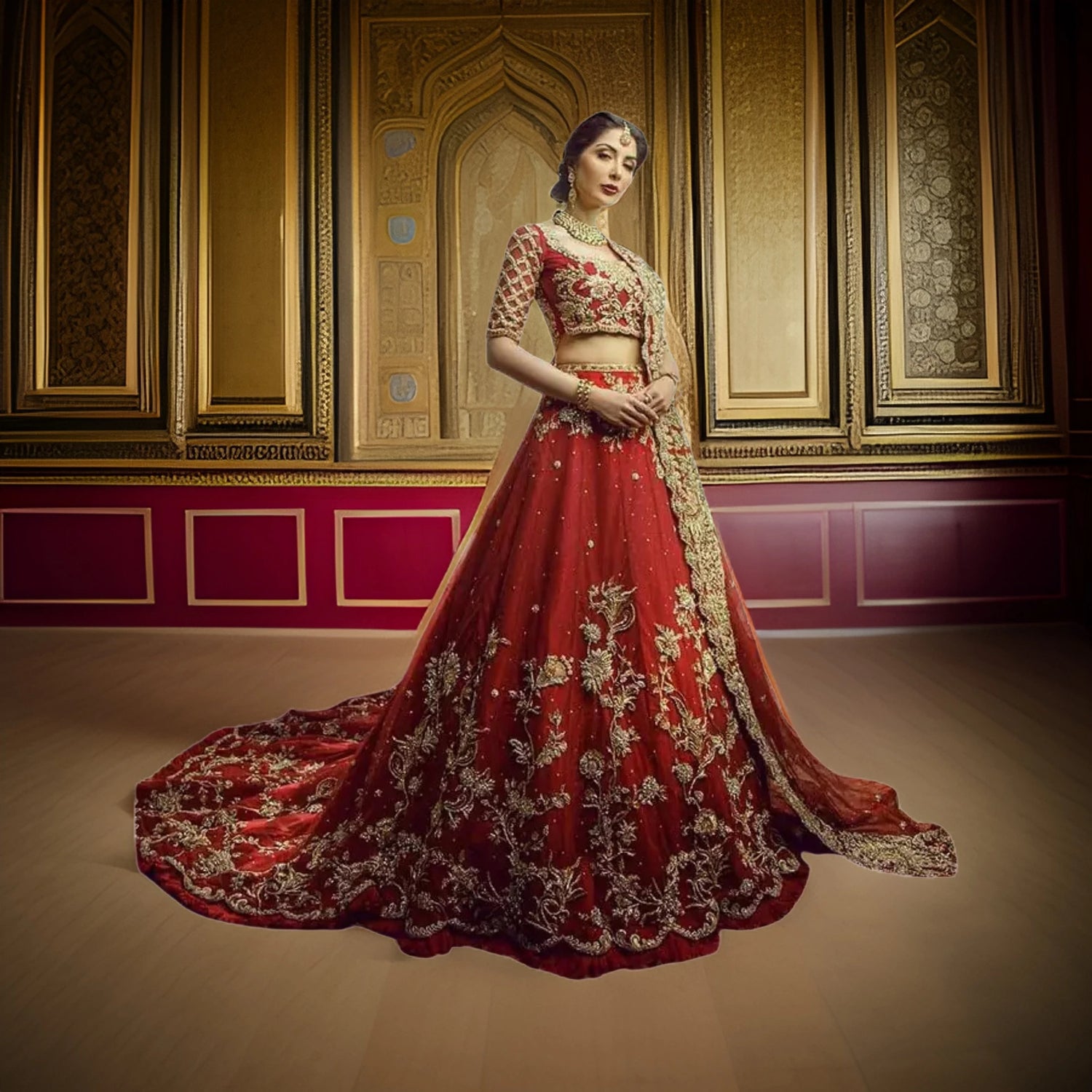
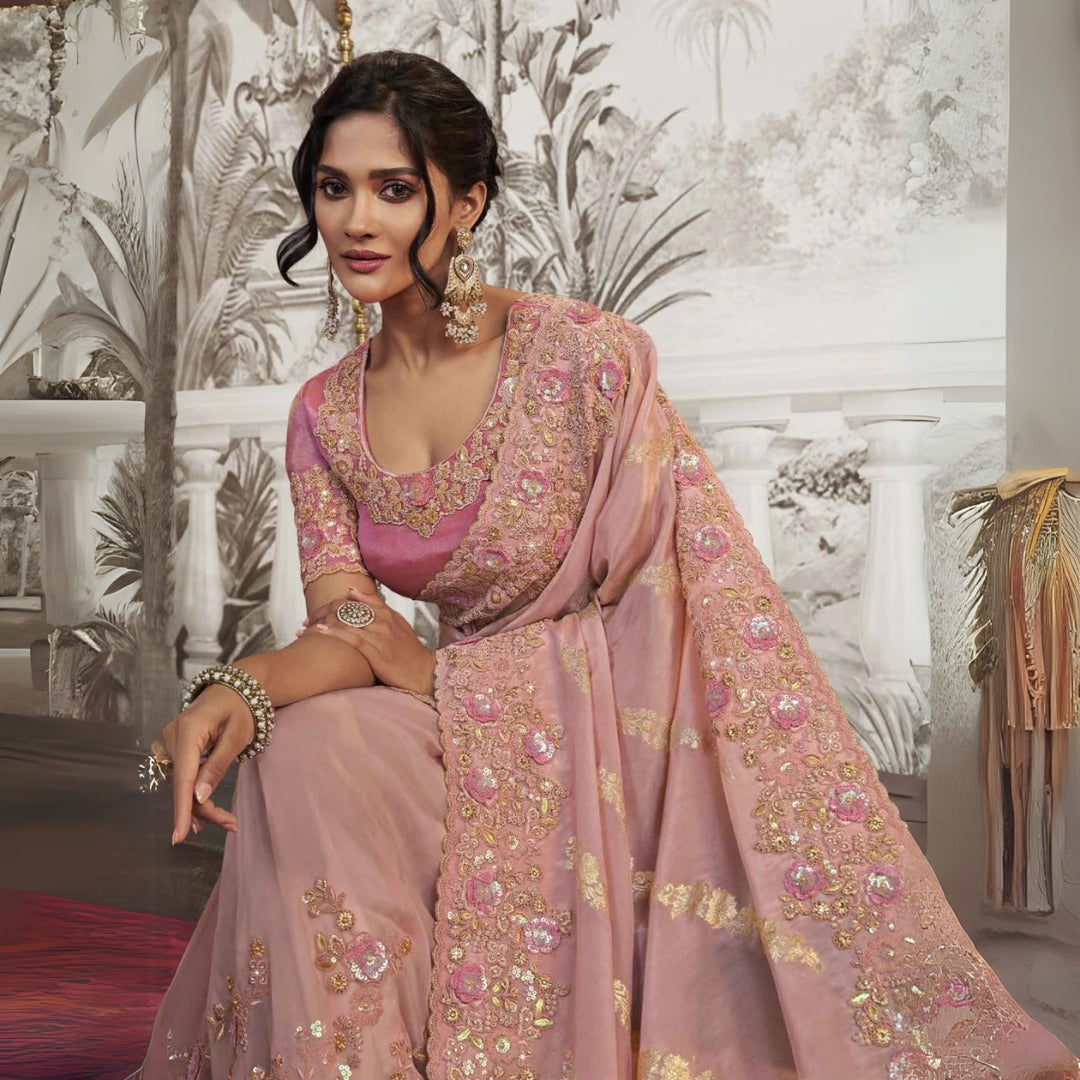
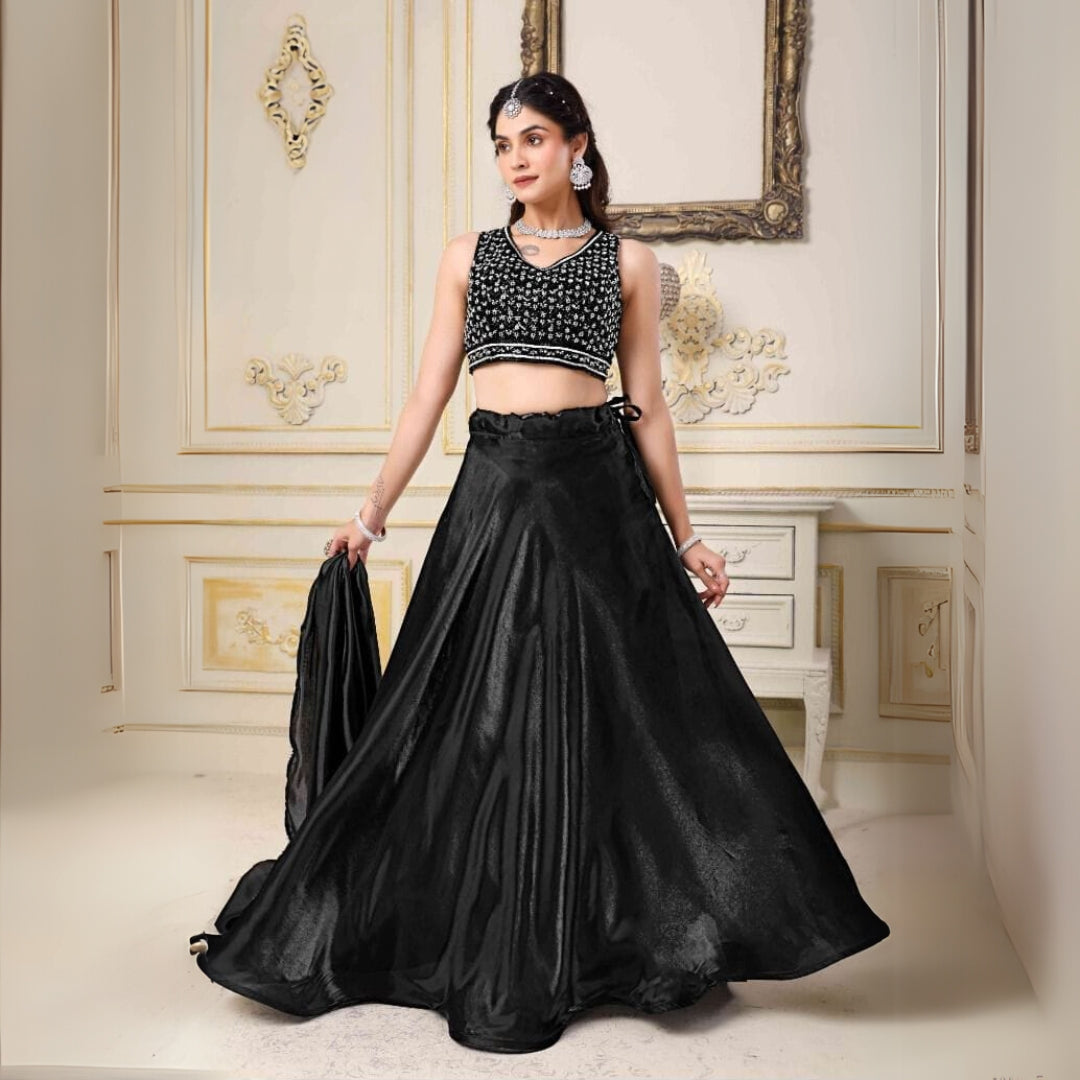
There’s a quiet magic in the first moment you slip into a Mekhela Chador: the soft whisper of silk, the tapestry of handwoven motifs, and the graceful silhouette that tells a story of heritage and artistry. For many, this Assamese traditional dress is more than clothing — it’s an expression of identity, a celebration of craftsmanship, and a canvas for personal style. Whether you’re a first-time wearer curious about how to wear a Mekhela Chador or a fashion enthusiast looking to modernize an heirloom piece, this guide from Shreekama will walk you through every detail with clarity, elegance, and practical tips.
What is a Mekhela Chador? A simple answer
The Mekhela Chador, also known as Mekhla Sador, is a two-piece outfit originating from Assam. It consists of:
- Mekhela: the cylindrical skirt draped from the waist
- Chador: the upper piece draped like a shawl across the torso
- An inner blouse or fitted top that completes the silhouette
This ensemble showcases exquisite handloom silk, geometric motifs, and floral borders that reflect Assamese culture. Learning how to drape the Mekhela Chador unlocks a versatile wardrobe piece perfect for traditional ceremonies, contemporary events, and luxury fashion statements.
Why choose Mekhela Chador? Emotional and style reasons
Wearing a Mekhela Chador is a tactile connection to legacy. The handwoven textiles, often crafted by skilled weavers, carry generational stories. At Shreekama, we blend this heritage with couture sensibility, offering pieces that feel personal and luxurious.
- Timeless elegance: A silhouette that flatters every body type.
- Craftsmanship: Handloom and silk options for a premium finish.
- Versatility: From ethnic ceremonies to red-carpet glamour.
Step-by-step: How to wear a Mekhela Chador (Draping guide)
Here is a step-by-step draping method designed for clarity and ease. Follow each step slowly until the process becomes second nature.
Step 1 — Prepare your foundation
- Wear a fitted blouse or a tailored inner top. Traditional blouses are short, but contemporary styles include crop tops, halters, or full sleeves.
- Secure a petticoat or drawstring waist skirt to anchor the Mekhela. Choose one that matches the Mekhela’s color for a seamless look.
Step 2 — Drape the Mekhela (the skirt)
- Tuck the plain edge of the Mekhela into the waist at the right side and wrap it around clockwise once.
- Adjust the length so it grazes your ankles—traditional elegance comes from the right fall.
- Start forming pleats at the front (usually three to five pleats). Make neat, even pleats and tuck them into the left side of your waist securely.
- Secure the top edge with a small safety pin inside to keep the pleats intact under movement.
Step 3 — Drape the Chador (the upper piece)
- Pick one end of the chador and tuck it at the center of your back at the waistline.
- Bring the chador over the left shoulder, letting it drape across the chest like a stole.
- Experiment with pleats or a single-band drape: a clean, single-band look reads modern; multiple pleats create a traditional, royal feel.
- Secure the chador on the shoulder with a decorative pin if needed, or tuck it into the belt at the waist for stability.
Step 4 — Final adjustments and finishing touches
- Check symmetry in the fall and pleats; even small tweaks elevate the entire look.
- Add a slender waist belt for a contemporary silhouette if you prefer structure.
- Ensure the chador’s border or motif is visible on the shoulder and hemline for visual balance.
Fabric choices: Silk, cotton, and beyond
Choosing the right fabric changes the drape, comfort, and occasion suitability.
Silk Mekhela Chador
Silk varieties like Muga, Pat, and Eri offer a luminous finish and regal fall. They’re ideal for weddings, festivals, and high-profile events. Silk holds pleats well and gives the signature luxurious silhouette.
Cotton and handloom options
For daytime events and casual elegance, cotton and blended handlooms are breathable and easy to maintain. They carry tribal motifs and subtle textures that resonate with contemporary minimalism.
Choosing the right weight
- Lightweight fabrics: Best for layered pleats and a flowing chador.
- Medium to heavy weight: Provide structure and hold dramatic borders well.
Blouse and blouse styles that complement Mekhela Chador
The blouse can transform traditional wear into a fashion statement. Consider these options:
- Classic short blouse with elbow sleeves for authentic charm.
- High-neck and full-sleeve blouses for formal sophistication.
- Crop tops, off-shoulder, or halter necks to modernize the look for cocktail hours.
- Layering with a fitted jacket or cape for winter weddings and editorial photoshoots.
Jewelry and accessories: Complement, don’t compete
Accessories should elevate the Mekhela Chador without stealing the spotlight. Here’s how to choose wisely:
Traditional jewelry
- Gold or gold-plated Assamese jewelry such as gold chokers and dangling earrings highlight the handloom’s warmth.
- Oxidized silver for a rustic, artsy vibe.
Modern accents
- Minimalist waist belts to define silhouette.
- Statement clutch and embellished sandals to finish the look.
Styling variations: Classic to contemporary
Mekhela Chador adapts to many styles. Here are creative ways to wear it for different occasions:
For weddings and ceremonies
- Opt for heavy silk with rich borders and a traditional short-sleeved blouse.
- Add layered gold jewelry and a brocade clutch.
For festivals and cultural events
- Choose vibrant handloom patterns. Pair with a gamosa-inspired sash or hair accessory to highlight Assamese pride.
For contemporary events and editorials
- Experiment with asymmetric drapes, belts, and modern blouses to create fashion-forward silhouettes.
- Mix textures: pair a silk mekhela with a lace chador or an embroidered blouse for contrast.
Practical care tips to preserve your Mekhela Chador
Handloom and silk deserve gentle love. Follow these tips to keep your Mekhela Chador radiant:
- Dry clean silk and ornate handloom pieces to protect colour and weave.
- Store wrapped in muslin or cotton cloth to avoid moisture and insect damage.
- Avoid direct sunlight when drying to prevent fading; air in shade instead.
- Use a low-heat iron with a cloth barrier, or steam to remove creases without flattening the weave.
Buying guide: How to choose an authentic Mekhela Chador
Buying a Mekhela Chador is an investment in heritage. Look for these markers of authenticity and quality:
- Handloom tag or artisan certification showing traditional weaving techniques.
- Close inspection of motifs and borders — handwoven pieces have slight irregularities that signal authenticity.
- High-quality silk like Muga or Pat for longevity and rich texture.
- Reputable brands and stores that support artisan communities and provide clear fabric composition details.
Why Shreekama? A promise of luxury and authenticity
At Shreekama, we honor the legacy of Assamese textiles by curating Mekhela Chador collections that combine authentic handloom techniques with luxury finishes. Each piece is crafted to feel personal, empowering you to wear heritage with confidence. Our designers collaborate with skilled weavers to preserve traditional motifs while offering modern fits for today’s discerning fashion connoisseur.
Quick tips for first-time wearers (People Also Ask friendly answers)
How do I make the Mekhela pleats neat?
Make small, even pleats and secure them with a safety pin inside the waist. Using a lightweight petticoat with a drawstring helps keep pleats in place.
Can I wear a belt with Mekhela Chador?
Yes. A slim metallic or fabric belt modernizes the silhouette and prevents the chador from slipping, but keep it subtle so the handloom motifs remain the star.
Is a blouse necessary with Mekhela Chador?
Yes, a fitted blouse or inner top forms the base layer and completes the traditional look. Choose styles that complement your chador for comfort and style.
Real-life styling story: From heirloom to runway-ready
Imagine a mother passing down a handwoven Mekhela Chador to her daughter. The fabric carries decades of celebrations, births, and quiet afternoons. At a modern wedding, the daughter pairs the heirloom mekhela with a chic silk blouse and a contemporary belt. Photographers capture the blend of past and present — a living testament that tradition can be reinvented without losing its soul. This is the spirit Shreekama strives to evoke: heritage that resonates with modern identity.
FAQ: Common Mekhela Chador questions (Optimized for voice search)
What is the difference between a Mekhela and a saree?
The Mekhela Chador is a two-piece Assamese outfit with a cylindrical skirt (mekhela) and a shawl-like chador. A saree is a single long piece draped around the body. Mekhela draping results in a distinct silhouette and ease of movement compared to the single-piece saree.
How long should the Mekhela be?
The Mekhela is typically ankle-length for graceful movement. Adjust the length based on your height and the footwear you plan to wear; it should allow comfortable walking while showcasing the border.
Can I wash a silk Mekhela Chador at home?
It’s best to dry clean silk Mekhela Chadors and intricate handloom pieces to protect the fibers, colors, and motifs. For simple cotton handlooms, gentle hand wash in mild detergent and air-drying in shade works well.
How do I modernize an old Mekhela Chador?
Modernize with a contemporary blouse (off-shoulder, halter, or crop), add a slim belt, and pair with statement shoes. You can also tailor the chador’s drape for asymmetric or cape-like styles.
Where can I buy authentic Mekhela Chador?
Look for reputable boutiques and platforms that collaborate with Assamese weavers and provide clear fabric details. Shreekama offers curated collections of authentic handloom Mekhela Chadors, blending tradition and luxury.
Final thoughts: Wear heritage with confidence
Learning how to wear a Mekhela Chador is an invitation to celebrate craftsmanship and personal style. Whether you favor a classic drape, a modern twist, or a bespoke fusion, the Mekhela Chador promises elegance that resonates across generations. Embrace the tactile joy of handloom silk, the narrative in each motif, and the transformative power of a perfectly draped chador.
Ready to experience the elegance firsthand? Explore our exclusive Mekhela Chador collection and discover heirloom-quality pieces designed for the modern wardrobe. Visit Shreekama’s curated selection now: https://www.shreekama.com/collections/traditional-saree