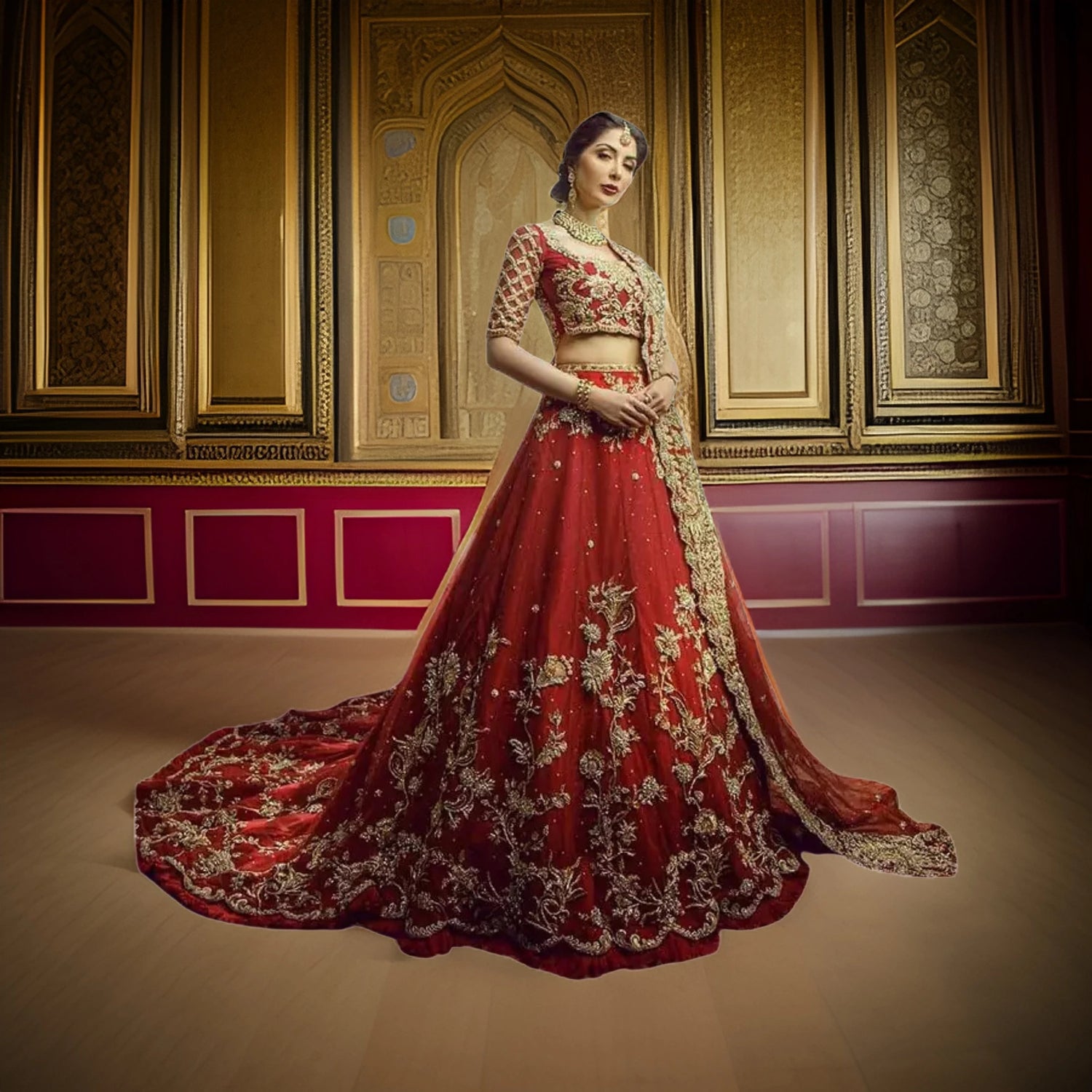
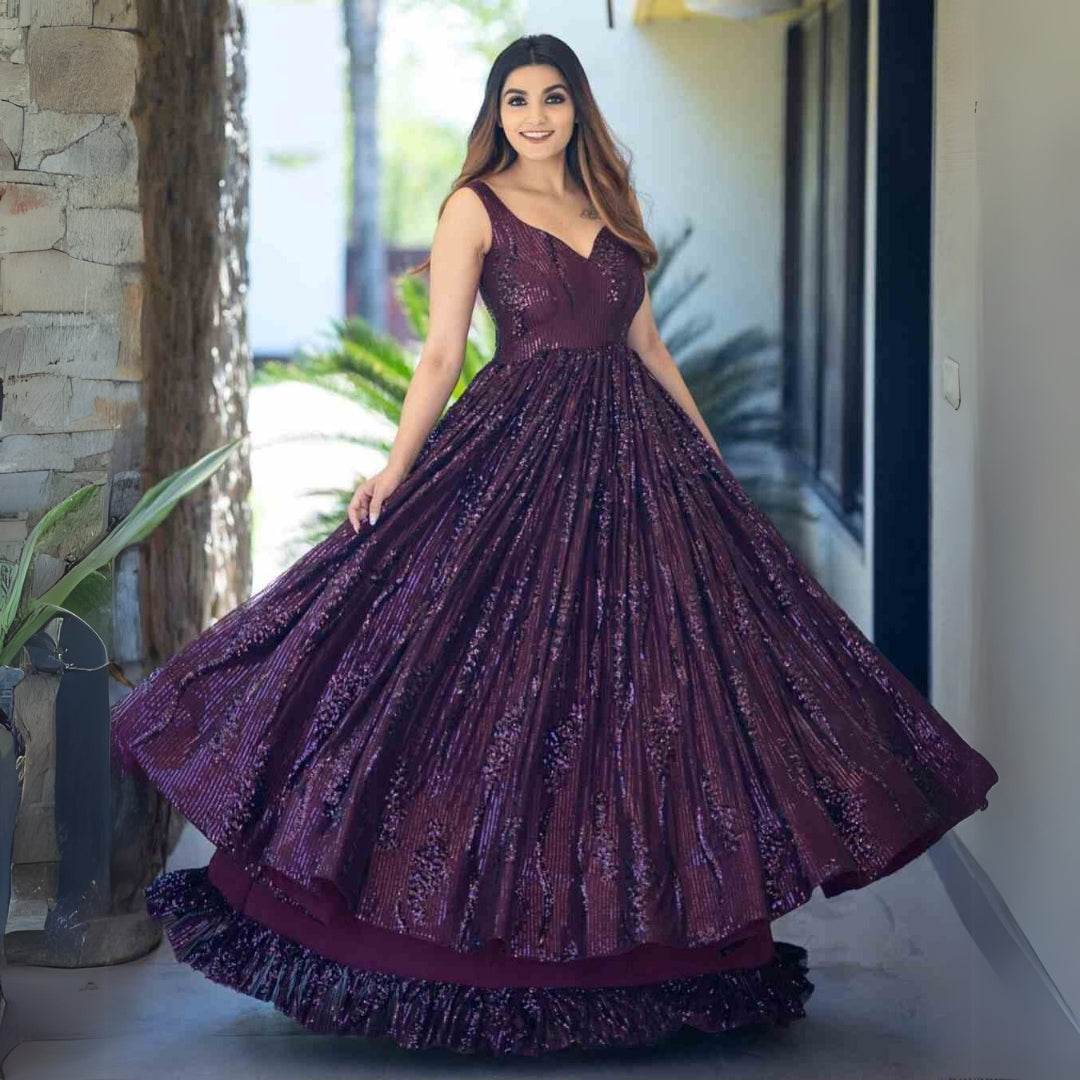
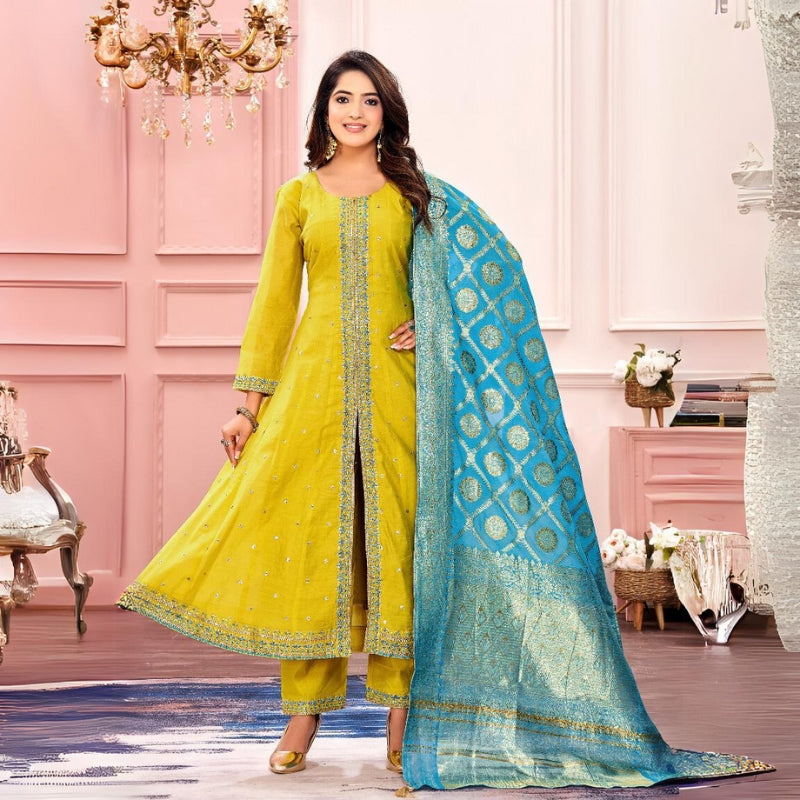
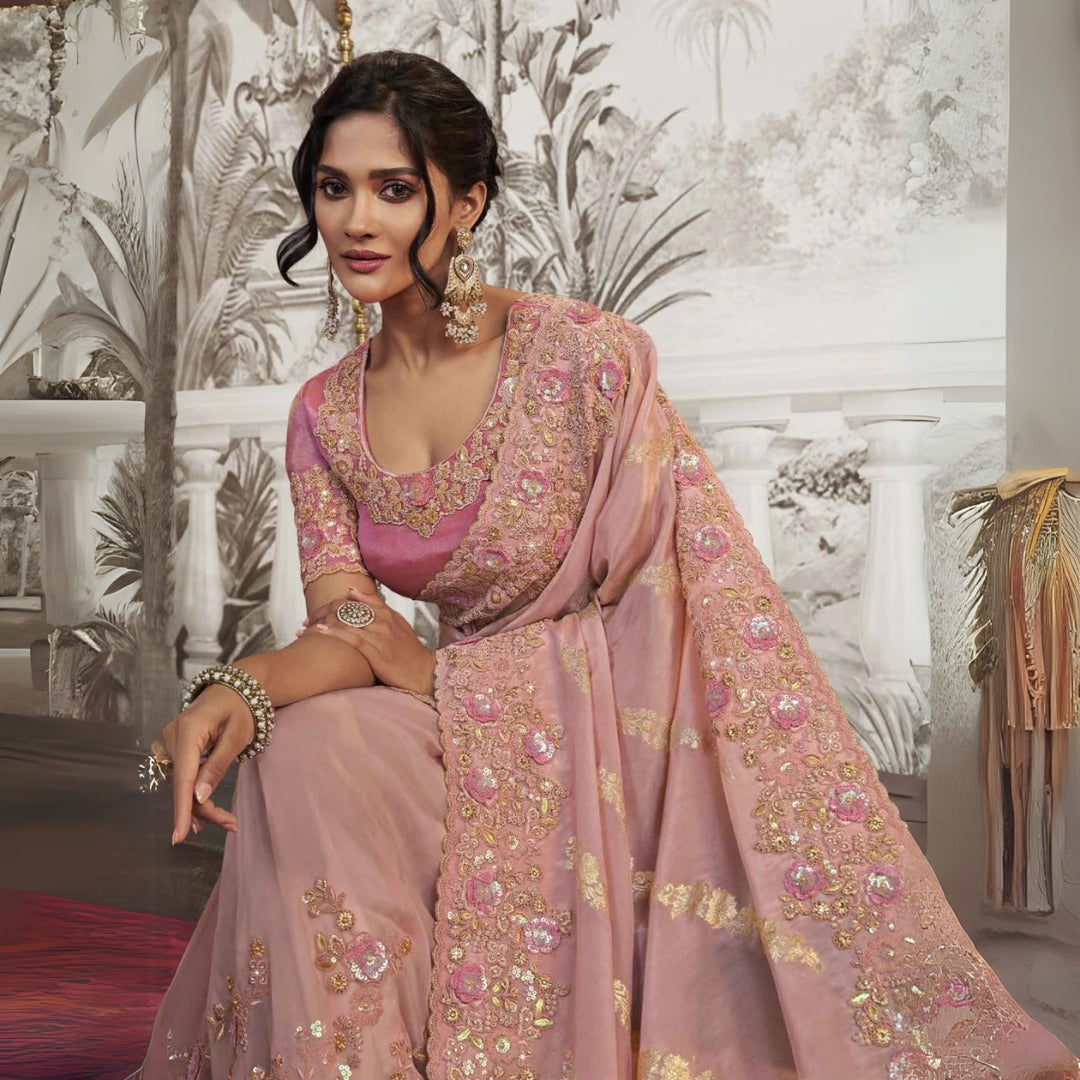
She stepped into the mandap with the confident grace of a woman who knows her story. The nine-yard silhouette fluttered like a whispered legacy — ancestral threads woven into a contemporary cadence. This is the Maharashtrian Nauvari drape: a tradition that refuses to be merely remembered. It evolves, it dazzles, and it becomes the bold centerpiece of modern weddings when imagined with luxury sensibilities. At Shreekama, we celebrate that evolution — crafting Paithani and designer sarees that honor ritual while embracing today's bridal desires.
Quick answer: What is the Maharashtrian Nauvari drape and why is it ideal for weddings?
The Maharashtrian Nauvari drape is a nine-yard sari style traditionally worn without a petticoat, wrapped to resemble trousers for ease of movement. For weddings, it offers regal elegance, comfort during long ceremonies, and a striking silhouette that blends tradition with modern tailoring — ideal for brides and guests seeking a statement look.
What makes the Nauvari special: Heritage, movement, and symbolism
The Nauvari is more than fabric and pleats; it carries the spirit of Maharashtra — courage, grace, and practicality. Historically favored by women who needed freedom of movement, the drape translates perfectly to the choreography of modern weddings: walking down aisles, performing rituals, and dancing through the night. When crafted in Paithani or rich silk and finished with contemporary touches, the Nauvari becomes an emotional bridge between generations.
Emotional resonance
- Connection to roots: Invokes family memories and cultural pride.
- Empowerment: The trouser-like silhouette signals strength and confidence.
- Versatility: Works for traditional ceremonies and contemporary receptions.
Modern takes on the Nauvari drape for weddings
Designers and bridal stylists have reinvented the Nauvari with fresh fabrics, tailored blouses, and hybrid silhouettes that keep the essence intact while elevating the bridal appeal. Below are the most compelling modern approaches that make the Nauvari irresistibly wedding-worthy.
Fabric choices: Lightweight luxury that photographs beautifully
- Silk blends and soft tussar for structured drape with fluid movement.
- Pure Paithani for ceremonial grandeur and heritage value.
- Organza and chiffon panels for a layered, dreamlike effect during receptions.
Contemporary blouse designs
- Structured corset blouses to define the waist and balance the nine-yard volume.
- High-neck embroidered blouses for regal appeal with minimal jewelry.
- Off-shoulder or cold-shoulder styles for a fusion statement.
Color palettes and embellishments
- Rich jewel tones paired with gold zari for traditional ceremonies.
- Muted pastels with antique polki and kundan for daytime elegance.
- Contrast borders and bold pallu motifs to create strong focal points.
Modern structural twists
- Belted Nauvari: A slender, embellished kamarbandh (waist belt) secures the drape while adding architectural shape.
- Pre-stitched and half-stitched Nauvari sarees: Offer ease without sacrificing authenticity.
- Hybrid lehenga-saree fusion: A lehenga base with a Nauvari-style pallu for dramatic movement with a secured fit.
Step-by-step styling a modern Nauvari for brides
Transforming the Nauvari into a wedding masterpiece begins with thoughtful preparation and smart styling choices. Follow these concise, practical steps to create a look that feels effortless and luxurious.
Pre-drape preparation
- Choose a saree length and fabric you can manage comfortably — Paithani nine-yard for ceremonies, lighter silk for receptions.
- Invest in a well-fitted blouse and a petticoat alternative like dhoti briefs or a fitted slip to maintain modesty and structure.
- Use safety pins and a couple of discreet hook-and-eye closures on the blouse for extra security.
Draping tips for comfort and security
- Create neat, firm pleats at the waist to ensure the drape holds through rituals and dance.
- Anchor the pallu with an inner button or a concealed pin near the shoulder to keep it in place during movement.
- Consider a subtle belt to maintain proportion and secure the saree without overpowering delicate embroidery.
Accessorizing for maximum impact
- Statement nath (nose ring) or mangalsutra for an authentic Maharashtrian bridal touch.
- Layered gold necklaces or temple jewelry to accentuate the neckline.
- Kohl-rimmed eyes, soft highlighter, and a bold lip for camera-ready glam.
Jewelry, hair, and makeup: Completing the bridal narrative
The right accessories transform the Nauvari from a beautiful drape into a story you can wear. Consider balance: if the sari is ornate, choose understated hair and makeup; if the saree is minimalist, let jewelry be the hero.
Traditional Maharashtrian jewelry
- Thushi necklace for subtle opulence.
- Laxmi coin motifs and green glass bead accents to evoke heritage tribal aesthetics.
- Kaan (ear cuffs) and kulhars (anklets) for rhythmic movement.
Contemporary jewelry approaches
- Minimalist diamond chokers for modern brides who prefer clean lines.
- Statement belts embellished with precious stones as wearable art.
- Mixing metals — rose gold with antique gold — to create an individualized look.
Choosing the right Paithani for a Nauvari wedding look
Paithani is synonymous with Maharashtrian regal wear, and pairing it with the Nauvari drape elevates any wedding look. Here’s how to select a Paithani that complements the nine-yard drape.
Paithani fabric and motifs to consider
- Silk Paithani with a rich golden zari border for classic ceremonial presence.
- Subtle Paithani with floral or peacock motifs for romantic receptions.
- Contrast-colored pallus with intricate motifs to highlight the drape’s movement.
Weight, comfort, and practicality
Heavier Paithani feels luxurious and photographs opulently, but brides who want to dance freely may opt for lighter silk weaves that echo Paithani motifs. Shreekama curates a balanced selection to suit both desires: heavy ceremonial Paithanis and lighter variants for long wedding days.
Care and preservation: Keeping your Paithani and Nauvari pristine
The emotional value of a Paithani or a wedding Nauvari often surpasses its price tag. Preserve these textiles with careful attention so they become heirlooms for generations.
- Dry clean Paithani sparingly and store in muslin cloth to prevent tarnishing of zari.
- Refold periodically along different lines to prevent permanent creases.
- Use silica gel pouches to control humidity and avoid storing in plastic.
- For embellishments, consult specialists who understand antique threads and zari work.
How Shreekama elevates the Nauvari wedding style
At Shreekama, every Nauvari and Paithani is an invitation to experience luxury that respects tradition and embraces innovation. Our artisans blend handwoven techniques with modern tailoring so brides can express heritage with contemporary confidence.
- Curated Paithani collections with wedding-ready motifs and lightweight alternatives for spirited celebrations.
- Tailored blouse services and pre-stitched Nauvari options for a flawless fit.
- Personal styling consultations to craft a signature bridal look that tells your story.
Real brides, real stories
One bride shared how the belted Nauvari allowed her to perform a traditional ritual with her grandparents and then dance until midnight in the same ensemble — no outfit change required. Stories like hers remind us that style that respects movement and ritual creates memories that linger in photographs and hearts alike.
FAQ — Paithani Saree and Nauvari drape questions
What is a Paithani saree and why is it ideal for weddings?
A Paithani saree is a handwoven silk saree from Maharashtra known for its rich zari borders and intricate motifs such as peacocks and lotus. It is ideal for weddings because of its regal appearance, durability, and cultural significance, making it a treasured bridal choice.
Can a Paithani be draped in the Nauvari style?
Yes. A Paithani can be draped in the Nauvari style, but due to the weight of traditional Paithani silk, brides often choose lighter Paithani weaves or use tailored supports like belts and pre-stitched options for comfort and stability.
How long is a Nauvari saree and is it different from a regular saree?
A Nauvari saree is traditionally nine yards long, longer than the common six-yard saree. The extra length allows the saree to be draped around the legs in a trouser-like style, giving the wearer enhanced mobility and a distinctive silhouette.
Is the Nauvari drape suitable for all body types?
Yes. The Nauvari drape is versatile and can be adapted with tailored blouses, belts, and strategic pleating to flatter different body types. Working with a skilled draper or stylist ensures a fit that accentuates your best features.
What blouse styles work best with a Nauvari saree?
Structured blouses like corsets or high-neck designs balance the volume of a Nauvari and create a polished look. For a more traditional appearance, three-quarter sleeves with subtle embroidery are ideal. Personal preference and comfort should guide the final choice.
How do I secure a Nauvari for active wedding events and dancing?
Secure the saree with discreet safety pins at the waist and shoulder, use a lightweight belt to lock the pleats, and consider inner hooks or a stitched gath for extra hold. Pre-stitched Nauvari styles also offer reliable security without compromising appearance.
Can grooms or guests wear a Nauvari style at weddings?
Absolutely. Guests and even grooms in certain cultural contexts may adopt the Nauvari-inspired styles for themed or traditional ceremonies. Modern adaptations like dhoti-pants or pres-stitched drapes offer inclusive options for everyone.
How do I care for a Paithani saree after the wedding?
Dry clean Paithani sarees when necessary, store them wrapped in muslin cloth in a cool, dry place, and avoid frequent exposure to sunlight. Gently refold them occasionally to prevent permanent creases. For restoration or repairs, consult specialist conservators familiar with zari and handwoven silk.
Where can I find authentic Paithani and Nauvari sarees with luxury finishes?
Curated luxury brands like Shreekama offer authentic Paithani and modern Nauvari styles crafted by trusted artisans. Look for brands that provide details on weave, origin, and craftsmanship, along with styling and tailoring services for the perfect bridal fit.
Final thoughts
The Maharashtrian Nauvari drape is a living tradition — one that attracts the bride who wants to honor her heritage while making an unforgettable fashion statement. When paired with a Paithani or a modern silk weave, accessorized thoughtfully, and styled by skilled hands, the Nauvari becomes a wedding-day armor of grace and joy. At Shreekama, we believe in crafting these moments with passion, precision, and devotion to timeless craftsmanship.
If you are inspired to create your own modern Nauvari wedding look, explore our exclusive collection of traditional sarees and Paithani masterpieces. Discover pieces that promise comfort, drama, and authenticity — and book a personal styling session to craft a bridal story that is uniquely yours. Visit our collection now: https://www.shreekama.com/collections/traditional-saree