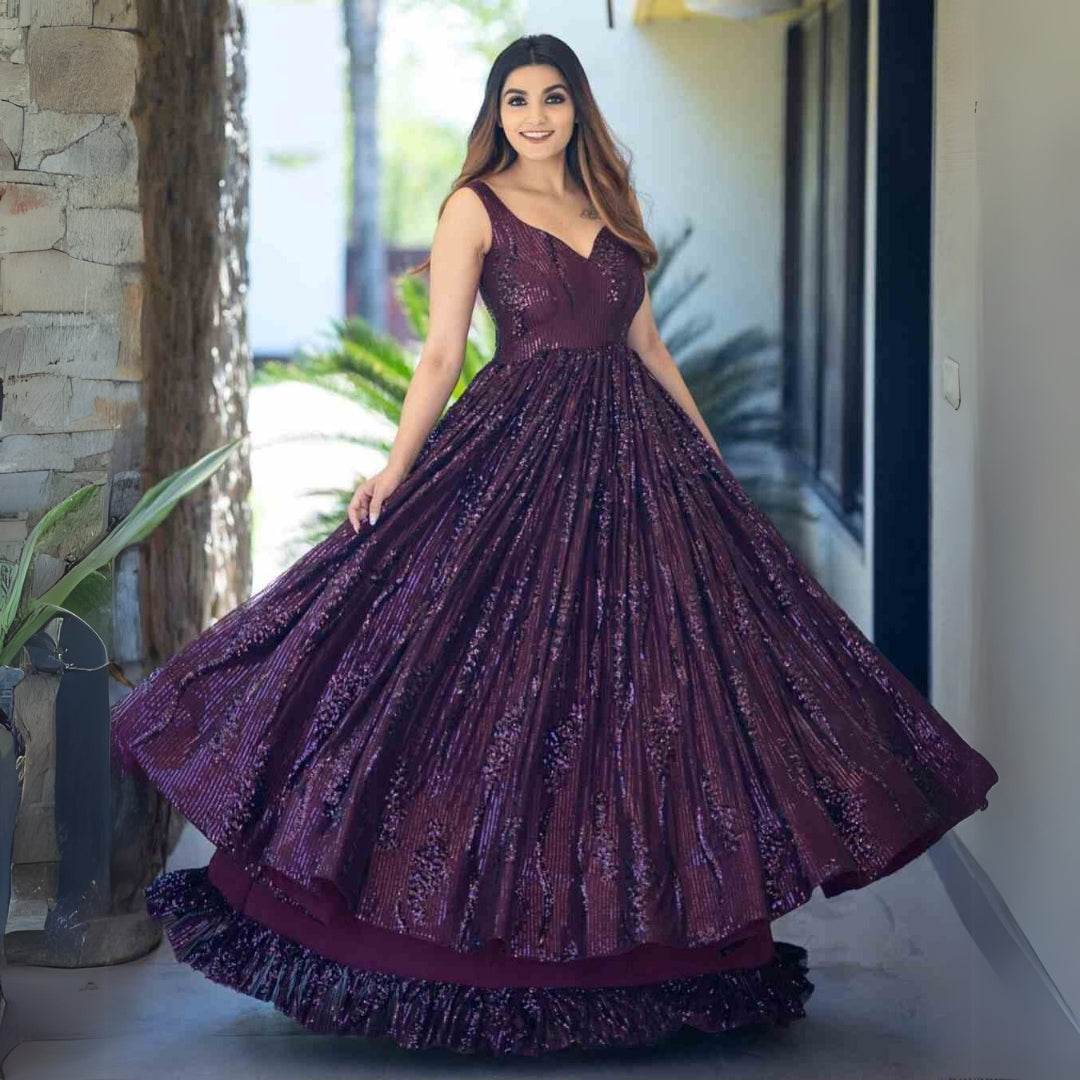
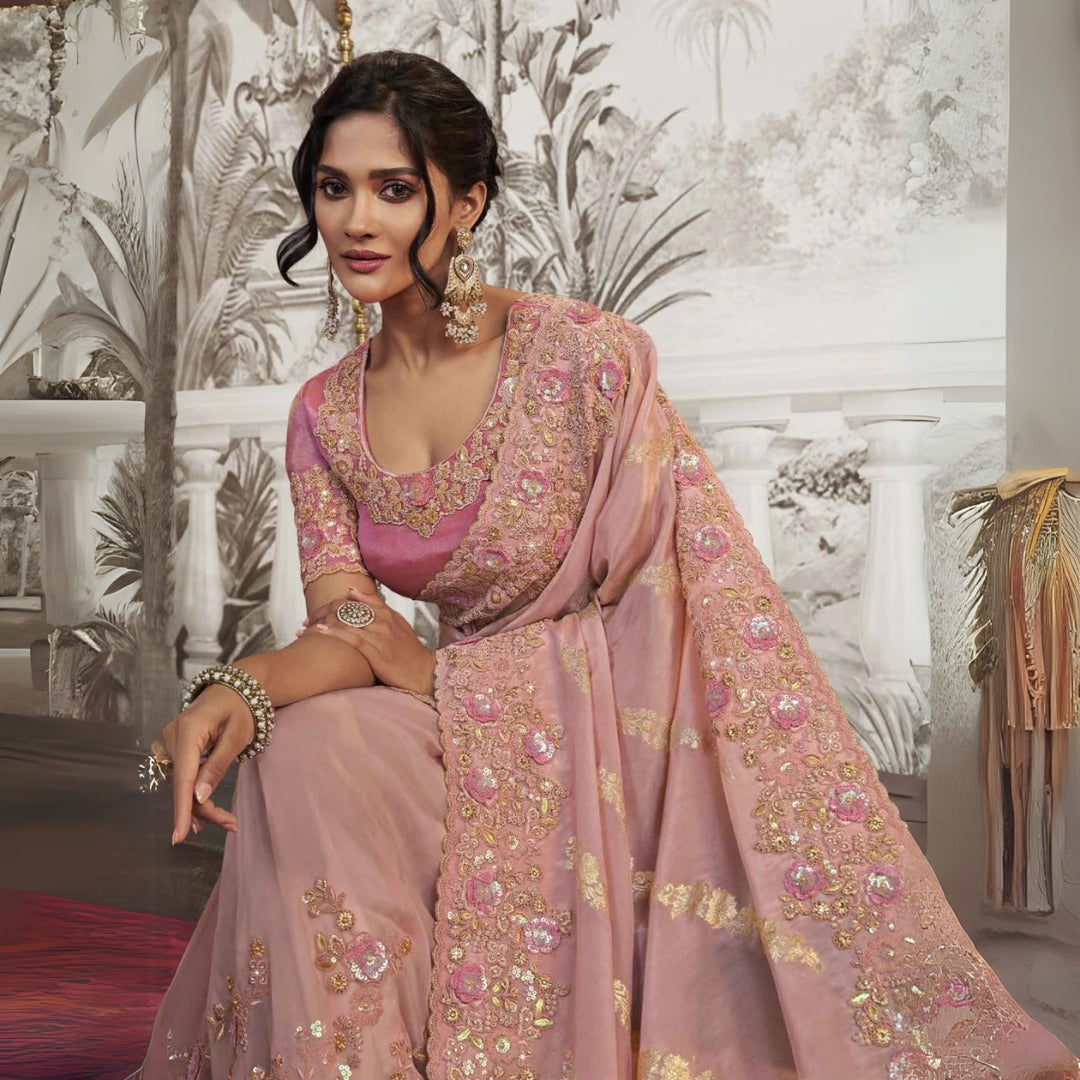
There’s a special kind of thrill the first time you slip into a net lehenga or a sheer net saree that fits like a dream. But that thrill can turn to worry when tiny creases and crumples threaten your look. Net fabrics are airy and ethereal, yet they can be fragile—one wrong move with heat or pressure can ruin embroidery, sequins, or the delicate mesh itself. In this guide from Shreekama, India’s leading luxury fashion house, you’ll discover the safe, trusted ways to remove wrinkles from net fabrics—iron vs. steam—so your couture keeps its shine and your confidence stays high.
Why Net Fabrics Need Special Care
Net fabrics—tulle, mesh, and fine lace—are woven in a way that makes them lightweight and see-through. That beauty comes with vulnerability: fibers can melt, snag, or deform under direct heat and pressure. When a garment carries hand embroidery, sequins, or delicate pleating, the stakes are even higher. Treating net fabrics like ordinary cotton risks permanent damage; treating them with thoughtful techniques preserves craftsmanship and your emotional investment in the piece.
Common net fabric types and their sensitivities
- Tulle and mesh: Highly breathable but prone to melting if exposed to high heat.
- Lace net: Often combined with embroidery; pressure can flatten motifs and damage threads.
- Embroidered or beaded net: Beads can trap heat and shift; backing fabrics may react differently.
- Layered net (like lehenga flounces): Multiple layers can trap heat and steam, changing shape or causing uneven drying.
Ironing vs. Steaming: Which Is Safer for Net Fabrics?
Choosing between ironing and steaming comes down to two factors: the fabric’s composition and the garment’s construction. Both methods can work when executed carefully, but one typically offers a safer, more forgiving approach for net fabrics.
How ironing affects net fabrics
Ironing uses direct contact heat and pressure. For durable fabrics, this flattens fibers and smooths wrinkles reliably. For net, direct contact can:
- Cause melting or shiny marks if the iron is too hot.
- Flatten lace and embroidery, losing texture and dimension.
- Cause snags or tears if the fabric catches on the iron plate or press cloth edge.
Ironing is best reserved for structured areas that can withstand light pressure—edges or inner linings—not the decorative net surface itself.
How steaming affects net fabrics
Steaming introduces moisture and heat without direct contact. It relaxes fibers and releases wrinkles gently. Benefits for net fabrics include:
- Lower risk of melting since steam is diffused and doesn’t touch the textile directly.
- Better preservation of embroidery, sequins, and texture.
- Fast and safe way to refresh full garments, especially layered lehengas and full-length sarees.
For most net garments, handheld steamers or vertical steaming are the preferred, safe option.
When ironing might be better
- Small hems or plain fabric linings that need crisp edges.
- Situations where you use a pressing cloth and the iron is on the lowest heat setting.
- When you’re professional and experienced with low-heat pressing and careful handling.
When steaming is the best option
- Delicate net surfaces with embroidery, sequins, or beadwork.
- Layered garments where steam can penetrate without compressing layers.
- Quick touch-ups before an event—steaming refreshes fibers and removes odors too.
Step-by-Step: Safely Removing Wrinkles from Net Fabrics
Below are practical, safe, and professional steps—tailored to net sarees, lehengas, and evening gowns—so you can treat your luxury pieces the way they deserve.
Method A — Steaming net fabrics (recommended)
- Use a quality garment steamer with a gentle steam setting. Fill with clean, distilled water to avoid mineral buildup.
- Hang the garment on a sturdy hanger or a dress form. Ensure the piece hangs freely so steam can reach folds and pleats.
- Start at the top and work down. Hold the steamer head about 6–8 inches away from the fabric. For highly delicate net, increase the distance slightly.
- Move the steamer in a slow, sweeping motion. Don’t hold steam in one spot for too long—short bursts work best.
- For embellished areas, steam lightly from the reverse side when possible, keeping the steamer at a greater distance.
- After steaming, let the garment hang so the net can air-dry and set for 10–15 minutes. Avoid touching until it cools to prevent new creases.
Method B — Ironing net fabrics (only when necessary)
- Set the iron to the lowest heat or synthetic setting. Use the steam-off option to prevent direct moisture.
- Place a clean, crisp pressing cloth (cotton or muslin) over the net surface. Never iron net directly.
- Press gently with the tip of the iron—do not slide the iron across the fabric. Use light, brief taps to smooth small areas.
- Check frequently to ensure there are no shiny marks or distortions. If any appear, stop immediately.
- Iron only plain or lined sections. Avoid pressing over beading, sequins, or delicate embroidery.
Handling embellished net: beads, sequins, and embroidery
- Always steam from the wrong side first. This reduces the risk of direct heat on embellishments.
- If ironing is unavoidable, place a thick pressing cloth and use the iron’s lowest heat with very brief contact.
- For heavy beadwork, consider professional steam-press or dry-cleaners who specialize in couture garments.
Special care for pleats and folds
Pleats define many traditional silhouettes. Preserve them by:
- Hanging the garment by pleat lines and steaming vertically to relax fabric without flattening the fold.
- Using gentle clips or weights to help pleats drop naturally while steaming.
- Letting pleated garments hang overnight after steaming to set the shape.
Pro Tips for Maintaining Net Lehengas, Sarees, and Dresses
Beyond steaming and ironing, how you store, transport, and wear net garments determines their longevity. These expert tips from Shreekama help keep heirloom-quality finishes intact.
- Always store net garments in breathable cotton garment bags. Avoid plastic, which traps moisture and invites mildew.
- Fold carefully with acid-free tissue paper between layers and around embellishments to prevent snags and creases.
- Spot-clean stains immediately with gentle solutions—avoid vigorous rubbing that can widen holes in the mesh.
- For long-distance travel, use a tailor’s box or roll garments loosely with tissue, then steam on arrival rather than risking heavy pressing mid-journey.
- Rotate your accessories—heavy jewelry can snag delicate net. Pin garments to secure borders rather than letting sequins catch on fabric.
- When in doubt, choose professional couture care. A trained specialist uses industry techniques to protect embroidery and structural elements.
Common Mistakes to Avoid
- Direct ironing without a pressing cloth—this is a leading cause of shiny marks and melted fibers.
- High-temperature steam settings—too much moisture and heat close-up can distort net textures.
- Ignoring garment labels—they’re there because artisans understand the fabric composition best.
- Storing net garments compressed in trunks—compression causes permanent folds and weakens embellishments.
- Skipping a small test patch—always test steam or heat on an inconspicuous area before treating the entire piece.
Real Shreekama Styling Story: How a Wedding Lehenga Was Saved
One of our clients rushed to a wedding with a cherished net lehenga tucked into her car. A quick kneel in the vehicle had left multiple creases across the skirt. Panicked, she reached out to our stylist team. We hung the lehenga, steamed it from a distance, and used gentle weights to reshape the pleats. We checked embellishments and finished with a soft brush to restore the net’s sheen. She arrived radiant, and that lehenga retained its magic for years after—proof that careful steaming, patience, and expertise can rescue the moment.
Short Answers for Quick Queries (Featured Snippet Friendly)
Can you iron net fabric? You can, but only with extreme caution: use the lowest heat, a pressing cloth, and light taps—avoid direct contact with the iron.
Is steaming safe for net fabrics? Yes. Steaming is generally the safest method for removing wrinkles from net fabrics because it uses indirect heat and preserves texture and embellishments.
Should you steam embellished net from the front? No. Steam from the reverse side when possible and keep the steamer at a safe distance to protect beads and sequins.
FAQ — Net Fabric Care (Voice Search Optimized)
How do I safely remove wrinkles from a net lehenga?
Hang the lehenga, use a handheld steamer at a safe distance, steam from top to bottom in short bursts, and let it air-set before wearing. For heavy embellishments, steam from the reverse side and avoid direct contact.
Can I use a clothes steamer every day on net fabric?
Frequent steaming is generally safe and refreshes net fabrics without harsh handling. Avoid over-steaming the same spot repeatedly to prevent moisture saturation and potential shape changes.
What temperature should I set my iron for net fabric?
Use the lowest heat or the synthetic setting. Always place a pressing cloth between the iron and the net and use very brief, gentle taps instead of sliding the iron.
How do I remove stubborn creases from layered net skirts?
Layered pieces respond best to vertical steaming. Hang the skirt fully, steam each layer gently from a distance, and let the garment hang for an extended period to dry and settle naturally.
Is dry cleaning better than home steaming for embellished net?
For heavily beaded or antique embroidered net garments, professional dry cleaning by a couture specialist is recommended. They use tailored processes that protect both fabric and embellishment integrity.
What should I do if sequins get sticky or melt?
If you see melting or stickiness, stop applying heat immediately. Allow the garment to cool, then consult a professional restorer who can assess adhesive issues and repair damage without making it worse.
How do I prevent net fabric from snagging?
Store net garments separately in breathable bags, avoid wearing sharp jewelry next to the fabric, and handle carefully during dressing. Use tissue paper around beaded areas to prevent abrasion in storage.
How long should I let a steamed net garment hang before wearing?
Allow at least 10–20 minutes for the fabric to cool and the fibers to set. For multi-layered garments, longer hanging (up to an hour) ensures the net returns to its intended fall and drape.
Final Thoughts: Choose Confidence Over Risk
Net fabrics are poetry in motion—delicate, expressive, and unforgettable. The choice between ironing and steaming shouldn’t be a gamble. Steaming gives you a safer, more forgiving way to remove wrinkles, especially for embellished and layered pieces. When ironing is necessary, take professional-level precautions: low heat, pressing cloth, and careful, minimal contact.
At Shreekama, every lehenga, saree, and gown is crafted to be cherished. Caring for these pieces is about protecting artistry and memories. Treat them with gentle techniques, thoughtful storage, and occasional professional attention to keep them looking showroom-fresh.
Ready to experience net couture that inspires care and confidence? Explore the exclusive Shreekama lehenga collection and find your next unforgettable ensemble: https://www.shreekama.com/collections/lehengas