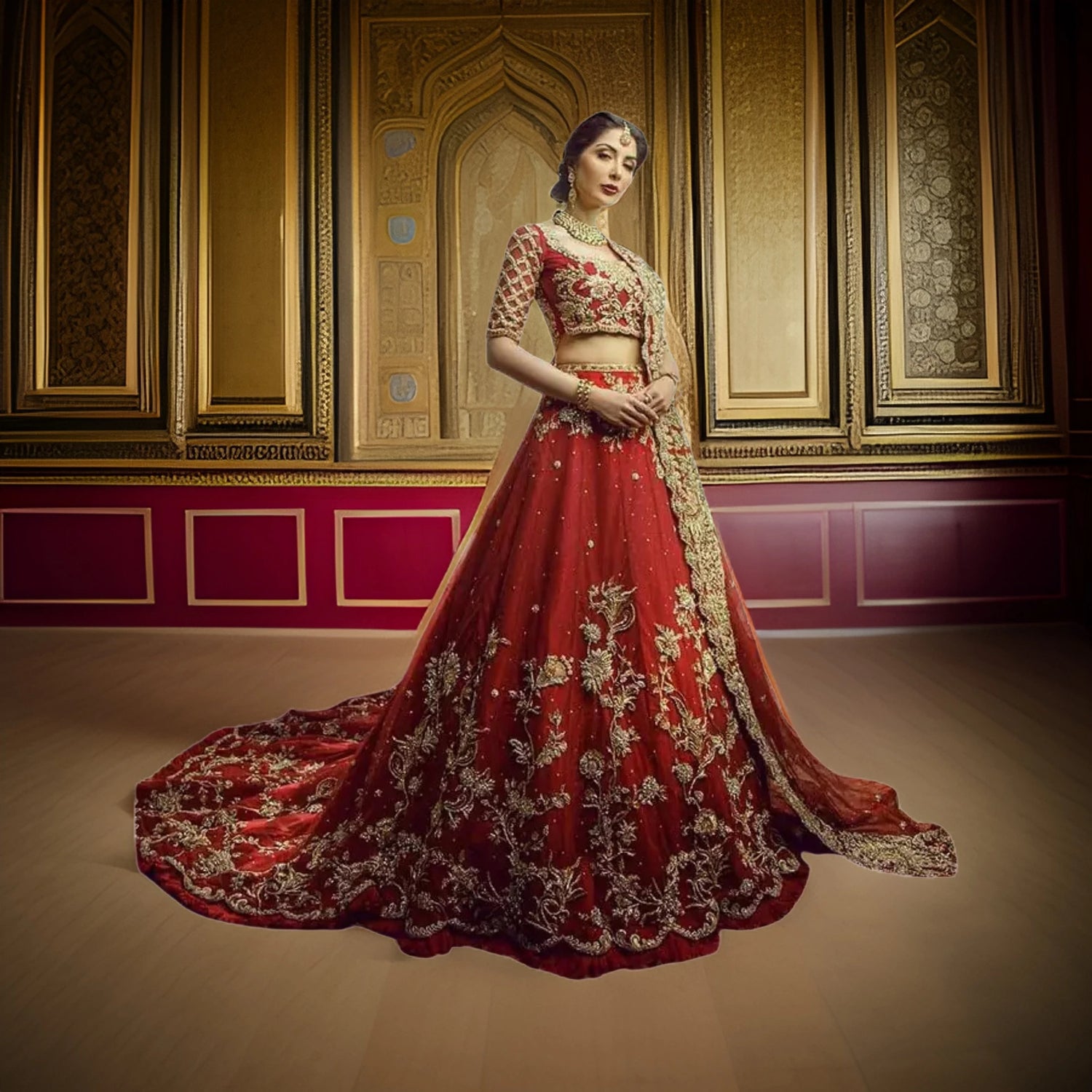
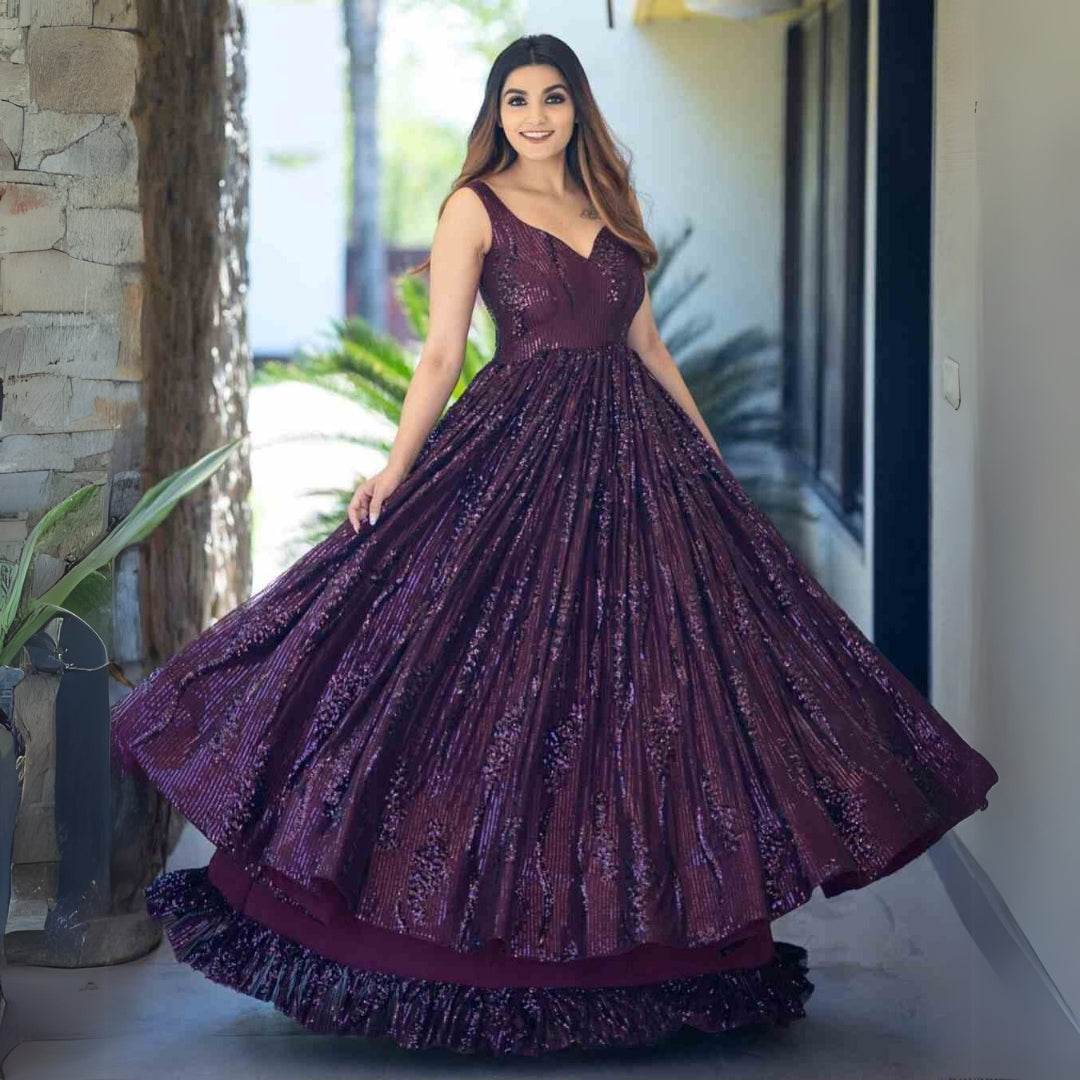
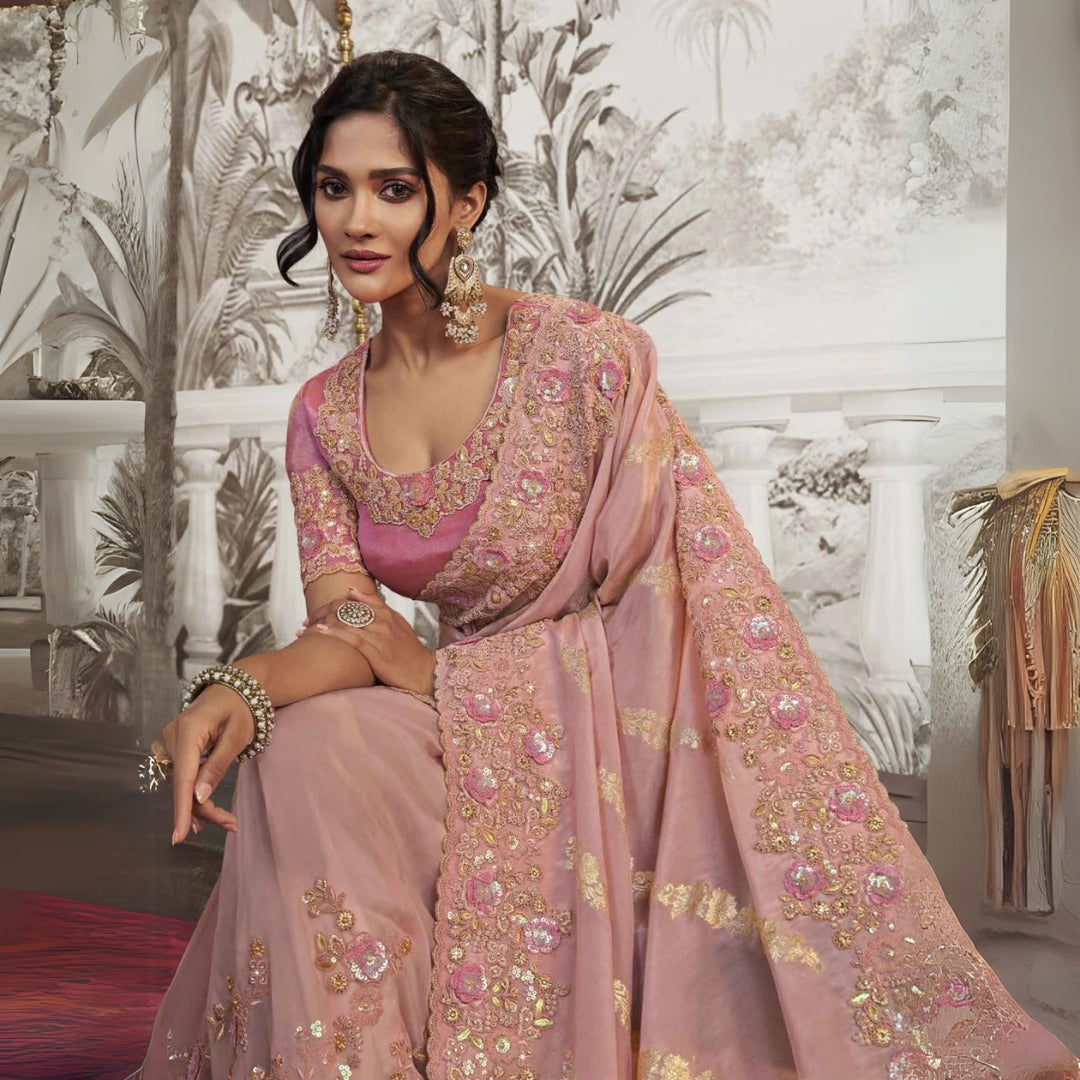
There’s a quiet power in a perfectly pleated saree: the way the folds catch the light, the immediate polish it gives to posture, and how it turns ordinary moments into memorable entrances. For lovers of luxury sarees, keeping those pleats razor-sharp is not just care—it’s devotion. Whether you're prepping for a grand celebration or preserving heirloom silk, this definitive guide will teach you how to iron pleated sarees like a couture stylist, so every fold looks crisp, curated, and charismatic.
Why Pleats Lose Their Shape: The Hidden Science
Pleats relax because of fabric memory, moisture, friction, and gravity. Understanding why pleats soften helps you choose the right tools and techniques to restore and lock in that sculpted look.
Fabric behavior and pleat memory
- Silk and organza: Hold shape well when pressed at correct temperatures, but are sensitive to direct heat and water spots.
- Georgette and chiffon: Lightweight and delicate; pleats can flatten easily and need gentle steam and strategic pinning.
- Cotton and linen: Respond well to higher heat and light starching, but require careful pressing to avoid crispiness that looks rigid.
- Synthetic blends: Heat-sensitive; use low temperatures and steam to avoid melting fibers.
External factors that blur pleats
- Moisture and humidity that relax fabric tension.
- Body movement and friction where pleats meet footwear or accessories.
- Improper storage—folding across pleats or overcrowded wardrobes.
Essential Tools for Ironing Pleated Sarees
Professional results come from the right toolkit. Invest a little, and your sarees will thank you with every shimmer and fold.
- Steam iron with adjustable temperature and a powerful burst steam feature.
- Ironing board with a narrow, firm edge to shape pleats.
- Pressing cloth or cotton muslin to protect delicate surfaces.
- Starch spray or fabric sizing for long-lasting pleats (use sparingly on delicate sarees).
- Cloth clips or fine-tailoring pins to hold pleat lines while cooling.
- Cardboard or tailor’s cardboard insert to press pleats from the inside.
- Garment steamer for chiffon, georgette and embellished sarees.
Pre-Iron Checklist: Prepare Like a Pro
Rushing in ruins results. Follow this quick checklist to protect fabric and sculpt flawless pleats.
- Read the saree care label: dry clean only, hand-wash, or iron-safe instructions.
- Spot-clean stains before pressing; heat can lock stains permanently.
- Test iron on a hidden corner to confirm temperature and steam settings.
- Lay out the saree on a clean, flat surface and identify the pleat line direction.
Step-by-Step: How to Iron Pleated Sarees for Sharp Folds
This step-by-step method balances precision and gentleness. Use fabric-specific adjustments listed below to get couture-level pleats.
1. Set up your workspace
- Choose a stable ironing board with minimal give. A firm surface prevents uneven pressure.
- Keep a hanger and clips within reach to let pleats cool in position.
2. Establish and secure the pleat lines
- If the saree already has stitched pleats, follow the seam. If not, use tailor’s chalk or pins to mark even folds.
- Use a cardboard insert along the pleat line to press from inside, giving each fold a crisp edge.
- Clip or pin the pleat tops to keep alignment while you press downwards.
3. Ironing technique: press, don’t slide
- Place a pressing cloth over the pleats. Position the iron and press firmly for 4–6 seconds per section—avoid sliding the iron across the fabric.
- Lift the iron, move to the next section, and repeat. This preserves the pleat’s edge and avoids stretch or distortion.
- Allow each pressed section to cool while still clipped; cooling sets the fold memory.
Fabric-Specific Ironing Techniques
Different fabrics need tailored care. Below are precise, client-ready methods designed for the most common saree materials.
Silk sarees (including Banarasi, Kanjeevaram)
- Iron on the silk setting or low-medium heat with no steam on the face. Always use a pressing cloth.
- Press pleats from the wrong side when possible. Short presses and rapid cooling keep the lustre intact.
- For heavy zari, avoid direct contact—press around embellishments and use steam from a distance to relax creases.
Georgette and chiffon sarees
- Use a garment steamer or the lowest iron setting with a pressing cloth. These fabrics warp under direct heat.
- Create pleats by folding and gently steaming each pleat, then clip the top and let cool until set.
Cotton and linen sarees
- These tolerate higher temperatures and respond well to a light starch for architectural pleats.
- Press firmly from the right side for crispness, but avoid making pleats too rigid; you want elegant movement.
Embellished and sequined sarees
- Never apply heat directly to sequins or stones. Press around embellishments using the edge of the iron on the pressing cloth.
- Consider professional pressing for heavily beaded sarees to avoid damage.
Secrets for Long-Lasting Sharp Pleats
Small habits extend the drama and precision of pleats. Adopt these secrets to preserve the sculpted silhouette all day and night.
- Cool before you hang: Always let pleats cool completely while clipped so the fabric 'remembers' the fold.
- Use light sizing: A fine mist of fabric starch or professional sizing helps pleats hold without stiffness.
- Strategic pinning: Pin pleats at the waistline or pallu top discreetly to maintain alignment during wear.
- Reinforce with stitching: For bridal or repeated-use pleats, a tailor’s thread tack at the base will keep folds flawless without altering fall.
Storage and Travel: Keep Pleats Pristine Away from Home
Traveling with pleated sarees is an art. The goal is to minimize movement and allow pleats to rest undisturbed.
Packing tips
- Fold along existing pleat lines and insert acid-free tissue paper between folds to absorb moisture and prevent friction.
- Store sarees flat or roll gently around a tube if space is tight—rolling reduces deep crease formation.
- For long journeys, carry a small travel steamer and a few clips for quick touch-ups.
Home storage
- Hang pleated sarees on padded hangers to avoid marks. If folding, ensure pleats sit flat and are not compressed under heavy items.
- Wrap in breathable cotton covers; avoid plastic for long-term storage to prevent moisture build-up.
Quick Rescue: Fixing Flattened Pleats in Minutes
When time is short and the event is near, use these quick, effective tricks to revive pleats without a full press.
- Steam from a safe distance and immediately re-crease each pleat with your fingers, then clip until cool.
- Spritz a fine mist of sizing or starch, shape pleats with a ruler or cardboard edge, and let them dry naturally while clipped.
- If a small area is wrinkled, use a hand-held steamer and press with a pressing cloth for 10–15 seconds at a time.
Troubleshooting: Common Pleat Problems and How to Solve Them
Even careful handling can result in issues. Here are practical solutions to common pleat dilemmas.
Pleats that won’t stay crisp
Try a slightly higher temperature with a protective cloth, add a small amount of sizing, or stitch the pleat base discreetly to hold the shape.
Water spots or shiny marks
These occur from direct heat or uneven steam. Work on the wrong side, use a pressing cloth, and consider professional restoration for delicate silks.
Pleats distorted after wearing
Re-press the affected sections using the cardboard insert method and pin them to reset while cooling. For persistent distortion, ask a tailor to re-pleat and baste the folds.
Professional Care vs. Home Ironing
Luxury sarees often warrant professional attention. Use home ironing for regular maintenance and quick touch-ups. Reserve professional pressing for heavy embroidery, delicate antique silks, or heirloom restoration.
Conclusion: The Emotional Reward of a Perfectly Pleated Saree
Ironing pleated sarees is more than a chore—it’s a ritual that honors craftsmanship, memories, and the ceremonial power of dressing well. With the right tools, patience, and the techniques above, you’ll transform every saree into a confidence-igniting statement. When pleats are sharp, you stand taller; your presence becomes the design.
Frequently Asked Questions
Can I iron pleated sarees at home safely?
Yes. With the right heat setting, a pressing cloth, and patience—especially fabric-specific adjustments—you can achieve salon-quality pleats at home. Test on a hidden area first and use a steamer for delicate fabrics.
How do I make pleats stay sharp all day?
Press each pleat firmly, clip and allow cooling, use a light fabric starch or sizing, and pin at the waist to prevent shifting. For high-movement events, discreet tacks at the pleat base add extra security.
What’s the best method for silk saree pleats?
Press silk on low-medium heat with a pressing cloth, work from the wrong side, and avoid direct steam or water. Cool pleats while clipped to set the fold.
Can steam damage pleated sarees?
Steam is safe when used carefully. It’s ideal for georgette, chiffon and synthetics. Avoid direct steam on metallic threads and apply steam from a distance on delicate silks to prevent water spots.
How do I store pleated sarees to preserve pleats?
Store flat or hang on padded hangers; if folding, keep pleats aligned and separate folds with tissue paper. Use breathable garment covers and avoid overcrowding.
How often should I professionally press a luxury saree?
For heavily embellished or antique sarees, consider professional pressing before major events and for seasonal storage. Routine home maintenance is fine for regular wear.
Ready to make every pleat a masterpiece? Explore Shreekama’s exclusive partywear saree collection and find sarees designed for drama, crafted for elegance, and made to be adored. Discover our curated selection and wear perfection: https://www.shreekama.com/collections/partywear-saree