Walking into an interview is a moment of focused hope — your resume tells your story, your words frame your competence, but your outfit is the first line of communication. For many women in India and beyond, the choice between a saree and a salwar kameez becomes a meaningful decision: it is a balance of tradition, professionalism, comfort, and personal branding. In this guide, Shreekama helps you weigh the pros and cons, styling secrets, and role-specific outfit ideas so you enter every interview with quiet confidence and unmistakable presence.
Quick answer: What should you wear to an interview — saree or salwar kameez?
Choose the outfit that aligns with the industry, company culture, and your comfort level. A well-tailored saree in structured fabric communicates elegance and authority; a neat cotton or silk-blend salwar kameez signals approachability and practicality. Both can be powerful—when styled with intention.
Why the choice matters: Beyond fashion
The outfit you wear is not mere style; it is strategy. Hiring managers form first impressions in seconds. Your clothing affects perceived competence, cultural fit, and even the tone of the conversation. A deliberate choice—saree or salwar kameez—supports your narrative. It can say: I understand the workplace, I respect the role, and I am comfortable expressing my identity.
Understanding the context: Industry and company culture
Corporate and finance
For formal industries, a minimalistic saree in muted tones or a structured, straight-cut salwar kameez made from fine fabric gives a decisive, professional vibe. Think crisp tailoring, subtle textures, and restrained embellishment.
Startups and creative roles
Creative workplaces welcome personality. A modern saree drape with contemporary prints or a well-fitted, patterned salwar kameez can express creativity while keeping it interview-appropriate. Prioritize comfort — you want to be both memorable and authentic.
Customer-facing roles and education
Approachability matters here. Soft cotton salwar suits, breathable fabrics, and comfortable footwear promote warmth and relatability. A simple saree in a friendly color palette works well when paired with composed grooming.
Saree vs Salwar Kameez: Head-to-head comparison
Professional appeal
- Saree: Conveys sophistication, authority, and timeless elegance. Ideal for leadership roles and formal interviews.
- Salwar Kameez: Projects practicality, approachability, and polished simplicity. Great for client-facing roles and everyday corporate settings.
Comfort and movement
- Saree: Requires confident draping and may feel less convenient for long commutes or extensive movement.
- Salwar Kameez: Offers ease of movement and comfort—especially in cotton or stretchable blends—making it ideal for dynamic interview days.
Styling flexibility
- Saree: High visual impact with jewelry and draping styles—excellent for making a lasting impression.
- Salwar Kameez: Easier to vary with layers, jackets, and scarves; versatile for multiple interviews with small changes.
Fabric and fit: The silent persuaders
Best fabrics for sarees
- Lightweight silk blends and tussar silk for structure without bulk.
- Chanderi and linen-silk blends for breathability and a refined look.
- Matte-finish fabrics that avoid excessive shine under office lights.
Best fabrics for salwar kameez
- Cotton and cotton-silk blends for comfort and neat drape.
- Crepe and blended fabrics for a polished, wrinkle-resistant look.
- Avoid loud synthetic prints that read casual rather than professional.
Colors, prints, and patterns that work for interviews
Color psychology
- Neutrals: Navy, charcoal, beige, and deep greens communicate stability and professionalism.
- Soft pastels: Pale blue, blush, and muted lavender add approachability without undermining seriousness.
- Accent colors: Use a tasteful pop—maroon bindi, muted coral lipstick, or a statement dupatta—to create visual interest.
Print rules
Subtle, small-scale prints are safe. Large, loud patterns or heavy embellishment can distract. For sarees, textured weaves and fine borders add depth without overpowering. For salwar kameez, restrained prints or blocks with clean cuts are ideal.
Accessories and grooming: The finishing touches
Jewelry and minimalism
Less is more. A pair of studs, a sleek watch, and a simple chain or a small pendant are enough. Avoid jangly or overly ornate pieces that can make you seem unprofessional or distract during conversation.
Footwear
- Closed-toe pumps or block heels with a comfortable mid-height are perfect for sarees.
- For salwar kameez, polished kolhapuris, closed-toe flats, or low heels maintain professionalism and comfort.
Makeup and hair
Keep makeup natural and purposeful: even skin tone, defined brows, and a neutral lip. Hair should be tidy—neat bun, low ponytail, or sleek open hair works. For saree interviews, a classic bun adds polish and highlights your neckline.
Role-based outfit ideas: Practical examples
For leadership and interviews with senior managers
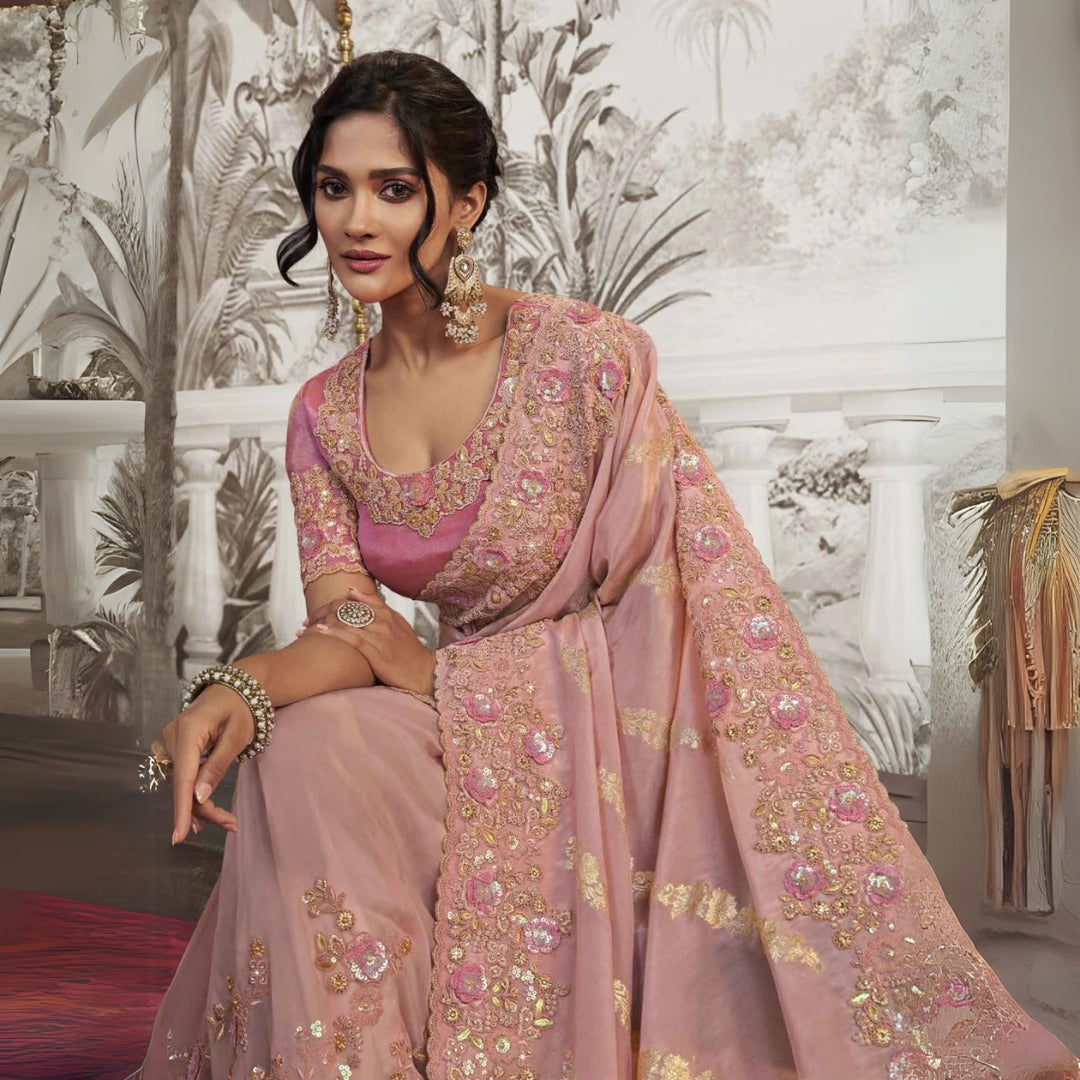
Saree suggestion: A finely woven silk-blend saree in a deep tone with minimal border, paired with a structured blouse and low heels. This outfit signals confidence and poise.
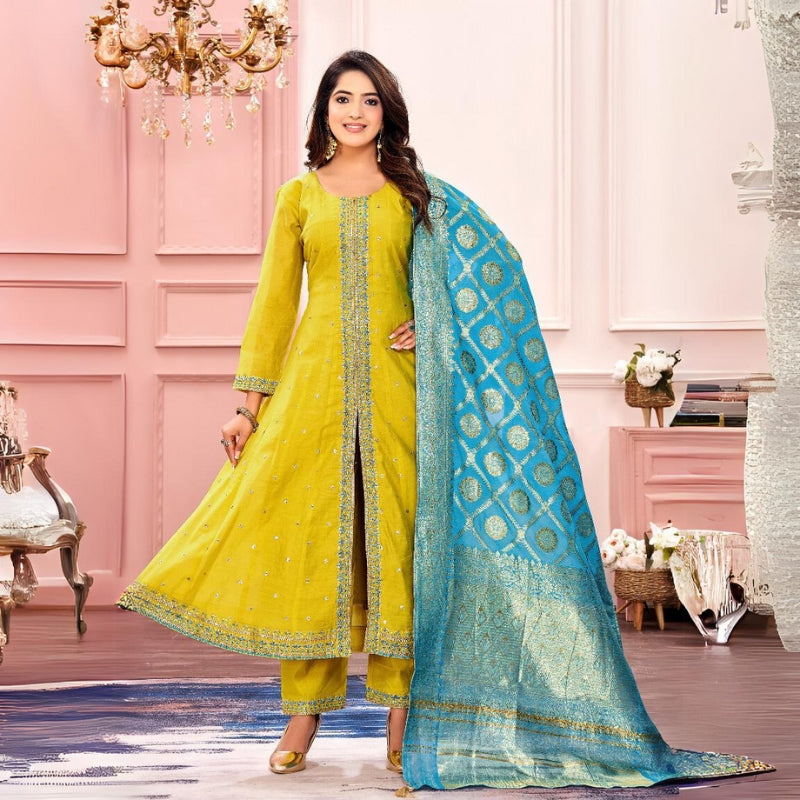
Salwar suggestion: A tailored straight-cut kurta with a slim palazzo in a rich neutral shade, finished with a clean blazer or nehru jacket for added authority.
For client-facing and sales roles
Saree suggestion: A soft cotton-silk saree in a friendly color with subtle checks or weave. Pair with small earrings and comfortable heels to balance warmth with professionalism.
Salwar suggestion: Crisp cotton suit with a neatly draped dupatta and closed-toe shoes—practical for active days and approachable for clients.
For creative and startup interviews
Saree suggestion: A contemporary drape with a modern print or unconventional blouse cut—keeps authenticity front and center.
Salwar suggestion: Stylish kurta set with unique textures or a statement pattern; pair with sleek accessories to show creative flair without losing polish.
Styling tips that win interviews
- Fit matters more than price: A perfectly tailored salwar or saree blouse outperforms an ill-fitting designer piece.
- Test your outfit: Wear it for an hour before the interview to ensure comfort and confidence in movement.
- Keep a backup: Carry a folded dupatta or a light blazer to adapt to unexpected office climates.
- Iron or steam garments the night before to avoid last-minute mishaps.
- Minimal patterns plus a single statement piece—like a classic watch—create a balanced look.
Packing smart: Interview day checklist
- Outfit pressed and ready, with a spare dupatta or shirt for emergencies.
- Neutral handbag with essentials: resume copies, ID, phone, charger, and mints.
- Comfortable, polished footwear and a small sewing kit for last-minute fixes.
- Portable mirror and blotting papers to keep shine in check.
Why Shreekama’s curated pieces help you win
At Shreekama, we craft Indian wear that balances tradition with contemporary tailoring. Our luxury sarees and salwar kameez are designed for the modern professional—breathable fabrics, clean silhouettes, and subtle detailing that amplify your presence without overpowering your message. Investing in pieces that align with your professional identity is an investment in your career narrative.
Real stories: How a saree and a salwar kameez changed an interview outcome
A candidate for a senior HR role arrived in a sober, silk-blend saree—simple border, matte finish, and a structured blouse. Her outfit projected calm authority. The panel noted her composed demeanor, and she reported that feedback focused on her confident presentation rather than the small talk about clothes. In another case, a sales professional chose a crisp cotton salwar suit with a tailored jacket, and the practical elegance made a memorable impact during a hands-on product demonstration. Both outfits became visual anchors that supported the candidates' competencies.
Quick styling cheat sheet: Decide in under 5 minutes
- Industry formal? Choose a saree in a structured fabric or a tailored salwar suit in a neutral shade.
- Comfort and travel? Pick a cotton salwar kameez with minimal pleats and sturdy footwear.
- Want to stand out tastefully? Add a subtle accessory—watch, brooch, or a silk scarf.
- Unsure? Neutral saree with simple blouse or a straight kurta suit are fail-safe choices.
FAQ: Cotton Salwar Suit queries and voice-search friendly answers
Are cotton salwar suits appropriate for interviews?
Yes. Cotton salwar suits are ideal for interviews when they are neatly tailored, in muted colors, and paired with minimal accessories. Choose cotton blends or high-quality cotton with a crisp finish for a more formal look.
How should I style a cotton salwar suit for a corporate interview?
Opt for a straight-cut kurta, slim palazzo or churidar, and a matching or contrasting dupatta with subtle prints. Add closed-toe shoes, a watch, and stud earrings. Keep makeup natural and hair tidy.
Which colors of cotton salwar suits look most professional?
Neutral tones like navy, charcoal, beige, olive, and soft pastels such as powder blue or blush are professional and camera-friendly. Avoid loud neons or heavy, glossy prints.
How to maintain a cotton salwar suit to keep it interview-ready?
Wash with gentle detergents, avoid harsh bleaching, and iron on medium heat while the fabric is slightly damp for a crisp finish. Store in a breathable garment bag to prevent yellowing.
Can I wear a cotton salwar suit for back-to-back interviews?
Yes. Cotton is breathable and comfortable for long days. Carry a spare dupatta or a light blazer to freshen up between interviews and adapt to different office atmospheres.
Is hand-embroidered cotton suitable for interviews?
Hand-embroidered cotton can be suitable if the embroidery is subtle and avoids heavy embellishment. Fine handcrafted detailing can add refinement without distracting from your professional presence.
How to choose between a cotton salwar suit and a saree if I’m nervous?
Choose the outfit that reduces your anxiety. If you feel more at ease moving and speaking in a salwar suit, wear that. If a saree boosts your confidence and poise, choose it. Confidence is the strongest ally in any interview.
Final note: Wear purposefully, not just prettily
Your interview outfit should be a tool—chosen thoughtfully to support your message, not to overshadow it. Whether you slip into a timeless saree or a polished cotton salwar suit, let fit, fabric, and minimal styling do the talking. Walk into that room with clarity, poise, and the quiet assurance that your attire reinforces your readiness for the role.
Ready to build an interview wardrobe that commands respect and feels like you? Explore Shreekama’s exclusive collection of curated kurtas and suits designed for professional elegance and everyday luxury. Discover sophisticated cotton salwar suits and impeccably tailored pieces at https://www.shreekama.com/collections/kurtas-suits—and choose outfits that open doors.