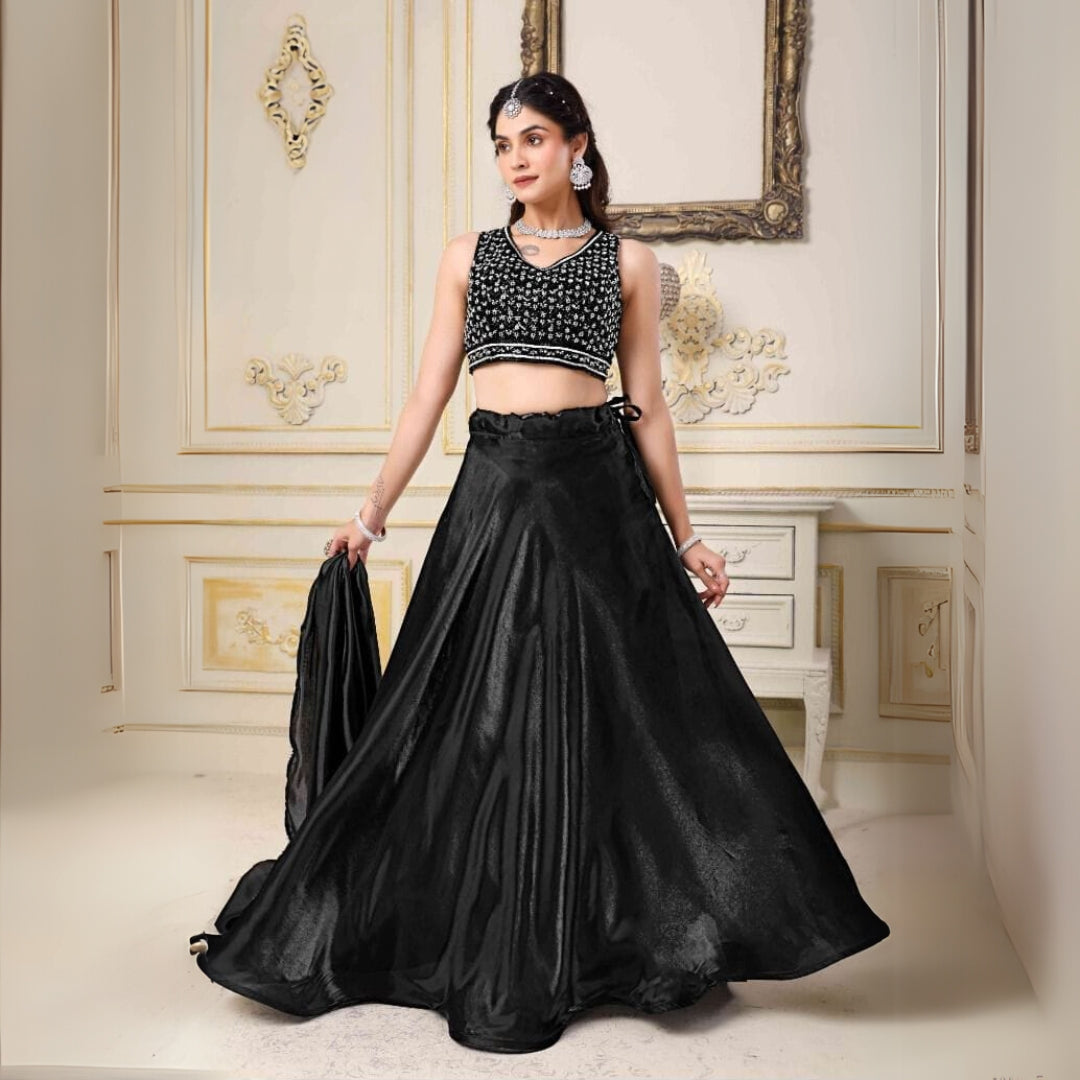
The first time I wore a saree to a family celebration, I felt like I had stepped into a gorgeous but complicated story. The fabric whispered tradition, the embroidery shimmered with history, and I was determined not to spend the evening clinging to my pallu while everyone else admired it. If you’ve ever felt nervous about walking in a saree for fear of tripping, you’re not alone. This guide gently transforms that nervous energy into poised confidence—step by step, pleat by pleat—so you can glide through any event with elegance and ease.
Why walking in a saree feels intimidating
Walking in a saree combines fashion with movement. Unlike stitched garments, a saree is a flowing, dynamic drape that reacts to every step. That freedom can feel liberating and unpredictable at once. Understanding the common challenges—loose pleats, long pallus, slippery fabrics, and high heels—helps you address them before they steal your spotlight.
Common causes of tripping in a saree
- Improperly secured pleats that unfold mid-walk
- Pallu length catching underfoot or getting pulled
- Ill-fitting blouse or waistband that allows the saree to slip
- Unsuitable footwear that restricts natural gait
- Uneven or unfamiliar surfaces like stairs, rugs, and cobblestones
Preparation: Choose the right saree and accessories
Preparation eliminates panic. Choose garments and accessories that support movement while enhancing style. Your choices at this stage shape how confidently you walk.
Selecting the ideal saree fabric
- Lightweight fabrics like chiffon, georgette, and crepe flow easily and are beginner-friendly.
- Heavier silks and brocades can be regal but need secure draping and sturdy pins.
- Choose fabrics with a subtle texture for grip; slippery satin or organza require extra care.
Pick the right length and fall
- Ensure the saree length suits your height; excess length increases trip risk.
- A properly sized petticoat (tight and well-tied) gives structure and prevents sagging.
Footwear and gripping insoles
- Low, chunky heels or well-cushioned flats give balance without sacrificing style.
- Practice walking in your event footwear before the occasion to build muscle memory.
- Non-slip pads and heel grips keep your foot steady inside the shoe and reduce foot slippage.
How to drape for stability and elegance
The way you drape determines the saree’s behavior. Small adjustments in pleats, pallu style, and pinning make all the difference between graceful movement and a wardrobe struggle.
Secure pleats for a steady walk
- Make neat, even pleats—about 5 to 7 depending on fabric thickness—to distribute weight evenly.
- Pin the pleats at the top and inside the petticoat securely; a hidden safety pin anchors the pleats to the waistband.
- Use a small safety stitch or a waist hook on the petticoat for additional hold if you plan to dance or move a lot.
Pallu styles that prevent tripping
- Classic over-the-shoulder pallu is elegant but can swing. Secure it with a decorative pin near the shoulder.
- Butterfly or seedha pallu reduces bulk and keeps the front free for walking.
- For active events, consider a pleated and pinned pallu or a belt to keep the drape compact and stable.
Strategic pinning and minimal movement
- Pin the saree at three key points: center pleat to petticoat, pallu to blouse shoulder, and side tuck for extra security.
- Avoid over-pinning which can make the saree stiff; balance structure and fluidity.
Walking technique: Move with purpose and poise
Walking in a saree is a gentle choreography. Your stride, posture, and foot placement all create an impression of ease. Practice a few simple techniques to look natural and composed.
Posture and core engagement
- Stand tall: imagine a string pulling your head upward to elongate your spine.
- Engage your core slightly to stabilize the hips; a steady core helps control the saree’s fall.
Stride and footwork
- Take slightly shorter, measured steps than you would in trousers—this reduces fabric drag and prevents the hem from catching.
- Place your foot down heel-first when possible; this controlled motion prevents sudden fabric shifts.
- Glide, don’t stomp. Smooth movement keeps the saree flowing and reduces trip risk.
Using hands gracefully
- Keep one hand near the pallu when walking through crowds or on uneven ground; this lets you steady the drape discreetly.
- Alternate resting the hand at your hip to create a natural balance and posture-enhancing silhouette.
Stairs, crowds, and uneven surfaces: smart strategies
Moments that make you pause—like stairs or crowded pathways—need special attention. With a few intentional moves, you’ll navigate these confidently.
How to walk up and down stairs
- Going up: gather the front of the saree slightly in your hand and lift it a little higher than the shoe line to avoid tripping.
- Going down: take small steps, keep the pallu secured, and place feet carefully; use a handrail if available.
- If wearing heels, take each step deliberately and hold the pallu in one hand for extra control.
Navigating crowded events and tight spaces
- Move side-on through narrow spaces to keep the saree close to your body.
- Secure the pallu with an extra pin when you anticipate jostling or dancing.
- Use a slim belt over the saree to anchor the drape during heavy movement.
Practice drills to boost confidence quickly
Confidence is trained. Short, focused practices will change how your saree behaves and how you feel in it. Implement these drills in front of a mirror or while moving around your home.
Daily five-minute practice
- Wear the saree and walk from one room to another, paying attention to stride length and posture.
- Practice picking up the hem slightly and walking up and down a few steps at home.
- Try turns and small twirls to see how the pallu moves; adjust pinning if needed.
Simulated event rehearsal
- Wear your complete outfit and rehearse entries and exits you expect at the event—walking through doorways, greeting guests, and sitting down gracefully.
- Practice sitting and standing several times; the pleats should remain intact and comfortable.
Quick fixes if you start to trip
Even with perfect preparation, unexpected moments happen. How you respond matters more than the stumble itself. Quick, composed fixes keep your dignity intact.
Immediate actions to regain control
- If a pleat comes loose, gather the fabric discreetly and tuck it back into the petticoat while you continue walking.
- If the pallu slips, grab it near the shoulder and re-pin quickly using an emergency safety pin or discrete brooch.
- If you feel a fall coming, bend your knees slightly and bring your center of gravity lower; this reduces the impact and prevents a dramatic trip.
Recovery with style
- Smile and compose yourself. A calm reaction turns attention away from the mishap.
- Excuse yourself to a private spot to adjust properly if needed—better to fix it once than to keep worrying.
Styling tips that double as functional aids
Your accessories can be both beautiful and practical. Thoughtful styling supports movement while elevating your look.
Belts, brooches, and supportive undergarments
- A slim saree belt anchors pleats and the pallu, creating a defined waistline and stabilizing the drape.
- Decorative brooches can pin the pallu in place while adding glamour.
- Supportive blouses with a secure back closure and a high-quality petticoat reduce slipping and maintain shape.
Practical pocket solutions
- Use a small wristlet or a belt bag worn under the pallu to carry essentials without disturbing the saree’s silhouette.
- Discrete side pockets in select petticoats give you hands-free convenience and reduce the urge to fiddle with the saree while walking.
Confidence is the final accessory
Walking in a saree is not just about avoiding trips—it’s about stepping into a role and owning it. The slightest shift in mindset transforms tentative movement into an assured glide. Breathe, stand tall, smile, and let the saree tell your story.
FAQ: Common saree walking questions answered
How can beginners walk in a saree without tripping?
Wear a well-fitted petticoat, make neat pleats, secure them with pins, choose stable footwear, and take shorter, controlled steps. Practice walking and stair navigation before your event.
What is the best footwear for walking in a saree?
Choose low to mid-height chunky heels, wedges, or sturdy flats with non-slip soles. Avoid very high stilettos on slippery or uneven surfaces; comfort and balance are key.
How do I keep the pallu from slipping while walking?
Pin the pallu at the shoulder to your blouse, use a small brooch for extra hold, or pleat and pin the pallu neatly. A decorative belt can also anchor it securely.
How to walk down stairs in a saree gracefully?
Lift the front portion slightly with one hand, take small steps, and place your feet deliberately. Hold the handrail if available and keep the pallu secured to prevent catching.
Can I wear heels with a saree if I am a beginner?
Yes—start with a low, comfortable heel and practice extensively. Consider heel grips and non-slip pads, and rehearse walking and stair movement in your chosen heels.
What quick fixes can I use if my pleats come undone?
Gather the loose fabric, tuck it neatly into the petticoat, and secure with a safety pin or brooch. Keep emergency safety pins and a small sewing kit in your clutch for urgent repairs.
Are certain saree styles easier to walk in?
Light fabrics with fewer embellishments and simple pleating styles are easiest. Pre-pleated sarees, lehenga-style sarees, and sarees with a sewn fall give more control for beginners.
Final thoughts
Walking in a saree without tripping is less about avoiding movement and more about preparing for it. With the right saree, secure draping, mindful footwear, and practical practice, you transform anxiety into effortless grace. Each step becomes a celebration of tradition and personal style—an invitation to own the room.
Ready to experience saree confidence firsthand? Explore our thoughtfully curated, luxury saree collection and find a piece that supports your movement and elevates your presence. Discover the perfect saree at Shreekama and walk into every moment with poise: https://www.shreekama.com/collections/traditional-saree