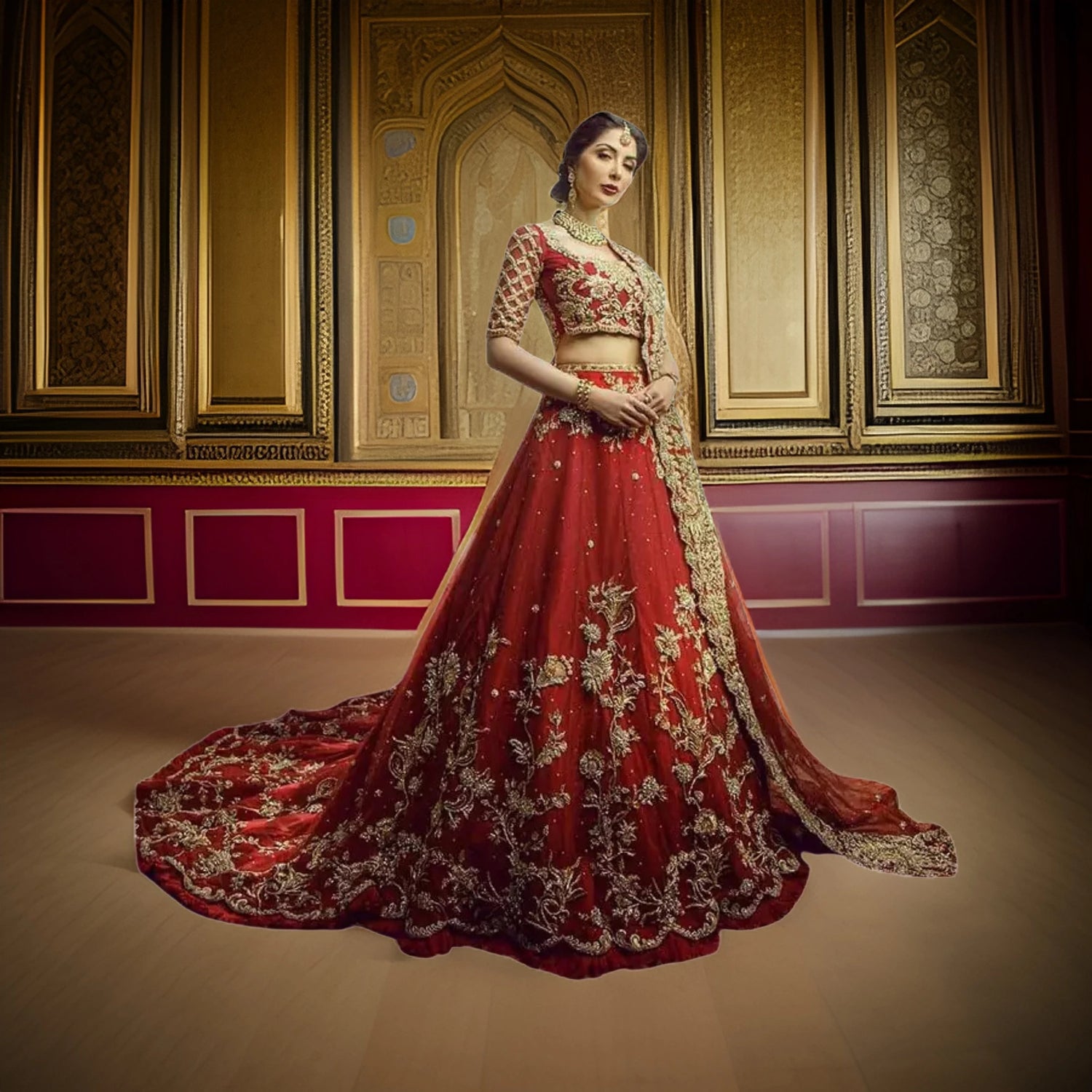
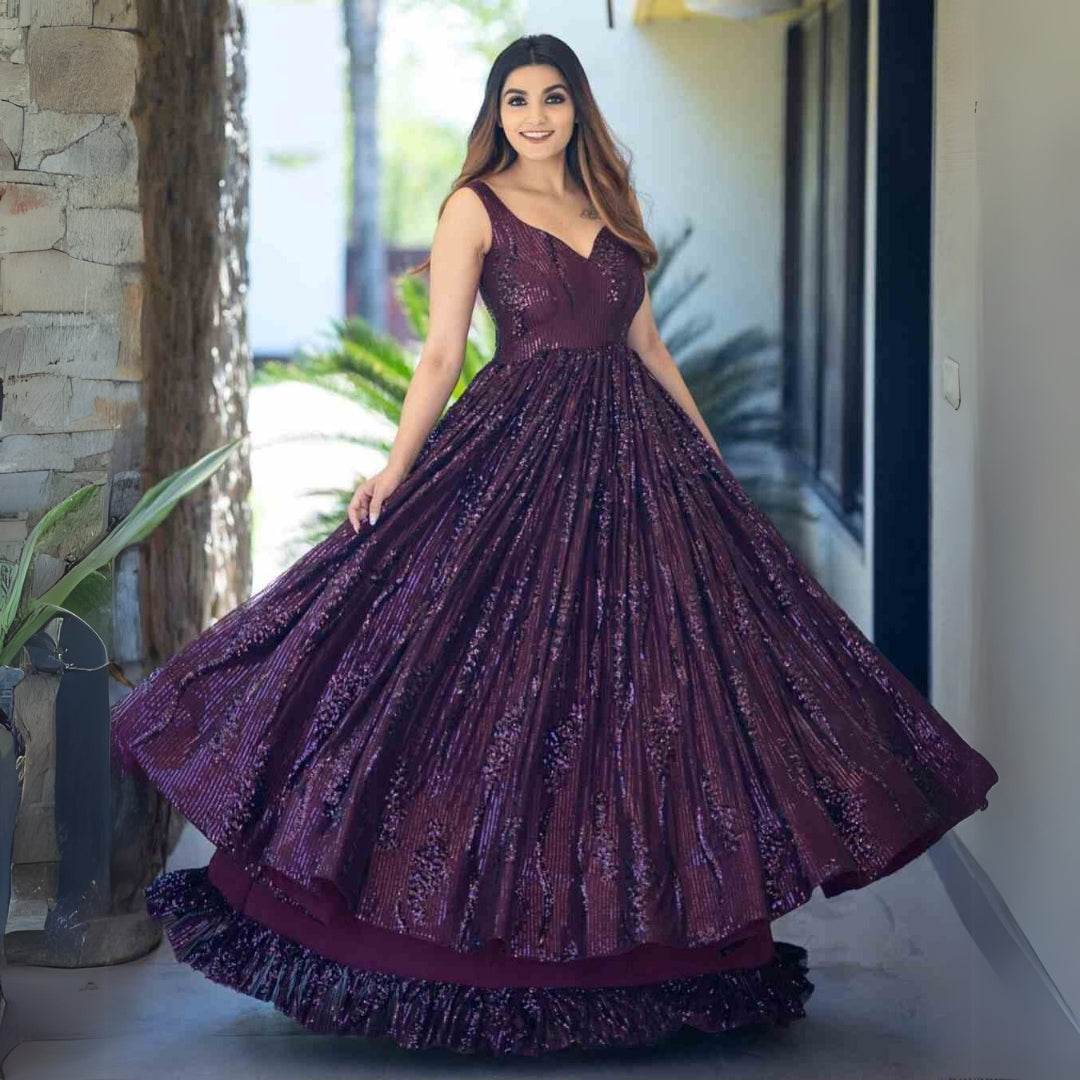
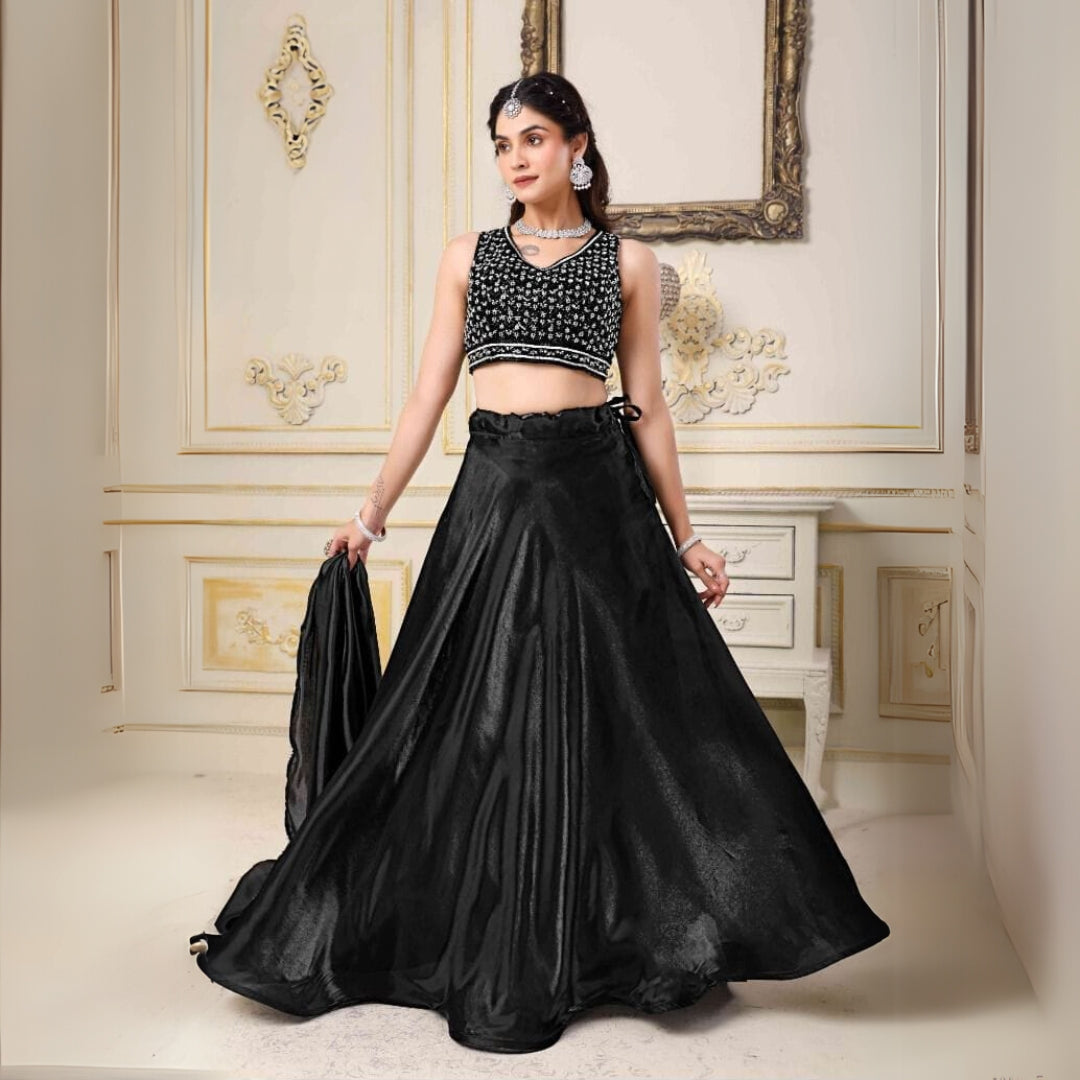
Shedding a single tear as the dupatta settled onto her shoulder, Aisha felt the weight of the moment — and the lehenga. It wasn't just fabric; it was heritage, craftsmanship, and a family’s dream stitched into layers of silk, zari and embroidery. Like many brides, she wanted to glide down the aisle—effortless, radiant, unforgettable—without being tripped up by her own trousseau. If the thought of walking in a heavy bridal lehenga makes your heart race, breathe easy. With thoughtful tailoring, the right footwear, posture training and small engineering tweaks, you can transform every step into a graceful statement.
Why heavy bridal lehengas feel daunting — and how to reframe the challenge
Heavy bridal lehengas command attention. They are sculpted looks that photograph beautifully and embody tradition. But that opulence often comes with bulky volumes, long trains, ornate embellishments and multiple layers that change the center of gravity. Instead of seeing weight as a limitation, treat it as a design feature to be optimized. The goal is comfort without compromising the aesthetic you’ve fallen in love with.
Quick answer: How to walk gracefully in a heavy bridal lehenga?
Walk with small, deliberate steps, maintain an upright posture, secure the lehenga at the waist, choose supportive footwear with a stable heel, and rehearse in full ceremony conditions. Small adjustments in fit and construction can dramatically improve comfort and mobility.
Tip 1: Get the perfect fit — tailored alterations that make a heavy lehenga feel light
A gorgeous lehenga can feel like a different garment once fitted to your body. A couture-level fit discreetly balances fabric and movement so your steps look effortless.
Why fit matters
- A tailored waistband keeps the lehenga anchored and prevents slipping.
- Strategic shaping at the hips and flare reduces excessive fabric pooling and tripping hazards.
- Alterations allow you to reduce unnecessary volume without losing the design’s essence.
Actionable tailoring tips
- Ask for a low-profile, reinforced inner waistband with hidden elastic panels to distribute weight evenly.
- Request a slightly raised waistline if you’re short — it prevents the hem from dragging and shortens the skirt length visually, making steps easier.
- Consider adding a lightweight, structured petticoat fabric instead of multiple heavy petticoats to maintain silhouette while cutting bulk.
- Work with an experienced bridal tailor to fine-tune the flare. Reducing flare at the floor but keeping volume around the silhouette achieves the same drama with more mobility.
Tip 2: Choose supportive bridal footwear and practice walking in it
Shoes are often an afterthought, yet they dictate how you carry your lehenga. Selecting the right shoe and building confidence in it are non-negotiable steps toward walking gracefully.
Best footwear strategies for a heavy lehenga
- Opt for a slightly chunky heel or a block heel for stability; kitten heels work if you prefer lower elevation.
- Consider cushioned insoles and heel grips to prevent slipping and absorb shock.
- If you love stilettos, bring a backup pair of flats for ground-level photos and the reception entrance.
Practice makes perfect
Rehearse walking in your wedding shoes while wearing the lehenga (or a mock-up). Start at home and then practice on surfaces similar to your venue—stone, wooden floors, grass or carpet. Pay attention to how long you can comfortably stand, ascend stairs, and pivot. This rehearsal builds muscle memory and reduces mid-ceremony surprises.
Tip 3: Master the lehenga hold and posture — choreography for confidence
Graceful movement is choreography. How you hold your dupatta, where your hands rest, and how you turn can change a heavy lehenga from cumbersome to comfortable.
Simple posture cues for an elegant walk
- Keep your spine long and shoulders relaxed but slightly back to create a regal posture.
- Tuck your chin slightly down to soften your profile and maintain balance.
- Engage your core lightly; this aids balance and reduces strain on your lower back.
How to hold your lehenga and dupatta
- For the skirt, gather a small portion of fabric on either side and secure it briefly with discreet pins or a loop in the waistband—this creates a makeshift bustle without altering the garment.
- When wearing a dupatta, pin it close to the shoulder with a safety chain or hidden hook to keep it from slipping during turns.
- Keep one hand gently resting near the waist for quick adjustments; the other hand can hold bouquet or jewelry to balance the look.
Tip 4: Optimize weight distribution — inner construction and smart hacks
Couture designers and skilled tailors know that how a lehenga is built matters as much as what it’s made of. Re-engineering inner construction can dramatically improve mobility.
Practical construction upgrades
- Install a reinforced inner waistband with soft but strong materials like grosgrain ribbon to distribute weight across the hips and avoid waist slippage.
- Add a concealed hook-and-eye system to secure the front panel; this prevents the skirt from shifting and reduces the need for constant adjustments.
- Replace heavy lining with breathable, lightweight fabrics that still provide structure—silk organza is a great balance between body and lightness.
Smart bridal hacks
- Use a temporary bustle for the reception to lift the hem without permanent alterations.
- Sew subtle grab-loops inside the waistband so you can pick up the hem with a finger discreetly when walking steps or navigating uneven surfaces.
- If your lehenga has a long train, consider a removable train attachment that your stylist can detach after the ceremony for easier movement.
Tip 5: Rehearse key moments and plan your movements
Rehearsal isn’t just for vows—it’s for motion. Identifying potential pinch points in advance allows you to choreograph a calm, composed entrance and exit.
Essential rehearsal checklist
- Practice walking your full entrance route at the venue if possible. Note lighting changes, steps, and carpet transitions.
- Rehearse pauses and turns so they feel natural. Small, deliberate steps look more elegant than hurried strides.
- Simulate photo stops so you and your photographer know where to pause without disrupting flow.
Coordination with your bridal team
Brief your photographer, makeup artist, and wedding planner about moments you might need support—lifting the lehenga for stairs, adjusting the dupatta, or pausing for family portraits. A synchronized team reduces anxiety and keeps your focus where it belongs: on enjoying your day.
Bonus strategies: Quick comfort wins every bride should know
- Hydrate and rest: fatigue alters your gait, making movement heavier and posture slouch. Proper rest boosts stamina for a long day in a heavy ensemble.
- Use fashion tape and clear safety pins to anchor delicate edges without harming fabric.
- Pack a bridal emergency kit with extra pins, a small sewing kit, deodorant, heel protectors for grass, and a mini fan to keep cool under heavy layers.
- Schedule fittings as close to the wedding as possible to accommodate any last-minute body changes and ensure the lehenga still fits perfectly.
Real bride insight: How these tips changed the walk
Aisha’s sister suggested a two-step plan: reinforce the waistband, switch a petticoat to organza, and rehearse with a pair of cushioned block heels. On the big day, Aisha walked slowly, held a small pleat at her hip, and trusted her team to adjust the dupatta for photos. Her entrance wasn’t about hiding the weight of the lehenga but about showcasing its beauty while feeling steady and proud. That quiet confidence is what made the moment unforgettable.
Concise answers for common voice-search queries
How can I walk in a heavy bridal lehenga without tripping?
Take small, controlled steps, secure the lehenga at the waist, hold a small pleat in your hand if needed, and practice in your wedding shoes beforehand.
What shoes are best for a heavy lehenga?
Supportive block heels or mid-height heels with cushioned insoles provide stability and comfort while maintaining elegance.
Can a heavy lehenga be altered to feel lighter?
Yes. Replacing heavy linings, reducing unnecessary flare, and adding a reinforced waistband with lighter inner fabrics can make the lehenga significantly easier to move in without changing the look.
FAQ — Heavy Bridal Lehenga Comfort
Q: How many fittings do I need for a heavy bridal lehenga?
A: Plan for at least three fittings: initial, mid-way for design confirmation, and final close to the wedding day. Extra fittings let you adjust weight distribution, hem length, and waistband comfort based on your walking practice.
Q: Is it okay to remove some embellishments to reduce weight?
A: Yes, if done thoughtfully. Removing non-essential beading from the hem or inner layers can reduce weight without visible loss of design. Consult your designer to ensure balance and aesthetics remain intact.
Q: How do I prevent my lehenga from catching on stairs or chairs?
A: Create a temporary bustle or use concealed loops to lift the hem. Practice stair-walking and ask your attendants to help when ascending or descending multiple steps.
Q: What if I feel dizzy or off-balance on the day?
A: Stop, breathe, and sit for a moment. Have a trusted person on standby with a stool or seat. Hydration, light snacks, and a short rest usually restore balance quickly. Avoid rapid position changes in heavy attire.
Q: Can I wear flats with a heavy bridal lehenga?
A: Absolutely. Flats with good arch support and padding can be comfortable and stable, especially for outdoor or grass venues. Choose embellished flats or juttis that complement the lehenga if you prefer no heel.
Q: Should I alter the length of my lehenga hem for walking comfort?
A: Hem adjustments are common and recommended. The hem should slightly graze the floor while you stand in your wedding shoes — not drag. This prevents tripping and keeps the silhouette proportionate.
Final thoughts: Own your walk, own your story
Your bridal lehenga is a piece of art meant to highlight your beauty, not hinder it. With intentional alterations, the right shoes, posture practice, inner construction tweaks and rehearsals, you can move through your day with poise and presence. Imagine stepping into the venue not fearful of the weight but proud of the heirloom you carry—walking not just toward a partner but toward a memory that will be photographed, cherished and retold. That is the power of preparation meeting design.
Ready to find a lehenga that feels as magnificent as it looks? Explore Shreekama’s exclusive couture collection and discover handcrafted designs that prioritize both beauty and wearability. Browse our curated lehengas and book a consultation to tailor your perfect bridal experience: https://www.shreekama.com/collections/lehengas