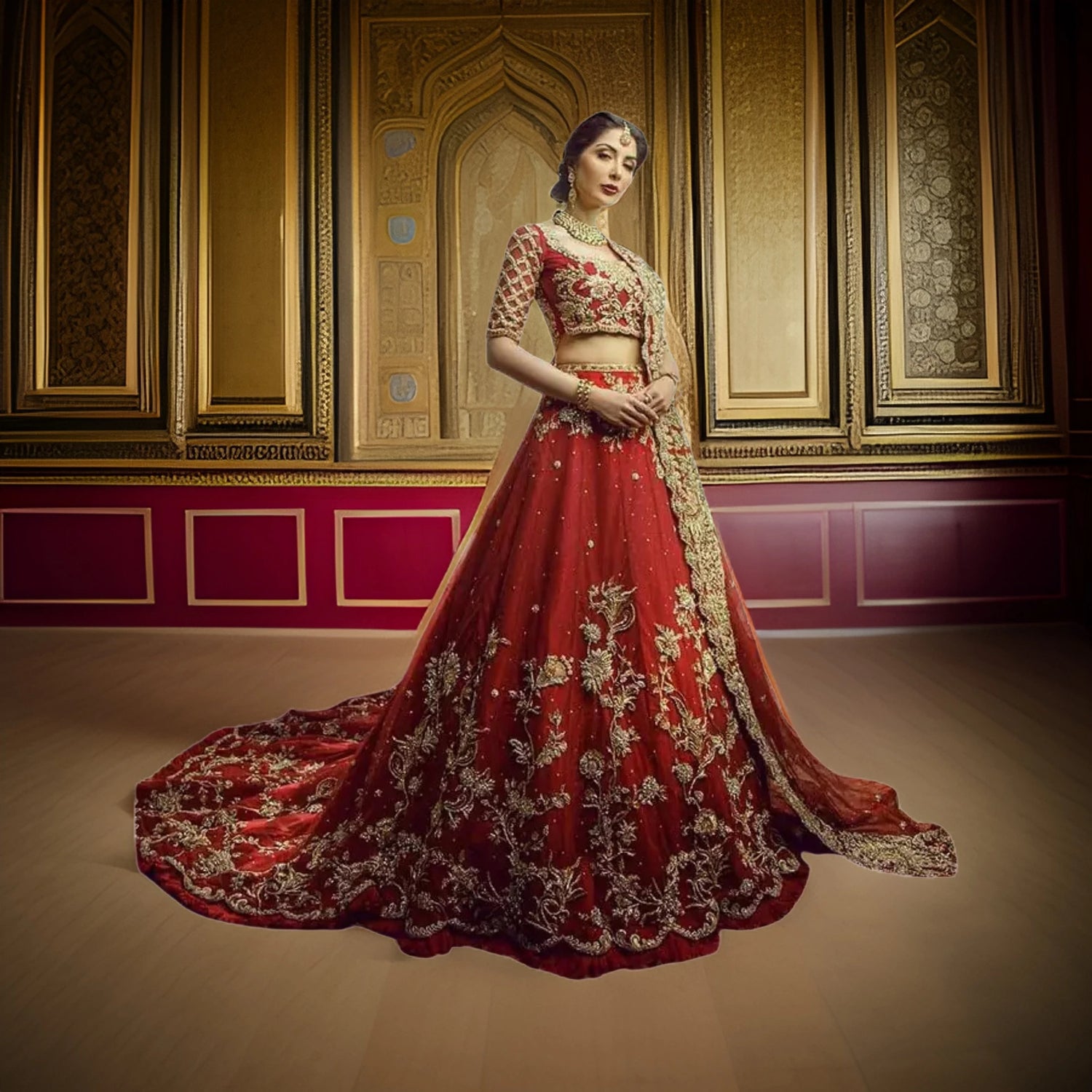
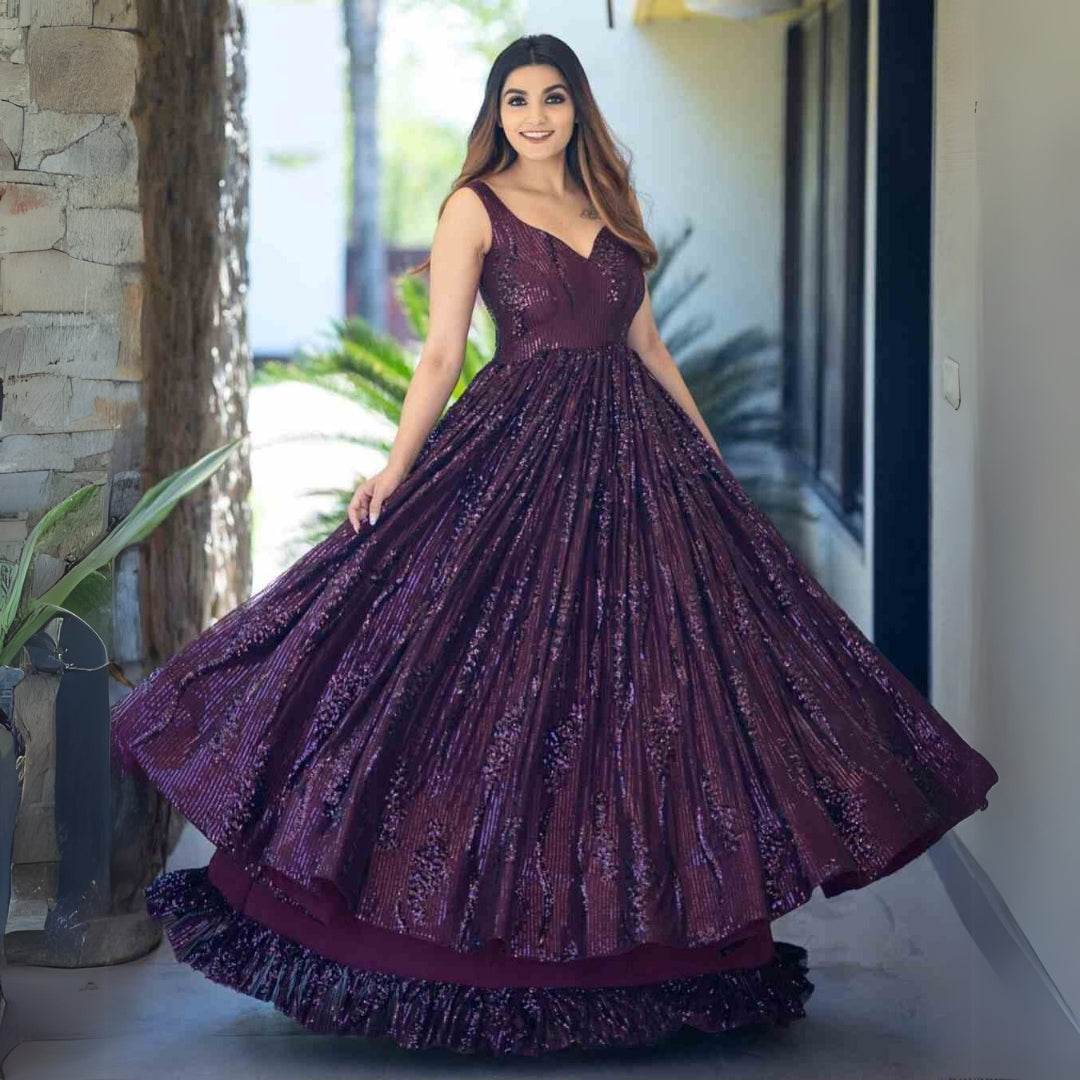
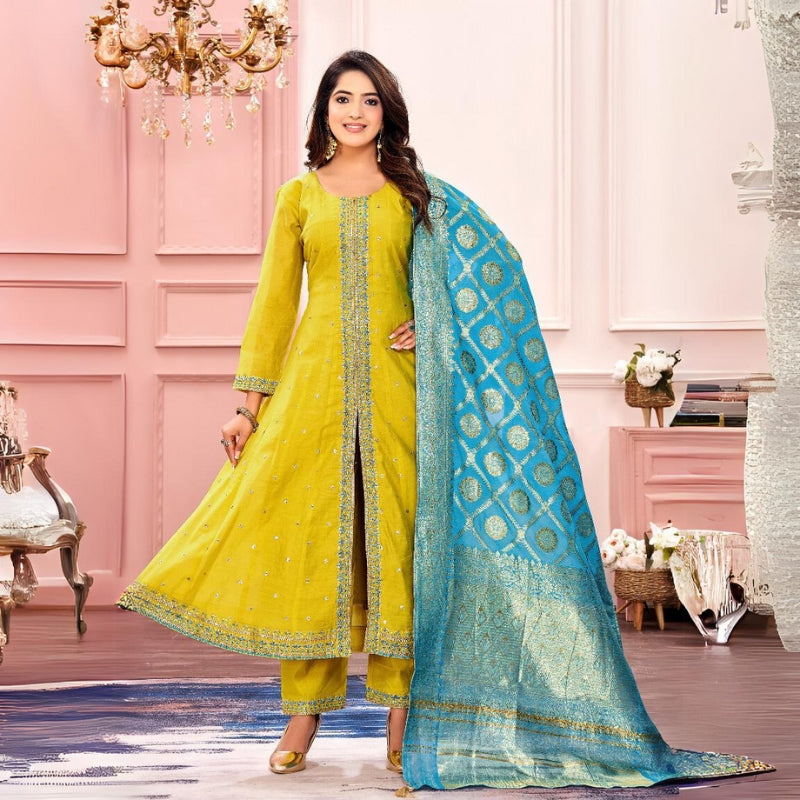
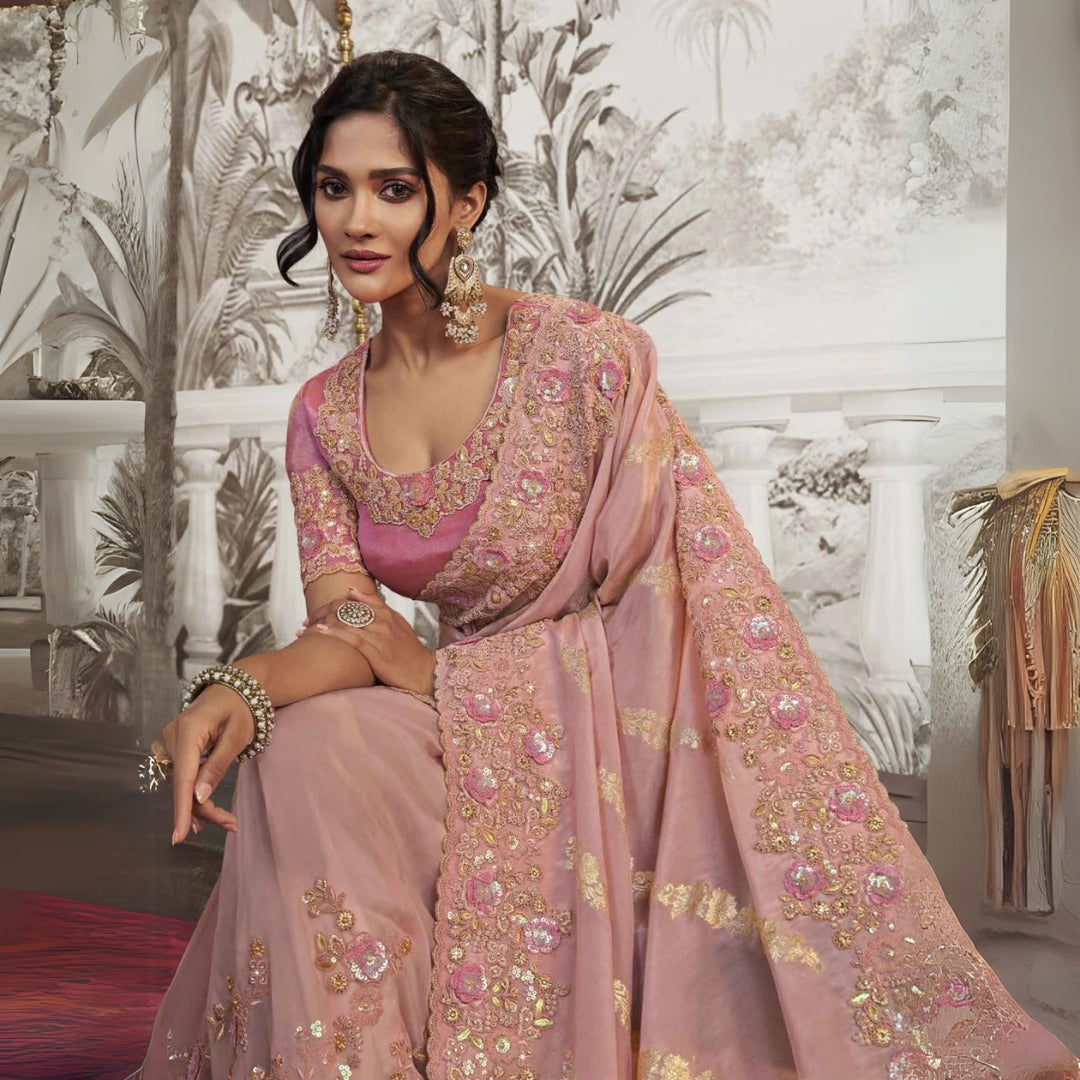
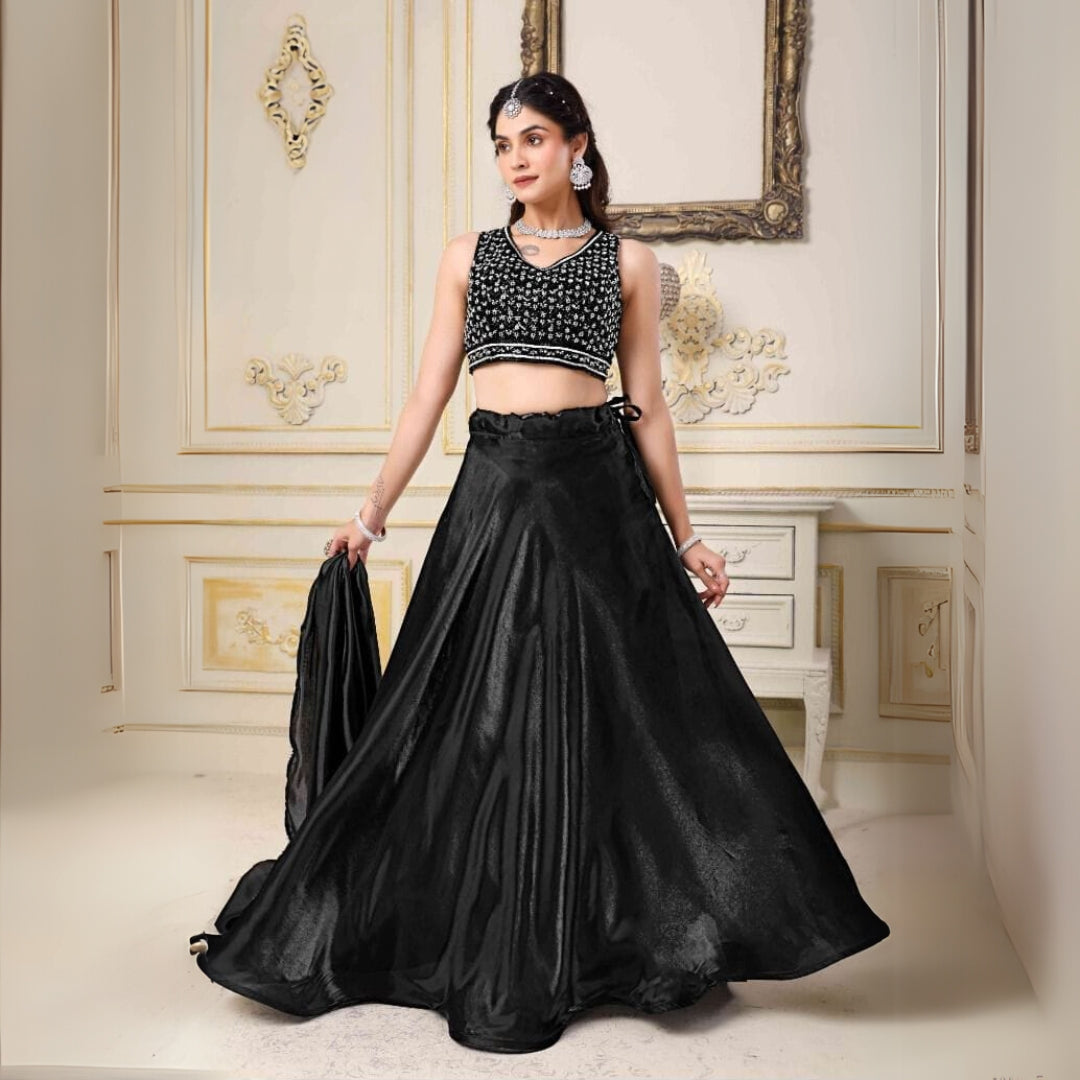
There’s a moment when a woman steps into a room and time bends around the sweep of fabric—when a lehenga takes on the timeless poetry of a saree. Draping a dupatta like a saree on a lehenga is more than a styling trick; it’s an instant elevation, a whisper of tradition with a modern twist. Whether you’re preparing for a wedding, a grand reception, or an intimate celebration, mastering this drape gives you the drama of a saree and the comfort of a lehenga. Here’s an elegant, step-by-step guide to achieve that regal silhouette with confidence and ease.
Why drape a dupatta like a saree on a lehenga?
The elegance factor
Draping a dupatta like a saree creates an elongated torso and a cascading pallu that flatters every body shape. The flowing pallu frames the face, enhances movement, and lends a cinematic quality ideal for bridal entrance photos, slow-motion videos, and memorable dance moments.
Versatility and modern romance
This drape bridges classic and contemporary tastes. It gives brides the nostalgia of a saree without the same amount of upkeep, while fashion-forward women can experiment with belts, structured blouses, and asymmetrical pleats for a couture look.
Comfort without compromise
Unlike a saree, a lehenga base secures your skirt so you can dance, climb stairs, and move freely. The dupatta-as-saree approach keeps the freedom of a lehenga while delivering the grandeur of a saree pallu.
Choosing the right materials and blouse for the saree-style drape
Best fabrics for a saree-style dupatta
- Lightweight silks and georgettes: Hold pleats beautifully and create a graceful fall.
- Organza and chiffon: Deliver ethereal volume without weight—perfect for romantic pallus.
- Net with borderwork: Offers structure for dramatic folds while showcasing embroidery.
- Velvet or heavy brocade: Best paired with a sturdier drape technique and inner tucks to prevent slipping.
Blouse cuts that complement the drape
- Deep U or V back blouses allow the pallu to flow elegantly and highlight back jewelry.
- High-neck or illusion mesh blouses create a regal look when the pallu is pinned over the shoulder.
- Cropped or peplum blouses work well with belted styles to maintain a modern silhouette.
Accessories to elevate the look
- Statement kamarbandh or waist belt to anchor the dupatta and define the waist.
- Decorative pins with fabric loops to secure pleats discreetly.
- Back chains and dori details for added glamour when the pallu cascades down the back.
Step-by-step: How to drape a dupatta like a saree on a lehenga
What you’ll need
- Dupatta of suitable length (ideally 2.5 to 3.2 meters depending on desired pallu length)
- Safety pins and decorative pins
- Optional: waist belt or kamarbandh
- Non-slip inner fabric or clear grip strips for heavier materials
Step 1: Prepare the dupatta
Lay the dupatta flat and decide which border will be the pallu edge. If you want dramatic flow, choose the heavier, embroidered border for the pallu. Smooth out creases and make a small box pleat at the beginning to create a neat starting point.
Step 2: Create neat pleats for the pallu
Form uniform pleats about 1.5 to 2 inches wide. For lightweight fabrics, slightly narrower pleats create a delicate effect; for heavier materials, larger pleats prevent bulk. Pin the pleats together at the top edge with a small safety pin so they stay intact while you move.
Step 3: Tuck the dupatta at the waist
Start tucking at the right side of your waist (or left if you prefer) like you would while wearing a saree. Tuck the top edge into the lehenga waistband, about 2 to 3 inches from the side seam. Make sure the tuck feels secure—this is the anchor for your entire drape.
Step 4: Wrap and bring the fabric around the torso
Bring the dupatta around your back and across the front, smoothing the fabric under the bust for a neat silhouette. If your lehenga has a high waistband, tuck the fabric slightly under it to keep everything in place. Adjust the cover at the back so the dupatta crosses cleanly over the midriff.
Step 5: Drape the pleated pallu over the shoulder
Bring the previously pleated end up and over your left shoulder so the pallu falls elegantly down your back. Secure the pleats on the shoulder with a decorative pin through the top pleat into the blouse fabric—avoid over-pinning which may damage delicate embroidery. If you prefer a clog-free front, pin the pallu to the shoulder and then tuck the front edge at the waist to anchor both ends.
Optional: Belt the look
Place a slim kamarbandh or statement waist belt over the dupatta at the waistline. This instantly modernizes the look, keeps the dupatta immobile, and accentuates your waist. Belting is ideal for outdoor events or for brides who want to dance freely.
Finishing touches
- Splay the pallu slightly at the shoulder so it frames your face when you turn.
- If you have heavy embroidery, add a second pin at the shoulder's underside to distribute weight.
- Adjust the length of the pallu so it grazes the floor slightly or ends at the calf for easier movement.
Styling variations to personalize your saree-style dupatta
Half-saree inspired drape
Tuck one end at the waist, bring the fabric across the front and over the shoulder, but leave the pallu draped in front to create a half-saree look. This is youthful and works beautifully with layered lehengas.
Belted couture look
Use a statement metal or embroidered belt to clinch the dupatta at the waist. The belt enhances shape and adds a contemporary silhouette perfect for receptions and cocktail events.
Back-fall pallu with hair integration
Let the pallu cascade fully down the back and weave a small section of the pallu into your hairstyle—braid the two together or pin them into a bun for a cohesive, editorial look.
Quick troubleshooting and professional tips
How to prevent slipping
- Use small non-slip strips along the inside of the dupatta where it meets the blouse.
- Pin the pleats to the blouse at the shoulder rather than only to the dupatta to distribute weight.
- Choose an inner tucking layer like a petticoat with a firm waistband for extra grip.
Adapting for heavy embroidery or heavy dupattas
Heavy dupattas require more anchoring. Create fewer, larger pleats and anchor them both at the shoulder and the waist. A hidden inner pin between the pleats and blouse fabric prevents sagging.
Sizing and proportions for different heights
If you are petite, create narrower pleats and keep the pallu length shorter to avoid overwhelming your frame. Taller women can opt for longer pallus and larger pleats for grander movement.
From emotion to image: How the drape transforms presence
Imagine the bride stepping forward, the dupatta’s pallu skimming the floor like a soft vow. The saree-style drape is cinematic: it slows breaths, commands camera lenses, and creates a memory that photographs beautifully. When you drape with intention, you don’t just wear an outfit—you tell a story of heritage, style, and personal flair. At Shreekama, we design lehengas and dupattas that respond to this storytelling, crafted to fall and float exactly where you want them to.
Common mistakes and how to avoid them
- Over-pleating: Too many tiny pleats create bulk—aim for balance.
- Under-anchoring: Insufficient pins lead to mid-ceremony wardrobe fuss—secure both shoulder and waist.
- Ignoring weight distribution: Heavy borders need double anchoring—use a pin at the shoulder and a tuck at the waist.
FAQ — Frequently Asked Questions about draping a dupatta like a saree on a lehenga
Can I drape any dupatta like a saree on a lehenga?
Short answer: Yes, with the right technique. Lightweight fabrics like chiffon, georgette, and organza are easiest. For heavier dupattas, make larger pleats and secure extra anchoring points at the shoulder and waist.
How long should the dupatta be for a saree-style drape?
Concise answer: Ideally between 2.5 to 3.2 meters. Longer dupattas create a dramatic pallu, while shorter ones offer a neater, modern look. Adjust based on your height and desired pallu length.
Is it safe to wear a saree-style dupatta while dancing?
Yes. Secure the dupatta with a pin at the shoulder and tuck the front at the waist or use a belt to prevent slipping. For energetic dance sequences, consider a belt to anchor the drape fully.
How do I get a saree-like pleat with a dupatta?
Form uniform pleats about 1.5–2 inches wide, pinch them together at the top, and pin them to the shoulder. Tuck the starting edge into the waist to mimic a saree’s clean tuck.
Can I pair a saree-style dupatta with a modern blouse?
Absolutely. Contemporary blouses with cutouts, sheer panels, or structured necklines work beautifully. The contrast between a traditional pallu and a modern blouse creates a fashion-forward statement.
What if my lehenga has a heavy border—will it still work?
Yes. With a heavy border, make fewer pleats and anchor the dupatta at multiple points: waist tuck, shoulder pin, and an optional inner pin to the lehenga lining to evenly distribute the weight.
Final styling checklist before you step out
- Check that the pallu length is comfortable and not dragging excessively.
- Ensure pins are hidden and secure—test movement by raising your arms and taking a few steps.
- Decide on a belt or no belt based on the event and how much dancing you’ll do.
- Match footwear to hem length to avoid tripping tips—heels for shorter hems, flats for very long pallus.
At Shreekama, we believe every drape is a declaration of taste. With the right fabric, a calm hand, and a few expert tricks, you can drape a dupatta like a saree on a lehenga and feel every bit the regal, confident woman you are. Ready to create unforgettable moments? Explore our meticulously curated lehenga collection and find the perfect pieces that drape, move, and shine with you. Shop our exclusive lehengas and begin your story with Shreekama.