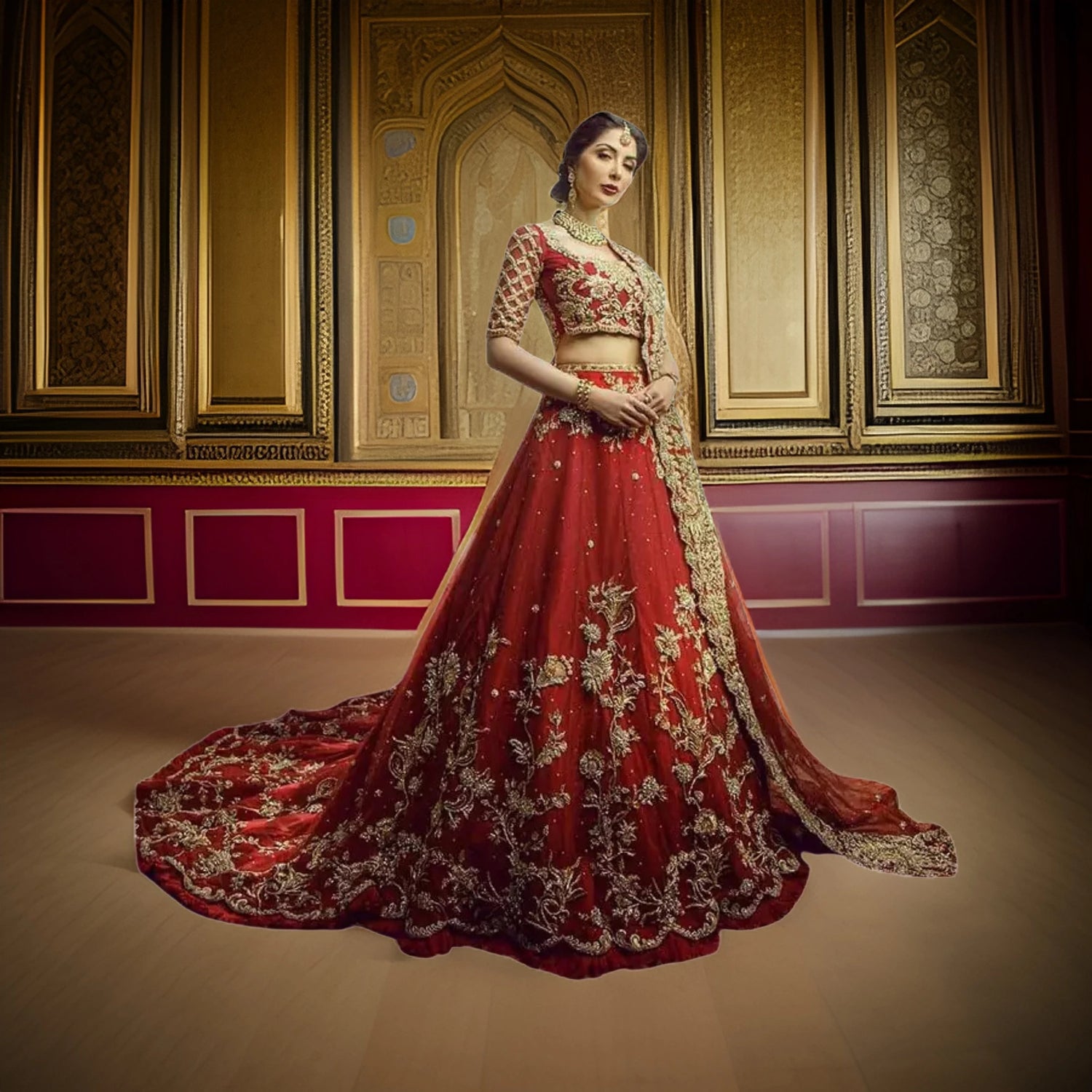
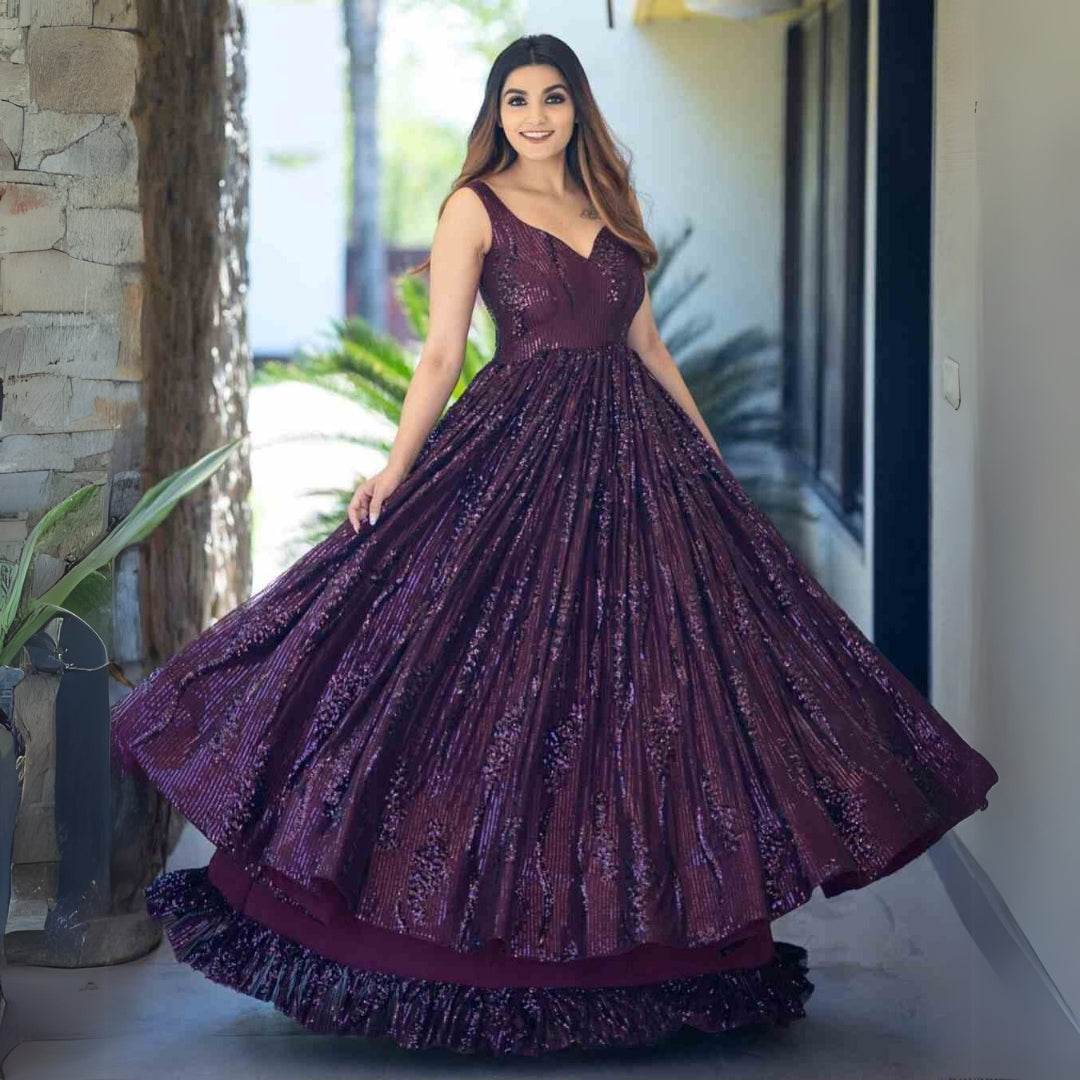
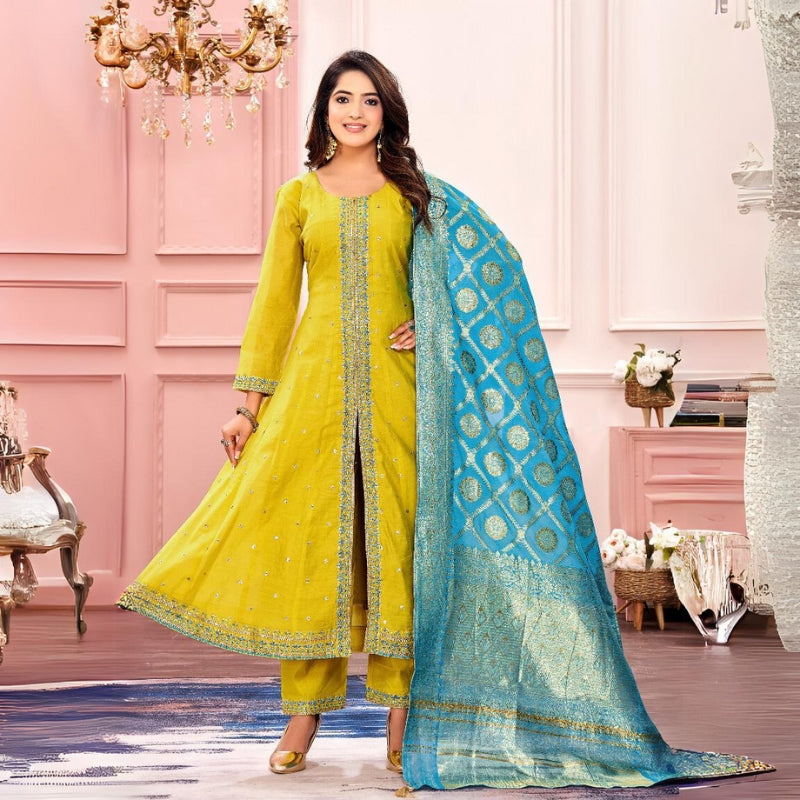
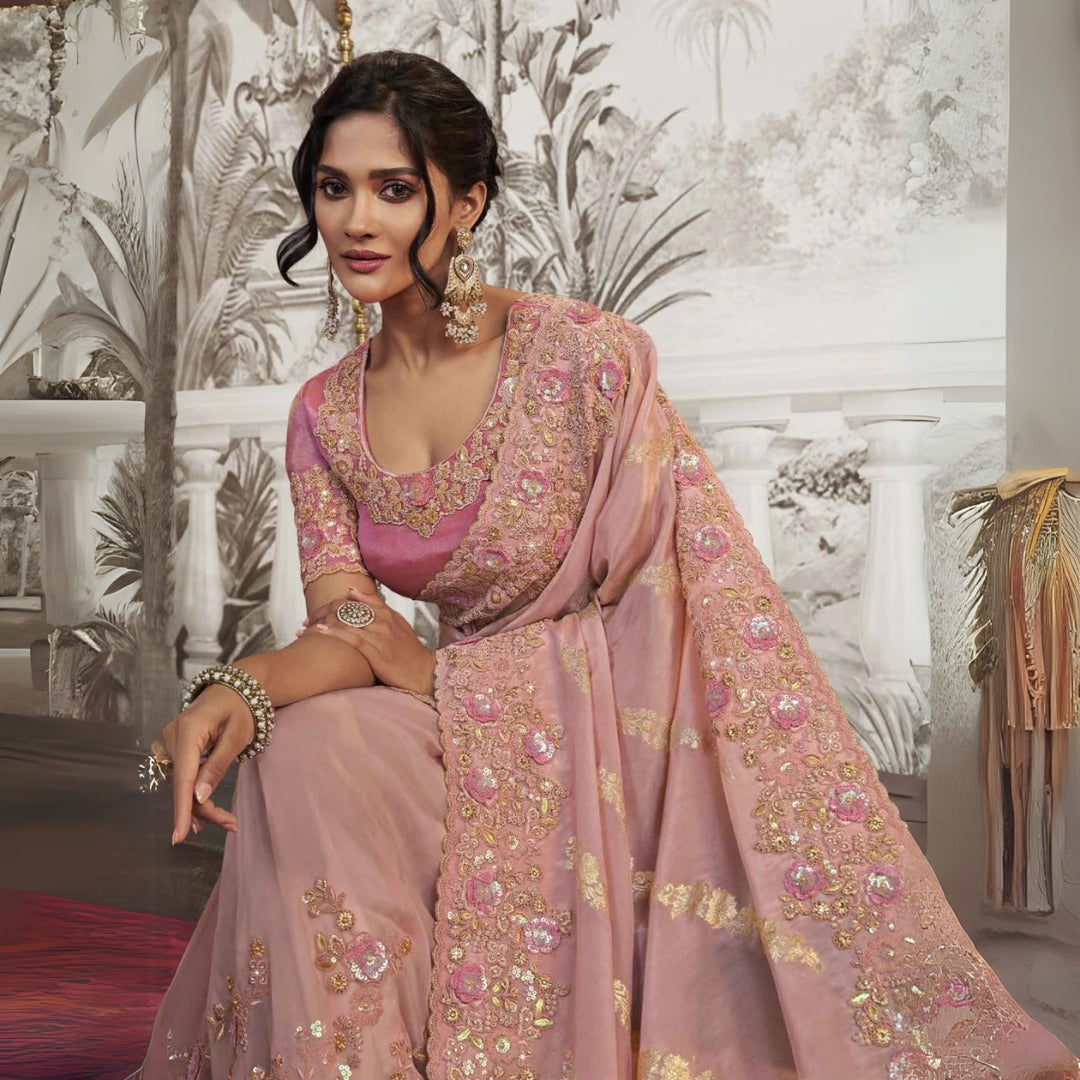
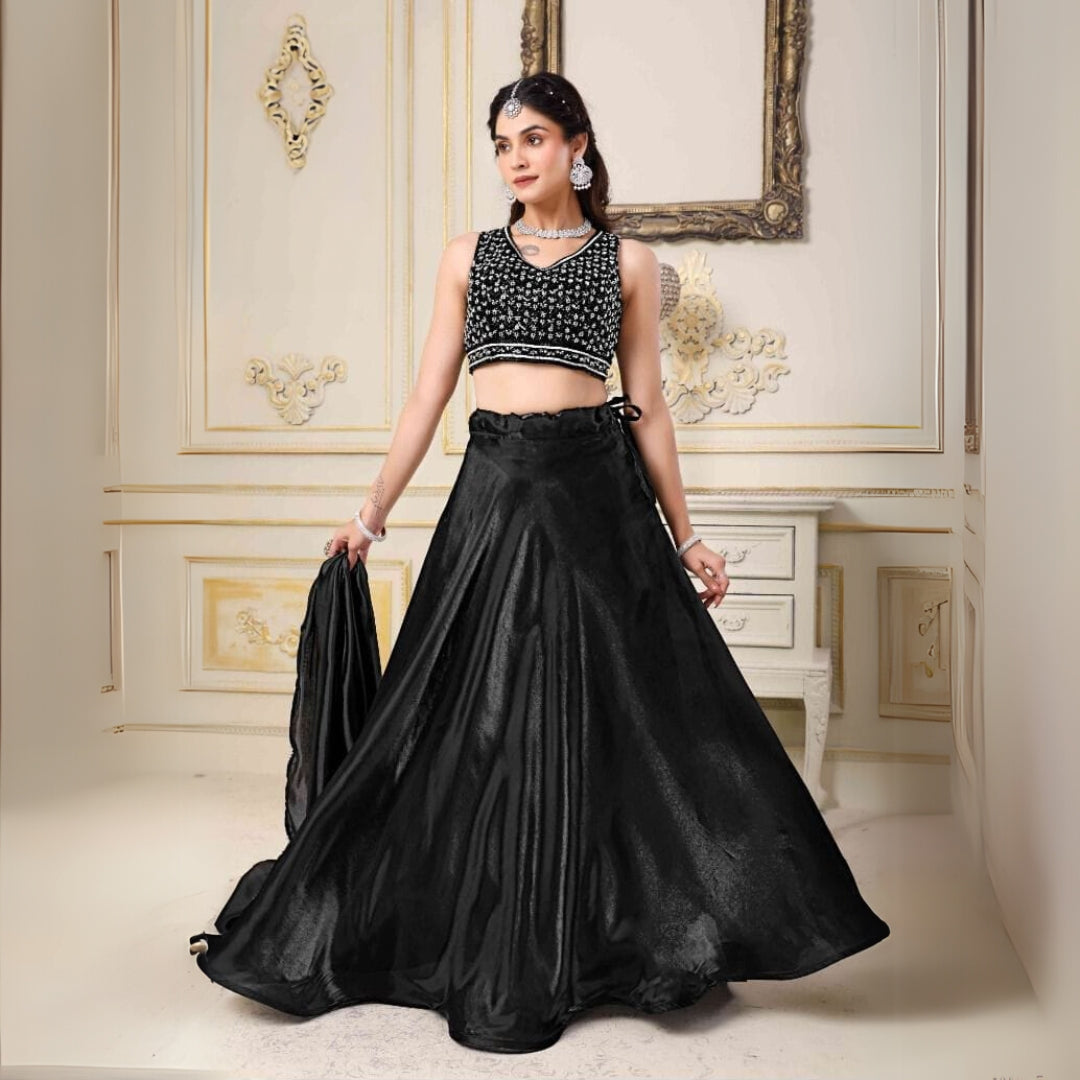
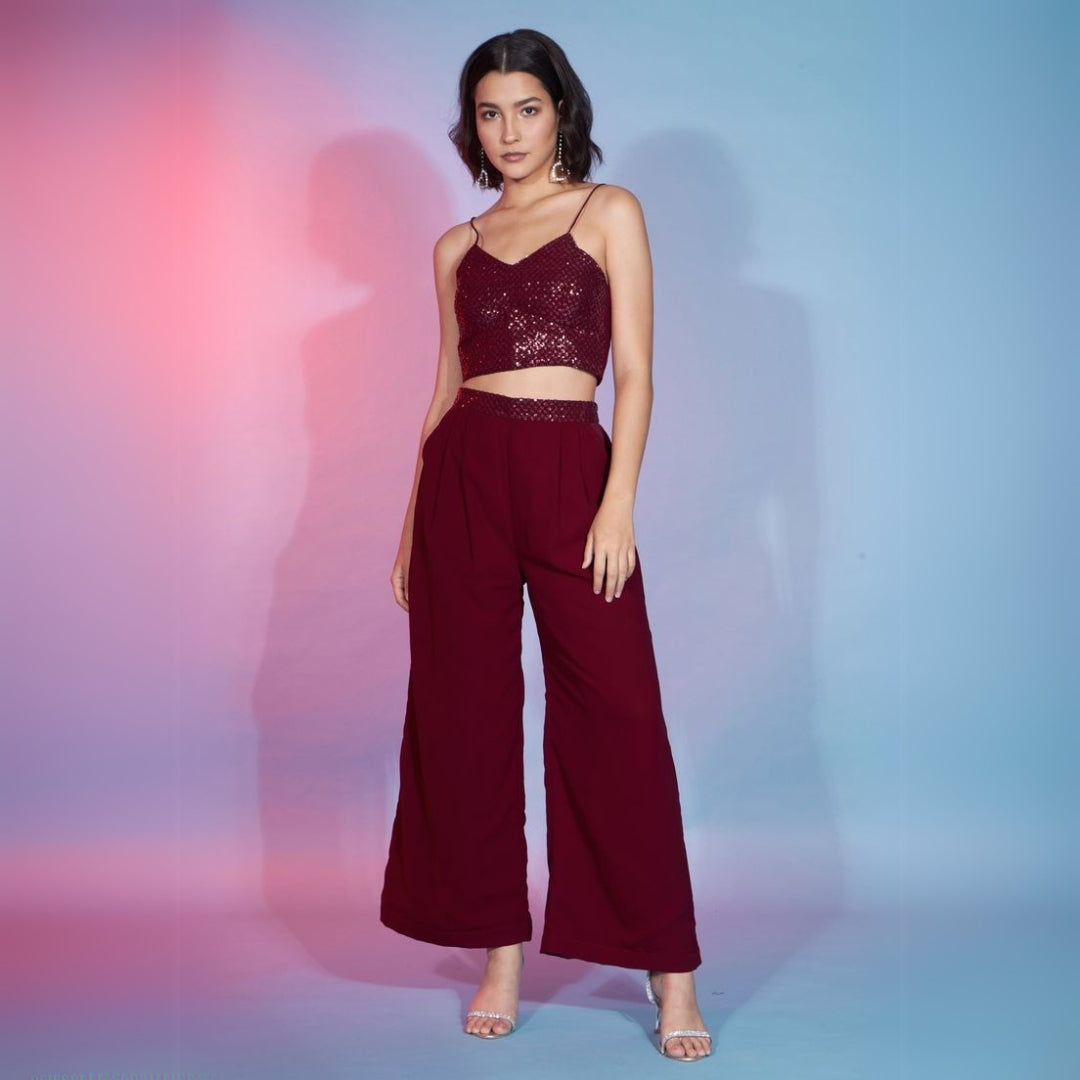
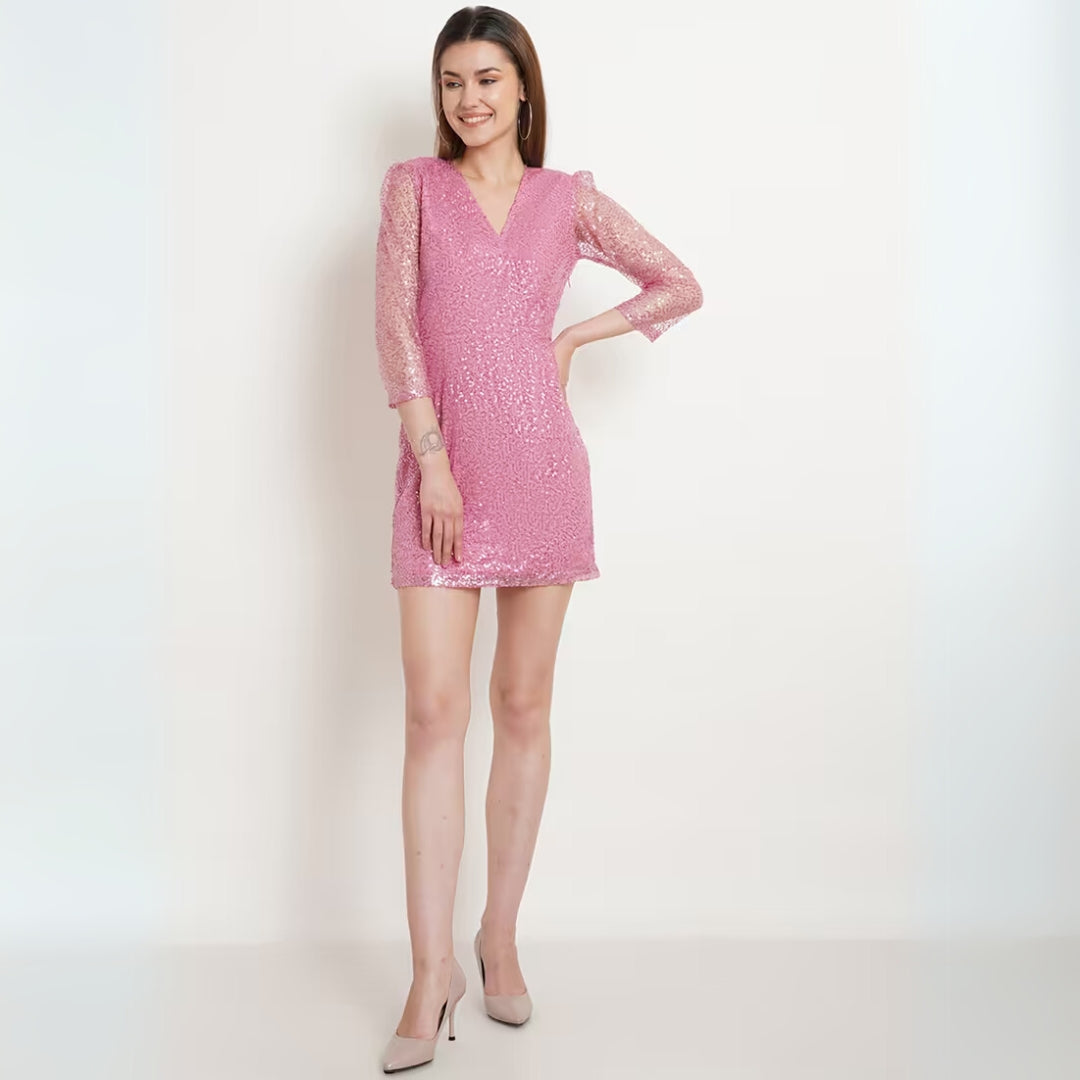
Imagine stepping onto the dance floor, every eye drawn to your movement, your outfit fluttering like a luxurious whisper around your shoulders—yet your hands are completely free. At Shreekama, we believe fashion should empower motion and elevate moments. The dupatta-as-cape trend transforms tradition into fearless modernity: it keeps the grandeur of classic Indian silhouettes while giving you the liberty to swirl, twirl and celebrate without restraint. Whether you’re a bride ready to steal the spotlight or a wedding guest craving comfort with couture, these styling hacks will help you master the hands-free dance with confidence and style.
Why Choose a Dupatta as a Cape: Style Meets Function
Wearing a dupatta as a cape blends heritage with practicality. It’s a powerful styling choice that instantly turns any lehenga, saree or anarkali into a statement look. Here’s why it’s become the go-to for modern brides and fashion-forward guests:
- Hands-free movement: Ideal for energetic dance floors and long celebrations.
- Instant drama: The cape silhouette creates sweeping lines that photograph beautifully.
- Versatility: Works with heavy embroidery or minimalist designs; easily customized with pins, belts or brooches.
- Comfort and coverage: Offers graceful coverage while maintaining a contemporary edge.
- Seamless transition: Move from ceremony to reception without changing outfits—simply adjust the drape.
Quick answer for voice search
What is a dupatta-as-cape? It’s a dupatta draped over the shoulders like a cape, secured for hands-free movement while preserving traditional elegance.
Best Fabrics and Dupatta Types for Cape Styling
Selecting the right fabric is the foundation of a flawless cape. Weight, fall, and finish determine how the dupatta will float and hold its shape while you dance.
Lightweight options for dramatic flow
- Georgette: Flowy, breathable, and ideal for layered cape effects.
- Chiffon: Ethereal movement and soft drape for romantic twirls.
- Organza: Offers body with translucent elegance when you want structure without heaviness.
Rich textures for regal silhouettes
- Silk: Luxurious fall and sheen, best for weddings and formal events.
- Velvet: Heavy, plush, and excellent for winter festivities; pairs well with minimal embellishment to avoid overburdening.
- Banarasi or brocade panels: Use as a collar or panel on a cape to add opulence without full weight.
Step-by-Step Draping Hacks for Hands-Free Dancing
These practical draping techniques are designed for secure, elegant, and dance-ready looks. Each method includes a quick tip for fastening and maintaining the drape throughout an energetic celebration.
1. The Half-Cape with Shoulder Pin
Ideal for quick transformations and last-minute adjustments.
- Fold the dupatta lengthwise once or twice depending on desired volume.
- Drape over both shoulders like a shawl, keeping one side slightly longer.
- Secure each shoulder with a discreet safety pin or decorative brooch into the blouse seam.
- Quick tip: Use a small, reinforced safety pin on the inside so it won’t snag embroidery.
2. The Center-Back Anchored Cape
Perfect for symmetrical, regal movement and dramatic train-like flow.
- Place the center of the dupatta at your nape so it falls evenly on both sides.
- Tuck a hairpin or a waist-level anchor into the blouse or inner bra loop to secure the center at the back.
- Let the fabric fan out from the back—this creates a cape-like train that moves with you.
- Quick tip: Add a belt at the waist if you want a cinched, couture look that keeps the cape close during spins.
3. The One-Shoulder Cape with Hidden Pin
Contemporary and bold—great for cocktail receptions and bridal sangeet performances.
- Drape the dupatta over one shoulder, bringing it diagonally across the back to the opposite arm.
- Secure the top corner to your blouse with a sturdy brooch or hidden clip.
- Use a small safety pin at the underarm seam to anchor the lower edge, ensuring it won’t slip while dancing.
- Quick tip: Accent this style with a shoulder embellishment or epaulet for runway-ready drama.
4. The Belted Cape: Fashion-Forward and Secure
The most practical option for hands-free movement and defined proportion.
- Drape the dupatta evenly over the shoulders and bring both ends to the front.
- Secure the ends under a statement belt placed at the natural waist or just above the hips.
- The belt keeps the cape close to your body, minimizing slippage during vigorous dancing.
- Quick tip: Opt for a fabric belt with a soft lining to avoid damaging delicate embroidery.
Embellishment and Styling Tips for Maximum Impact
A few smart styling choices can elevate a simple dupatta-cape into haute couture. Pay attention to edges, embellishments, and the neck area to create a cohesive, luxe look.
Edge Treatments that Catch Light
- Sequin borders amplify motion and look stunning under venue lights.
- Gota patti or zari trims give traditional richness and structure to the cape edge.
- Fringe or tassel details at the ends add playful movement for dance sequences.
Necklines and Blouse Pairings
- High-neck blouses balance voluminous capes for a regal silhouette.
- Strapless or off-shoulder blouses pair well with lightweight capes for a contemporary vibe.
- Structured collars or detachable neckpieces reinforce the cape’s frame and create couture-worthy lines.
Jewelry and Accessories
- Statement earrings work best when hands are free—let your neck and face shine.
- A sleek cuff or hand harness can substitute for heavy bangles that might interfere with movement.
- Brooches or pins act as both functional anchors and ornamental focal points.
Event-Specific Styling: Match Your Mood and Venue
Every celebration has its vibe. Choose a dupatta-cape style that complements the event’s energy, whether it’s a lively baraat or an intimate reception.
For the Bride Who Wants to Glow on the Dance Floor
- Pick organza or chiffon with subtle sequin work for graceful spins.
- Use a belted cape for secure movement and better photo composition.
- Coordinate cape color with your lehenga border for a cohesive, editorial look.
For the Guest Who Wants Comfort and Chic
- Choose a georgette cape with minimal embroidery to stay cool and elegant.
- Try a one-shoulder drape to add attitude without bulk.
- Pair with flats or low block heels to keep energy high on the dance floor.
For Destination Celebrations
- Lightweight fabrics like chiffon travel well and look fantastic in outdoor breezes.
- Stick to muted or jewel tones that complement natural backdrops and sunset lighting.
- Keep fastenings simple and secure—avoid heavy metal pins that can corrode in humid conditions.
Care and Maintenance for Cape-Style Dupattas
Preserving the life of your dupatta ensures it remains a treasured piece long after the event. Proper care prevents snags, color bleed, and loss of embellishment.
- Dry-clean or hand-wash delicate fabrics using a mild detergent; avoid wringing to maintain shape.
- Store flat or rolled with acid-free tissue to prevent creases in heavy embroidery.
- Inspect pins and brooches for sharp edges before each use to avoid damage to fabric threads.
- For sequins and beads, consider a protective mesh lining on the inside of the cape to reduce friction against the inner layers.
Quick Styling Checklist: Get Ready to Dance
Use this concise checklist to ensure your dupatta-cape is secure, stylish, and stage-ready.
- Choose the right fabric for movement and weather.
- Pick a drape style that suits your body shape and event type.
- Secure with hidden pins, brooches or a belt—test with a few spins.
- Match jewelry and footwear to enhance movement and comfort.
- Do a rehearsal of your dance in the outfit to confirm freedom of motion.
Real Moments: Story of a Bride Who Danced Through the Night
She wanted to feel like herself—bold, joyful, unrestrained. Her Shreekama lehenga dazzled, but the true magic was the organza dupatta, expertly draped as a belted cape. As the DJ cued the first beats, she stepped into the center and moved without a second thought. The cape fluttered like a promise around her shoulders while her hands clutched nothing but laughter and close friends. Photos later showed sweeping arcs of fabric and candid smiles—moments made possible by a small styling choice that changed the entire night.
FAQ — Cape Style Dupatta: Quick Answers for Common Questions
What is a cape dupatta and how is it different from a regular dupatta?
A cape dupatta is draped over the shoulders like a cape and secured to allow hands-free movement, unlike a regular dupatta that’s typically tucked, pinned, or draped across one shoulder and may require occasional adjustment.
Can any dupatta be styled as a cape?
Most dupattas can be transformed into a cape, but lightweight fabrics like chiffon and georgette work best for flowy capes, while organza and silk provide structured silhouettes. Extremely heavy, heavily beaded dupattas may be uncomfortable for cape styling unless reinforced properly.
How do I secure a dupatta cape so it won’t slip while dancing?
Use a combination of hidden safety pins, sturdy brooches anchored to the blouse seam, or a waist belt to keep the cape in place. Anchoring the center at the nape and securing underarm seams helps prevent slippage during spins.
Is a belted cape suitable for traditional ceremonies?
Yes. A belted cape adds a modern twist while maintaining traditional elegance. Choose a belt that complements embroidery and avoid overly metallic belts that clash with traditional fabrics.
Can grooms or men wear a dupatta as a cape?
Absolutely. Cape-style shawls or angavastrams draped as capes can create striking, contemporary groom looks. Opt for heavier fabrics and structured drapes for a masculine edge.
How do I choose the right cape length for my height?
For petite frames, keep the cape shorter—just below the waist or hip—to avoid overwhelming proportions. Tall frames can carry longer capes that reach mid-calf or floor length. Always balance with the lehenga or skirt silhouette.
Will a cape dupatta photograph well? Any tips?
Yes—capes create cinematic lines that photograph beautifully. Ask your photographer to capture movement shots during spins and backlight moments to highlight translucency and embellishment. A belted cape gives a defined waistline that looks great in portraits.
Can I convert a bridal dupatta into a cape after the ceremony?
Yes. Many brides transition from a traditional drape for rituals to a cape for the reception or dance. Plan for reinforced pinning points and a rehearsal to ensure a smooth transition.
Final Thoughts
The dupatta-as-cape is more than a trend—it’s a thoughtful evolution of cultural style that empowers movement and amplifies personality. With the right fabric, fastening technique, and styling accents, you can create an unforgettable, hands-free dance experience that feels effortless and looks editorial. At Shreekama, we craft lehengas and dupattas that marry artisanal finesse with modern needs, ensuring every celebration becomes an expression of your most radiant self.
Ready to dance without limits? Explore Shreekama’s exclusive lehenga collection and find the perfect dupatta to style as a cape: https://www.shreekama.com/collections/lehengas