There is a moment, just before you step out for a celebration, when an outfit becomes a memory-maker: the scent of fresh flowers, the soft rustle of fabric, and the decisive click of footwear on the threshold. Closed toe footwear for ethnic wear is more than a finishing touch — it is a confident proclamation of style, tradition, and taste. For lovers of heritage fashion, the debate of juttis vs mojaris is about craftsmanship, comfort, and the soul of every outfit. Let’s walk through the nuances that make each pair irresistible and learn how embroidered mojari and handcrafted juttis can transform ordinary moments into unforgettable ones.
Why Closed Toe Footwear Elevates Ethnic Wear
Heritage That Speaks Volumes
Closed-toe ethnic footwear carries centuries of storytelling in every stitch. From royal courts to modern runways, juttis and mojaris have been worn by generations as symbols of regional pride and artisanal excellence. Choosing the right pair connects you to a lineage of master artisans, their techniques, and the cultural grammar that defines Indian wardrobes. Wearing a meticulously embroidered mojari is like wearing history on your feet — subtle, dignified, and richly textured.
Comfort Meets Ceremony
Celebrations demand shoes that can carry you through rituals, dances, and long conversations. Closed toe footwear provides practical advantages: protection, support, and a neat silhouette that complements elaborate ethnic silhouettes. Unlike open styles that can distract or feel precarious, juttis and mojaris keep the foot secured and comfortable, letting you focus on the moment — whether it’s a wedding toast, a family portrait, or a quiet stroll through a festive bazaar.
Juttis vs Mojaris: Design, Craftsmanship, and Fit
Key Design Differences
At a glance, juttis and mojaris might seem similar — both are slip-on, closed-toe shoes rooted in centuries-old tradition. But design subtleties define their personalities. Juttis often have a flatter sole and a more rounded toe, creating a compact, refined look that pairs beautifully with feminine silhouettes like sarees and lehengas. Mojaris, on the other hand, frequently feature a slightly curved or pointed toe and a pronounced upturned tip in some regional variants, offering a regal, elongated profile that suits structured outfits and menswear alike.
Materials and Embellishments
Luxury ethnic footwear is as much about materials as it is about design. Handcrafted juttis commonly use soft leather or velvet bases, with intricate zardozi, threadwork, or mirror embellishments. Embroidered mojari often showcases dense zari embroidery, beadwork, and even sequin accents that catch light during evening events. The choice of lining, thread quality, and sole construction determines durability and comfort — premium options use cushioned insoles and leather soles reinforced by master cobblers for long-lasting wear.
Fit & Comfort: How They Differ
Fit can be the deciding factor between a pair you admire and a pair you wear repeatedly. Juttis typically offer a snug, glove-like fit with minimal heel height, ideal for those seeking stability and a barefoot-like feel. Mojaris may provide slightly more room in the toe box and sometimes include a low heel for better arch support. When selecting your perfect pair, consider your foot shape, any arch support needs, and whether you’ll wear them all day — handcrafted luxury brands often offer custom sizing to ensure a flawless fit.
Styling Closed Toe Ethnic Footwear
For Women: Pairing with Sarees, Lehengas, and Anarkalis
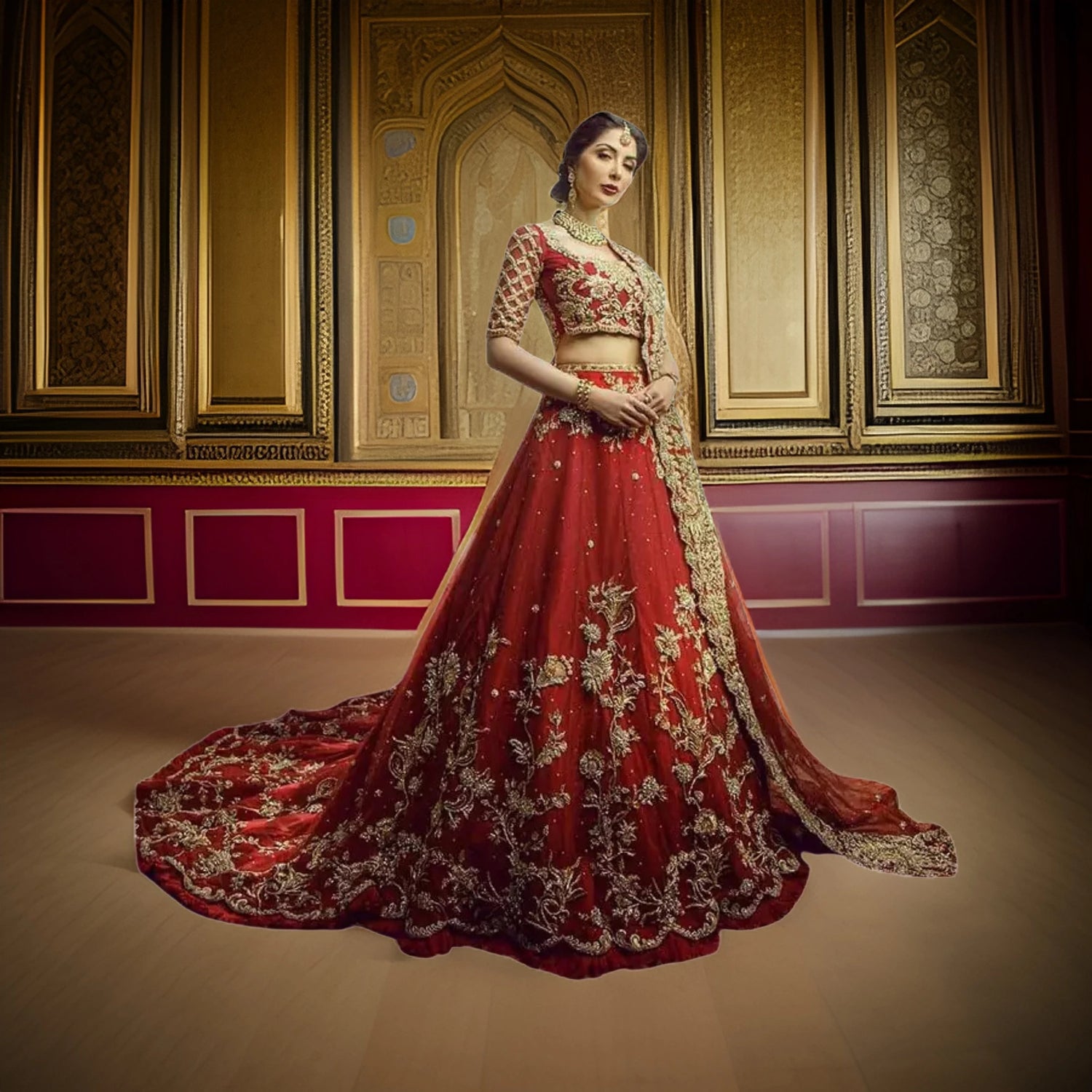
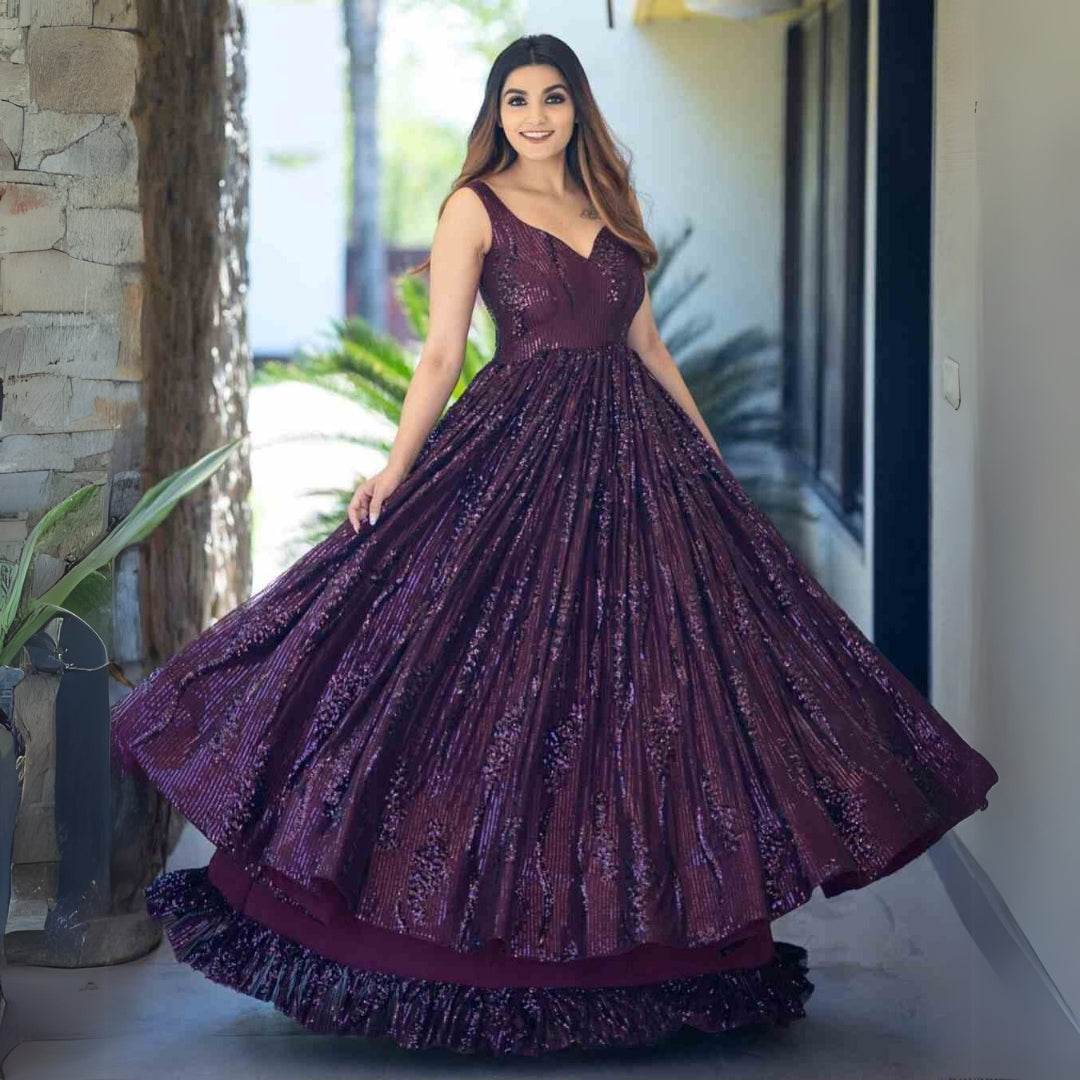
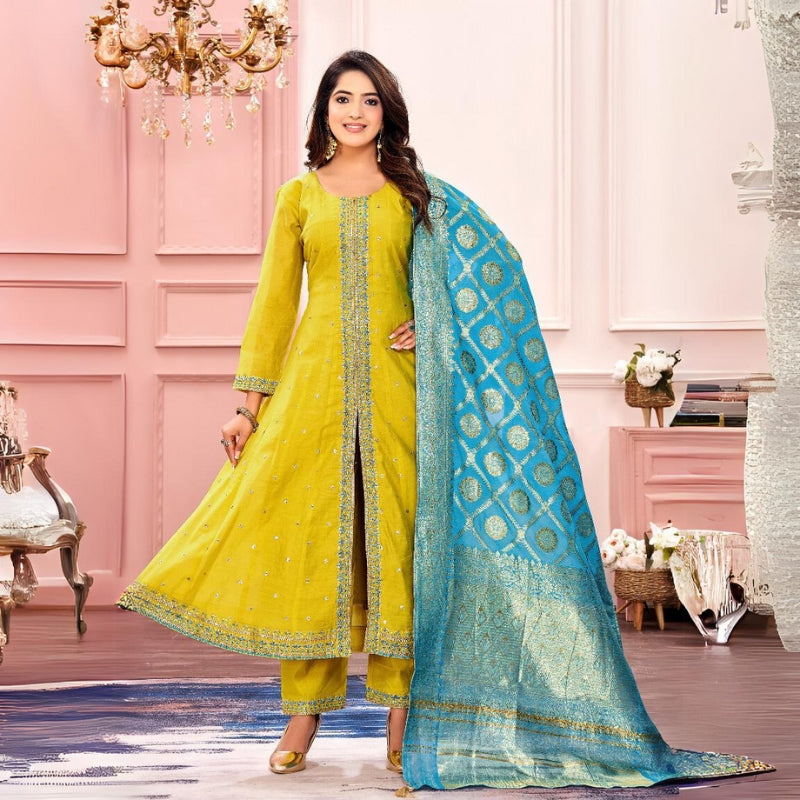
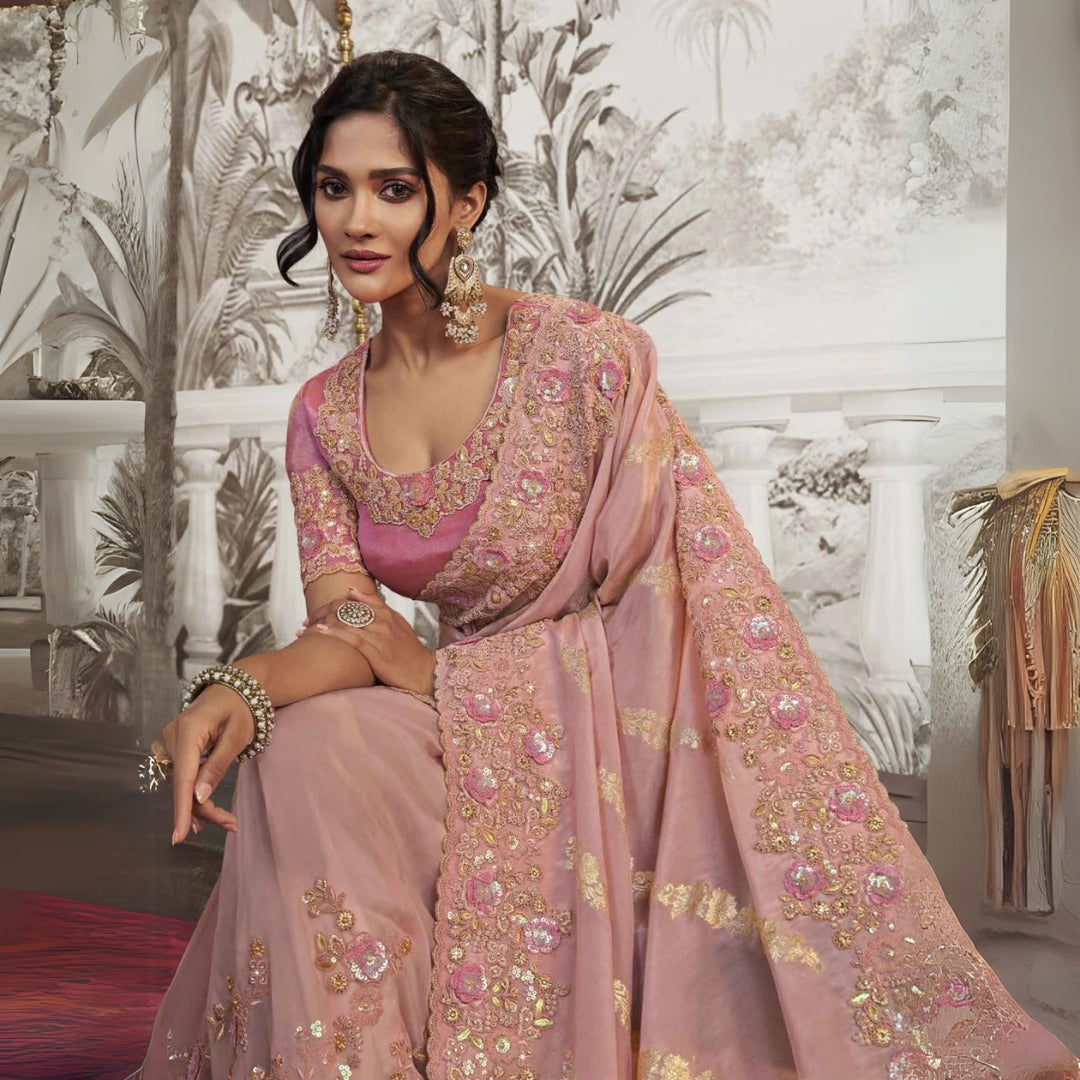
Closed-toe juttis and mojaris can elevate feminine ensembles with an effortless blend of elegance and comfort. For a classic saree, choose a pair with subtle embroidery in gold or silver to echo the sari’s border. Lehengas paired with heavily embroidered mojari deliver a regal finish — especially when the shoe picks up a color tone from the embroidery. For flowing Anarkalis, select softer velvet juttis for a grounded, harmonious look. The key is contrast and balance: if your outfit is ornate, let the footwear be refined; if the outfit is minimal, let an embroidered mojari be the statement piece.
For Men: Styling with Sherwanis, Kurtas, and Indo-Western Outfits
Men can harness the charm of mojaris to add a tailored, traditional flair. Pair pointed mojaris with a well-fitted sherwani to accentuate the outfit’s structured lines. For casual ethnic events, understated leather juttis work beautifully with kurtas and chinos, bridging classic and contemporary. Coordinating shoe embellishments with cufflinks, brooches, or a pocket square creates a cohesive look without appearing overdone.
Choosing the Right Pair: Occasion, Outfit, and Skin Tone
Color and Embroidery Tips
Color choice can make or break the harmony of your ensemble. Warm metallics like antique gold and bronze flatter deep hues and are a safe bet for celebratory wear. Delicate pastel embroidery or ivory tones shine with muted outfits. Consider the fabric and pattern of your clothing — dense threadwork on footwear pairs well with plain fabrics, while minimalist shoes soften heavily patterned outfits. For brides and grooms, matching a small motif from the outfit to the footwear embroidery ties the look together elegantly.
When to Pick Juttis Over Mojaris
Choose juttis when you want understated elegance, emphasis on comfort, and a seamless blend with flowing garments. Juttis work wonderfully for daytime events and long ceremonies where comfort matters. Opt for mojaris when you crave a more structured, formal appearance with room for embellishment and a slightly elongated toe line — perfect for photographed moments and evening rituals where every detail counts.
Care and Maintenance for Embroidered Mojari and Juttis
Daily Care: Quick Habits for Longevity
- Air out your footwear after each use to prevent moisture buildup and odor.
- Use a soft brush to remove dust and surface dirt gently, especially on embroidery and delicate fabrics.
- Apply a leather conditioner sparingly to leather-based juttis to maintain suppleness; use fabric protectors for velvet variants.
- Rotate your pairs to avoid wearing the same shoes every day — this extends the life of the sole and embroidery.
Deep Cleaning and Storage
For deep cleaning, entrust heavily embroidered mojari and deluxe juttis to professional artisans or specialists in heritage footwear restoration. For minor stains, use a damp cloth with a mild soap solution, dab gently, and air dry naturally away from sunlight. Store your footwear in breathable dust bags with silica packets to control humidity. To preserve shape, stuff the toe with acid-free tissue paper rather than newspaper, which can transfer ink.
Ethical Craftsmanship and Investing in Luxury Footwear
Handcrafted Heritage: Why It Matters
Investing in handcrafted juttis and embroidered mojari is an investment in people and tradition. Each pair reflects hours of meticulous handwork, from pattern-cutting to embroidery to finishing. This human touch delivers an unmatched quality and personality that mass-produced alternatives cannot replicate. Choosing luxury ethnic footwear supports artisan communities and keeps rare techniques alive, transforming your purchase into a meaningful act of cultural preservation.
Sustainable Luxury and Long-Term Value
Sustainable luxury means selecting pieces that age gracefully and hold sentimental and monetary value. A well-maintained embroidered mojari or handcrafted jutti can become an heirloom — a piece passed down with stories attached. Prioritize natural materials, ethical manufacturing, and brands that offer repair services. A single, extraordinary pair can replace several mediocre ones, reducing waste and enabling mindful consumption.
Quick Answers: Common Questions About Closed Toe Ethnic Footwear
What is the difference between juttis and mojaris? Juttis typically have a flatter sole and rounded profile, while mojaris often feature a more pointed or slightly upturned toe and a refined silhouette. Both are handcrafted but differ in regional design traditions and fit.
Are embroidered mojaris comfortable? Yes, many embroidered mojaris are designed with cushioned insoles and soft linings for all-day comfort. Choosing the right size and quality craftsmanship ensures better comfort.
Can juttis and mojaris be repaired? Absolutely. High-quality pairs can be resoled, restitched, and refurbished by skilled cobblers, extending their lifespan significantly.
FAQ: Embroidered Mojari
What are embroidered mojaris made of?
Embroidered mojaris are typically made from leather or textile bases like velvet or silk, with intricate embroidery using silk threads, zari, beads, sequins, and sometimes mirror work. High-end pairs use full-grain leather and premium threads for durability and sheen.
How do I choose the right size for embroidered mojari?
Measure your foot length and compare it to the brand’s size chart, allowing for the snug fit typical of ethnic footwear. If between sizes, choose the larger size for comfort, or opt for custom sizing when available. Consider any planned use of socks or foot pads when deciding size.
Can embroidered mojaris be worn in the rain?
It’s best to avoid wearing embroidered mojaris in heavy rain, especially those with delicate fabric and metal embellishments. Light drizzle may be manageable for leather-based pairs treated with water repellent. Always air dry naturally if they do get wet.
How should I clean stains on embroidered mojari?
For small stains, gently dab with a soft cloth and mild soap solution; avoid rubbing. For delicate embroidery or stubborn stains, seek professional cleaning from specialists experienced in heritage footwear to prevent damage to threads and embellishments.
Are embroidered mojaris suitable for brides and grooms?
Yes. Embroidered mojaris are a popular bridal and groom choice, offering an elegant, traditional look that photographs beautifully. They can be custom-matched to outfit hues and embellishments, making them ideal for wedding ensembles.
Can men wear embroidered mojaris with Western outfits?
Absolutely. For a sophisticated Indo-Western look, pair subtle, leather-based embroidered mojaris with tailored trousers and a blazer. Choose restrained embroidery and neutral tones to maintain balance and versatility.
How do I store embroidered mojaris long-term?
Store them in breathable dust bags away from direct sunlight. Include silica packets to control humidity and stuff toes with acid-free tissue paper to maintain shape. Keep them in a cool, dry place to preserve embellishments and adhesives.
Are custom embroidered mojaris worth the investment?
Yes. Custom mojaris offer perfect fit, personalized design, and sentimental value. They are crafted to your exact measurements and aesthetic preferences, creating a unique piece that can become a cherished heirloom.
Final Thoughts
Choosing between juttis and mojaris is a delightful exploration of tradition, comfort, and personal style. Whether you fall for the understated grace of handcrafted juttis or the ornate glamour of embroidered mojari, closed toe footwear transforms your ethnic wear into a statement of refined taste. These pairs are designed to carry memories — from the laughter of festivities to the quiet pride of a perfectly curated look.
Ready to find your perfect pair? Explore the exquisite, handcrafted collection that blends heritage with contemporary luxury. Discover exclusive designs, custom options, and artisan-crafted mojaris and juttis that promise comfort, beauty, and timeless appeal. Visit our exclusive collection and choose footwear that will carry your most treasured moments: https://www.shreekama.com/collections/shreekama