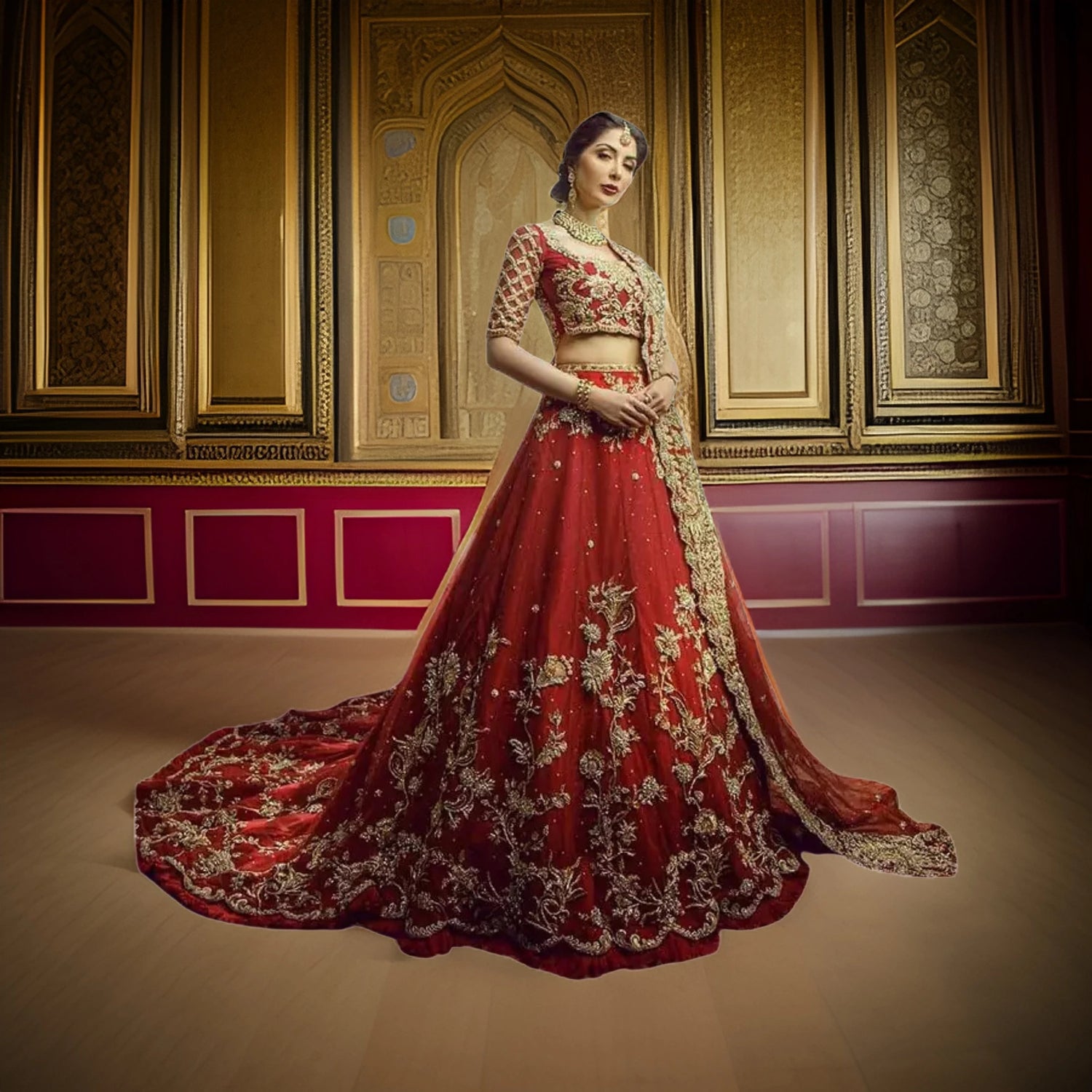
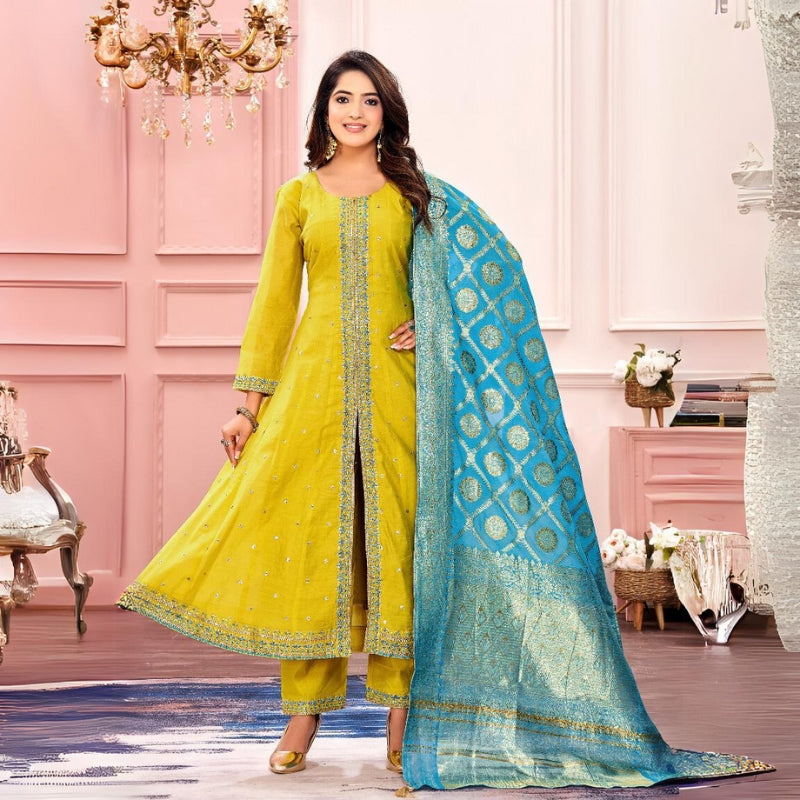
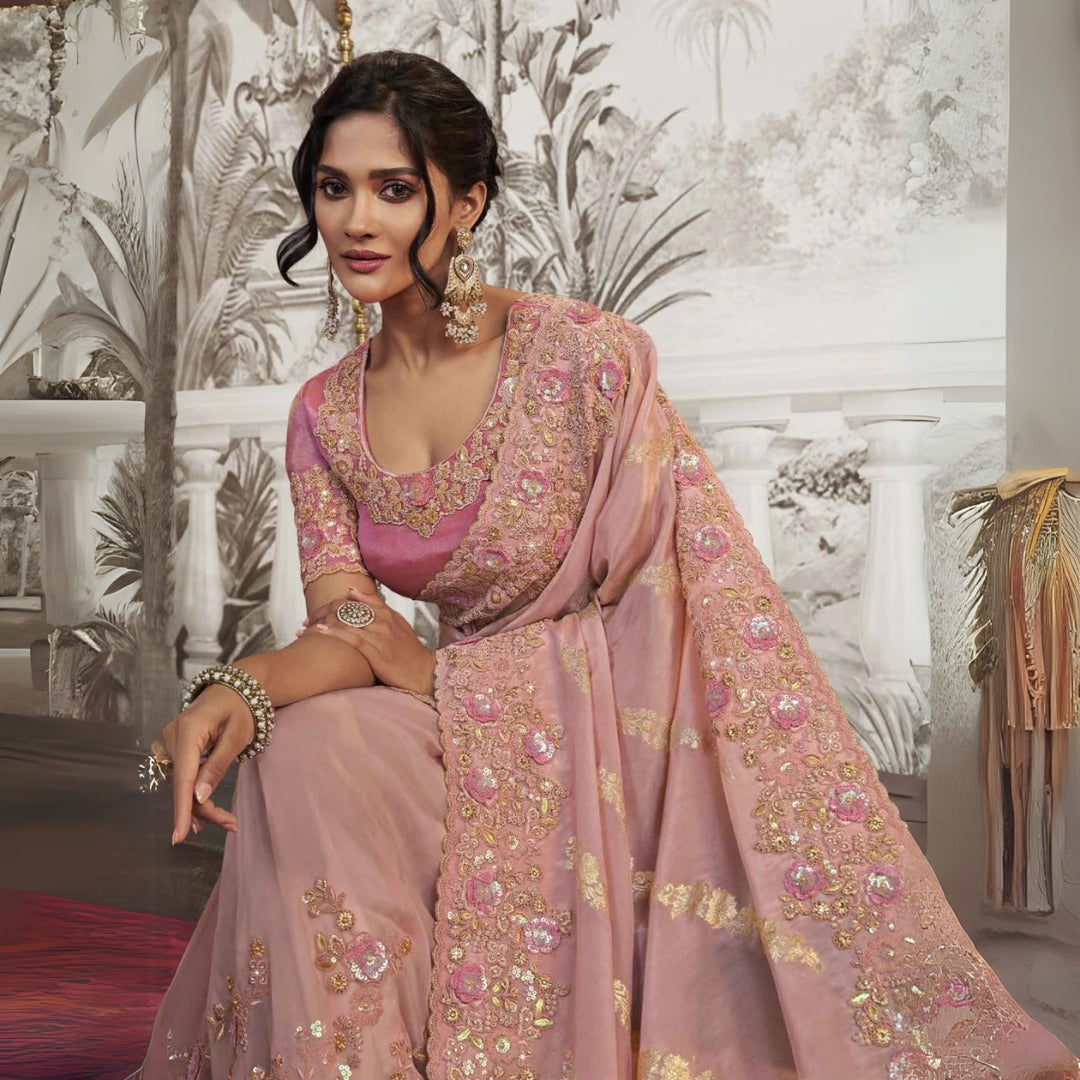
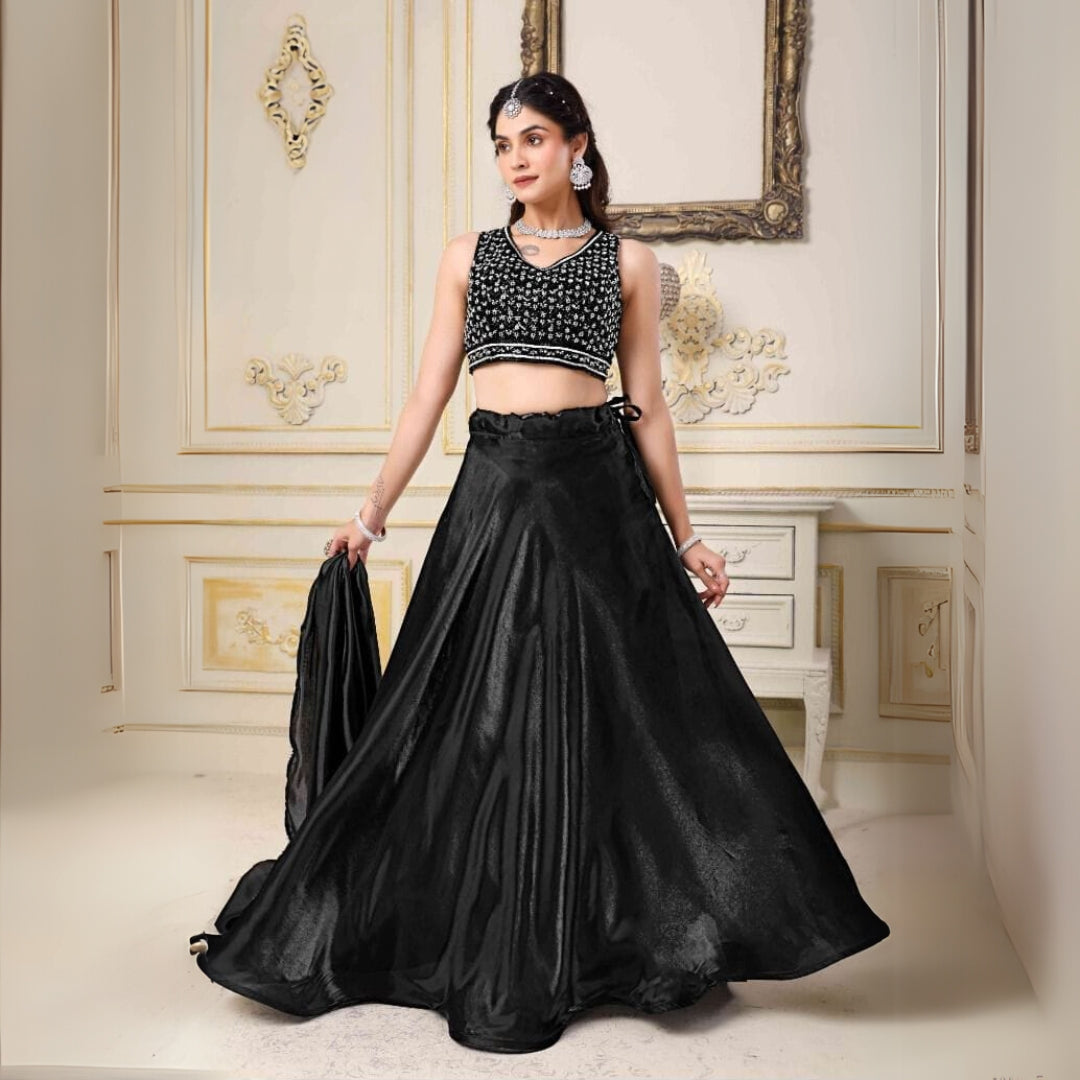
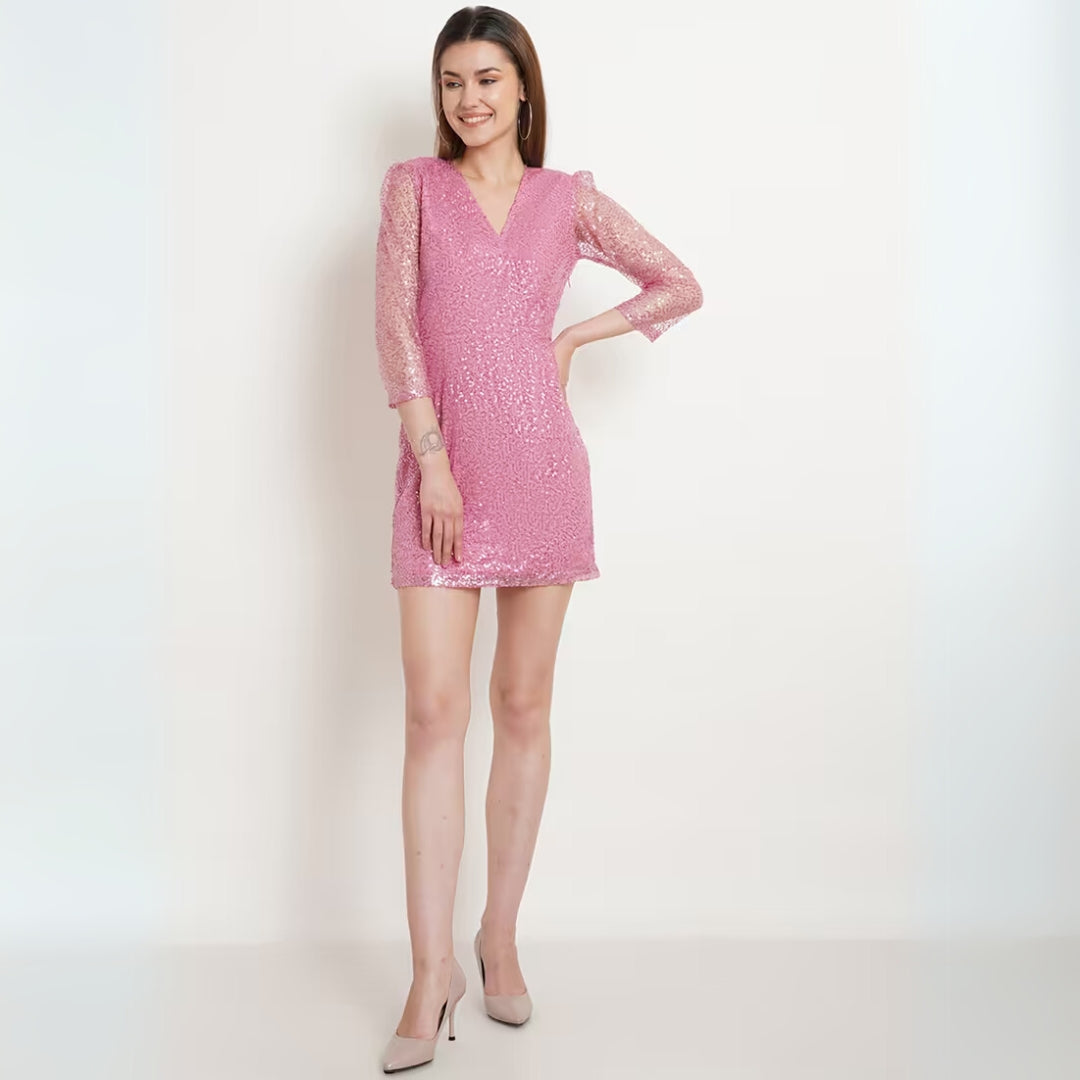
There’s a quiet confidence that comes from wearing a blouse that fits like it was made for you. For many women, flabby arms can feel like a styling hurdle, but the right sleeve length and design can transform hesitation into empowerment. At Shreekama, we believe design should celebrate every silhouette. This guide blends expert tailoring tips, fabric science, and elegant styling to help you choose blouse sleeve lengths that flatter, sculpt, and elevate your saree look.
Why sleeve length matters more than you think
Sleeve length does more than cover the arm — it shapes perception. The visual line created by a sleeve can make arms appear slimmer, balance body proportions, and draw attention to your best features. Choosing the ideal sleeve length is a simple, high-impact way to feel more confident in traditional wear without sacrificing style.
Direct answer: Which sleeve length flatters flabby arms?
Elbow-length and 3/4 sleeves are the most universally flattering for flabby arms because they create a vertical line and provide coverage at the widest part of the upper arm. Strategically designed full sleeves and layered silhouettes can also slim and elongate the arm visually.
Understand your arm shape and proportion
Knowing your arm shape helps you make precise choices. Arms vary in muscle tone, fat distribution, and length. Before choosing a sleeve, consider these simple categories:
- Short arms: Prefer longer lines to create perceived length.
- Long arms: Can handle a broader variety of sleeve lengths.
- Full upper arms: Need coverage at the thickest point and visual slimming.
- Evenly proportioned arms: Can experiment with sleeve details and embellishments.
How proportion affects blouse choices
Balance your blouse sleeve with your saree drape and body proportions. If your torso is shorter, a slightly longer sleeve that falls below the elbow can lengthen the arm visually. If you're curvy overall, structured sleeves with vertical seams help maintain harmony.
Best sleeve lengths for flabby arms
Each sleeve length offers a different visual effect. Below are expert picks with practical styling notes so you can choose confidently.
3/4 sleeves: The versatile winner
Why it works: 3/4 sleeves end between the elbow and wrist, usually at mid-forearm. This length covers the widest part of the upper arm while exposing a slimmer section of the forearm, creating a balanced, elongated look.
- Best for: Most body types, especially those seeking moderate coverage and elegance.
- Styling tip: Choose sleeves with gentle tapering or a slight flare to avoid clinging at the widest point.
- Fabric suggestion: Lightweight crepe, georgette or silk blends for smooth drape without bulk.
Elbow-length sleeves: Practical and flattering
Why it works: Elbow-length sleeves finish at or just above the elbow. They provide coverage at a natural joint, helping to hide the upper arm’s fullest area while preserving mobility.
- Best for: Women who want a clean, tailored look for both casual and formal sarees.
- Styling tip: Add vertical piping or princess seams to create a slimming visual line.
- Fabric suggestion: Structured silk and satin for neat finishes.
Full-length sleeves: Elegant and elongating
Why it works: When designed well, full sleeves can lengthen the arm and provide graceful coverage. Avoid clingy fabrics; instead choose flowing sleeves with subtle tapering or slight elasticity at the cuff.
- Best for: Formal evening sarees and when you want maximum coverage.
- Styling tip: Opt for slightly sheer fabrics or strategic embroidery to keep the sleeve light.
- Fabric suggestion: Chiffon overlays, lightweight silk, or sheer net with inner lining.
Three-quarter with flare or bell hem: Stylish camouflage
Why it works: A slight flare at the wrist balances the upper arm visually, drawing attention away from the widest area while adding movement and drama.
- Best for: Festive sarees and when you want to make a fashion statement.
- Styling tip: Keep flare moderate; too much volume can overwhelm.
Cap sleeves and short sleeves: Use cautiously
Why it works: Shorter sleeves can be flattering if the arm is toned. For flabby arms, they can draw attention to the area rather than conceal it. If choosing short sleeves, pick styles with slight shoulder pads or layered detailing to create structure.
Fabrics and construction that flatter flabby arms
Fabric choice dramatically influences how sleeve lengths perform. The right fabric can smooth, drape, and sculpt while preventing cling.
Best fabrics
- Silk blends: Luxurious drape, minimal cling when tailored correctly.
- Crepe and georgette: Lightweight, fluid drape that skims the arm.
- Chiffon and net overlays: Offer coverage without adding bulk — great for layered sleeves.
- Stretch fabrics with moderate elasticity: Provide comfort and gentle compression to smooth lines.
Construction details to look for
- Princess seams or vertical panels: Create a long, lean silhouette.
- Bias-cut sleeves: Follow natural curves and avoid tightness at the mid-arm.
- Strategic linings: Prevent sheerness or cling in delicate fabrics.
- Subtle gathering and pleats: Add style without bulk when placed below the arm.
Design details and tailoring tricks that slim visually
Small design decisions can have big visual effects. Tailoring is an art—use it to create confidence.
Use vertical elements
Vertical trims, channels of embroidery, and seam lines draw the eye up and down, making arms appear longer and slimmer.
Add structured shoulders
Slight shoulder definition balances the upper body and reduces visual focus on the upper arm. Avoid heavy padding; aim for natural lift.
Opt for darker or monochrome sleeves
Monochrome sleeves that match the saree or blouse body create a continuous line that is slimming. Darker tones tend to recede visually, which helps reduce emphasis on the arm.
Styling tips for sarees and blouses
Integration between the saree and blouse is essential. The sleeve shouldn’t look like an afterthought; it should complete the story of your outfit.
Balance with saree drape
- If your blouse sleeve is ornate, keep the saree drape minimal to avoid overpowering the look.
- For delicate sleeves, choose sarees with a slightly structured pallu to anchor the overall silhouette.
Accessorize to direct attention
- Statement earrings or neckpieces draw the eye upward away from the arm.
- Delicate bangles or an elegant watch at the wrist showcase the slimmer part of the arm.
Layer smartly
A sheer shrug or a lightweight capelet can be a chic way to add coverage and soften the arm’s outline while keeping the look modern and luxurious.
How to measure sleeve length for the perfect fit
Accurate measurement ensures sleeves fall exactly where they should. Here’s a simple, reliable method:
- Stand straight and relax your arm slightly away from the body.
- Measure from the shoulder seam (or the top of your shoulder if making a custom blouse) down the outside of the arm to the desired sleeve end: above elbow, at elbow, mid-forearm (3/4), or wrist.
- Note that 3/4 sleeves typically end at mid-forearm—measure and mark while wearing the blouse or a fitted top to visualize the fall.
Tailoring tip
Always leave a small allowance for movement. Sleeves that are too tight will accentuate rather than flatter. Work with a skilled tailor who understands fabric behaviour and arm proportion.
Common mistakes to avoid
- Choosing clingy fabric: Avoid tight knits and thin cottons that emphasize bulges.
- Ignoring shoulder proportion: A too-narrow shoulder line can draw attention to the arm width.
- Over-embellishing the upper arm: Heavy embroidery at the widest point increases visual volume.
- Skipping a test fitting: Always try on blouses with saree drape to ensure the sleeve length harmonizes with the overall look.
How to choose sleeves for special occasions
For weddings, evening events, and celebrations, you may want a sleeve that’s both flattering and statement-making.
Wedding and formal events
- Consider three-quarter sleeves with elegant embroidery that flows vertically.
- Layered sheer sleeves with a structured inner sleeve combine coverage and glamour.
Casual gatherings and daytime
- Elbow-length or subtle 3/4 sleeves in breathable fabrics keep you comfortable and chic.
- Play with minimal lace or tone-on-tone embellishments for a refined daytime look.
Real stories: How the right sleeve changed her confidence
One of our clients arrived for a consultation feeling anxious about wearing a saree at a family wedding. She loved the saree but didn’t feel comfortable exposing her upper arms. Our stylist suggested a tailored 3/4 sleeve in crepe with vertical piping and a slightly flared cuff. The sleeve smoothed her silhouette, balanced her proportions, and—most importantly—she walked into the event radiant and self-assured. That’s the power of considered design.
FAQ: 3/4 Sleeve Blouse Questions
Are 3/4 sleeves good for flabby arms?
Yes. 3/4 sleeves are excellent for flabby arms because they cover the widest part of the upper arm while revealing the forearm, creating a balanced and elongated silhouette.
What exactly is a 3/4 sleeve length?
A 3/4 sleeve typically ends between the elbow and wrist, often at mid-forearm. It provides moderate coverage while maintaining elegance and ease of movement.
Should I choose fitted or loose 3/4 sleeves?
Choose a sleeve that slightly tapers rather than clings tightly. A moderately fitted 3/4 sleeve with gentle tapering smooths the arm without restricting movement. Slightly loose styles that maintain structure also work well.
Can embellishments on 3/4 sleeves work for flabby arms?
Yes, when used strategically. Vertical embellishments and designs focused toward the wrist or shoulder can enhance the slimming effect. Avoid heavy embroidery concentrated around the mid-arm area.
How to style a 3/4 sleeve blouse with a saree?
Pair a 3/4 sleeve blouse with a saree that complements its silhouette — a softly draped pallu for balance or a structured fall for contrast. Add accessories like statement earrings or a cuff bracelet to draw attention away from the upper arm.
Which fabrics are best for 3/4 sleeves?
Crepe, georgette, silk blends, and light chiffon overlays are ideal. These fabrics drape smoothly and avoid creating unnecessary bulk at the mid-arm.
Can 3/4 sleeves be altered after purchase?
Yes. Most skilled tailors can alter sleeve lengths and widths. Keep a small seam allowance when altering so the fabric crafts a clean final finish.
Do 3/4 sleeves suit all saree styles?
They are highly versatile and pair well with most saree styles, from traditional to contemporary, making them a reliable choice across wardrobes.
Final thoughts
Choosing the right blouse sleeve length for flabby arms is about smart design, not restriction. With thoughtful sleeve lengths like 3/4 or elbow-length, the right fabric, and a few strategic tailoring details, you can create a silhouette that feels elegant and empowering. At Shreekama, every blouse is designed to amplify confidence—because fashion is most beautiful when it makes you feel unstoppable.
Ready to feel effortlessly confident? Explore our exclusive designer saree collection and find blouses crafted to flatter every silhouette: https://www.shreekama.com/collections/designer-sarees