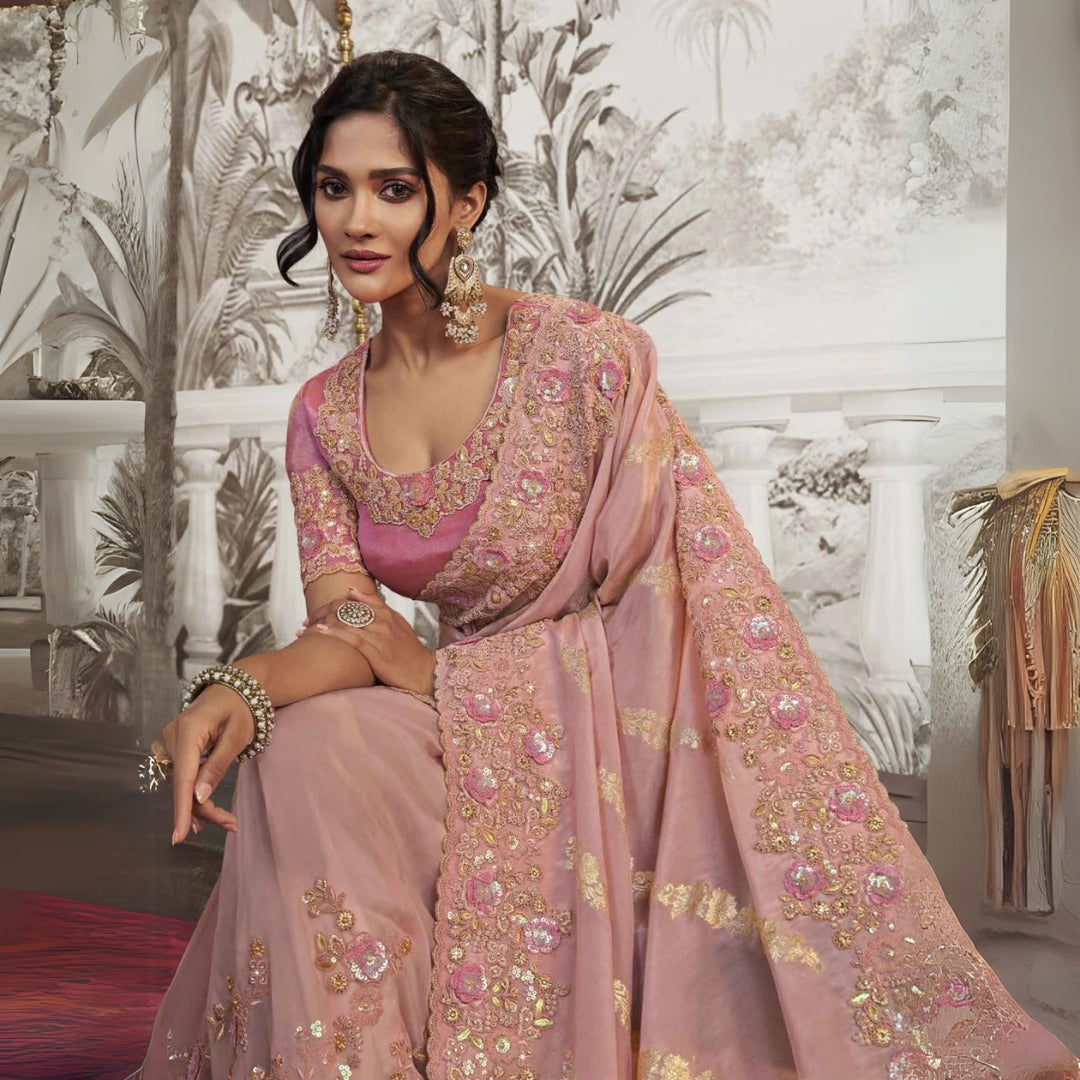
Walking into a room draped in a Chanderi or a Maheshwari is like stepping into two distinct poems written in silk and cotton. Both handlooms whisper centuries of skill, culture, and quiet luxury, yet each voice is unmistakable. For the discerning wearer who values craftsmanship, conscience, and elegance, understanding the difference between Chanderi and Maheshwari is more than a choice of fabric—it's a statement of identity. This guide from Shreekama, where luxury meets tradition, helps you navigate those choices with clarity, emotion, and confidence.
Origins and Cultural Roots: Where Chanderi and Maheshwari Began
The Story of Chanderi: A Royal Tale
Chanderi originates from the historic town of Chanderi in central India. The weave carries a regal air—light, translucent, and often paired with delicate motifs inspired by nature and Mughal aesthetics. Chanderi sarees were once the preferred drape of royalty and nobility, prized for their soft shimmer and graceful fall. Wearing a Chanderi connects you to that refined heritage, a wearable heirloom passed down with care.
The Story of Maheshwari: A Weaver’s Resolve
Maheshwari weaving was born in a town where resilience and artistry intertwined. The craft evolved as a community endeavor—families of weavers perfected a durable, elegant fabric that balanced strength and softness. Maheshwari sarees—known for their subtle sheen and durable weave—symbolize dignity and understated power. Choosing a Maheshwari means honoring the hands that preserved a community's craft through changing times.
Fabric and Weave: Technical Differences That Define Feel and Fall
Chanderi Fabric: Ethereal Silk-Cotton and Muslin
Chanderi primarily uses lightweight silk, fine cotton, and organza-like muslin. The hallmark is a sheer, airy texture that floats around the body. Common characteristics include:
- Delicate, semi-transparent drape
- Fine yarns and a subtle sheen
- Intricate motifs woven directly into the fabric
Because of its lightness, Chanderi is ideal for warm climates and formal gatherings where effortless elegance is required.
Maheshwari Fabric: Resilient Silk-Cotton Blend
Maheshwari is typically a silk-cotton blend woven using stronger yarns. Its fabric offers structure without stiffness, making it versatile for both everyday wear and ceremonial use. Key features include:
- Balanced-weight fabric with a smooth finish
- Striking borders and pallu with geometric or temple motifs
- Durability suited for regular wear
Maheshwari stands out for its practical elegance—an excellent investment for wardrobes that value longevity and versatility.
Design Language: Motifs, Borders, and Colour Stories
Chanderi Motifs: Soft Florals and Poetic Borders
Chanderi designers favor delicate motifs—floral vines, paisleys, and jaal patterns—woven in fine zari or silk thread. The borders are often understated, letting the fabric’s transparency and sheen do the talking. Chanderi sarees excel in soft pastels, muted metallics, and subtle contrasts that evoke romance and femininity.
Maheshwari Motifs: Bold Geometry and Striking Contrasts
Maheshwari is renowned for its bold borders and contrasting pallus. The motifs often include checks, stripes, and temple designs rendered in rich colours that stand out against the saree’s body. This design sensibility creates a confident, structured look—perfect for those who want classic Indian aesthetics with a modern edge.
Occasions and Styling: Which Saree for What Moment
When to Choose Chanderi
Choose Chanderi when you want to evoke delicacy and refinement. Ideal moments include:
- Intimate celebrations and daytime events
- Engagements, mehendi, or cultural gatherings where subtleness matters
- Warm-weather festivities where comfort is a priority
Chanderi pairs beautifully with minimalist jewellery—think uncut polki studs, thin bangles, and a soft bun for an ethereal look.
When to Choose Maheshwari
Maheshwari is perfect for occasions needing structure and presence. Consider it for:
- Formal ceremonies and office-to-event transitions
- Weddings where you want a dignified yet statement-making drape
- Everyday luxury for those who prefer traditional silhouettes with practical wearability
Styling Maheshwari with statement jewellery and a crisp blouse elevates its bold borders and geometric motifs.
How They’re Made: The Weaving Process and Artisan Skills
Chanderi Weaving Techniques
Chanderi weaving demands precision and patience. Weavers often use a fine warp and weft, incorporating zari and silk threads to create motifs on a semi-transparent base. The process is slow, meticulous, and requires a deep understanding of tension, thread count, and motif placement—skills that generations of artisans have perfected.
Maheshwari Weaving Techniques
Maheshwari weaving uses a stronger silk-cotton yarn and frequently employs the traditional pit loom. The technique enables bold borders and sturdy body, while still allowing for elegant pallu work. The result is a fabric that resists daily wear while maintaining a luxurious hand feel.
Investment and Value: Longevity, Cost, and Collectibility
Is Chanderi an Investment?
Absolutely. A well-crafted Chanderi saree is an expression of heritage—light, delicate, and often intricately woven with zari. Its ethereal beauty makes it collectible: with proper care, Chanderi can become a cherished family heirloom. Expect a higher premium for handwoven pieces with genuine zari and unique motifs.
Is Maheshwari Worth the Price?
Maheshwari offers tremendous value for those who want a balance of durability and design. It tends to hold up well over years, making it a smart wardrobe investment. The craftsmanship and the distinctive, bold borders make authentic Maheshwari sarees sought after by connoisseurs.
Care and Maintenance: Preserve the Craft
How to Care for Chanderi Sarees
- Store folded in muslin or cotton wraps to allow the fabric to breathe.
- Dry clean or hand-wash gently with mild detergent; avoid harsh chemicals.
- Iron on low heat from the reverse side or use a protective cloth to maintain sheen.
- Avoid prolonged exposure to direct sunlight to prevent fading.
How to Care for Maheshwari Sarees
- Dry clean for the best results, especially if the saree has zari or heavy borders.
- Store with tissue paper to prevent creases and protect zari work.
- Spot clean minor stains and consult a specialist for stubborn marks.
Authenticity Check: How to Spot Genuine Handloom Chanderi and Maheshwari
Signs of an Authentic Chanderi
- Lightweight, slightly translucent fabric with visible sheen.
- Fine, intricate motifs woven into the body rather than printed.
- A soft, almost floaty fall when draped; not stiff or heavy.
- Labels indicating handloom or artisan collective can be strong indicators.
Signs of an Authentic Maheshwari
- Defined borders and contrasting pallu with clear, crisp motifs.
- Balanced-weight fabric that holds shape yet drapes comfortably.
- Evidence of handloom irregularities—small variations in weave are signs of human craft.
Choosing Between Chanderi and Maheshwari: Practical Tips
Consider Your Lifestyle
If you live in warm climates and desire an airy, formal look, Chanderi may be your soulmate. If you want a robust saree that transitions effortlessly from work to celebration, Maheshwari offers practicality with panache.
Consider the Occasion
For intimate ceremonies and daytime events, Chanderi creates romantic, soft visuals. For structured, high-impact settings—think formal functions or evening ceremonies—Maheshwari’s defined borders deliver confidence.
Consider Your Wardrobe
Ask yourself: Are you building a collection of statement heirlooms or curating versatile staples? If the former, invest in handcrafted Chanderis with unique motifs. If the latter, Maheshwari’s durability and elegance will ensure frequent wear.
Sustainability and Craft Preservation: Choosing Mindfully
Why Handlooms Matter
Each handloom saree supports artisan livelihoods and perpetuates cultural heritage. Choosing authentic Chanderi or Maheshwari keeps traditional techniques alive and reduces reliance on mass-produced textiles. Ethical purchases contribute to community resilience and mindful fashion consumption.
How Shreekama Supports Artisans
Shreekama partners with trusted artisan collectives to ensure fair compensation and sustainable practices. We prioritize traceability, transparent pricing, and designs that celebrate handloom narratives—transforming each saree into a story you can wear with pride.
Where to Buy Authentic Handloom Sarees
Trusted Sources and Certifications
Seek handloom tags, artisan certifications, and transparent brand stories. Authentic sarees often come with information about the weaver or the cluster they belong to. Buying from reputable brands like Shreekama ensures authenticity, ethical sourcing, and aftercare guidance.
Online vs. In-Person Shopping
Online shopping offers curated collections and detailed product descriptions, while in-person shopping lets you feel the fabric’s texture and weight. When purchasing online, rely on clear images, weave descriptions, and return policies. Shreekama provides immersive product narratives that help you choose confidently.
Quick Comparison: Chanderi vs Maheshwari (Snippet-Friendly Answer)
Chanderi is lightweight, sheer, and delicate—ideal for warm climates and intimate events. Maheshwari is a silk-cotton blend with bold borders, offering durability and structure for both everyday luxury and formal occasions. Choose Chanderi for ethereal elegance and Maheshwari for timeless strength and striking design.
Frequently Asked Questions about Chanderi Sarees
What is a Chanderi saree made of?
A Chanderi saree is traditionally made from fine silk, cotton, or a blend known as Chanderi muslin. It typically features a lightweight, translucent body woven with delicate zari or silk motifs.
How do I identify an authentic handloom Chanderi saree?
Authentic Chanderi shows uniform but subtle irregularities in the weave, fine motifs woven into the body (not printed), a delicate sheen, and a light, airy drape. Look for handloom tags or artisan certifications and purchase from trusted sellers.
Can Chanderi sarees be worn to weddings?
Yes. Chanderi sarees are perfect for daytime weddings and intimate ceremonies. For grander weddings, choose Chanderis with richer zari work or pair them with heavier jewellery for a more festive look.
How should I care for my Chanderi saree at home?
Prefer dry cleaning for sarees with heavy zari. For lighter pieces, gentle hand wash with mild detergent, air-dry in shade, and store wrapped in muslin cloth. Iron on low heat or use a protective cloth to preserve the sheen.
Is Chanderi suitable for summers?
Absolutely. Chanderi’s lightweight and breathable weave makes it exceptionally comfortable in warm weather, offering both style and comfort.
Are Chanderi sarees expensive?
Prices vary based on material, weave complexity, and workmanship. Handwoven Chanderis with genuine zari or rare motifs command a premium, reflecting the artisan labor and heritage value. Consider them investment pieces for your wardrobe.
Can I machine wash a Chanderi saree?
Machine washing is generally not recommended. Handwashing gently or professional dry cleaning preserves texture and zari work. If you must wash at home, use cold water and mild soap, and avoid wringing.
How do I restore the sheen of an old Chanderi saree?
Professional cleaning is the safest way. For light restoration, a careful steam iron on the reverse side and minimal starch can help revive the drape, but consult a specialist for antique or heavily embroidered pieces.
Final Thoughts: Choosing Legacy Over Fast Fashion
In the delicate balance between Chanderi and Maheshwari, there is no wrong choice—only different expressions of Indian heritage. Chanderi speaks in whispers of silk and air; Maheshwari answers in confident lines and bold borders. Both reward mindful ownership: each weave carries a community’s legacy and a promise of timelessness.
When you choose a handloom saree from Shreekama, you invest in authenticity, ethical craftsmanship, and a design story that will accompany you through life’s most cherished moments. Explore our curated collection and discover the perfect weave that mirrors your personal narrative.
Ready to experience the magic of Central Indian handlooms? Explore our exclusive collection at https://www.shreekama.com/collections/traditional-saree and bring home a piece of living heritage today.