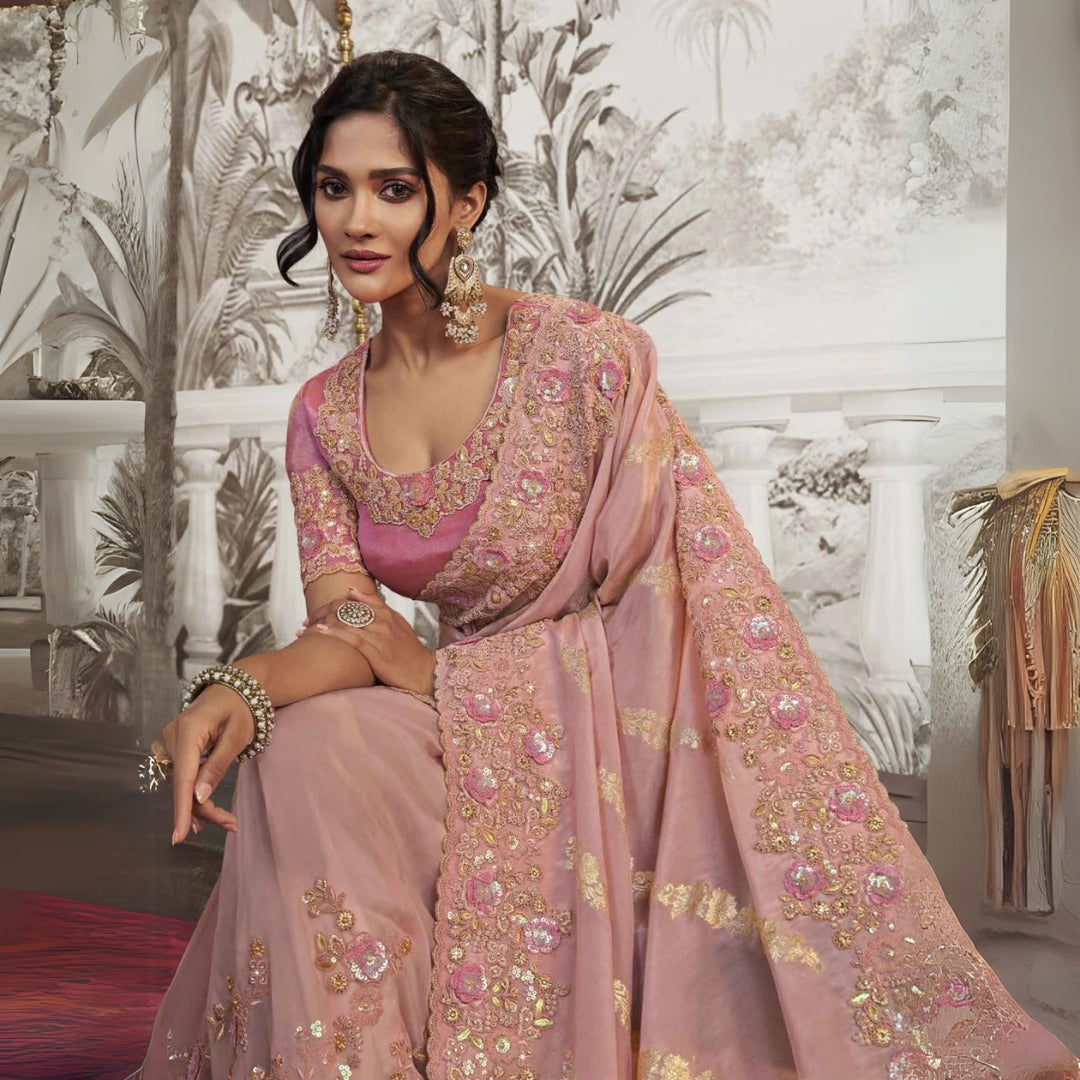
There’s a moment when the first pleat of a Bengali saree is tucked in—time seems to slow, memories surface, and a centuries-old elegance settles around your shoulders. At Shreekama, we believe the beauty of a Bengali drape lies in a perfect balance of structure and poetry. Whether you’re preparing for a wedding, a festive puja, or wanting to embrace a heritage look with contemporary flair, mastering pleats is the secret to a confident, head-turning saree silhouette.
Why perfect pleats matter in Bengali saree draping
Pleats give the saree its rhythm. In Bengali draping, pleats are not just functional; they shape the fall, define the pallu, and frame the torso. Perfect pleats create clean lines, enhance posture, and let the saree tell its story—be it a handwoven tant with a red border or a luxurious Baluchari with intricate motifs. Crisp pleats elevate your look from pretty to unforgettable.
Understanding the Bengali drape: signature elements
What sets the Bengali drape apart?
- Broad, elegant pleats: Bengali pleats are wider and fewer than Nivi pleats, producing a regal, sweeping front.
- Left-shoulder pallu: The pallu is opulent and displayed with pride, often folded into broad pleats and pinned at the shoulder.
- Decorative pins and keys: Traditional look often includes a brooch or key chain (nokshi) pinned to the pallu for charm and stability.
- Flow and fall: The drape celebrates the natural fabric fall—fine cottons and silks show fluidity best.
Step-by-step: How to get the perfect Bengali saree pleats
Follow these carefully crafted steps to create pleats that stay crisp and flattering all day. Read once, then practice—mastery comes with repetition.
1. Choose the right petticoat and blouse
- Wear a high-waisted, firmly tied petticoat with a good grip. A smooth, well-fitted blouse that complements the saree helps the pleats sit neatly.
- For extra security, use a saree belt or a thin elastic waist cincher beneath the petticoat—especially useful for heavy silks or long ceremonies.
2. Start with a clean, even tuck
- Tuck the plain end of the saree into the petticoat at the right side of your waist. Make a full wrap and bring the saree back to the front so the lower border grazes the floor evenly.
- Straighten the saree’s hem so it forms a continuous line—this establishes a balanced base for the pleats.
3. Create the front pleats—method for classic Bengali pleats
- Gather the saree fabric from front to back and form broad pleats: aim for 4 to 6 pleats that are wider than typical Nivi pleats. Each pleat should be around 3–4 inches (7–10 cm) depending on your saree width and personal style.
- Hold all pleats together and ensure the top edges align. Flatten them decisively so the pleats lie flat against your waist.
- Tuck the entire pleat bundle slightly left of your navel, angled toward the left hip. The tuck should be deep and secure—use a safety pin at the back of the pleats to fix them to the petticoat if needed.
4. Form the distinctive pallu pleats
- Take the remaining fabric, wrap it once around your waist, and bring the pallu over your left shoulder.
- Fold the pallu into broad, even pleats (wider than front pleats) and hold them on your left shoulder at elbow level.
- Pin the pallu neatly at the shoulder using an ornate brooch or a safety pin hidden under the fabric. For classic looks, allow the pallu to hang at mid-calf; for modern silhouettes, keep it shorter.
5. The final flourish: under-arm tuck
- Bring a portion of the pallu under the right arm and tuck it into the back of the petticoat. This signature under-arm tuck creates the quintessential Bengali silhouette and secures the pallu against wind or movement.
- Adjust the front pleats and smooth the fall. Stand straight and check in the mirror to ensure symmetry.
Advanced tips for flawless pleats
Fabric choice and preparation
- Choose fabrics that hold pleats well: tussar silk, organza, raw silk, and handloom cotton are excellent choices for Bengali drapes.
- Lightweight chiffons and georgettes need more careful pleating and additional pins or a saree belt to maintain the structure.
- Pre-press or lightly steam the saree before draping to smooth creases and achieve crisp pleats.
Tools and tricks pros use
- Use a saree board or a flat surface to fold and measure pleats evenly.
- Double-ended safety pins and brooches: place pins on the inner seam of pleats for invisible security.
- Saree belts: a hidden belt keeps pleats in place and flatters the waistline.
- Starching: a light starch provides stiffness for festival looks, but avoid heavy starch on delicate handloom weaves to protect fibers.
Styling to emphasize pleats
- High-waist blouses accentuate pleats and elongate the torso—choose a fitted silhouette for a polished look.
- Accessorize with statement earrings and a brooch on the pallu to draw attention to the pleats and shoulder.
- For a modern twist, let one pleat fall forward dramatically to create movement while keeping the rest structured.
Common mistakes and how to avoid them
Pleats too narrow or uneven
Avoid making many thin pleats. Bengali pleats read best when they’re broad and even. Use a pleating guide or measure pleats with your fingers to maintain consistency.
Pallu slips off the shoulder
Secure the pallu with a strong pin or brooch at the shoulder. For long events, add an under-arm tuck and an inner pin to the upper torso to ensure it stays put.
Too much bulk at the waist
Distribute the saree’s fabric evenly around the waist and keep the tuck neat. If the saree feels bulky, reduce the number of front pleats and make them broader.
Styling ideas to complement perfect pleats
Traditional festive look
- Pair a red border tant or silk saree with an embroidered blouse and gold jewelry. Let the pallu pleats cascade and pin a vintage brooch for an heirloom feel.
Contemporary office-ready ensemble
- Opt for muted tones and lightweight fabrics. Create neat pleats, secure with a discreet belt, and accessorize with studs and a sleek bun.
Wedding and ceremonial elegance
- Choose rich silks with ornate borders. Make the pleats crisp, add layered necklaces, and let the pallu speak with heavy zari or motifs.
Quick fixes for on-the-go pleat emergencies
- Loose pleats: tuck a safety pin at the back of pleats into the petticoat discreetly.
- Pallu slipping: use a brooch or attach a small loop inside the pallu and hook it to your blouse button.
- Wrinkled pleats: carry a small travel steamer or mist with water and smooth pleats with your hands.
Care and maintenance: keeping pleats pristine
- Store sarees folded along pleat lines to minimize creases. For silk sarees, use muslin covers to protect against humidity.
- Dry clean intricate weaves and handwash cottons gently to preserve texture. Avoid harsh detergents that weaken threads and make pleats limp.
- Refold pleats every few wears; consistent folding maintains the saree’s pleating memory.
Frequently asked questions about Red Border Sarees
What is a Red Border Saree and why is it special?
A Red Border Saree typically features a vibrant red border on a contrasting body—classic in many Bengali weaves like tant and cotton-silk. The red border symbolizes auspiciousness and tradition, making it a favored choice for festivals, ceremonies, and cultural celebrations.
How do I drape a Red Border Saree in classic Bengali style?
Drape the saree as you would any Bengali saree: tuck at the waist, form broad front pleats, wrap and bring the pallu over the left shoulder, fold the pallu into wide pleats, pin it at the shoulder, and secure an under-arm tuck. Let the red border remain visible at the hem and along the pallu for a striking, traditional look.
Which fabrics work best for showcasing a red border?
Handloom cotton, tant, tussar, and rich silks display red borders beautifully. Lightweight fabrics like chiffon show fluidity but need careful pinning to keep the border visible and sharp.
How can I style a Red Border Saree for a modern look?
Pair it with contemporary blouses—off-shoulder, high-neck, or cropped styles. Add a statement belt to accentuate pleats and use minimalistic jewelry for a chic, modern interpretation of a traditional saree.
How do I maintain the brightness of the red border?
Wash gently—preferably handwash in cold water with mild detergent or dry clean for silks. Avoid prolonged sun exposure while drying and store in a cool, dark place wrapped in muslin to prevent color fading.
Is the Red Border Saree suitable for weddings?
Absolutely. Depending on the fabric and embellishment, Red Border Sarees range from simple elegance to bridal splendor. Choose heavier silks with zari work and pair with statement jewelry for wedding ceremonies.
Can I wear a Red Border Saree to the office?
Yes. Choose lighter fabrics and understated borders for a professional look. Keep pleats neat, the pallu smaller, and accessories minimal for an elegant office ensemble.
Wrap-up: Pleats that tell a story
Perfect pleats transform a saree into more than clothing—they become a narrative of culture, craftsmanship, and personal expression. At Shreekama, we celebrate the artistry behind every pleat and the confident woman who wears it. With practice, the right tools, and a pinch of patience, you’ll master Bengali pleats that flatter, hold, and mesmerize.
Bring tradition into the present. Explore our curated selection of handpicked sarees designed to drape beautifully and pleat impeccably—each piece crafted to become a treasured part of your wardrobe.
Ready to create unforgettable pleats? Discover our exclusive collection and find the perfect saree to master the Bengali drape at https://www.shreekama.com/collections/traditional-saree.