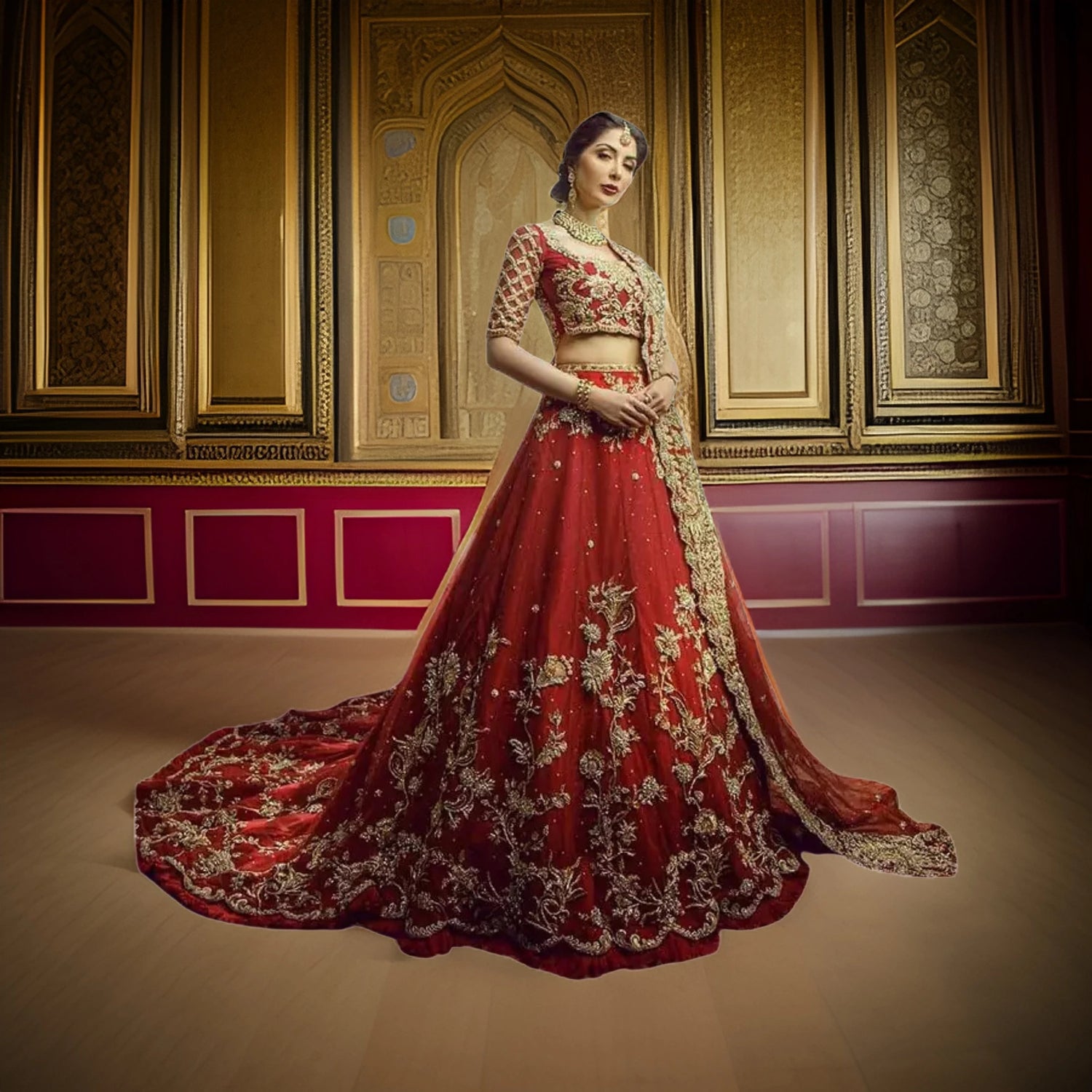
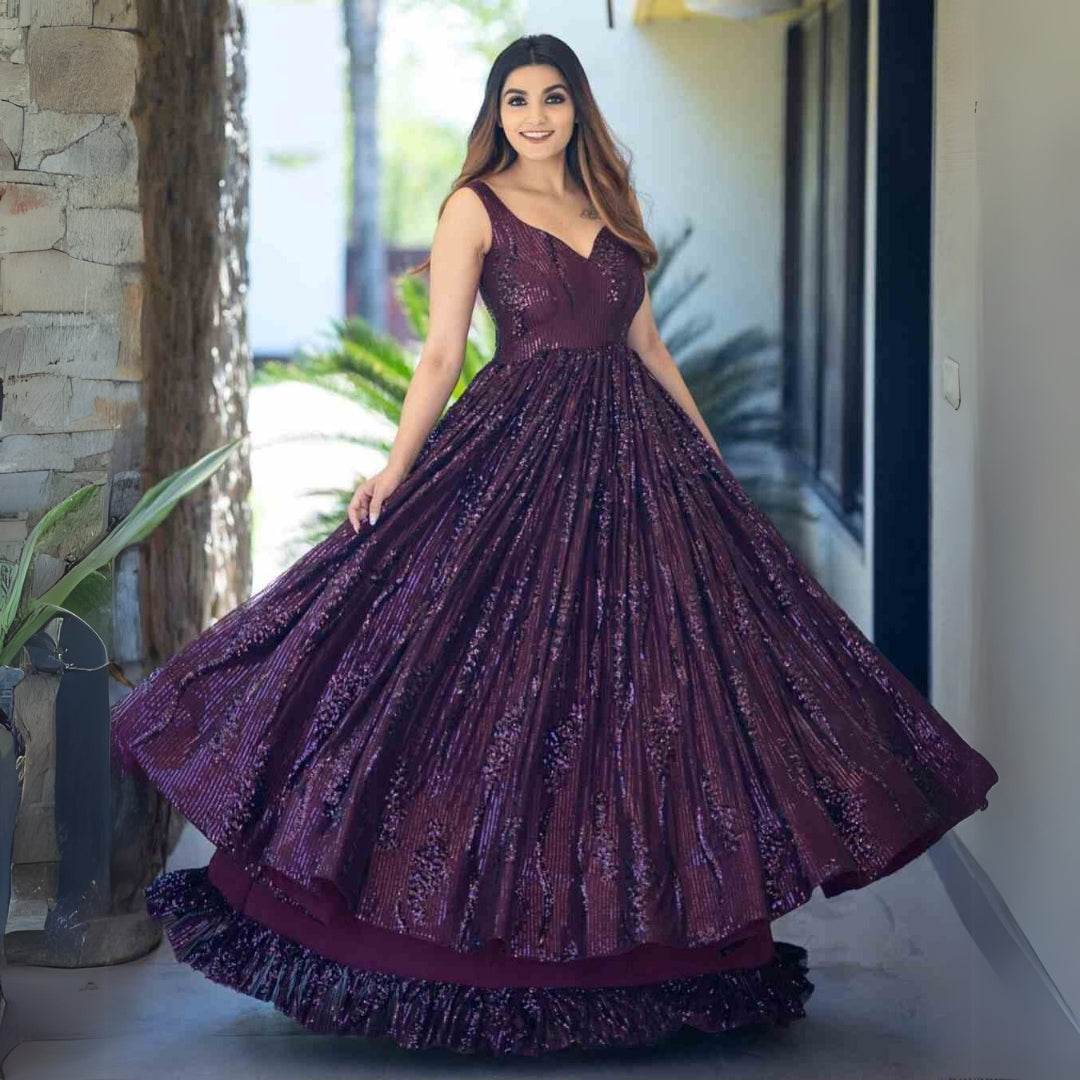
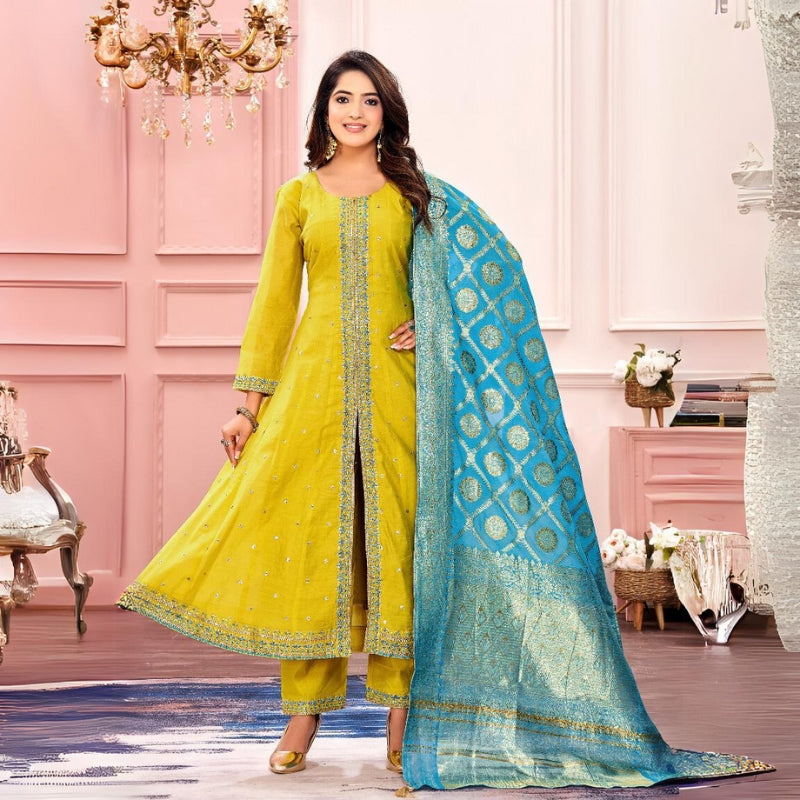
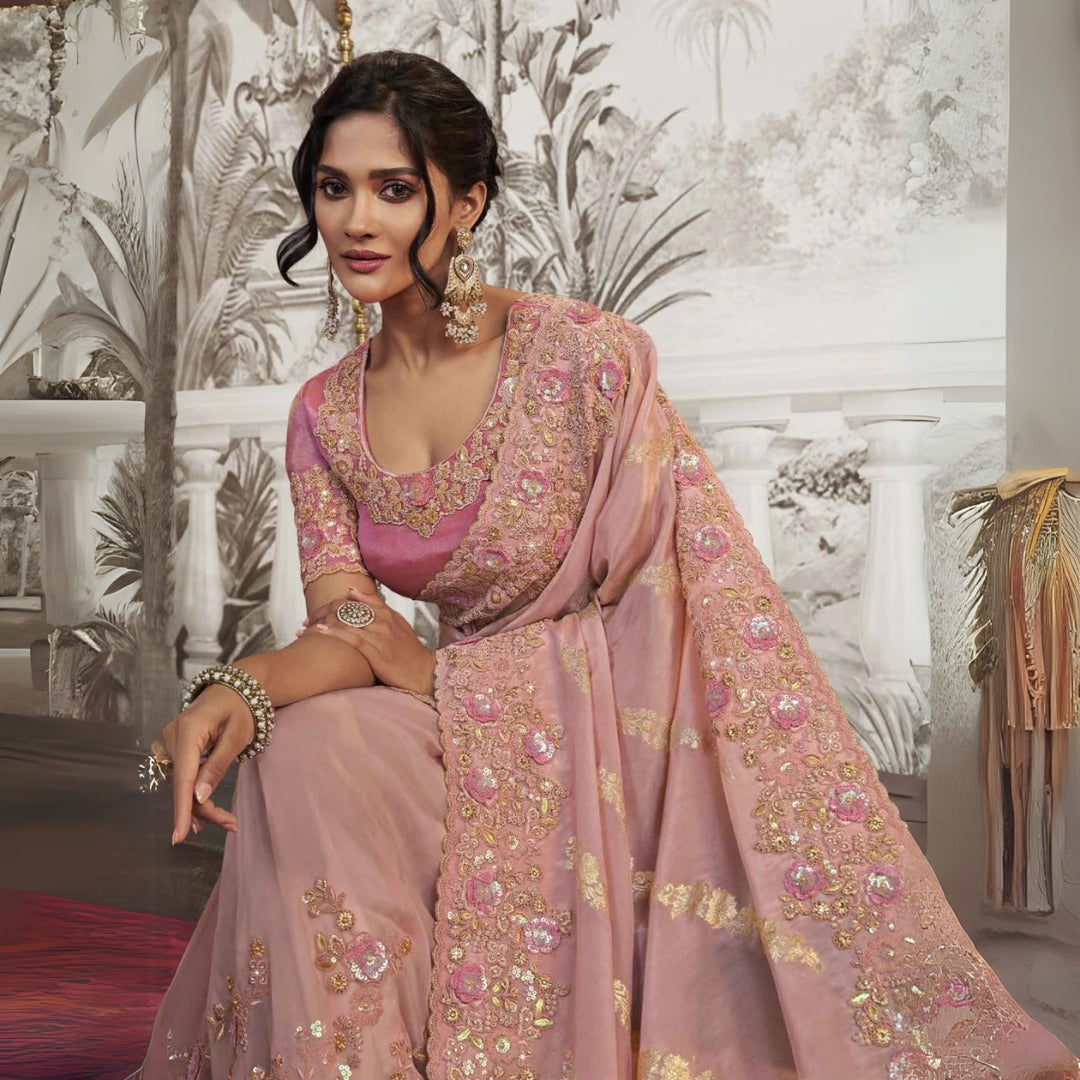
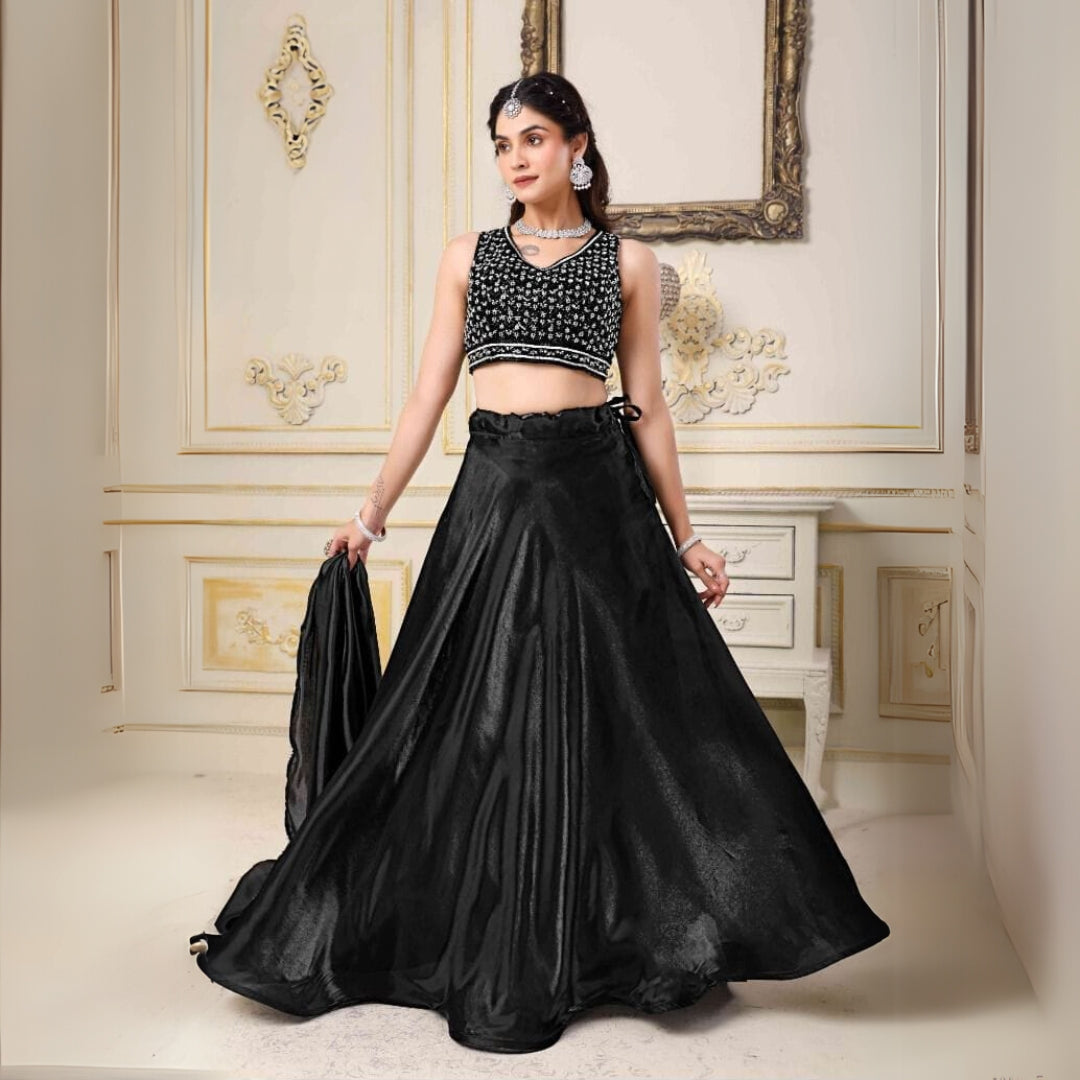
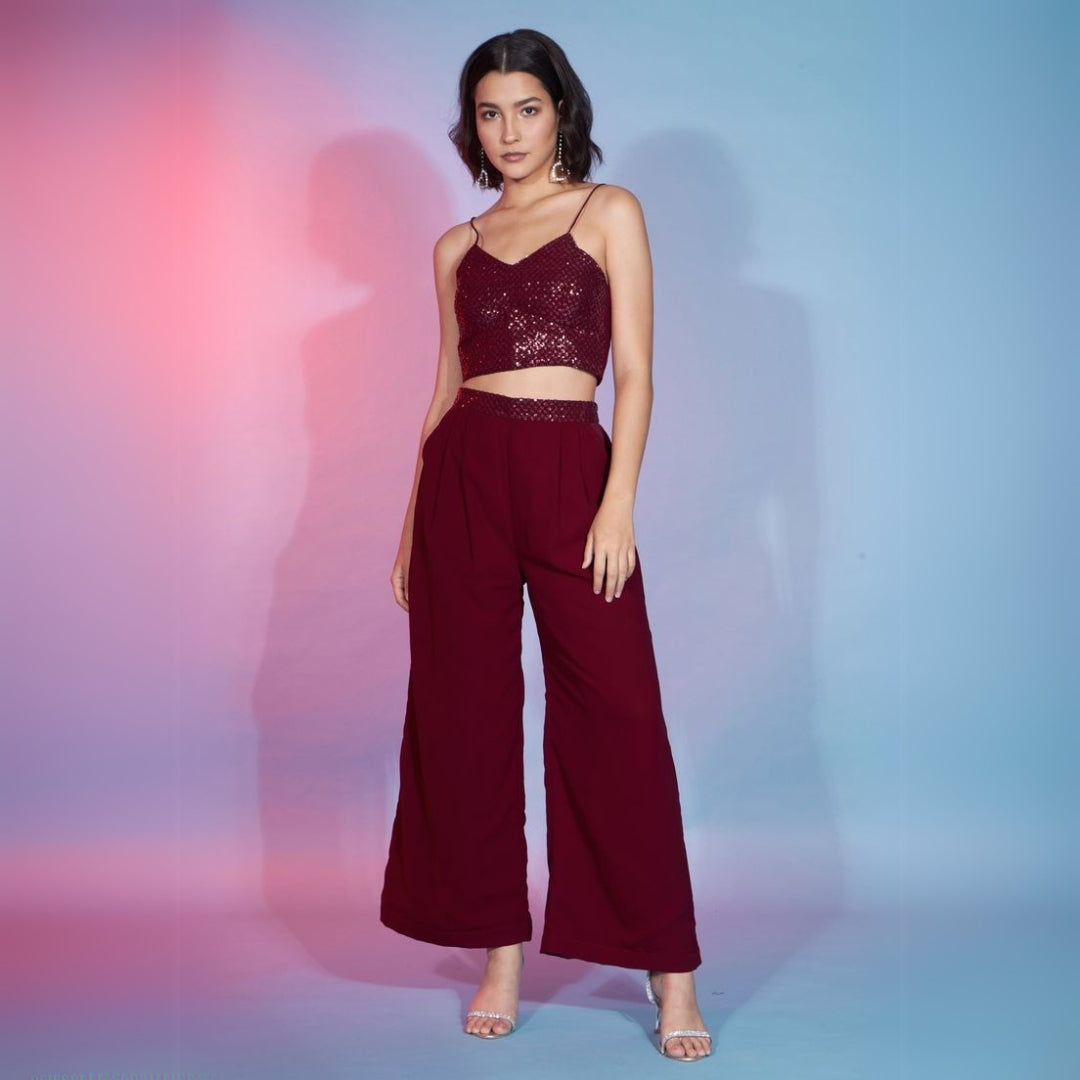
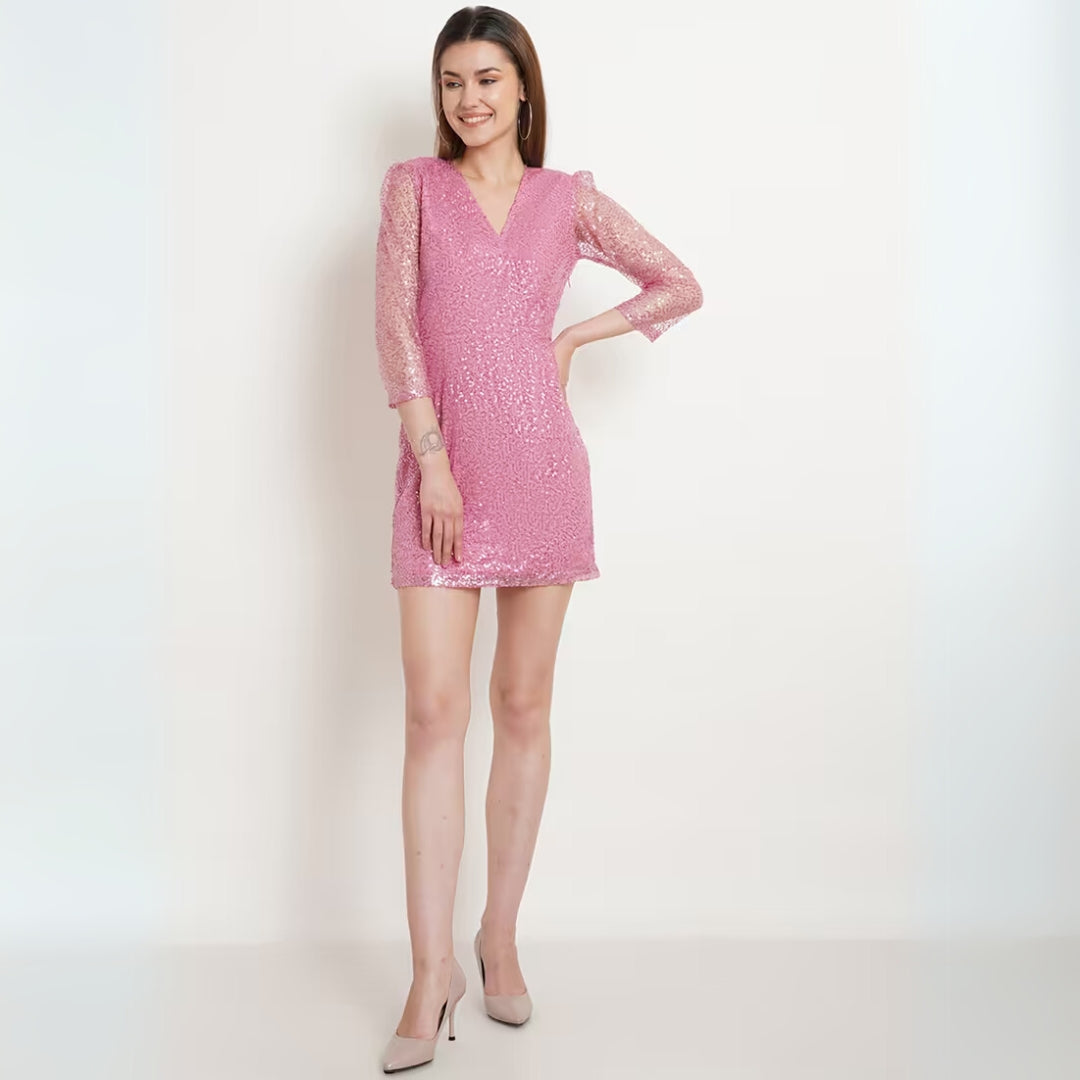
When the first glint of a metallic kamarbandh catches the light as a woman enters a room, something almost cinematic happens: heads turn, conversations pause, and the saree transforms from beautiful attire into an unforgettable style moment. At Shreekama, we believe the belted saree is more than a trend—it's a statement of confidence, craftsmanship, and modern femininity. This guide will help you master belted saree styling, whether you crave regal elegance, minimalist chic, or high-glamour partywear.
Why the Belted Saree Is a Must-Have in Every Wardrobe
The belted saree has become a versatile wardrobe hero. It blends timeless tradition with contemporary structure, offering a flattering silhouette and practical comfort. Here’s why fashion-forward women embrace the kamarbandh:
- Instant definition: A waist belt highlights the natural curves and creates a polished silhouette that photographs beautifully.
- Functional elegance: Belts keep pleats and pallus in place so you can move with confidence during long events.
- Versatile styling: From heirloom kamarbandhs to modern leather belts, the accessory adapts to formal weddings and stylish cocktail affairs.
- Fashion-forward layering: A well-chosen belt can transform even a simple saree into a couture look.
Understanding Kamarbandh: Types and Materials
Knowing the different styles of waist belts helps you match the right piece to your saree and occasion.
Traditional Kamarbandh
Typically ornate, crafted in gold or silver tones, and often studded with semi-precious stones or pearls. Ideal for ceremonies and bridal looks where grandeur is desired.
Contemporary Waist Belts
Sleek metal cuffs, embroidered fabric belts, and leather-cinched options fall under this category. They bring a modern, editorial edge to partywear sarees and fusion ensembles.
Statement Belts and Multi-Layered Chains
These dramatic pieces can be layered or worn alone. They work best with monochrome sarees or heavy-blouse ensembles to create contrast and visual interest.
Lightweight Fabric Kamarbandh
Fabric belts with delicate embellishments offer comfort without sacrificing elegance—perfect for daytime events and climates that demand breathable options.
How to Choose the Perfect Belt for Your Saree
Choosing a kamarbandh is about balance—matching proportion, texture, and color to achieve harmony between the saree and the accessory.
Match the Belt to the Saree Fabric
- Silk and brocade: Pair with heavier metallic or embroidered belts to complement richness.
- Chiffon and georgette: Choose slim metal cuffs or delicate chain belts to avoid overwhelming the drape.
- Handloom and cotton-silk blends: Embellished fabric belts enhance the artisanal appeal without stealing the show.
Consider Body Shape and Proportions
- Hourglass: A defined kamarbandh emphasizes the waist—go bold or ornately detailed.
- Apple shape: Opt for a slightly higher placement to create the illusion of a narrow waistline.
- Rectangle: Choose belts with detailing that add curves and softness to the silhouette.
Colour and Contrast
Create impact with contrast—gold against navy, oxidized silver on cream, or a jewel-toned belt on a neutral saree. For a cohesive look, match the belt metal to jewelry tones.
Step-by-Step: How to Style a Kamarbandh with Your Saree
Here’s a practical, stepwise approach to elevate your saree with a kamarbandh while ensuring comfort and poise.
1. Drape with Intention
Start with a neatly pleated pallu and well-set pleats at the waist. A tidy drape makes it easier to position the belt without bunching fabric.
2. Secure the Base
Use discreet safety pins or a discreet waist tie for extra hold if your saree fabric is slippery. This prevents slippage beneath the belt.
3. Place the Belt Strategically
Position the kamarbandh at your natural waist for a classic silhouette. For a fashion-forward look, experiment with a slightly higher placement—just below the bust—or lower on the hips for a contemporary boho feel.
4. Fasten Firmly, Not Restrictively
Your belt should sit snugly to sculpt the silhouette but never so tight that it restricts movement or comfort.
5. Adjust the Pallu
Ensure the pallu falls elegantly over the belt or is artistically tucked to reveal the belt’s design. For layered chains, allow cascading strands to frame the waist.
Styling Scenarios: Occasion-Based Inspiration
Whether you’re attending a wedding, walking a red carpet, or hosting an intimate soiree, the right kamarbandh can set the tone.
Wedding Glamour
- Opt for an heirloom-style kamarbandh with pearls and kundan work.
- Pair with a heavily embroidered saree and statement jhumkas to match the regal vibe.
Chic Cocktail Party
- Choose a minimalist metal cuff or a sleek leather belt for modern glamour.
- Complement with angular metallic heels and a bold clutch.
Everyday Luxe
- Fabric belts with subtle embellishment elevate a simple saree into a refined daytime look.
- Keep accessories light: small studs and a delicate bracelet suffice.
Accessorizing: Jewellery, Footwear, and Styling Details
Accessories should enhance, not compete with, your kamarbandh. Follow these rules for harmonious styling:
Jewellery Coordination
- Metal tone matching: Align the belt metal with your necklace, bangles, and rings for a curated look.
- Statement pieces: If your belt is ornate, choose subtle earrings; if the belt is minimal, let your jewellery take center stage.
Footwear and Bags
- Heels elongate the silhouette when wearing a belted saree; choose pointed pumps or embellished sandals for evening events.
- A structured clutch or minaudière complements the defined waist and adds polish.
Makeup and Hair
Balance is key. A sleek bun or soft waves keep the focus on the waistline. Choose makeup that complements the mood—dewy skin for daytime, bold eyes or lips for night.
Maintenance and Care for Your Kamarbandh
Luxury accessories need tender loving care to remain heirloom-worthy.
Storage Tips
- Store metal belts in anti-tarnish pouches or wrapped in muslin to prevent scratches.
- Keep fabric belts in breathable boxes to preserve embroidery and prevent dampness.
Cleaning and Repairs
- For metalwork, use a soft cloth and gentle cleaner recommended for the metal type.
- For beading or delicate embroidery, consult a specialist to avoid damage during cleaning.
Shopping Smart: What to Look for When Buying a Kamarbandh
Invest in quality. A well-crafted kamarbandh elevates multiple sarees and lasts for years. Keep these criteria in mind:
- Artisan craftsmanship: Look for secure joins, even finishing, and quality closures.
- Comfort features: Padding or smooth inner lining prevents chafing against the skin.
- Adjustability: Choose belts with adjustable hooks or ties to fit different sarees and styles.
- Versatility: Select pieces that pair well with both heavy and minimal sarees to maximize use.
Why Shreekama’s Kamarbandh Collection Stands Apart
At Shreekama, our kamarbandhs reflect a marriage of legacy techniques and contemporary design. Each piece undergoes meticulous hand-finishing and is curated to complement our luxury saree collection. When you choose Shreekama, you choose artisanal excellence, exceptional fit, and accessories that tell a story—your story.
Quick Styling Cheats for Instant Glam
- For a slimmer waist illusion, wear darker belts with lighter sarees.
- Use a transparent or fabric inner belt for slippery fabrics before adding the decorative kamarbandh.
- Layer chains over a plain belt to create a couture, editorial look without overwhelming your saree.
FAQ
What is a kamarbandh and why wear one?
A kamarbandh is a decorative waist belt worn with traditional Indian attire. It defines the waist, secures pleats and pallus, and adds an elegant focal point to the saree ensemble.
Which saree fabrics work best with a belt?
Heavier fabrics like silk and brocade pair beautifully with ornamental belts. Lighter fabrics such as chiffon and georgette look best with slim metal cuffs or delicate chain belts to maintain balance.
Where should I place the belt for the most flattering silhouette?
Place the kamarbandh at your natural waist for a classic look. For fashion-forward styles, experiment with slightly higher or lower placements to suit your body type and the occasion.
Can I wear a kamarbandh with a modern or fusion saree?
Absolutely. Modern belts—leather, metal cuffs, or asymmetrical designs—work brilliantly with fusion drapes, lehenga-style sarees, and contemporary blouses.
How do I prevent my belt from slipping on silk sarees?
Secure the saree with discreet safety pins or an inner waist tie before fastening the kamarbandh. Choose belts with textured backs or padded linings for better grip.
How to match jewelry with a kamarbandh?
Coordinate metal tones between your belt and jewelry. If the kamarbandh is ornate, opt for simpler earrings; with a minimal belt, choose a statement necklace or chandelier earrings.
Can a kamarbandh be resized or adjusted?
Many belts come with adjustable closures. For permanent resizing, visit a trusted jeweller or tailor who can modify the length or add extension hooks without compromising design integrity.
How should I care for embellished or antique kamarbandhs?
Store them in soft cloth pouches, avoid exposure to moisture, and seek professional cleaning for delicate beading or gemstones to maintain their luster.
Final Thoughts
The belted saree is an enduring expression of style—an accessory-driven evolution that celebrates both heritage and modernity. Whether you’re stepping into a grand hall or creating an intimate memory, the right kamarbandh amplifies your presence, confidence, and personal narrative. Let your saree sing with a waistpiece that complements your story.
Explore Shreekama’s exclusive collection and find the perfect kamarbandh to complete your look. Elevate your saree moments—discover our curated partywear and belted saree styles at https://www.shreekama.com/collections/partywear-saree.