Origins and Cultural Significance
Where They Come From
Banarasi silk originates from Varanasi (Banaras), a city steeped in spiritual rituals and centuries-old craft. Kanjeevaram, often referred to as Kanchipuram silk, hails from the temple town of Kanchipuram in southern India. These geographical roots influence not just aesthetics but the very techniques and symbolism woven into each saree.Why Culture Matters
- Banarasi sarees often reflect Mughal influences — floral jhallar, intricate brocades and opulent zari that reflect northern India’s royal elegance. - Kanjeevaram sarees carry Dravidian sensibilities — temple borders, checks, stripes and classical motifs inspired by South Indian temples and temple jewelry. Understanding these cultural fingerprints helps you choose a saree that aligns with emotional tone: Banarasi for regal romance, Kanjeevaram for majestic tradition.Weaving Techniques and Materials
Warp and Weft: The Technical Difference
- Banarasi: Typically woven with fine silk threads and heavy use of zari (metallic threads). The brocade technique interlaces silk and zari to form elaborate patterns. Many Banarasi pieces use supplementary weft and dobby work for raised textures. - Kanjeevaram: Characterized by a sturdy silk warp and contrasting zari weft. The distinctive feature is the interlocking of different colored threads where body and border are joined, creating durable, striking contrasts.Types of Silk and Zari
- Banarasi silk often uses fine mulberry silk and metallic zari that ranges from silver to gold-plated threads. Traditional authentic Banarasi may use real gold or silver-coated zari. - Kanjeevaram sarees typically use pure mulberry silk with heavy pure zari borders and pallus, sometimes incorporating pure gold zari in premium creations. These material choices affect sheen, drape, and longevity — key factors for collectors and luxury shoppers.Design Elements: Motifs, Borders, and Brocades
Signature Motifs to Look For
- Banarasi motifs: Mughal-inspired floral patterns such as buta, jall, paisley, and elaborate floral vines. Brocade work often creates a continuous floral or foliate pattern across the saree. - Kanjeevaram motifs: Temple borders,Checks (kattam), peacocks, mango (paisley) patterns, and geometric lines. The pallu (pallav) often shows contrasting woven panels with temple-inspired symbolism.Borders and Pallus
- Banarasi borders tend to be richly embroidered with brocade work that flows smoothly from body to pallu, often in matching tones. - Kanjeevaram showcases bold, contrasting borders and a heavy pallu that is a signature statement. The stark juxtaposition between body and border is a hallmark. These elements are not just decorative — they tell a story. A Banarasi might whisper romance through dense floral brocades, while a Kanjeevaram declares heritage with architectural precision.Texture, Weight, and Drapability
How They Feel and Fall
- Banarasi silk: Generally softer, often lighter depending on brocade density, with a luxurious fluid drape. The use of fine silk threads yields a graceful fall, ideal for styles that require elegant pleats and mobility. - Kanjeevaram silk: Heavier and more structured, due to thicker yarns and dense zari borders. The saree holds shape beautifully, offering a regal silhouette that flatters formal draping.Choosing Based on Comfort and Occasion
- Choose Banarasi if you prefer a lighter, plush fall that moves with you — great for receptions and long ceremonies where comfort matters. - Opt for Kanjeevaram when you want an imposing, sculpted look — perfect for classic bridal drapes and cultural ceremonies where formality and grandeur are desired.Occasions, Styling, and Emotional Impact
When to Wear Banarasi or Kanjeevaram
- Banarasi: Ideal for weddings, festive evenings, and occasions where sensuous shimmer and intricate details are celebrated. - Kanjeevaram: Suited to temple ceremonies, traditional weddings, and events where cultural ceremony and timeless grandeur are central.Styling Tips to Elevate the Look
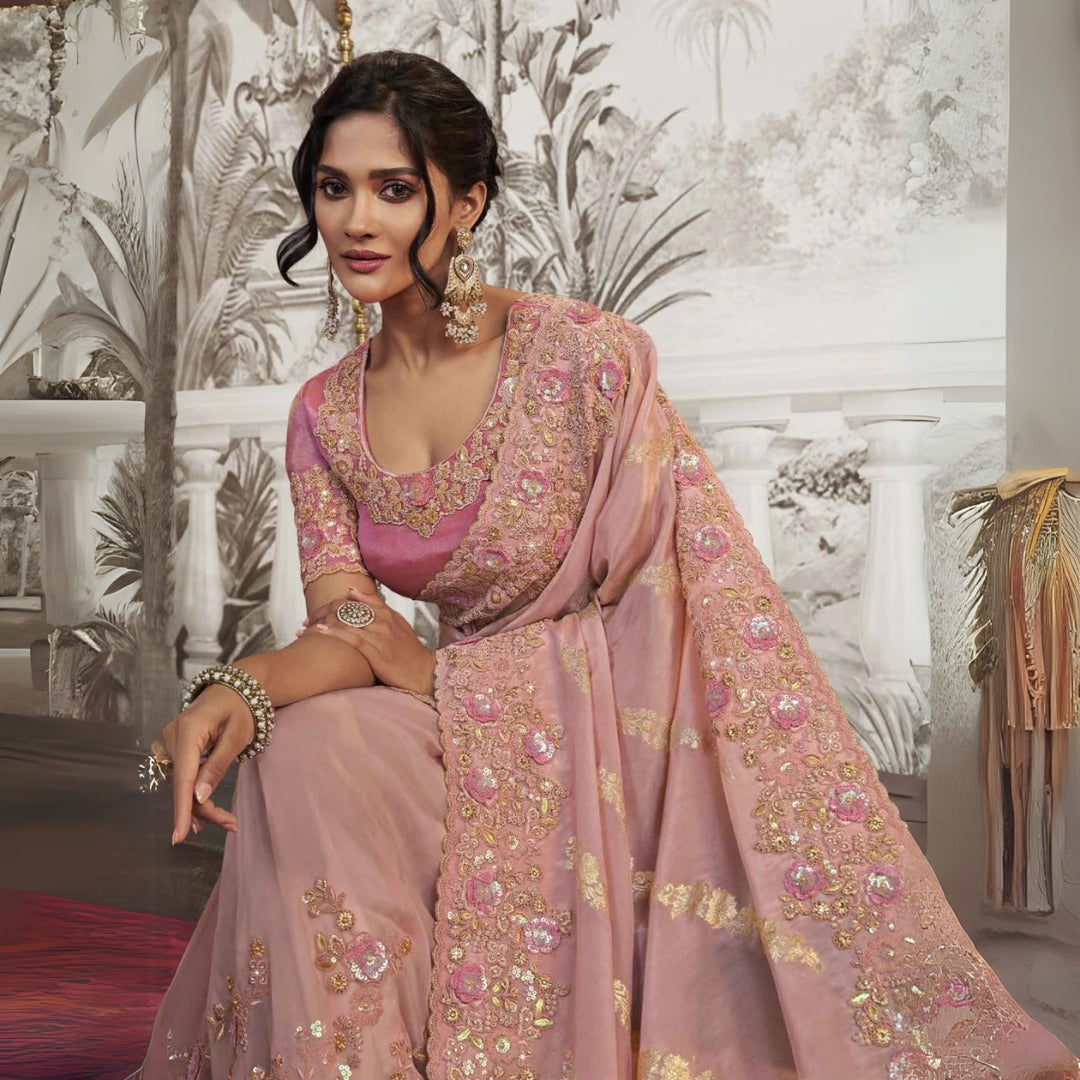
- Pair a Banarasi saree with antique jewelry like kundan or polki to amplify its royal poetry. A soft updo complements the saree's fluidity. - Style a Kanjeevaram with temple jewelry and a bold bun to honor its sculptural dignity. The saree’s structure pairs well with larger statement necklaces. Emotionally, a Banarasi can evoke nostalgia of moonlit verandahs and whispered vows; a Kanjeevaram feels like stepping into a sacred hall, surrounded by history and ritual.Price, Rarity, and Investment Value
What Drives Price Differences
- Handwoven labor intensity: Both demand skilled artisans, but the complexity of brocade in Banarasi and the density of zari in Kanjeevaram drive up costs. - Zari quality: Pure gold and silver zari significantly increase price and long-term value. - Handloom authenticity: Genuine handloom sarees command higher prices than power-loom counterparts.Investment Considerations
- A true handwoven Banarasi or Kanjeevaram is more than a garment; it’s an heirloom that appreciates emotionally and often materially when preserved well. - Consider provenance and certification. Sarees with authenticated handloom tags or recognized artisan signatures maintain value and connect you to a lineage of craft.How to Identify Genuine Banarasi and Kanjeevaram
Visual and Tactile Checks
- Examine the reverse: In handwoven Banarasi, the design should be visible from the back with minimal interruptions. Loose threads may indicate handwork. - Check the border join in Kanjeevaram: The body and border are often woven separately and interlocked; the join should be seamless and sturdy. - Zari sheen: Authentic zari has a distinct metallic sheen that doesn’t flake easily. Real zari may have a slightly muted, deep gleam compared to cheap synthetic foils.Simple Home Tests (Non-Destructive)
- Burn test: This is destructive and not recommended for valuable sarees, but authentic silk smells like burning hair; synthetic fibers smell like plastic. Avoid burning treasured pieces. - Weight and drape: Genuine luxury silk has a substantial weight and graceful drape; power-loom reproductions often feel hollow or stiff.Care and Maintenance: Preserve the Legacy
Daily Care and Storage
- Always air your saree in shade after wearing to release moisture and body oils. - Store Banarasi and Kanjeevaram separately in muslin or cotton cloth to let the silk breathe. Avoid plastic covers. - Refold periodically to reduce stress along fold lines, especially where heavy zari sits.Cleaning Tips
- Prefer professional dry cleaning for heavy zari and brocade work. Hand-wash only light, lightly soiled pieces using mild detergents and cold water if unavoidable. - For long-term stains or tarnishing of zari, consult a specialist in heritage textiles—improper cleaning can diminish value. Following these steps not only keeps your saree pristine but also protects the craftsmanship and story woven into every thread.Comparing Side-by-Side: Quick Reference
- Origin: Banarasi — Varanasi; Kanjeevaram — Kanchipuram
- Weave: Banarasi — intricate brocade with fine silk; Kanjeevaram — sturdy interlocked warp-weft with contrasting borders
- Motifs: Banarasi — Mughal floral; Kanjeevaram — temple, checks, and peacocks
- Weight: Banarasi — lighter to medium; Kanjeevaram — heavier and structured
- Best For: Banarasi — romantic weddings and evening soirées; Kanjeevaram — traditional ceremonies and grand bridal statements
People Also Ask: Quick Answers
What is the main difference between Banarasi and Kanjeevaram silk sarees?
The main difference lies in origin, weaving techniques, and aesthetic: Banarasi features intricate brocade and Mughal-inspired motifs with a fluid drape, while Kanjeevaram is known for heavier silk, contrasting borders, and temple-inspired designs.Which silk saree is more durable—Banarasi or Kanjeevaram?
Kanjeevaram sarees are generally more durable due to thicker yarns and dense weaving, especially where heavy zari is used. However, both can last generations with proper care.How can I tell if a Banarasi saree is genuine?
Look for handwoven irregularities, visible design on the reverse, authentic zari sheen, and certified handloom tags. Consult trusted artisanal sources for provenance.Conclusion: Choosing for Emotion and Legacy
Selecting between a Banarasi and a Kanjeevaram is less about right or wrong and more about which story you want to wear. Do you crave the whisper of Mughal florals and delicate brocade that moves with you? Choose Banarasi. Do you seek the bold, sculptural dignity of temple borders and contrasting hues that proclaim tradition? Choose Kanjeevaram. At Shreekama, we curate both styles with uncompromising attention to authenticity, handloom provenance, and luxury finish. Our sarees are crafted to become more than garments — they become family heirlooms, woven with care and designed to create unforgettable moments.Explore our exclusive collection of Banarasi and Kanjeevaram sarees
Frequently Asked Questions (FAQ)
How do I care for a Banarasi silk saree to ensure it lasts decades?
Air the saree after each wear, store in a breathable cotton or muslin cloth away from direct sunlight, avoid spraying perfume directly on the fabric, and dry clean occasionally. Refold periodically to prevent permanent creases and use acid-free tissue between folds if storing long-term.Can I wear a Banarasi saree for a traditional South Indian wedding?
Yes. While cultural preferences may vary, many women blend regional styles to express personal aesthetics. Pairing a Banarasi with South Indian temple jewelry creates a fusion look that honors both traditions.Is Banarasi silk worth the investment?
A genuine handwoven Banarasi silk saree is a worthwhile investment due to its craftsmanship, cultural value, and potential to appreciate as an heirloom. Prioritize verified handloom authenticity and quality of zari to ensure lasting value.What makes Kanjeevaram zari different from Banarasi zari?
Kanjeevaram often uses heavier, more pronounced zari in contrasting borders and pallus, making the contrast an aesthetic feature. Banarasi zari tends to be integrated into brocade patterns across the body, creating continuous rich motifs.How do I identify counterfeit or power-loom Banarasi sarees?
Counterfeits often have uniform, mechanical patterns, less visible design on the reverse, flimsy or foil-like zari that peels, and inconsistent handwork. Buy from reputed houses or look for handloom certification and artisan information.Can I get a modern or contemporary design in Banarasi silk?
Absolutely. Contemporary designers are innovating with Banarasi silk, creating updated color palettes, minimal motifs, and fusion silhouettes that preserve craft while catering to modern wardrobes.How should I drape a Kanjeevaram for a bridal look?
Opt for a classic, tightly pleated Nivi drape or traditional South Indian style with the pallu brought forward over the shoulder. Pair with temple jewelry, a high bun, and floral adornments to accentuate the regal silhouette.Is it safe to machine wash Banarasi sarees?
Machine washing is not recommended. The agitation can damage delicate brocade and zari. Hand-wash only lightly soiled pieces with extreme care or choose professional dry cleaning for thorough maintenance.Where can I find authentic Banarasi and Kanjeevaram sarees?
Purchase from established, reputable brands and handloom cooperatives that provide certification, artisan details, and clear information on fabric and zari. Trusted boutiques and curated collections like Shreekama ensure provenance and quality.Ready to weave your story? Discover the perfect Banarasi or Kanjeevaram to cherish for a lifetime at Shreekama's Traditional Saree Collection.