Every wardrobe tells a story. For many, that story begins with a kurta—the flowing Anarkali that whispers regal drama or the wrap-around Angrakha that charms with understated elegance. Choosing between Anarkali vs. Angrakha is more than picking a silhouette; it’s about embracing a version of yourself that feels confident, graceful, and unmistakably you. At Shreekama, we believe the right kurta does more than clothe you—it transforms how you stand, move, and connect. Let’s explore which kurta style suits you, how to style it for different occasions, and the insider tips that make a luxury piece feel custom-made.
Understanding the Silhouettes: What Makes Anarkali and Angrakha Unique
Anarkali Kurta: Dramatic Flare and Timeless Grace
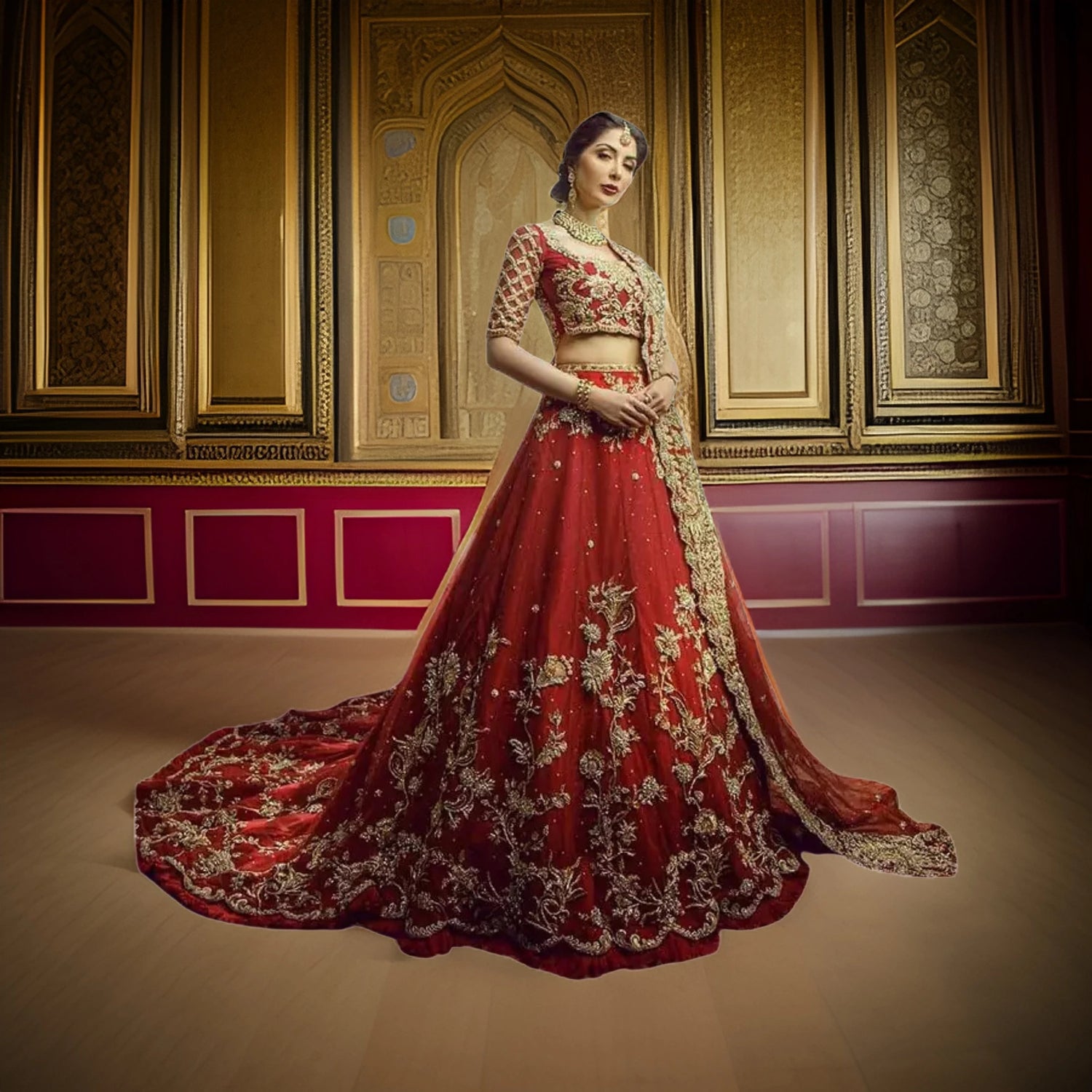
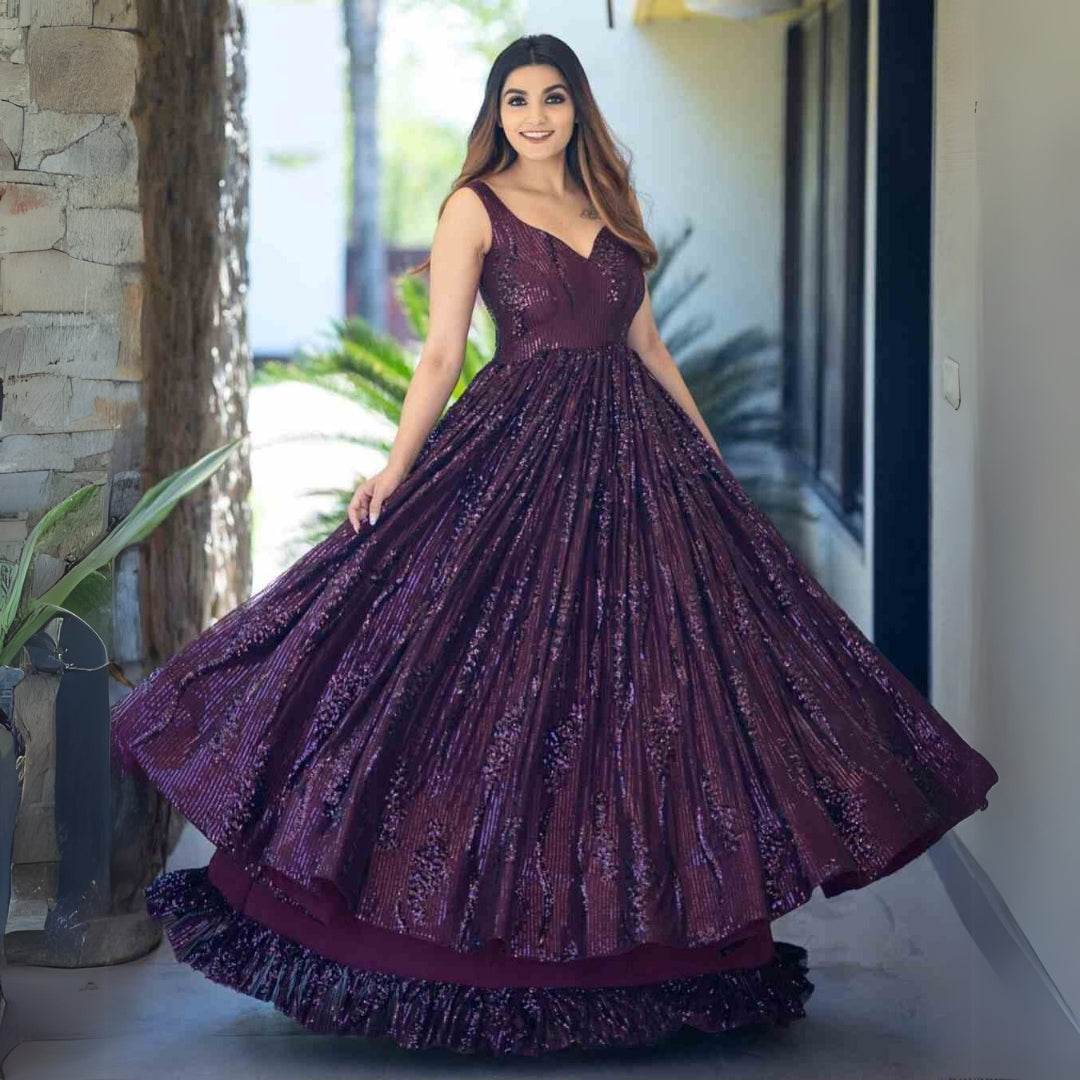
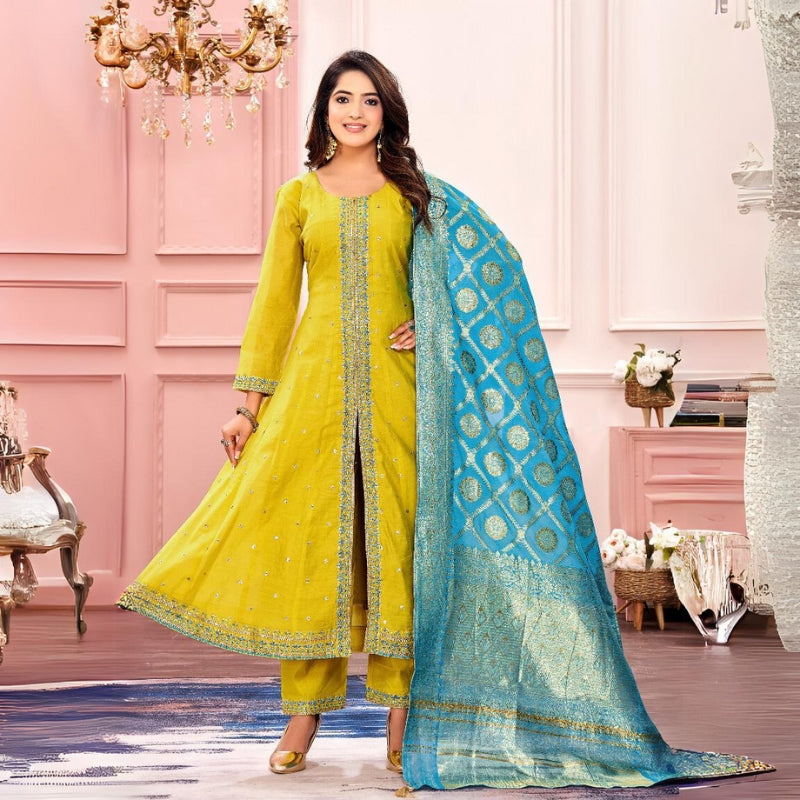
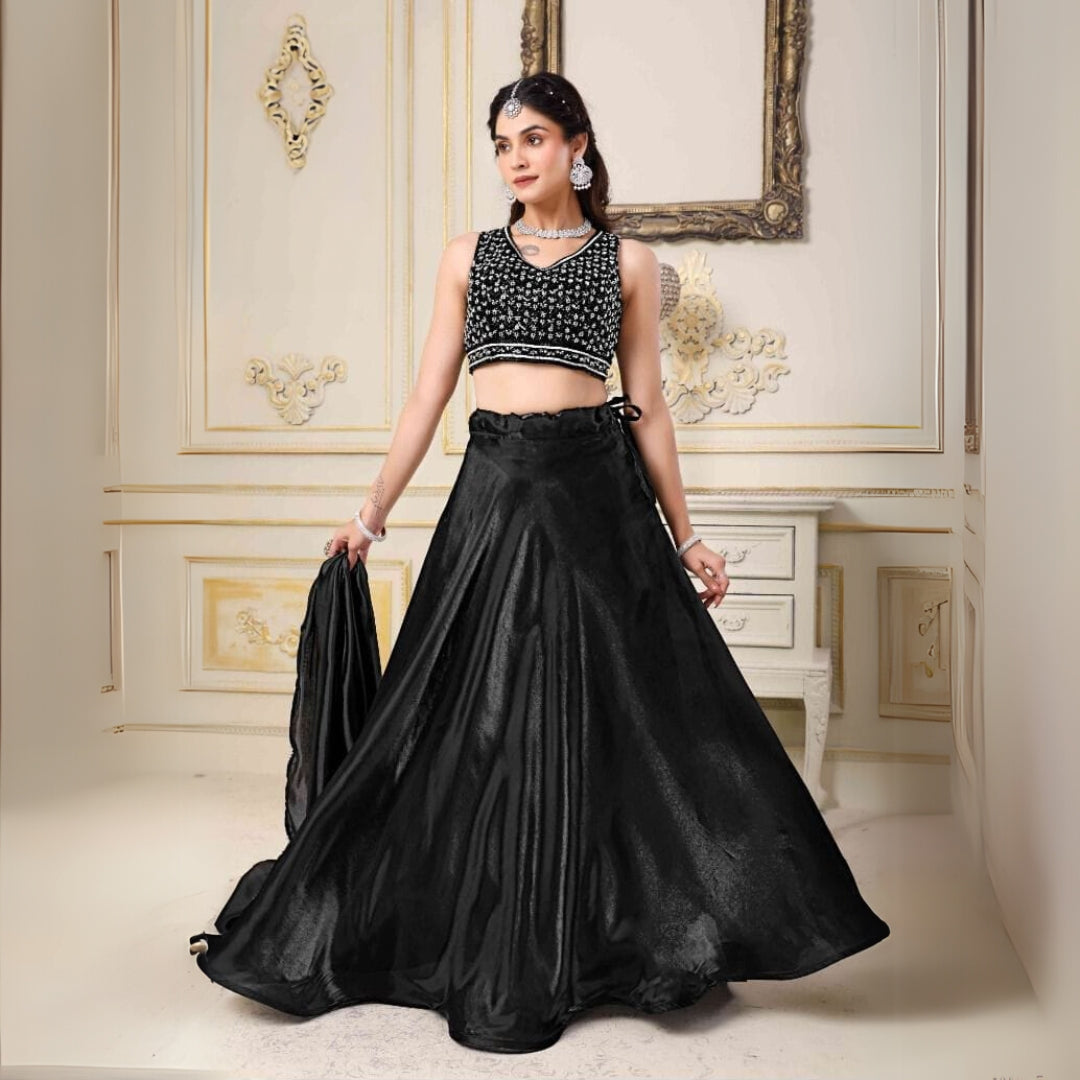
The Anarkali kurta is defined by its fitted bodice and voluminous, flowing skirt that cascades from the waist or empire line. It creates a striking A-line silhouette that flatters movement and brings a theatrical sweep to every step. Often crafted in rich fabrics with ornate embroidery, the Anarkali reads luxurious and formal—perfect for celebrations where glamour is the goal.
- Key features: fitted bust, flared hem, floor-length or tea-length options, elaborate embellishments
- Ideal for: festive events, weddings, formal soirées, and times you want a statement look
- Styling impact: elongates the body, accentuates the waist, and offers regal presence
Angrakha Kurta: Wrapped Comfort and Elegant Structure
The Angrakha kurta is a wrap-style garment with an overlapping front panel secured by ties, buttons, or inner hooks. It carries a structured yet relaxed vibe—less theatrical than an Anarkali but brimming with personality. Its asymmetrical lines and waist-defining overlap make it incredibly flattering for a variety of body shapes.
- Key features: wrap closure, asymmetric hem or straight cut, customizable overlap, often paired with churidar or palazzo
- Ideal for: cultural lunches, office occasions, intimate ceremonies, and anyone seeking sophisticated comfort
- Styling impact: defines the torso, offers adjustable fit, and creates a refined silhouette without overwhelming movement
Which Kurta Style Suits You? Choose by Body Type and Proportion
Petite Frames: How to Wear Anarkali and Angrakha
If you’re petite, the fear of being swallowed by fabric is real—but both styles can serve you beautifully when tailored thoughtfully.
- Anarkali: Opt for tea-length Anarkalis with a higher waistline to create the illusion of longer legs. Lightweight fabrics with minimal heavy embroidery prevent bulk.
- Angrakha: Choose a shorter or knee-length Angrakha with a defined waist overlap. Vertical details and a single-color palette help elongate your frame.
Hourglass and Curvy Figures: Emphasize Your Proportions
Hourglass and curvy silhouettes benefit from garments that celebrate the waist while balancing volume.
- Anarkali: Empire-waist Anarkalis that nip in under the bust flare elegantly over hips, showcasing curves while maintaining flow.
- Angrakha: A wrap that ties at the side or back accentuates the waist beautifully. Structured fabrics keep the form sharp without clinging.
Apple and Rectangle Shapes: Create Definition with Smart Cuts
For apple-shaped and straight figures, the goal is to create shape and draw the eye vertically.
- Anarkali: A-line bodies with fewer embellishments at the chest and more interest near the hem help balance proportions.
- Angrakha: AngrakhAs with side ties and V-shaped overlaps create the illusion of a defined waist and add verticality.
Occasion Guide: When to Wear Anarkali vs Angrakha
Wedding Guest or Festive Extravaganza
Choose Anarkali when you want to make an unforgettable entrance. Its dramatic flare pairs exquisitely with heavy jewelry and embellished dupattas. For a modern take, choose an Angrakha with rich fabrics and ornate borders—perfect for intimate wedding functions or mehendi events.
Office or Daytime Celebrations
Angrakha shines in professional settings where elegance meets comfort. A silk or cotton-silk Angrakha in subtle prints or muted tones creates a sharp, confident look without overstatement.
Cultural Ceremonies and Family Gatherings
Both silhouettes are appropriate—pick based on your mood. Anarkali conveys ceremony and grace. Angrakha communicates relaxed refinement and ease of movement, particularly useful for long events where comfort matters.
Fabric and Embellishment: Choosing Luxurious Materials
Fabrics That Elevate Every Silhouette
- Silk and brocade: Luxurious drape for Anarkalis, rich surface for AngrakhAs with structure.
- Chiffon and georgette: Perfect for flowy Anarkalis that move like liquid and feel light on the body.
- Cotton-silk blends and linen-silk: Ideal for Angrakha kurtas meant for daytime elegance and breathability.
- Velvet and raw silk: Make Angrakhas regal for evening ceremonies; Anarkalis in these fabrics command attention.
Embellishment Tips
Balance is key. If you choose heavy embroidery on the bodice of an Anarkali, keep the skirt lighter to preserve flow. Angrakha kurtas benefit from detailed borders, delicate motifs, and tasteful sequins near the overlap for focal interest without overpowering the wrap.
Styling Tips: Shoes, Dupattas, and Jewelry
Footwear That Completes the Look
- Anarkali: Pair with heeled sandals or juttis for an elevated posture and graceful stride.
- Angrakha: Block heels, kolhapuris, or sleek ankle boots work well depending on hem length and occasion.
Dupatta Draping and Accessories
Anarkali loves a sweeping dupatta thrown over one shoulder or draped across both for dramatic photos. Angrakha pairs exquisitely with a short, printed dupatta tucked at the waist or draped casually for a contemporary edge.
- Jewelry: Statement earrings and a cuff balance an Anarkali. For Angrakha, opt for elegant chokers or layered necklaces that hit above the overlap.
- Bags: Potli bags and embellished clutches for Anarkali; minimal structured clutches for Angrakha.
Customization and Tailoring: Make It Truly Yours
Why Tailoring Matters
The difference between “off-the-rack” and “you” is tailoring. For both Anarkali and Angrakha kurtas, precise measurements at the bust, waist, and hip ensure the silhouette flatters your unique shape. A skilled tailor can adjust the flare, hem length, and overlap for comfort and style.
Personalization Ideas
- Adjust sleeve length and cuff style to match arm proportion and personal taste.
- Custom overlaps: Make the Angrakha wrap deeper for modesty or shallower for a modern peek-a-boo effect.
- Embellishment placement: Shift heavy embroidery to areas that enhance your natural assets—shoulders, cuffs, or the hem.
Care Guide: Preserve Luxury Fabrics and Embellishments
Cleaning and Storage Basics
- Dry-clean embellished Anarkalis and Angrakhas to preserve delicate embroidery and zari.
- Store in breathable garment bags to prevent moisture and fading. Avoid plastic covers that trap humidity.
- Steam, don’t iron directly over embellishments. Use a pressing cloth when necessary.
Quick Repair Tips
Loose sequins or ties are common with wrap styles. Keep spare threads, small hooks, and matching fabric pieces for emergency fixes. For serious repairs, trust a professional atelier to maintain the integrity of the design.
Investment Pieces: Why Choose Luxury Kurtas from Shreekama
At Shreekama, a kurta is more than fabric stitched together—it’s craftsmanship, heritage, and modern luxury woven into every seam. Investing in an Anarkali or Angrakha from our curated collection means choosing pieces that are thoughtfully designed, impeccably finished, and meant to last. Each silhouette is meticulously tailored to flatter, offering timeless style that transcends fleeting trends.
Quick Comparison: Anarkali vs Angrakha at a Glance
- Anarkali: Best for dramatic movement, formal events, and a regal look. Choose for grand entrances and statement moments.
- Angrakha: Best for versatility, comfort, and a refined silhouette. Choose for modern elegance and everyday celebrations.
- Both: Offer customization potential, pair beautifully with rich jewelry, and work across a range of fabrics for seasonal adaptability.
How to Decide: Ask Yourself These Questions
- What is the occasion—grand or intimate?
- How much movement will you need—dance-friendly or seated comfort?
- Do you prefer structured elegance or flowing drama?
- Which parts of your body would you like to accentuate or soften?
Your answers guide the choice: pick an Anarkali for theatrical glamour and an Angrakha for sculpted sophistication.
FAQ: Common Angrakha Kurta Questions Answered
What is an Angrakha kurta?
Short answer: An Angrakha is a traditional wrap-style kurta with overlapping panels secured by ties or buttons. Expanded: It’s a versatile garment rooted in Indian sartorial history, designed to wrap around the torso for an adjustable fit. The overlap creates a V-shape that flatters many body types and allows for easy customization in length and closure style.
How is an Angrakha different from an Anarkali?
Short answer: Angrakha wraps; Anarkali flares. Expanded: While an Anarkali centers on a fitted bodice and dramatic skirt, an Angrakha focuses on a front overlap that defines the waist. The Angrakha reads more structured and adaptable, whereas Anarkali leans into movement and spectacle.
Which body shapes suit Angrakha kurtas?
Short answer: Most body shapes—especially apple, rectangle, and hourglass. Expanded: AngrakhAs are highly forgiving because the wrap creates a waistline and vertical lines. For apple shapes, choose a deeper V-overlap to create definition. For petite frames, pick shorter lengths and slim tailoring to avoid overwhelming proportions.
Can I wear an Angrakha to a wedding?
Short answer: Absolutely. Expanded: Opt for rich fabrics like silk or brocade and embellishments such as zardozi or gota to elevate the Angrakha for ceremonial settings. Pair with exquisite jewelry and a sophisticated dupatta for a wedding-ready ensemble.
Does an Angrakha require a dupatta?
Short answer: Not necessarily. Expanded: While a dupatta adds the traditional finishing touch, many modern AngrakhAs are styled without one for a sleek, contemporary look. For formal events, a dupatta can enhance the outfit’s elegance; for daytime or workwear, skip it for ease and modernity.
How should an Angrakha fit at the waist and bust?
Short answer: Snug but comfortable at the bust; adjustable at the waist. Expanded: The inner hook should sit comfortably at the bust without gaping, and the external tie or button should allow a tailored waist without restricting breathing. Tailoring is key—ensure the overlap sits flat and the seams align with your natural shoulder line.
Can men wear Angrakha-style kurtas?
Short answer: Yes, with cultural adaptation. Expanded: Angrakha-inspired wraps exist for men in certain traditional garments, often with a masculine cut and deeper overlaps. Contemporary menswear designers reinterpret the Angrakha in kurta sets and bandhgalas, blending heritage with modern tailoring.
Final Thoughts
Choosing between Anarkali vs Angrakha is a delightful decision when you understand what each silhouette offers. One brings cinematic elegance and sweeping drama; the other offers tailored comfort and timeless sophistication. Your lifestyle, the occasion, and personal style preferences will guide you, but both silhouettes can be adapted to elevate your presence. At Shreekama, we craft each kurta to become not just a garment, but a cherished part of your story—something you reach for when you want to feel confident, celebrated, and unmistakably you.
Ready to find the kurta that speaks to your soul? Explore our exclusive collection and discover luxury kurtas tailored for your most memorable moments: https://www.shreekama.com/collections/kurtas-suits