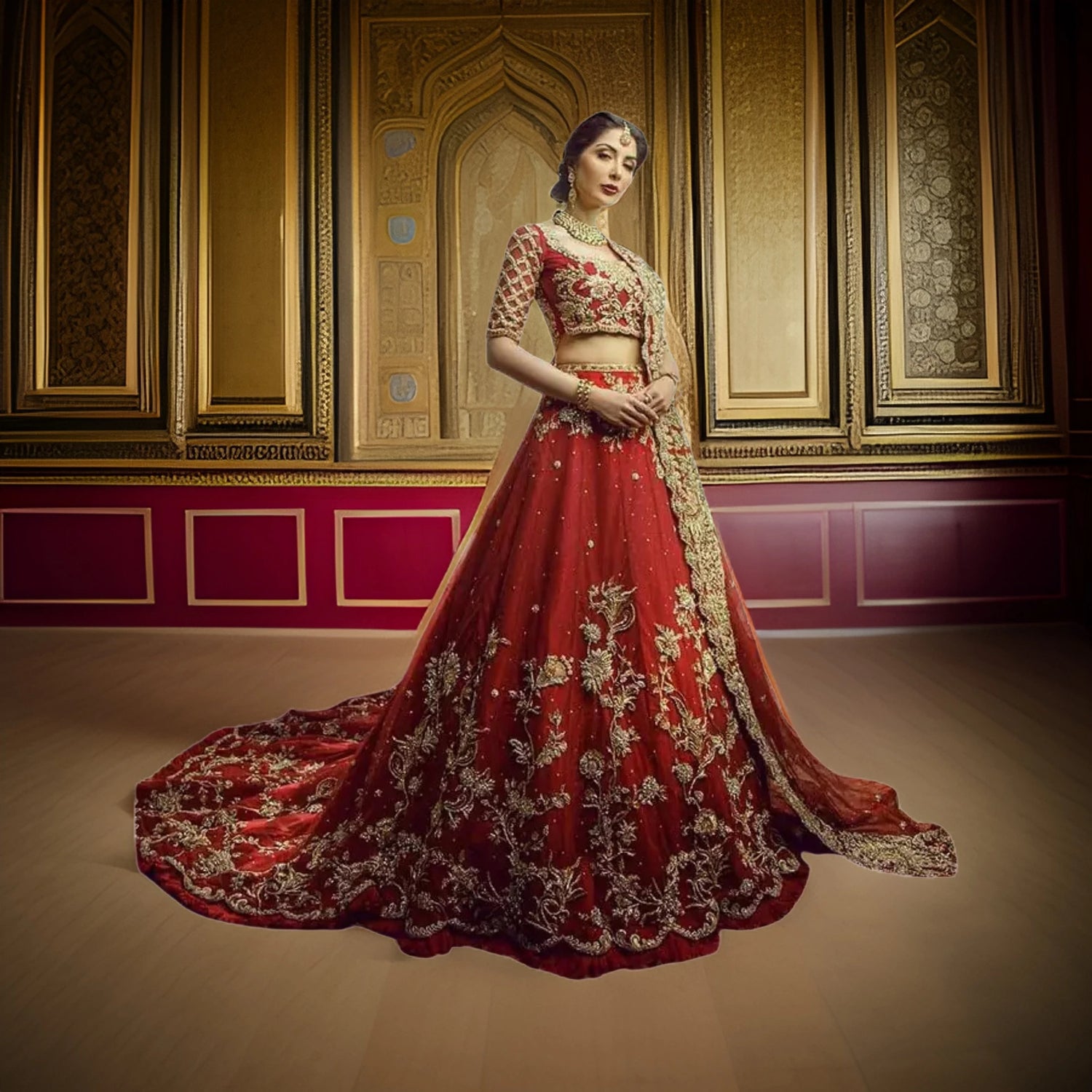
Your bridal lehenga was more than fabric on your wedding day — it carried promises, prayers, and a cascade of family stories stitched into every sequin and zari thread. After the music fades and the blessings settle, that heavy, ornate lehenga can feel too precious to store away and too weighty to wear again. But what if that treasured garment could live a second life — as a statement saree, a couture gown, or a set of heirloom keepsakes that make the memory wearable every season? At Shreekama, we believe every bridal lehenga deserves reinvention. Here are seven creative, elegant, and practical ways to repurpose your heavy bridal lehenga so it continues to sparkle while honoring sustainability and sentiment.
Why Reuse Your Heavy Bridal Lehenga?
Reusing your bridal lehenga merges emotion with smart living. It preserves memories, reduces textile waste, and keeps your investment alive as wearable art. Beyond sustainability, repurposing allows you to reinvent your style — transforming a single bridal piece into multiple outfits that reflect the evolving you. The result is a curated wardrobe that tells a story rather than gathers dust.
Benefits at a glance
- Preserve sentimental value while giving the lehenga renewed purpose.
- Reduce environmental impact through upcycling and conscious fashion.
- Create unique, designer pieces without starting from scratch.
- Generate extra income or goodwill by renting, selling, or donating.
7 Creative Ways to Reuse Your Heavy Bridal Lehenga
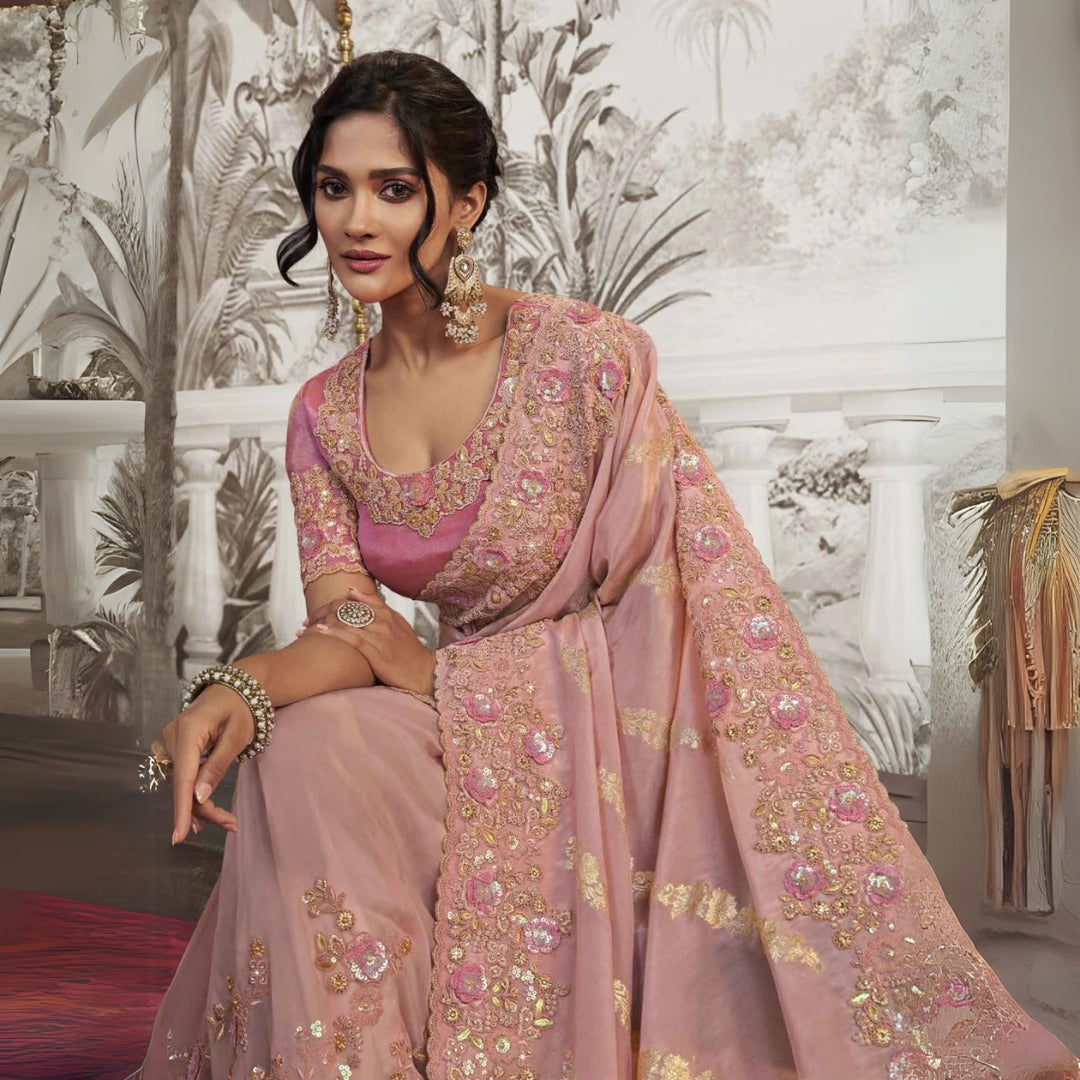
1. Convert It into a Designer Saree — Elegant, Effortless, Evergreen
Quick answer: Transform the lehenga skirt and dupatta into a drapey designer saree to create a dramatic, high-fashion look that retains the embroidery and grandeur.
Story: Imagine draping your wedding skirt into a sculptural saree for an anniversary dinner, the familiar motifs falling differently across your silhouette but still carrying that original sparkle. Skilled tailors can open the skirt, add a lined pallu from the dupatta, and create a pleated front to mimic a saree fall.
How-to tips:
- Keep embellished panels for the pallu to showcase embroidery.
- Add a soft inner lining where the weight feels uneven to ensure comfortable drape.
- Opt for a custom blouse that balances traditional embroidery with a modern cut — boat necks and off-shoulder blouses work beautifully.
Styling idea: Pair the saree with minimalist jewelry and a sleek bun to let the fabric narrate the story.
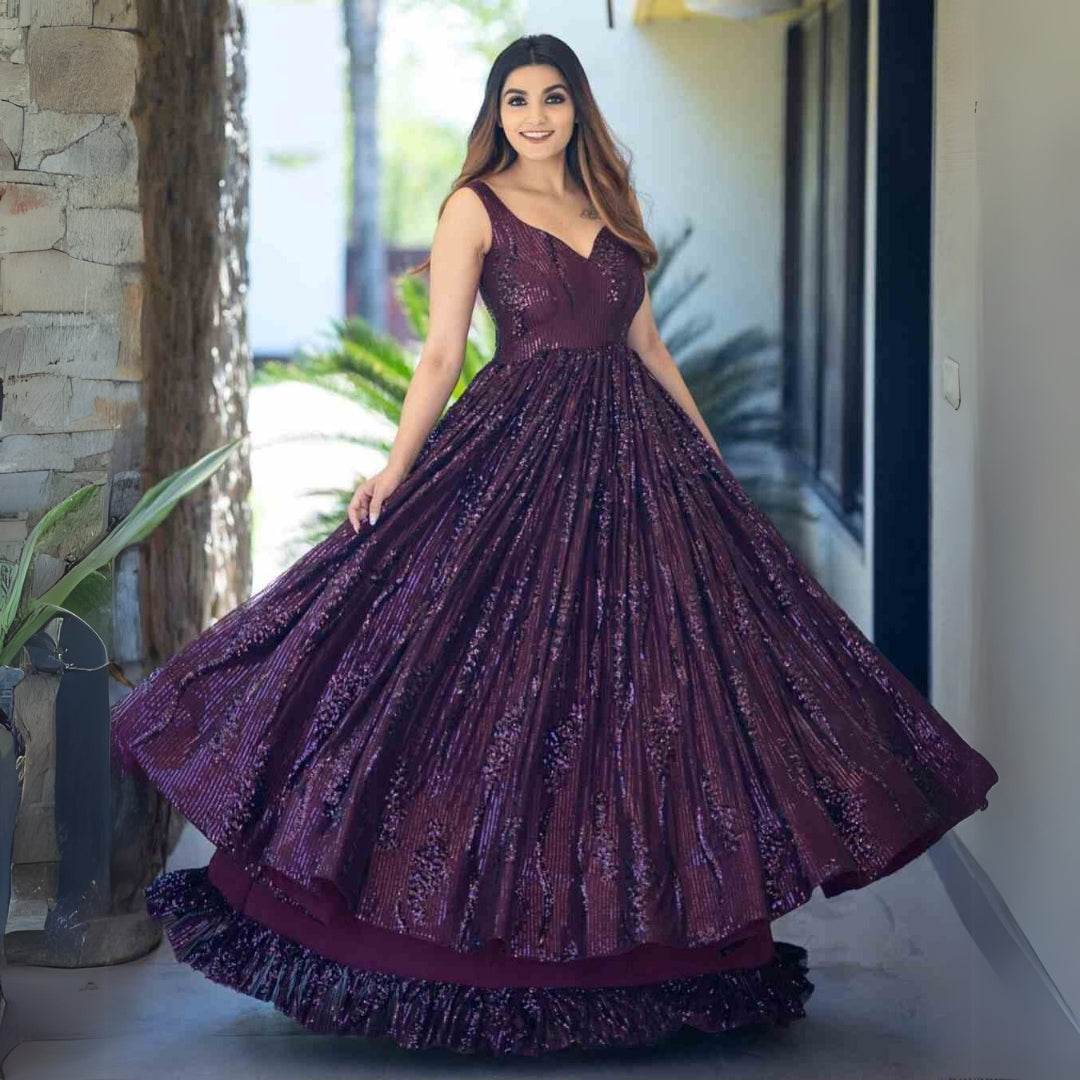
2. Tailor It into an Evening Gown or Cocktail Dress — From Bridal to Red Carpet
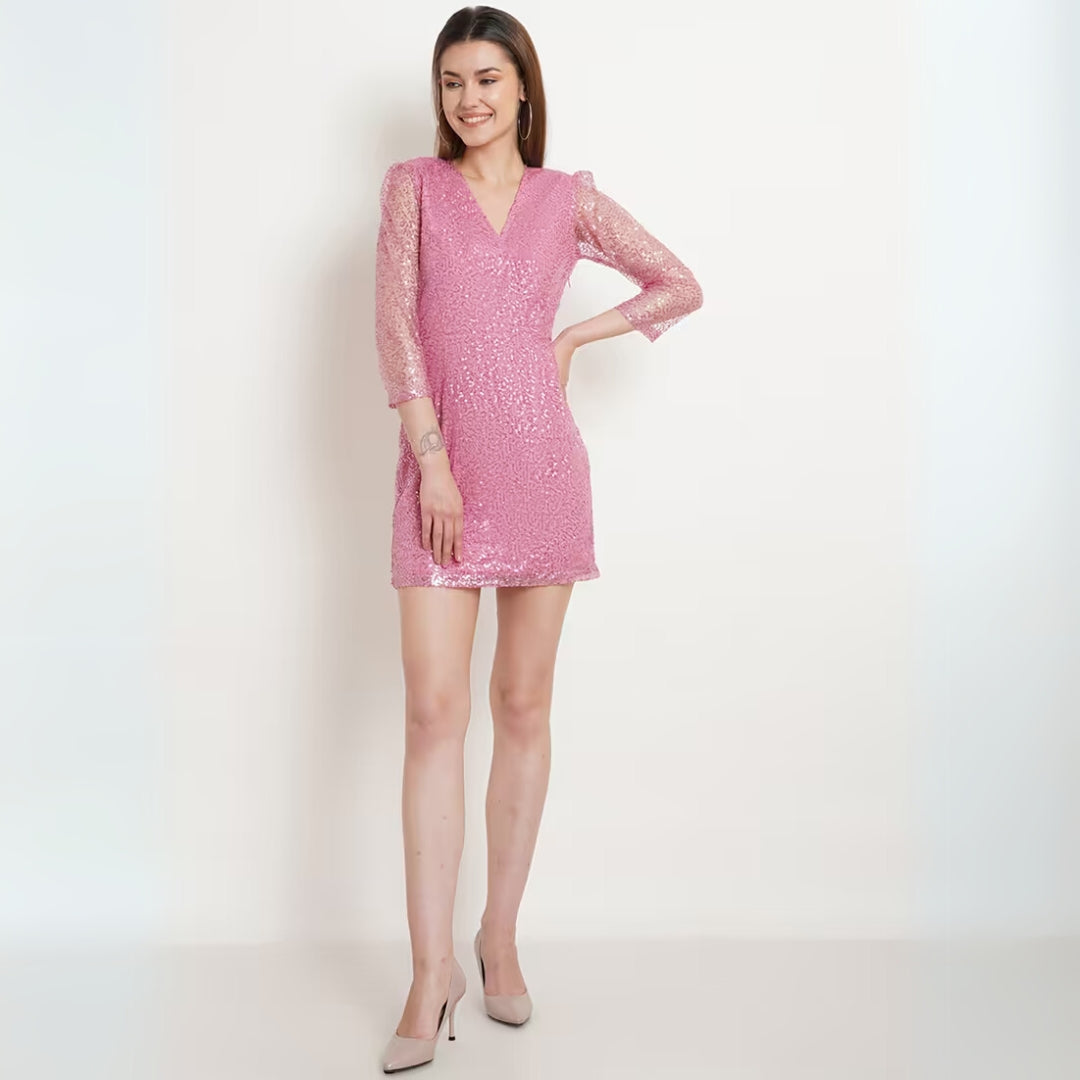
Quick answer: Reconstruct the lehenga into a fitted gown or fluid A-line dress to create a red carpet-ready piece for receptions, parties, and gala events.
Story: Your lehenga can become the gown you’ll be applauded in at a formal dinner — the same embroidery, now reimagined into a bodice and sweeping skirt.
How-to tips:
- Work with a couture tailor to plan seams that preserve motifs and distribute weight evenly.
- Consider removing extra finery from the lower hem to reduce bulk and improve movement.
- Introduce a soft tulle or silk underlayer to transform the rigidity into graceful flow.
Styling idea: Add a modern belt or an embroidered bolero for an Indo-Western effect that’s bold yet refined.
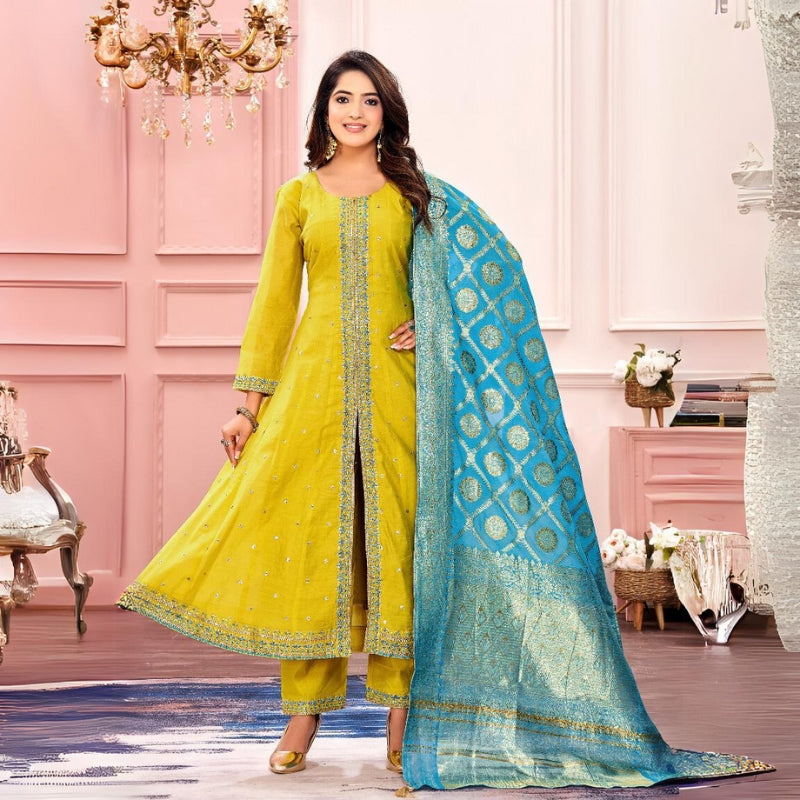
3. Create Statement Separates — Wear the Lehenga Again and Again
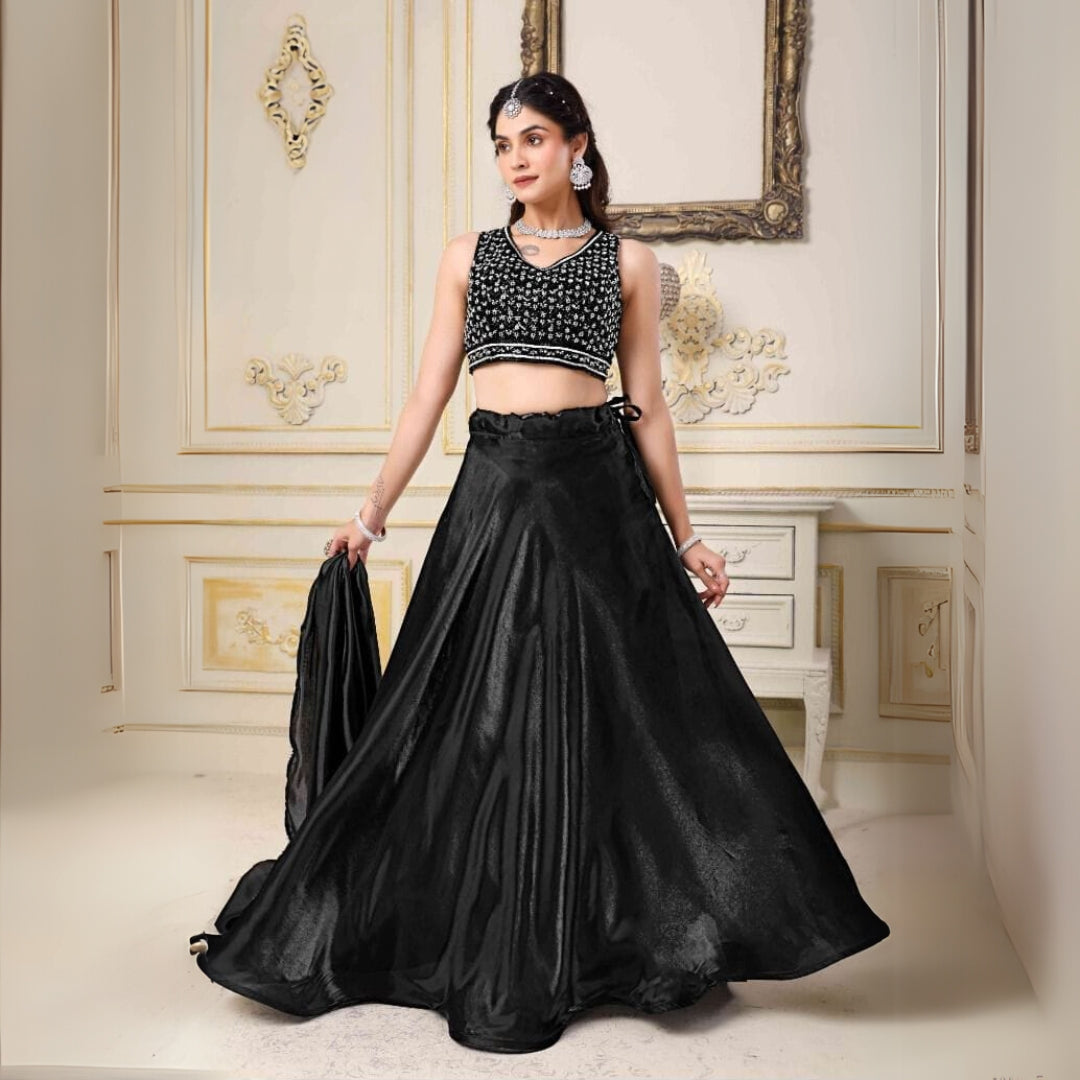
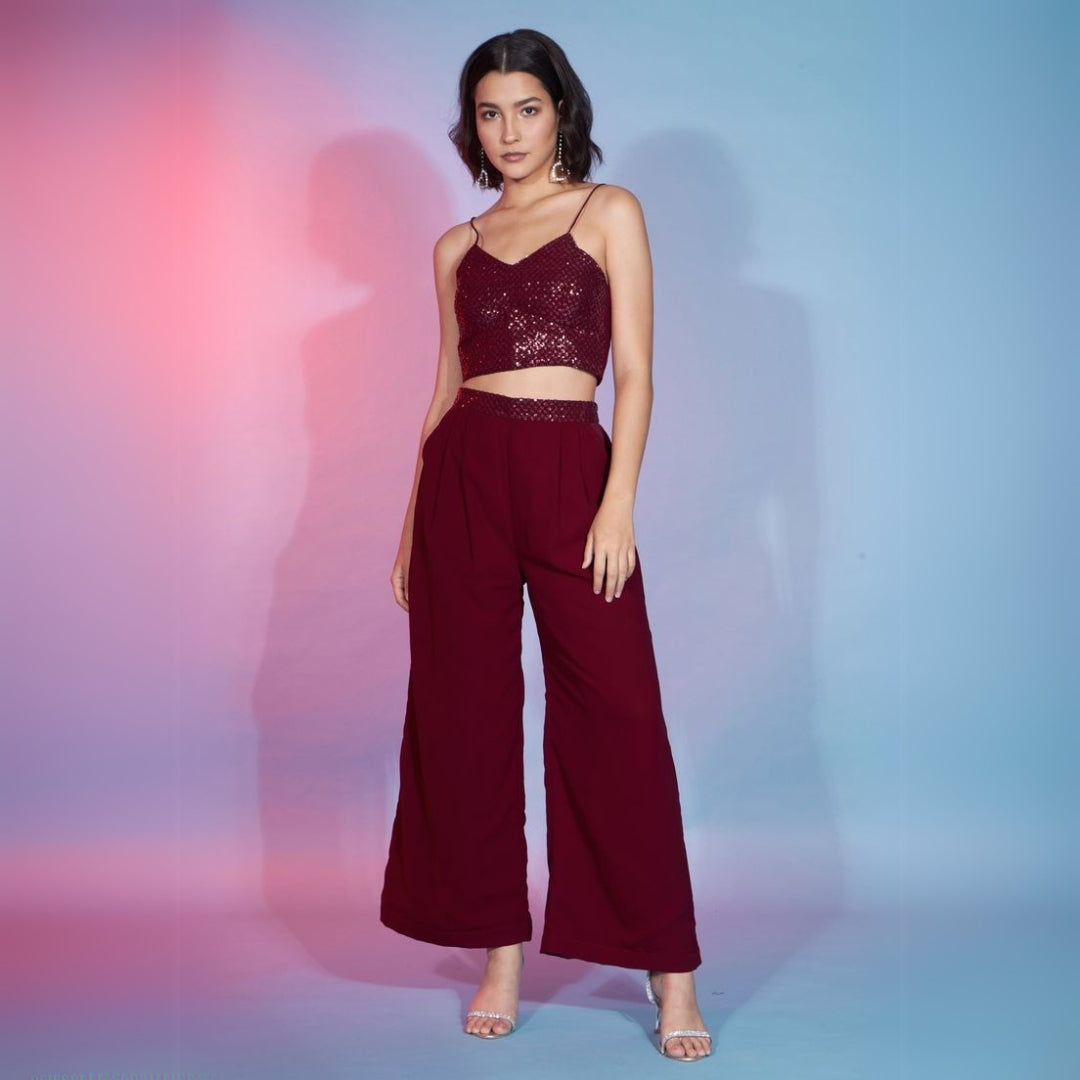
Quick answer: Convert your bridal lehenga into versatile separates — a high-fashion maxi skirt, crop top, or a statement jacket — to integrate into everyday and festive wardrobes.
Why it works: Separates extend wearability. The skirt becomes a luxe maxi for festivals; the blouse can pair with jeans for cocktail nights; the dupatta can be reworked into a cape.
How-to tips:
- Retain embroidered panels as focal points (waistline, hem, or sleeve trims).
- Opt for detachable linings or built-in comfort panels for better wearability.
- Mix with neutral basics — plain silk skirts, tapered trousers, or denim — to balance the opulence.
Styling idea: Wear a heavy embroidered skirt with a simple silk blouse and modern heels to let the craftsmanship shine.
4. Craft Heirloom Accessories and Keepsakes — Small Pieces, Big Emotions
Quick answer: Repurpose leftover fabric into handcrafted clutches, potli bags, jewelry pouches, and keepsake cushions that capture the lehenga’s essence and make perfect gifts.
Emotional trigger: Imagine gifting a clutch made from your wedding lehenga to your daughter on her first engagement — a tangible thread connecting generations.
How-to tips:
- Use highly embellished borders and motifs for clutches and potli bags.
- Line accessories with soft cotton to protect embroidery and pearls.
- Create a patchwork memory quilt or a framed embroidery panel as wall art for your home.
Styling idea: Use a matching brocade clutch with plain outfits for special dinners; keep a small sachet made from lehenga fabric as a memory token in your wardrobe.
5. Upcycle into Luxe Home Décor — Bring Wedding Magic Home
Quick answer: Turn bridal panels and dupattas into cushion covers, table runners, wall hangings, or framed textile art to infuse your interiors with couture charm.
Why this resonates: Your wedding aesthetics need not be confined to the closet. A richly embroidered panel framed above a mantelpiece becomes a conversation piece that preserves nostalgia.
How-to tips:
- Choose stable, dry-cleaned pieces for upholstery and keep them out of direct sunlight.
- Combine heavily embellished sections with muted fabrics to avoid visual clutter.
- Consider modular designs — reversible cushion covers, removable runners — for practicality.
Styling idea: Pair one embroidered cushion with a set of textures in neutral tones to keep the space luxe and balanced.
6. Make Matching Family Outfits — Keep the Celebration Going
Quick answer: Use sections of the lehenga to create coordinated outfits for close family members — mother-daughter sets, brother’s kurta trims, or a stole for the groom.
Story: Passing a piece of your bridal lehenga to your mother as a saree or blouse turns a garment into a shared legacy. It becomes part of more celebrations and family portraits.
How-to tips:
- Allocate embroidered borders to trims on kurtas, stoles, or small-scale lehengas for children.
- Balance embellishment with plain fabrics to ensure comfort for little ones.
- Keep a patch of fabric as a keepsake for future tailoring needs.
Styling idea: Coordinate textures and colors rather than exact designs for a cohesive, modern family look.
7. Rent, Consign, or Curate for Pre-Loved Luxury — Turn Memories into Value
Quick answer: Give your lehenga a public second life by renting it out, consigning it to a luxury resale platform, or donating to creative projects — all while earning and promoting sustainable fashion.
Why it matters: Renting and consigning preserve the couture value and allow other brides to experience luxury without permanent ownership. It’s an eco-conscious, savvy way to keep artisanal work in circulation.
How-to tips:
- Get professional cleaning and minor repairs done before listing.
- Photograph the lehenga on a mannequin with close-ups of embroidery and fabric details.
- Write a transparent description: fabric, weight, alterations, and care instructions.
Practical tip: Price based on brand pedigree, craftsmanship, and condition. Consider short-term rentals for fast returns or consigning to curated luxury resale markets for bigger payouts.
Care and Preservation Tips Before Reusing
Before you transform, protect. Proper care safeguards workmanship and ensures successful alterations.
Essential steps
- Professional cleaning: Choose a conservator or dry cleaner experienced with sequins, beads, and zari embroidery.
- Document condition: Photograph details and motifs before modifications in case you want to restore or replicate later.
- Reinforce weak seams: Heavy lehengas develop stress points — have a skilled tailor reinforce the waistband and hem.
- Store smart: Use muslin bags, flat storage for embellishment-heavy panels, and silica packets to control humidity.
How to Choose the Right Tailor or Atelier
Not every stitcher can translate bridal grandeur into contemporary couture. Select an atelier with couture experience and sensitivity to heritage fabrics.
Questions to ask
- Have you worked with heavily embellished bridal garments before?
- Can you provide a portfolio of conversions (lehenga-to-saree, gown reconstructions)?
- How do you protect embroidery and metallic threads during alterations?
- What timelines and cost estimates should I expect?
Pro tip: Request a mock-up or toile for complex transformations to ensure the silhouette suits your body and preserves key motifs.
Conclusion — Reinvent with Intention
Your bridal lehenga is a storied treasure, not a one-day relic. Whether you transform it into a saree that captures your first steps as a married woman, tailor it into an evening gown that makes you feel unstoppable, or craft keepsakes that become family heirlooms, reuse is both an emotional and elegant choice. Each reuse option preserves a piece of your wedding while championing sustainable fashion and thoughtful living. At Shreekama, we celebrate reinvention and craftsmanship — helping you reimagine bridal luxury in ways that stay true to sentiment and style.
Ready to reimagine your bridal legacy? Explore inspirational lehenga designs and bespoke alteration guidance at Shreekama. Discover exclusive couture that complements your next chapter: https://www.shreekama.com/collections/lehengas
Frequently Asked Questions (FAQ)
Can I convert a heavy bridal lehenga into a saree without losing the embroidery?
Yes. A skilled couturier can preserve key embroidered panels by placing them on the pallu and border. Careful patterning, lining, and reinforcement protect delicate threads while creating a drape that showcases the original craftsmanship.
How expensive is it to alter a bridal lehenga into a gown or saree?
Alteration costs vary based on complexity, materials, and tailor expertise. Simple conversions into separates are usually more affordable than couture-level gown reconstructions. Always get multiple quotes, ask for a breakdown (labour, lining, fittings), and plan for professional cleaning beforehand.
Will reducing the weight of my lehenga damage its appearance?
Not necessarily. Thoughtful removal of inner layers, selective unpicking of heavy under-webbing, and redistributing ornate panels can reduce weight while maintaining visual drama. Leave visible embroidery intact and have a conservator assess which internal layers are safe to modify.
How should I prepare my lehenga for rental or resale?
Get professional cleaning and repair any loose embellishments. Provide detailed photos (close-ups of embroidery, waistband, linings) and precise measurements. Include care instructions and disclose any custom alterations to set clear buyer expectations.
Can I create matching outfits for children from a bridal lehenga?
Absolutely. Use embroidered borders for hems or trims and pair ornate panels with soft, comfortable fabrics for the child’s outfit. Keep heavy embellishments minimal for children’s wear to ensure safety and comfort.
Is it better to upcycle or store my bridal lehenga for future generations?
Both are meaningful. Upcycling lets the garment live on in functional ways, while careful preservation maintains its original state for future gifting. Consider creating small heirloom pieces from the original while preserving significant panels for future generations.
How do I find a reliable tailor for intricate bridal repurposing?
Look for ateliers with couture experience and a portfolio of bridal reconstructions. Ask for references, view before-and-after photos, and request a mock-up or toile for major structural changes. Clear communication about preserving motifs and weight distribution is crucial.
Can damaged or stained lehengas still be repurposed?
Often, yes. Stains on hidden sections can be cut away or used in non-visible parts like linings. Embroidered motifs can be salvaged as appliqués. Professional textile restorers can sometimes remove longstanding stains safely to enable repurposing.