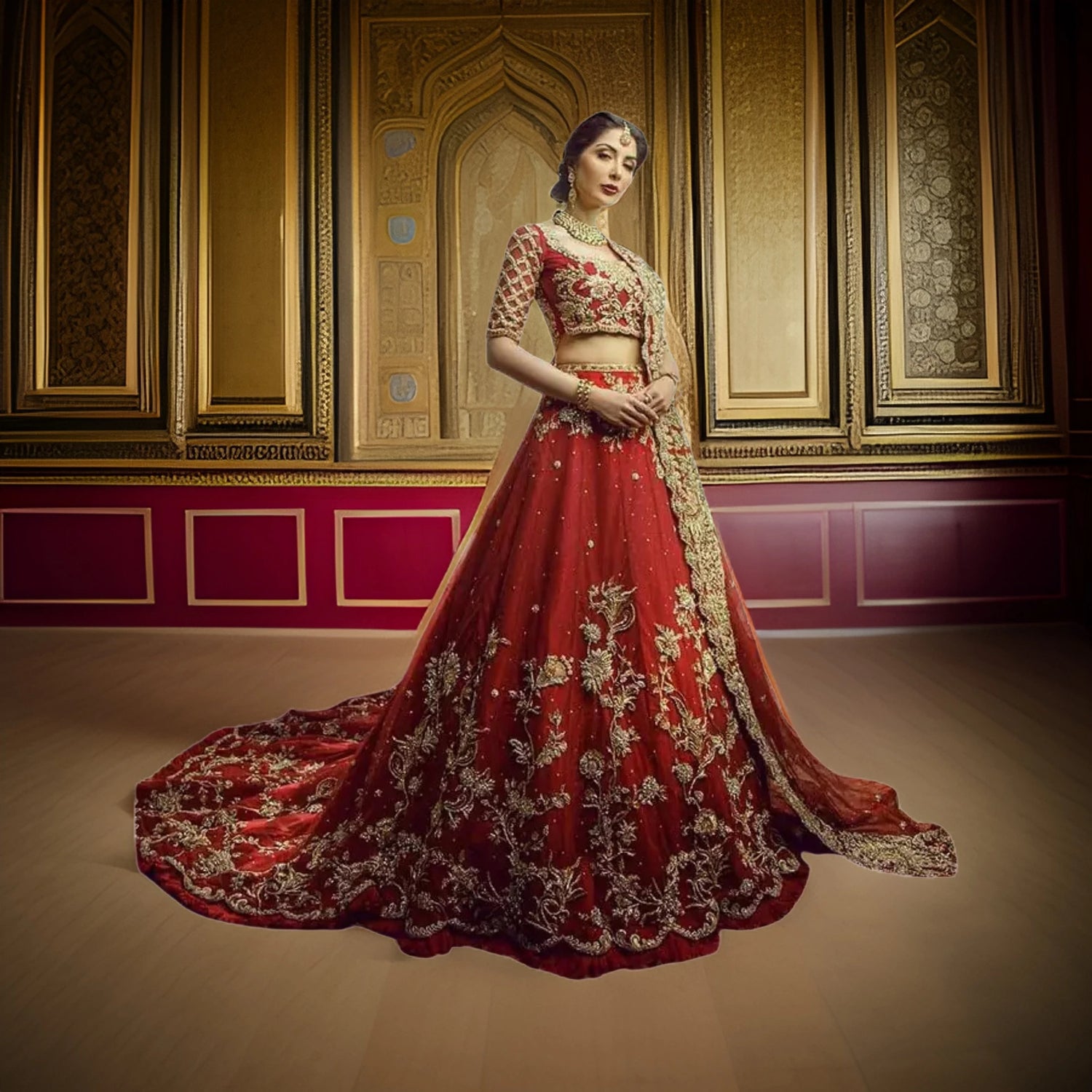
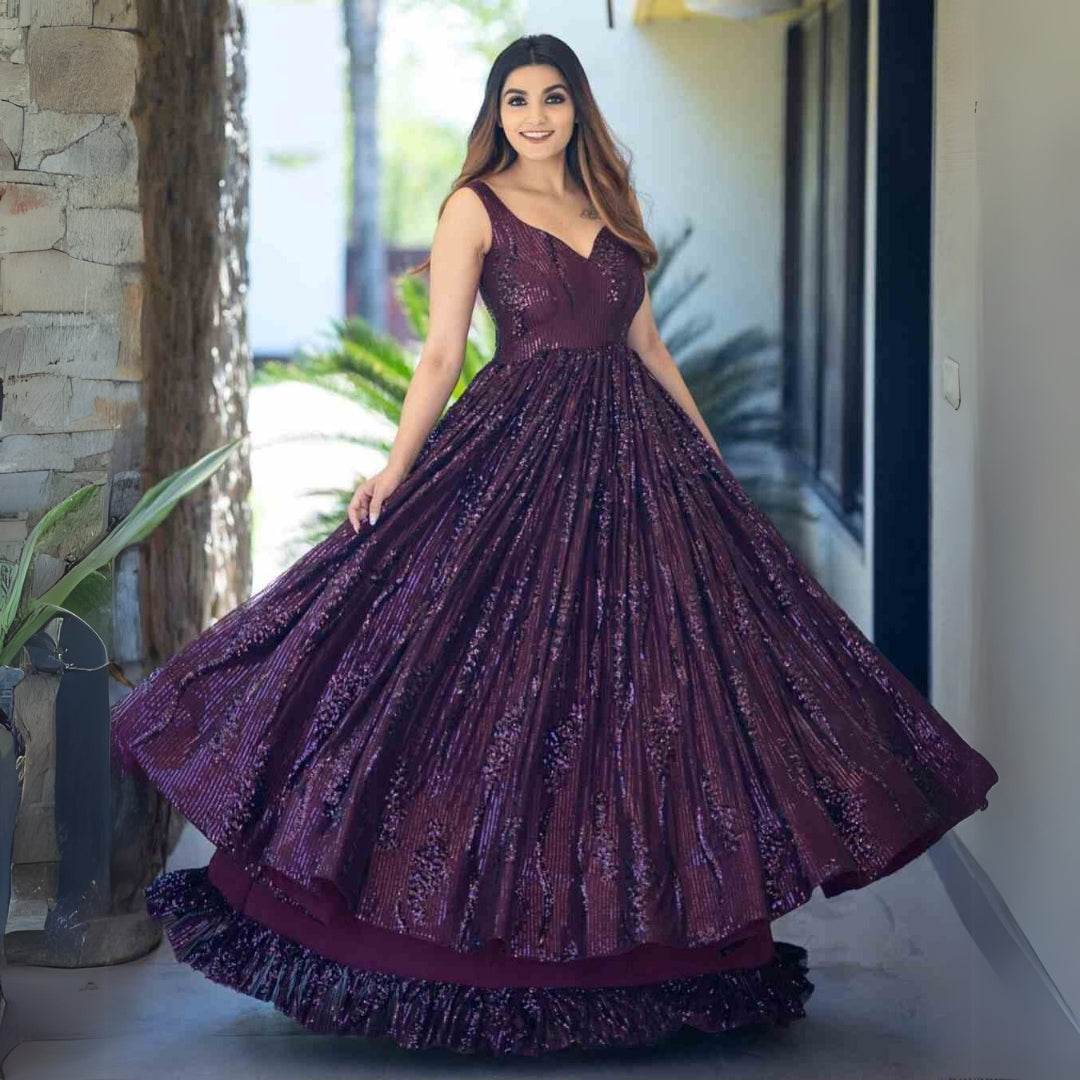
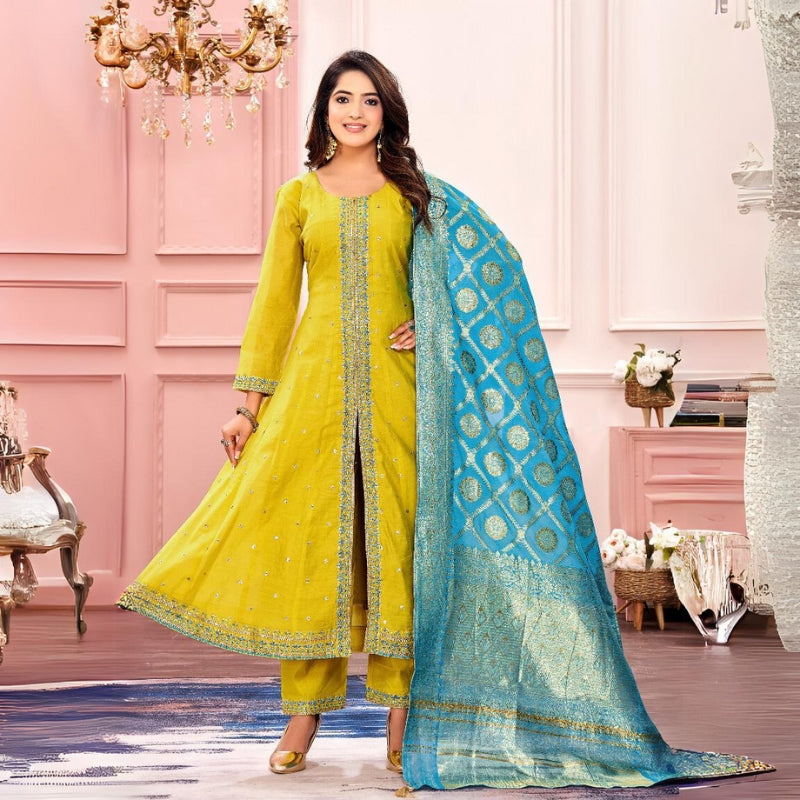
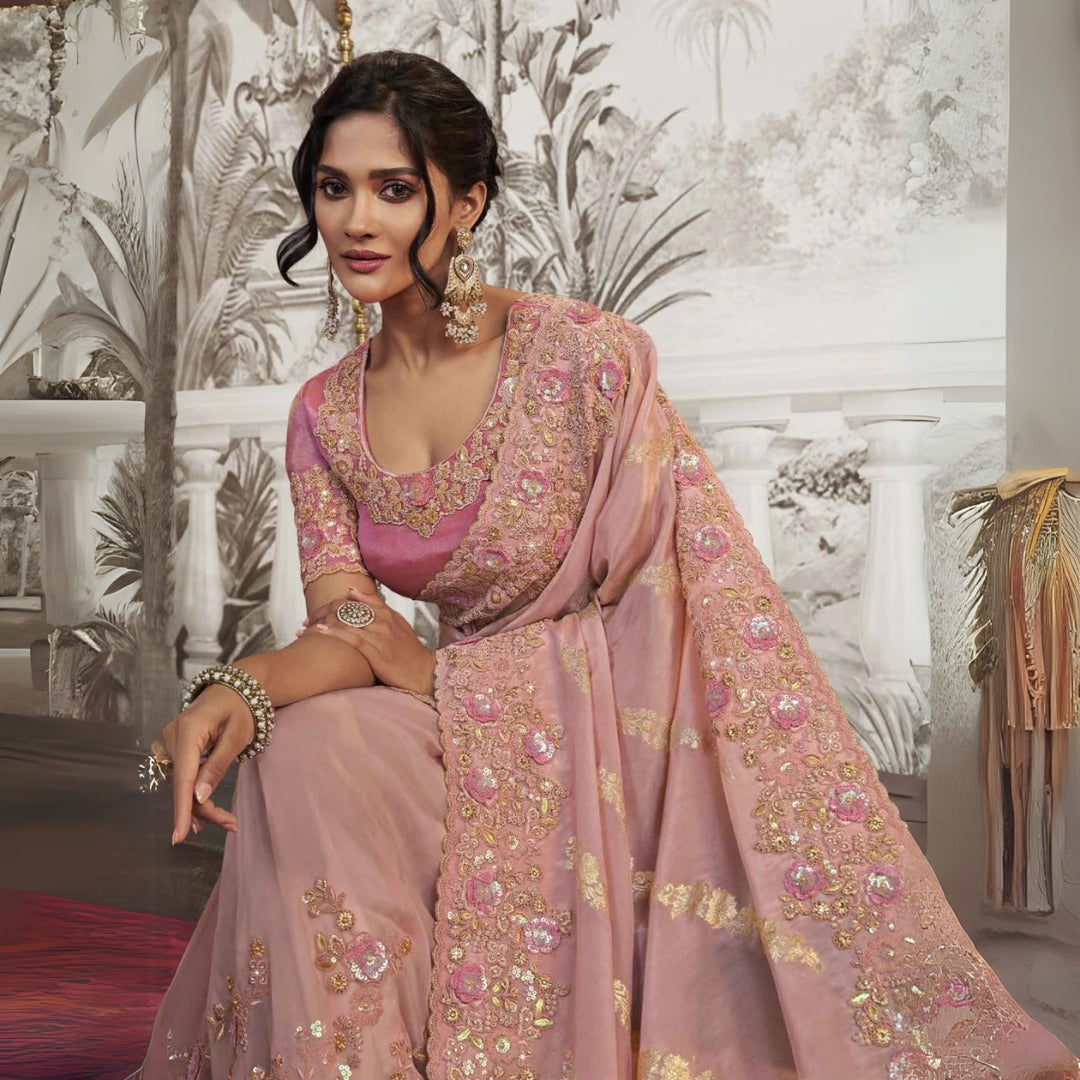
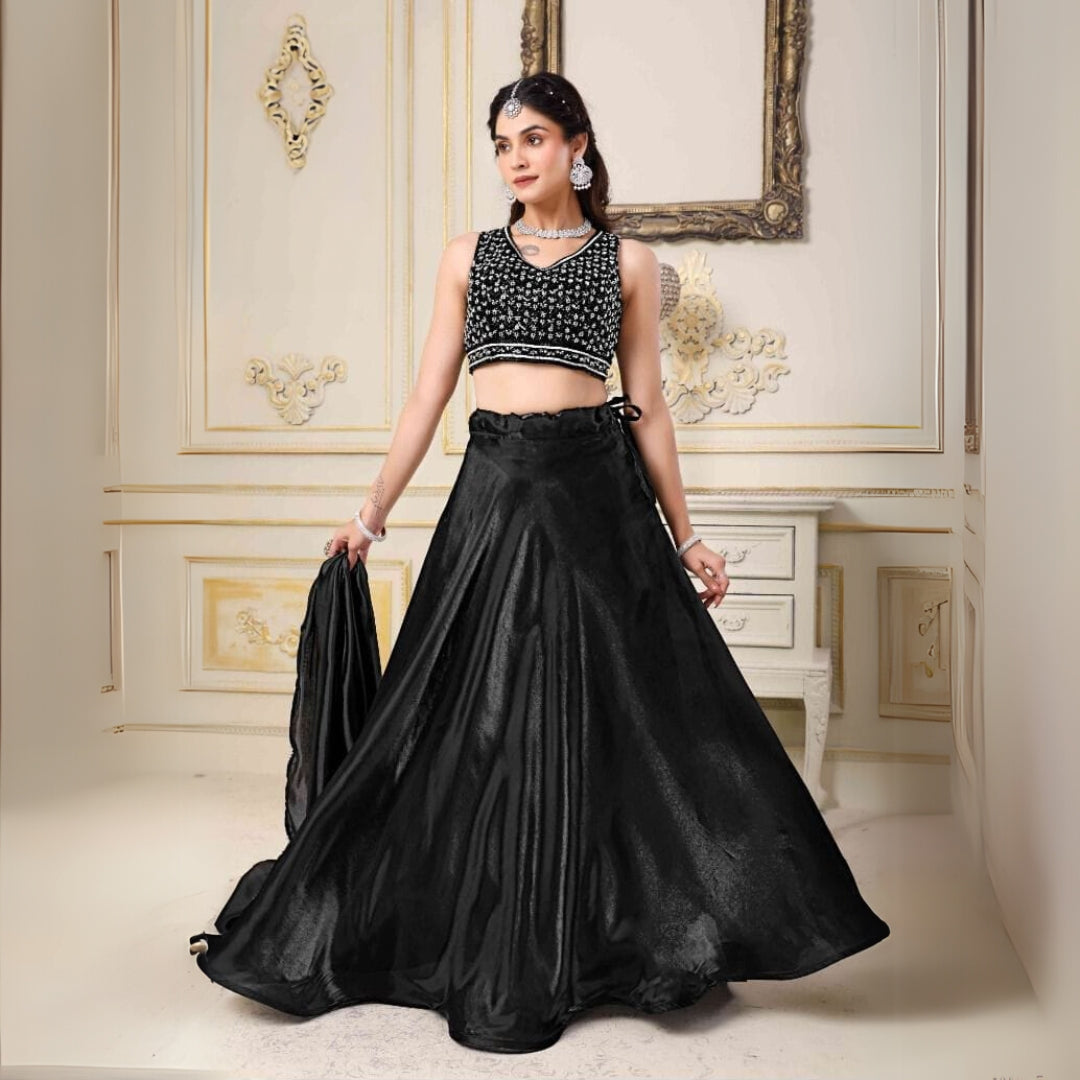
When it comes to traditional Indian fashion, few garments evoke the elegance and allure of the lehenga choli. This stunning ensemble has held sway over generations, captivating hearts with its intricate designs and rich heritage. Among the various techniques that elevate lehenga choli designs, zari, embroidery, and mirror work stand out as quintessential elements that reflect the artistry and craftsmanship of Indian culture. Each of these components tells a story, creating a tapestry of history, culture, and fashion that resonates with modern taste.
Zari: The Golden Thread of Tradition
Originating from Persian influence, zari is a form of gold or silver thread made from metallic fibers, often woven into fabrics to create an opulent texture and shine. It has become synonymous with luxury and extravagance in lehenga choli designs.
The Art of Zari Work
Zari work involves intricate weaving techniques that make it both an art and a science. Craftsmen spend countless hours creating patterns that resemble floral motifs, geometric shapes, or even mythical symbols. The finesse in zari work can elevate a simple lehenga into a masterpiece.
Symbolism in Zari Designs
Many believe that zari work represents prosperity and wealth. Traditional designs often incorporate motifs that echo nature, such as peacocks, lotuses, and vines, each carrying its symbolism. When you wear a lehenga with stunning zari work, you not only don elegance but also a piece of artistry that captures the essence of Indian culture.
Modern Twist on Zari
While zari has its roots in tradition, modern designers are reinventing it. Today, you might find zari paired with unconventional colors, geometric patterns, or even fusion styles. This adaptability ensures zari never goes out of style, making it perfect for both contemporary and traditional celebrations.
Embroidery: Stitches of Storytelling
Embroidery is another defining element in lehenga choli designs, offering an array of techniques and styles that can make each piece unique. The careful stitching can turn fabric into a canvas of storytelling.
Types of Embroidery Used in Lehenga Choli
- Chikankari: Originating from Lucknow, this delicate and sophisticated hand-embroidery technique creates intricate patterns with white thread over fabric. It adds an ethereal quality, ideal for summer celebrations.
- Kantha: Known for its storytelling motifs stitched together using running stitches, Kantha embroidery represents rich heritage and tradition.
- Gota Patti: A unique form of embroidery from Rajasthan, Gota Patti involves attaching gold or silver lace onto fabric, creating an eye-catching, three-dimensional effect.
The Emotional Connection of Embroidery
Every stitch in an embroidered lehenga carries a sentiment, often linked to tradition, love, or an occasion. For instance, brides might choose lehengas with intricate embroidery that reflects the love stories of their families, passed down through generations. This emotional connection makes each embroidered piece not merely an outfit but a cherished memory.
Sustainable Embroidery Practices
With the increasing awareness around sustainability in fashion, many artisans are now opting for eco-friendly materials and processes. The revival of hand-embroidery techniques allows for not just unique pieces but also the preservation of traditional crafts, supporting local communities and promoting ethical fashion.
Mirror Work: Reflecting Beauty and Glamour
Nothing says ‘wow’ quite like the sparkle of mirror work, a technique that embellishes lehenga cholis with tiny pieces of glass or mirror. Known as “shisha,” this form of adornment adds an element of whimsy and glamour to traditional attire.
The Craftsmanship Behind Mirror Work
Shisha embroidery requires meticulous craftsmanship. Artisans insert small mirrors into the fabric using intricate stitching methods. These mirror pieces are often set within elaborate designs that enhance the garment's aesthetic appeal. The blend of light and reflection creates a dazzling spectacle, making every twirl a show-stopper.
Where Mirror Work Shines
Mirror work is particularly popular in lehengas for weddings and festive occasions. Its eye-catching shine captures the spirit of celebration and joy, making the wearer stand out in every gathering. As designers continue to explore this intricate technique, mirror work is being incorporated into various styles, from traditional silhouettes to modern cuts, ensuring a fresh and contemporary look.
Balancing Tradition and Modernity with Mirror Work
Even as mirror work holds firmly to its traditional roots, modern interpretations are breathing new life into the craft. Designers are now merging mirror work with unconventional fabric choices and patterns, striking a balance between tradition and contemporary fashion, offering versatility for various events.
Combining Elements for Unique Designs
What makes lehenga choli truly magical is how these elements—zari, embroidery, and mirror work—can be seamlessly woven together. Combining these techniques allows for the creation of unique pieces that tell a multifaceted story.
Color Palettes and Fabric Choices
The choice of fabric and color palette plays a significant role in showcasing these elements effectively. Luxurious silks and velvets bring out the luster of zari, while lighter fabrics like chiffon and georgette beautifully complement intricate embroidery and reflective mirror work.
Personalized Touches
Today, fashion enthusiasts are leaning towards personalized designs that incorporate their stories and preferences. Custom lehenga cholis with personalized embroidery, color schemes, and combinations of zari and mirror work create a garment that is not only stylish but also deeply meaningful.
Styling Tips for Lehenga Choli Wearers
Adorning a lehenga choli is more than just putting on a beautiful outfit; it’s about embodying the elegance and spirit of Indian tradition. Here are some styling tips to make the most out of your lehenga choli ensemble:
- Accessorize Wisely: Choose jewelry that complements the work on your lehenga. If your outfit features extensive embroidery, go for understated yet elegant jewelry to maintain balance.
- A Perfect Fit: Ensure your lehenga is tailored to fit you perfectly. A well-fitted lehenga enhances your silhouette and adds confidence to your look.
- Footwear Matters: Pair your lehenga choli with the right footwear. Traditional juttis or embellished sandals elevate the overall aesthetic.
- Experiment with Dupatta Styles: The way you drape your dupatta can completely transform your look. Experiment with different styles, from traditional drapes to contemporary wraps.
Conclusion
The rich traditions of zari, stunning embroidery, and captivating mirror work come together to define the beauty and allure of lehenga choli designs. When you choose to wear a lehenga, you’re not just wearing an outfit; you’re embracing a legacy of craftsmanship, artistry, and cultural richness.
At Shreekama, we celebrate the art of lehenga choli with our exclusive collection that embodies tradition while embracing contemporary styles. Explore our luxurious lehenga cholis and discover the perfect piece that resonates with your style and stories.
Visit us at Shreekama to embrace elegance and artistry like never before!
FAQ Section
What is the difference between lehenga and lehenga choli?
A lehenga is the skirt portion, while the choli is the blouse that complements it. Together, they form a complete outfit typically worn for festive occasions and weddings.
How do I choose the right lehenga for my body type?
Identify your body shape and try different styles. A-line lehengas flatter most body types, while flared lehengas suit those with a slender build. Experimenting with different cuts will help you find what complements your figure best.
Can I wear mirror work lehengas for day events?
Absolutely! Mirror work lehengas can be stylishly designed for daytime events by choosing lighter fabrics and fewer embellishments, ensuring comfort without compromising on style.
How do I care for my embroidered lehenga choli?
To maintain the beauty of your lehenga choli, dry clean it after major wear and avoid exposing it to direct sunlight for long periods. Store it in a cool, dry place wrapped in muslin cloth to prevent fabric damage.
Are lehenga cholis suitable for petite women?
Yes! Petite women can look stunning in lehenga cholis. Opt for lighter fabrics and avoid overly heavy embellishments to create a balanced appearance. Tailoring is key to ensure the perfect fit.