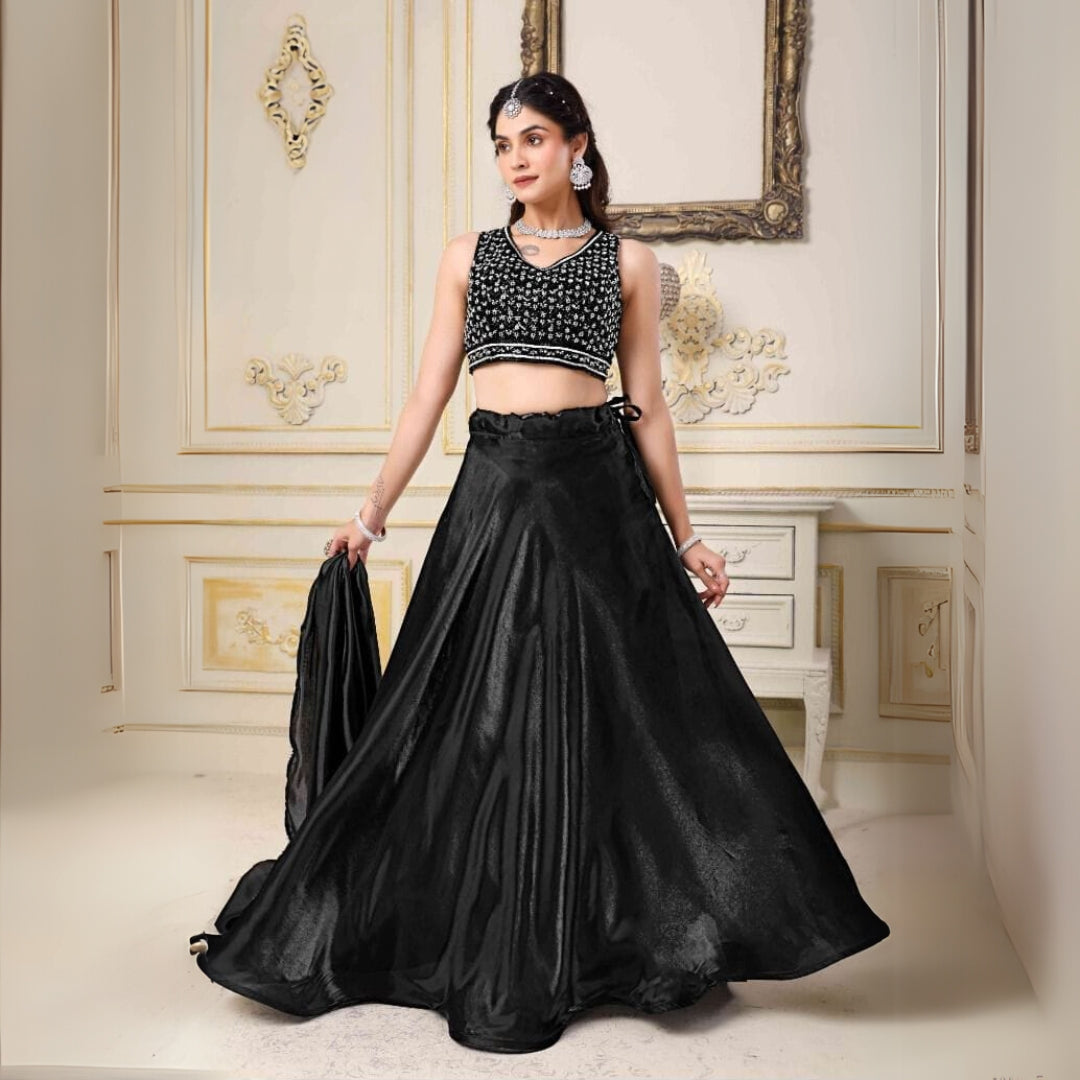
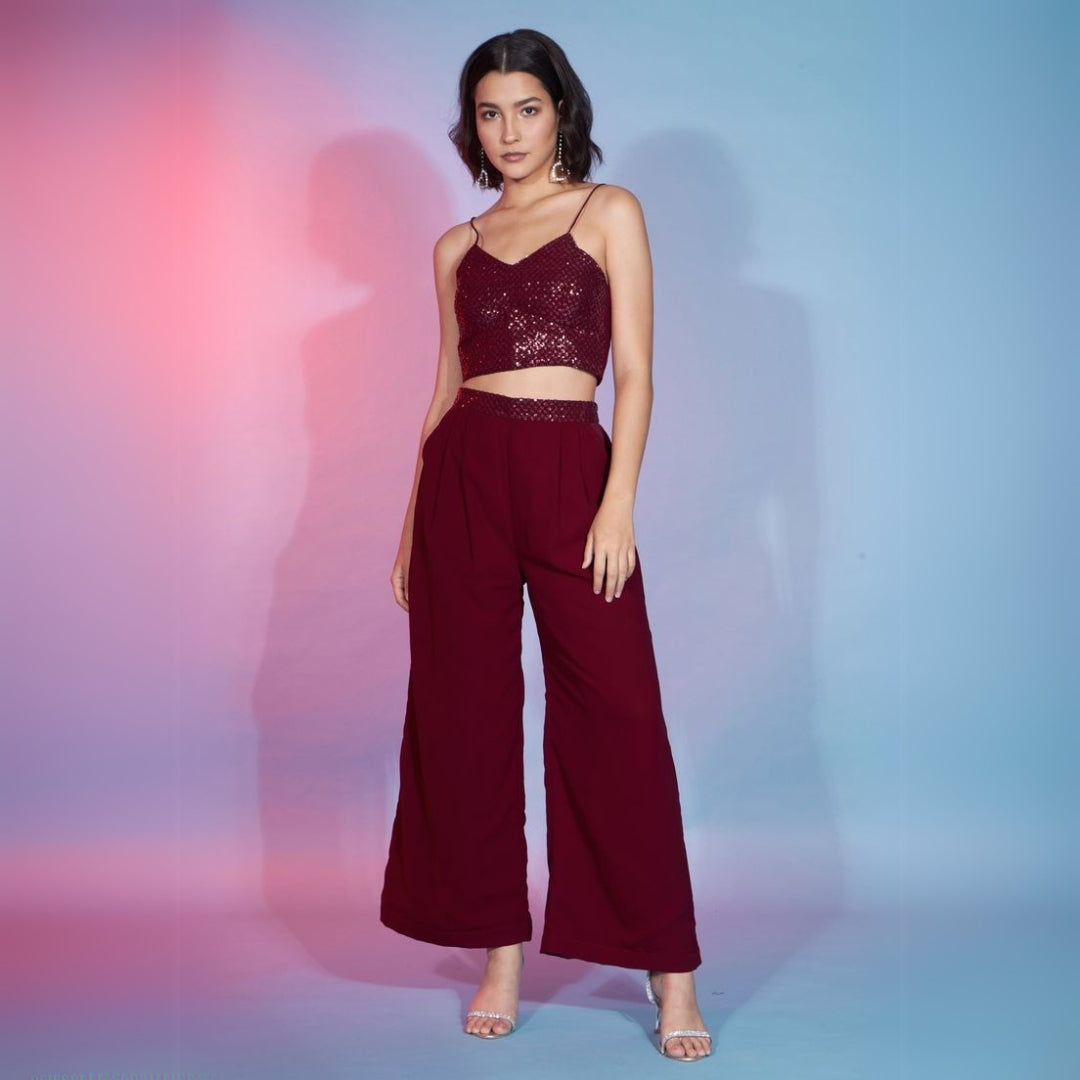
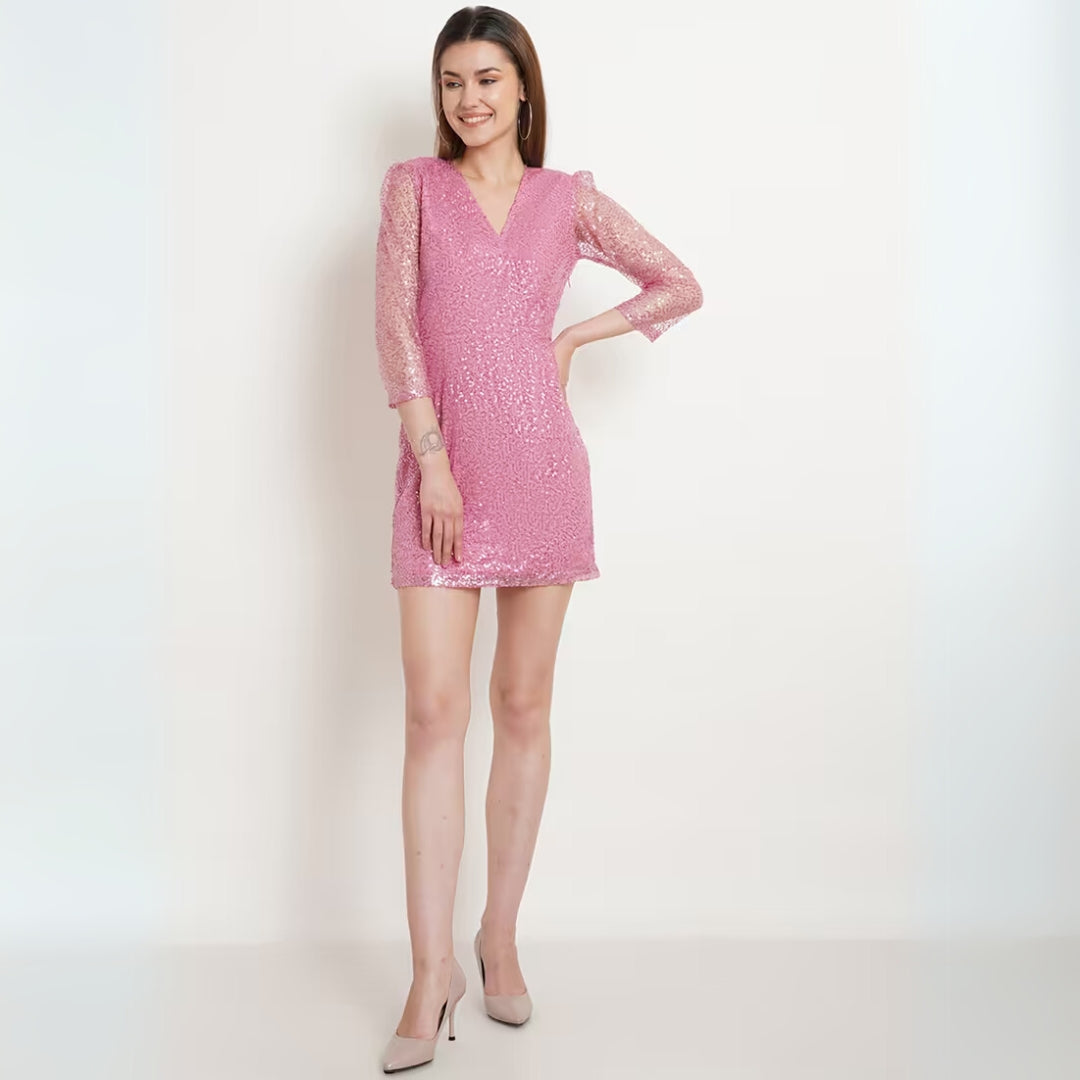
Walking into a Sikh wedding feels like stepping into a living tapestry: joyful hymns, warm embraces, and a palette of colour that celebrates love, community, and faith. Whether you’re a longtime guest or attending your first Anand Karaj, choosing the right outfit balances reverence with radiant style. For many, the Anarkali suit offers the perfect marriage of elegance and modesty. This guide helps you choose the best Anarkali, master head-covering etiquette, and arrive confident and graceful — ready to honour the tradition while making a memorable fashion statement.
Understanding Sikh Wedding Dress Code
Why modesty and respect matter
Sikh weddings blend sacred rituals with jubilant celebration. The Gurdwara ceremony requires modest attire and head coverings as a sign of respect. Dressing appropriately shows cultural sensitivity and allows you to fully participate in the spiritual aspects without distraction. Think comfort, coverage, and classic tailoring that enhances rather than overshadows the ceremony.
Common expectations: Anarkali and head covering
- Anarkali suits are widely accepted because they combine length with graceful structure, providing full coverage while remaining festive.
- Both men and women must cover their heads in the Gurdwara. Women often use a dupatta or chunni, while men can wear a patka, turban, or provided rumal.
- Footwear is removed in the prayer hall, so choose shoes that are easy to slip on and off and comfortable for standing and walking.
Why Anarkalis Are Perfect for Sikh Weddings
Flattering silhouette with respectful coverage
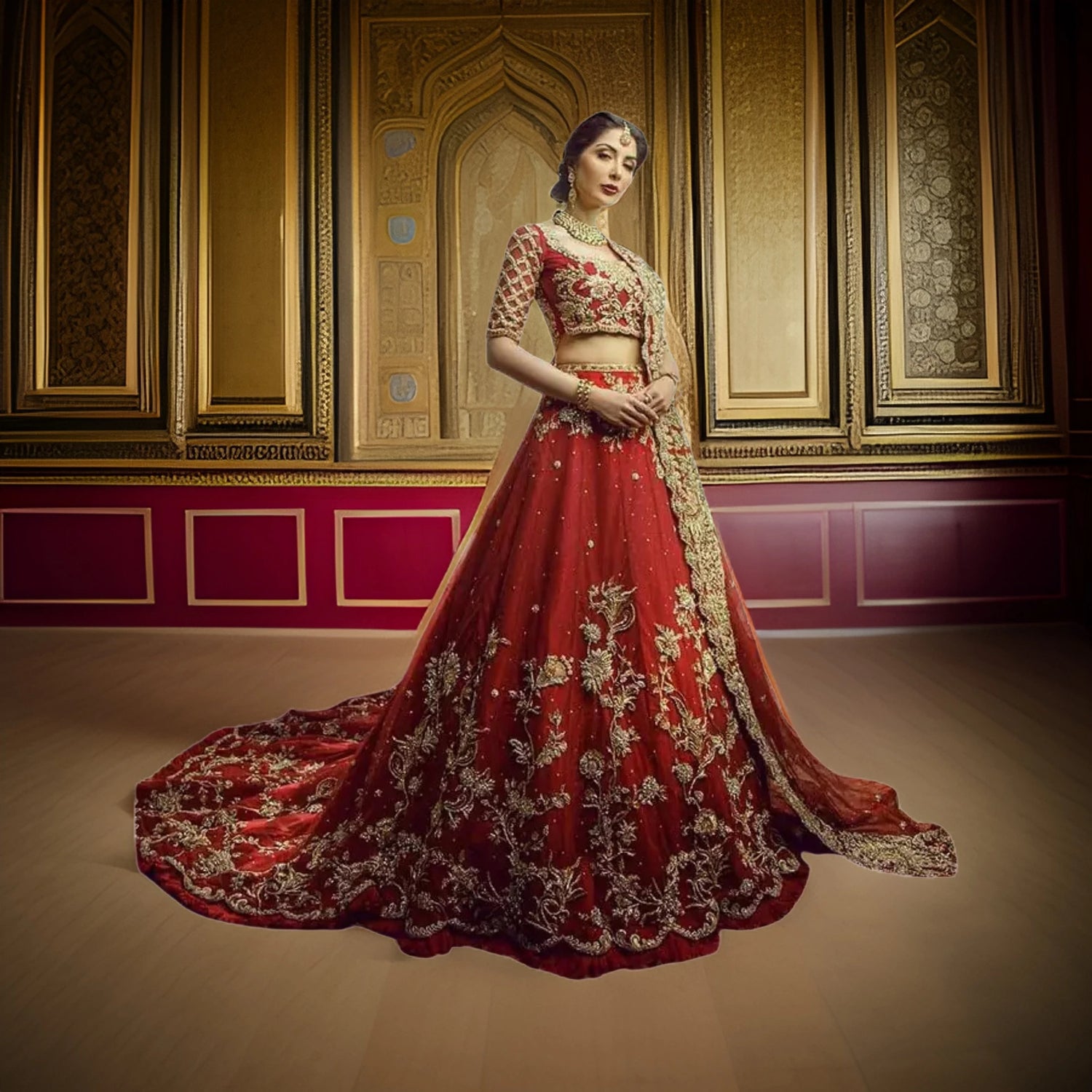
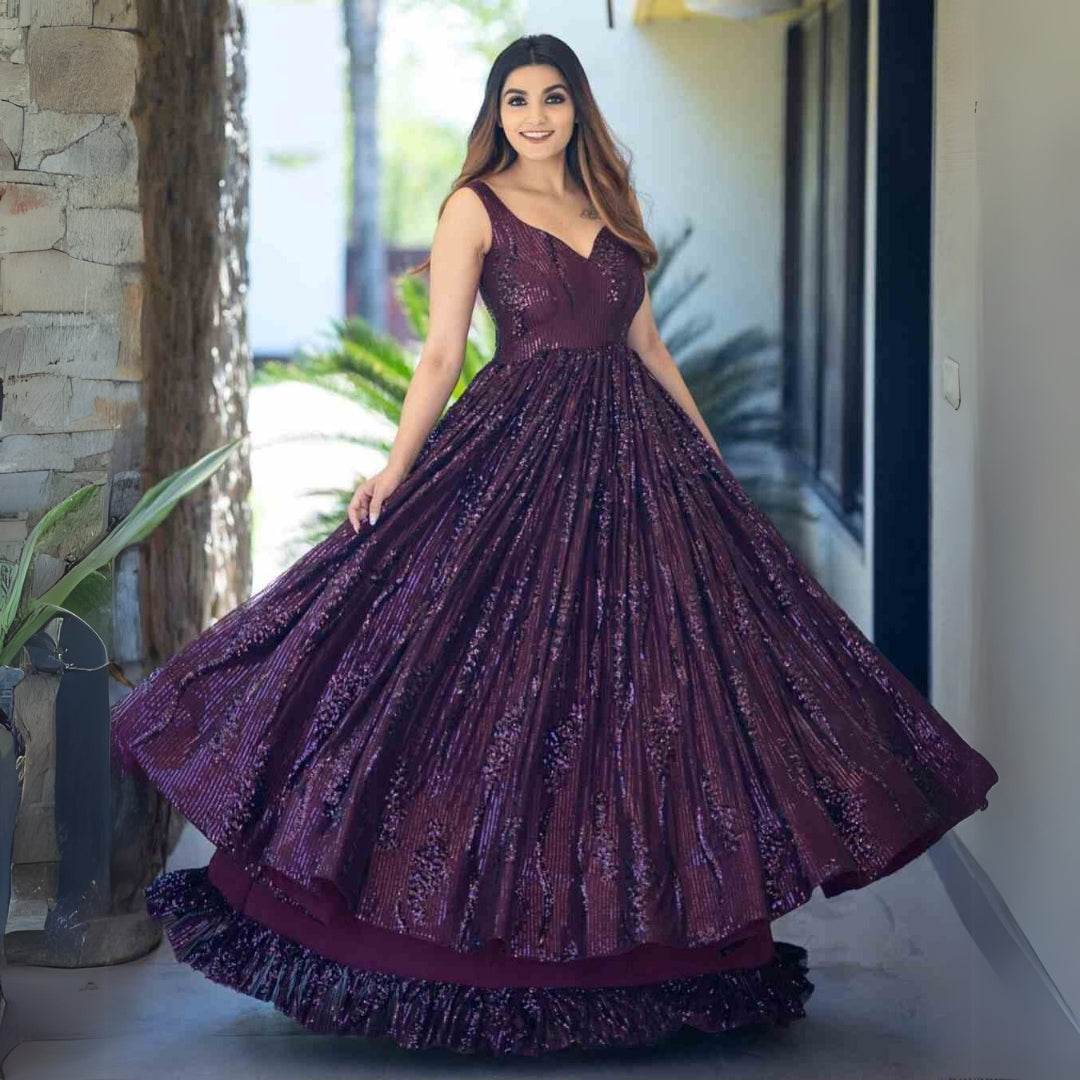
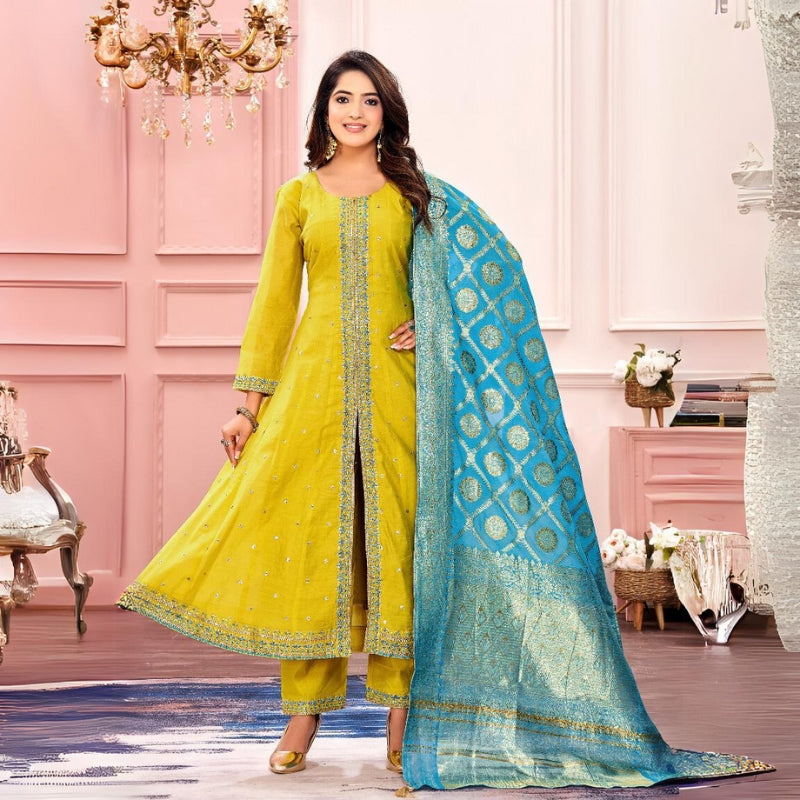
Anarkalis offer a fitted bodice with a flowing skirt that drapes beautifully over the body, striking a balance between modesty and femininity. The ankle-length flare ensures appropriate coverage for the Gurdwara and creates a cinematic, elegant look for the reception. This silhouette flatters a range of body types, making it a versatile go-to for guests who want to look polished without sacrificing comfort.
Fabrics, embellishments, and practical luxury
- Choose breathable fabrics like silk blends, chiffon, georgette, or lightweight brocade for ease during long ceremonies and outdoor photo sessions.
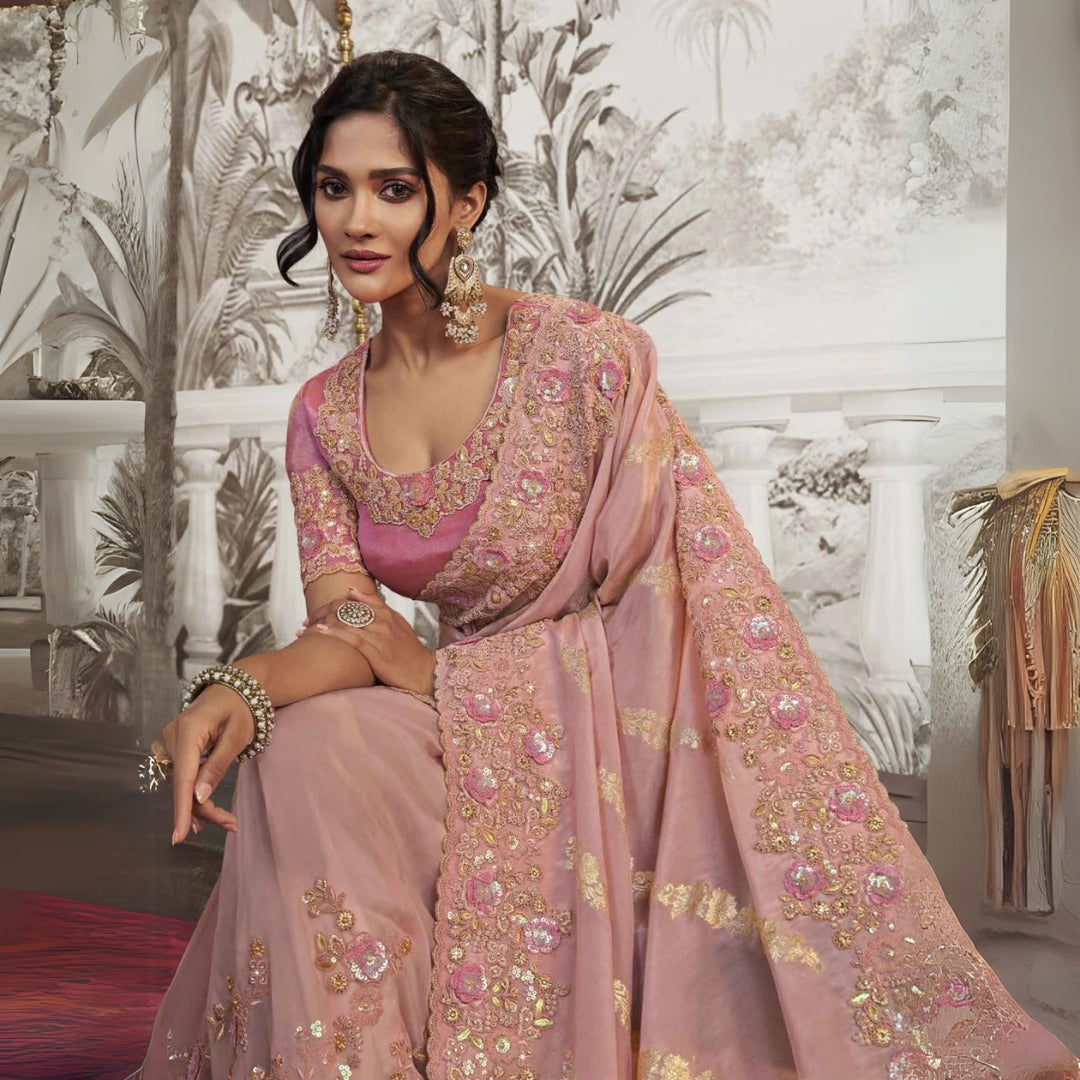
- Opt for tasteful embellishments: embroidered yokes, hand-stitched zardozi, and subtle sequins add celebratory sparkle without overpowering the sacred setting.
- Consider lining for opaque coverage and soft inner layers for additional comfort during extended wear.
Colour choices and cultural sensitivity
Bright, jewel tones and pastels both work wonderfully. Traditionally, saffron and red hold significant meaning in many South Asian weddings, but guests should avoid overshadowing the bridal palette in a way that may feel insensitive. Deep maroons, royal blues, emeralds, and muted golds remain safe, luxurious choices. For daytime ceremonies, lighter hues or soft metallic accents convey elegance while remaining understated and respectful.
Head Covering Tips for Women and Men
How to drape a dupatta correctly
A well-draped dupatta shows respect and elevates your Anarkali ensemble:
- For Gurdwara: Cover the head and let the dupatta fall over both shoulders or tuck it neatly across the chest. Ensure the head is fully covered without sliding off.
- For photos or reception: You can drape the dupatta over one shoulder or style it across the arms for a modern twist, but keep a light scarf or rumal handy for the Gurdwara portion.
- Secure with discreet pins: Use safety pins or decorative brooches to fix the dupatta at the shoulder or under the chin for stability during the ceremony.
Alternatives: stoles, shawls, and rumals
If a heavy dupatta feels cumbersome, choose lighter stoles or airy chiffon churidars that cover the head respectfully. Many Gurdwaras provide rumals for visitors — small cloths used to cover the head. Men might prefer a patka or a neatly tied scarf; women can fold a stole to create a compact head cover for the service, then switch to a full dupatta for photos.
Styling Anarkalis for Different Wedding Events
Gurdwara / Anand Karaj
- Prioritize modesty: High necklines, full sleeves, and longer hemlines are ideal.
- Comfort matters: Choose fabrics that breathe and cuts that allow sitting cross-legged or standing for prayer.
- Minimal jewellery: Keep accessories modest and avoid noisy pieces during the ceremony.
Mehendi and Sangeet
These pre-wedding events welcome playful colour and movement. Opt for Anarkalis with lighter fabrics, playful embroidery, and shorter layers for dancing comfort. Consider bold prints, mirror work, or tiered styles that gleam under event lights and allow easy movement for energetic celebrations.
Reception and Dinner
For evening festivities choose richer fabrics and more glamorous embellishment. A jewel-toned velvet or silk Anarkali with intricate zari or beadwork makes a sophisticated impression. Swap the dupatta for an evening stole, elevate your accessories, and let the silhouette speak luxury.
Accessories, Footwear, and Grooming
Jewelry that complements without overpowering
- Statement earrings or a choker pair elegantly with high-neck Anarkalis, while long necklaces work with deeper necklines.
- Choose a single focal piece — a Kundan necklace, a pair of jhumkas, or an exquisite maang tikka for a touch of regal charm.
- Bangles or a single cuff can add rhythm and sparkle. Keep one strong piece to avoid competing elements.
Shoe selection for grace and practicality
Traditional mojris or embellished flats are ideal for authenticity and comfort. If you prefer heels, pick block heels for stability when removing and wearing shoes multiple times. Shoes that slip on and off smoothly will make transitions in the Gurdwara seamless.
Hair and makeup: subtle, camera-ready, respectful
Aim for a polished yet natural look. Soft, dewy makeup flatters photographs and honors the ceremony’s tone. Secure hair in a low bun or braid that accommodates a dupatta or stole without bulk. Use long-lasting products to withstand humidity and long celebrations.
Practical Tips & Etiquette for Attending a Sikh Wedding
Punctuality and preparation
- Arrive on time for the Gurdwara ceremony — late entries can be disruptive. Plan transport and wardrobe changes ahead.
- Carry a small emergency kit: safety pins, extra dupatta clips, blotting paper, and comfortable flats.
Respectful behavior at the Gurdwara
- Remove shoes and wash feet or use provided facilities before entering the prayer hall.
- Maintain quiet, listen respectfully during prayers, and avoid flash photography during the ceremony unless explicitly permitted.
- When in doubt, follow the couple’s family or Gurdwara volunteers for protocol cues.
How to Choose the Perfect Anarkali from Shreekama
At Shreekama, selecting an Anarkali means choosing a piece of heritage crafted with luxury sensibility. Look for:
- Impeccable tailoring that honors traditional silhouettes yet reflects modern comfort.
- Premium fabrics that breathe and drape elegantly for both day and evening events.
- Thoughtful embellishment that complements the sacred ceremony while making you feel celebratory.
Our curated Anarkali collection focuses on refined details: hand-embroidered panels, delicate finishes at the neckline, and perfectly proportioned flares that move beautifully in photos and in person. Each design is created to become a cherished piece in your celebration wardrobe — timeless, respectful, and undeniably luxurious.
Quick Style Cheats for Last-Minute Guests
- Borrow a simple silk dupatta in a neutral shade from family for the Gurdwara and change into a more ornate dupatta for the reception.
- Pair an elegant Anarkali with contemporary accessories — a sleek belt, statement clutch, or minimalist heels — to modernize a traditional silhouette.
- Layer with a chic embroidered jacket over your Anarkali for weather flexibility and an elevated look.
Final Thoughts
Choosing what to wear to a Sikh wedding is an opportunity to show respect, celebrate community, and express personal style. Anarkalis provide the perfect canvas: they combine grace, modesty, and the luxurious details that make a wedding outfit feel special. With mindful head covering, considered accessories, and a focus on comfort, you’ll be ready to participate in every ritual and celebration with confidence and elegance.
Explore Shreekama’s exquisite range of Anarkalis tailored for meaningful occasions. Each piece is designed to honor tradition while helping you stand out in the most graceful way.
Discover our exclusive Anarkali collection at Shreekama
Frequently Asked Questions
What is the most appropriate Anarkali style for a Gurdwara ceremony?
Choose an ankle-length Anarkali with full sleeves and a high or modest neckline. Light to medium-weight fabrics with minimal transparency and subtle embellishments maintain respectful elegance suitable for the Gurdwara.
How should women cover their heads at a Sikh wedding?
Women typically use a dupatta, chunni, or stole to cover their head in the Gurdwara. Fold the fabric to cover the head fully and secure it under the chin or at the shoulders with discreet pins. For convenience, keep a light rumal or scarf handy to use just for the ceremony if you plan a different style for the reception.
Can I wear Western shoes with an Anarkali at a Sikh wedding?
Yes, but choose sensible options. Block heels, wedges, or elegant flats work best because you will remove shoes in the prayer hall. Ensure the shoes are easy to slip on and off and comfortable for long periods of standing and walking.
Are bright colours appropriate for a Sikh wedding?
Bright colours are welcomed and reflect the celebratory spirit. However, avoid competing with the bridal palette or choosing colours with strong ceremonial significance if you’re unsure. Jewel tones, pastels, and rich neutrals all make tasteful choices.
Do men need to wear a turban as guests?
Men are required to cover their heads in the Gurdwara. While guests do not need to wear a formal turban unless they choose to, many wear a patka, bandana, or rumal. Gurdwaras often provide rumals for visitors, but bringing your own clean cloth shows preparedness and respect.
How do I keep my dupatta in place during the ceremony?
Use small safety pins or outfit-specific dupatta clips to secure the fabric to the shoulder or under the chin. Pin discreetly to the inner layer of your Anarkali to avoid damaging delicate embroidery. This prevents slippage during movement and photographs.
What type of jewelry should I avoid at a Sikh wedding?
Avoid excessively noisy or ostentatious pieces during the Gurdwara service. Keep jewels understated for the ceremony and save statement pieces for the reception. Opt for one standout accessory to maintain balance and respect.
Shop Shreekama’s curated Anarkali and suit collection and find your perfect wedding look