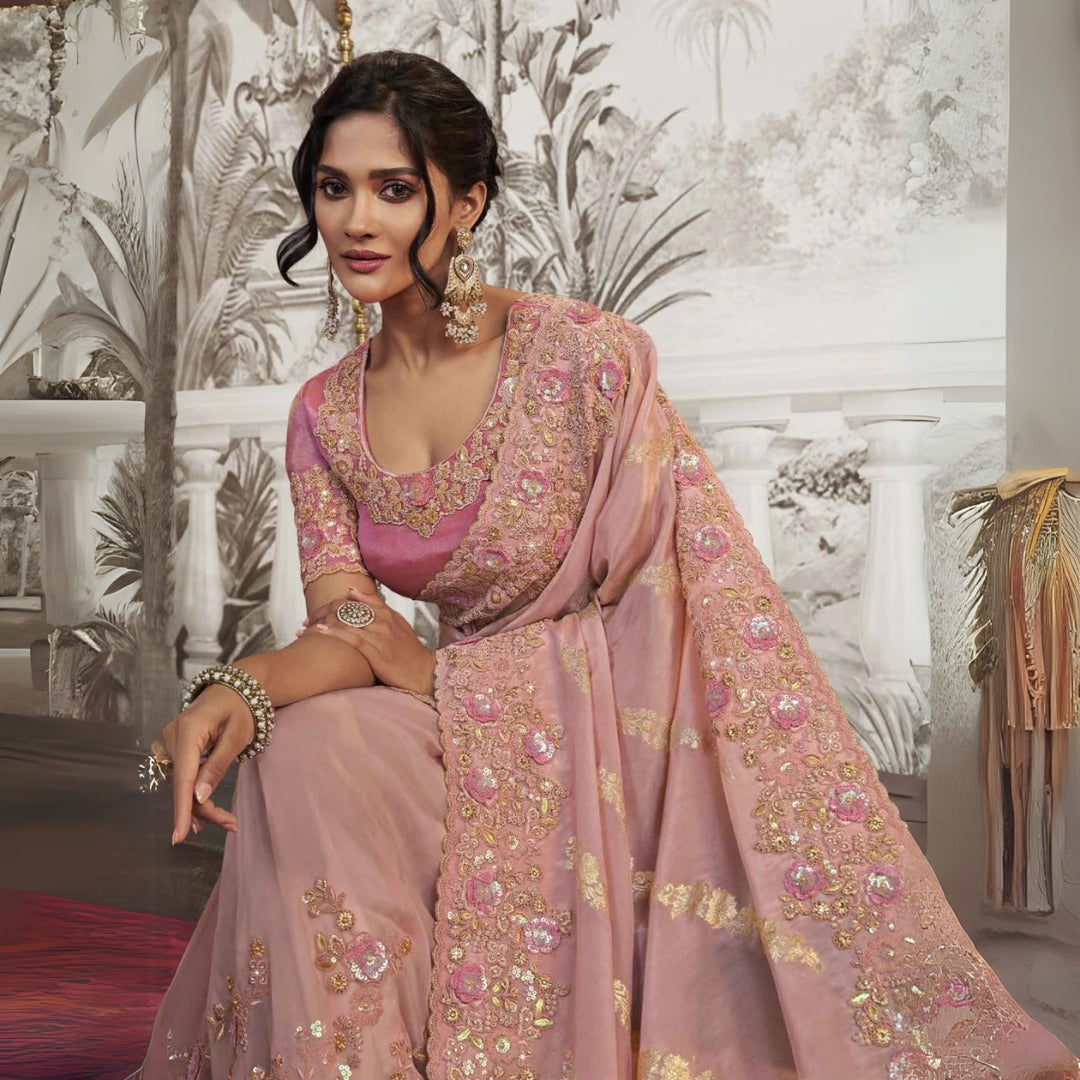
Imagine stepping into a sunlit mandap, the air rich with jasmine and incense, as strings of gold and silk ripple around you. South Indian weddings are a sensory feast—vibrant silk, temple jewelry, and centuries-old weaving traditions. As a guest, your saree can honor that heritage while showcasing your own style. This Wedding Guest Saree Guide from Shreekama blends cultural insight, practical advice, and luxe styling tips so you arrive confident, comfortable, and utterly radiant.
Understanding South Indian Wedding Dress Codes
Why sarees are the ideal choice
In South Indian ceremonies, sarees are not just garments—they are a nod to tradition and an expression of celebration. Wearing a saree signals respect for the ritual while offering endless possibilities to personalize color, weave, and drape. For guests, sarees strike the perfect balance between ceremonial elegance and versatile comfort.
Common dress expectations and etiquette
- Opt for modest necklines and covered shoulders during rituals—bring a matching shawl if you choose an off-shoulder blouse.
- Avoid all-white sarees unless culturally appropriate; white often signifies mourning in many communities.
- Bright, joyful colors and rich textures are welcomed, especially for daytime ceremonies and temple rituals.
Choosing the Perfect Saree Fabric and Weave
Silk varieties: Kanjeevaram, Mysore, Gadwal and Paithani
Silk sarees are the heartbeat of South Indian weddings. Kanjeevaram, with its dense silk and ornate zari borders, is the most iconic. Mysore silk offers satin-like comfort and subtle sheen—perfect for guests who prefer understated luxury. Gadwal and Paithani bring artisanal motifs and intricate borders that photograph beautifully beneath warm festival lights.
Lightweight alternatives for long functions
For comfort across back-to-back rituals—haldi, wedding, reception—consider lighter options: soft organza, chiffon blends, or silk-cotton handlooms. These fabrics drape beautifully and allow easier movement while still feeling festive.
Color, Patterns, and Motifs: What Works Best
Choose colors that capture the mood
South Indian weddings call for joyful hues. Jewel tones—emerald, ruby, sapphire—and sun-kissed colors like marigold, coral, and fuchsia read beautifully in photographs. Pastels work well for evening receptions where softer lighting flatters muted palettes. If you want to stand out tastefully, consider contrasting borders: deep green with gold, or maroon with a peacock-blue pallu.
Motifs to look for: temple borders, paisleys, and florals
Traditional motifs elevate a saree from pretty to priceless. Temple borders and mythical animals feel ceremonial and timeless. Paisleys, lotus and jasmine patterns bring romantic charm. For a modern twist, look for contemporary geometric motifs woven in classic silk.
Styling the Saree: Drapes, Blouses, and Accessories
Draping styles that suit different body types
- Classic Nivi drape: Universally flattering and easy to manage—perfect for most functions.
- Madisar or seedha pallu: Traditional and dramatic; great for temple ceremonies and photo moments.
- Bengali or Gujarati drapes: Offer a distinctive silhouette that adds heritage charm without heavy layers.
Blouse ideas to elevate your look
The blouse defines the saree’s personality. Consider these options:
- High-neck silk blouse with elbow-length sleeves for regal grace.
- Deep-back blouse with tassels or latkans for evening glam.
- Contrasting velvet blouse for winter weddings or reception drama.
- Hand-embroidered or brocade blouses to echo saree motifs and add texture.
Jewelry and accessories: balance tradition and trend
Jewelry anchors your saree. Temple jewelry—mango designs, grams of gold hues, short chokers and long harams—adds authenticity. Mix and match: pair a bold choker with delicate layered chains or wear statement jhumkas if your neckline is simple. Don't forget a small bindi, a stack of glass or gold bangles, and an elegant clutch. For modern minimalists, pick one statement piece and keep the rest sleek.
Makeup, Hair, and Footwear for Comfort and Elegance
Makeup that lasts through rituals
Choose long-wear foundations, waterproof mascara, and cream-based blush for natural luminosity. Bold lips in deep berry or coral anchor the look and photograph well. Keep a touch-up kit: blotting sheets, lipstick, and a mini perfume. A subtle highlighter on the cheekbones and nose gives a soft glow in candlelight.
Hairstyles that withstand humidity and hours
Classic buns adorned with jasmine garlands or fresh flowers evoke nostalgia and smell divine. Loose waves with a side pin look glamorous for receptions. Braided styles with hair jewelry or a string of pearls are both practical and beautiful for long ceremonies.
Comfortable footwear without compromising style
Choose cushioned sandals or block heels to stay steady through rituals and photo ops. Embellished kolhapuris and embroidered mojaris are stylish alternatives that match the saree’s aesthetic while keeping you comfortable.
Practical Considerations: Weather, Timing, and Comfort
Dress smart for the climate
South India's climate can range from tropical heat to cool evenings. For outdoor temple weddings, favor breathable fabrics and keep a pallu that doubles as sun cover. For air-conditioned halls, a light shawl or silk dupatta keeps you warm without sacrificing elegance.
Packing essentials for long wedding days
- Safety pins and a small sewing kit for quick fixes.
- Extra blouse hooks and bobby pins.
- A mini deodorant and travel-size perfume.
- Comfortable flats to switch into after the ceremony.
Budget, Sustainability, and Timeless Choices
Invest vs. rent: choosing what’s right for you
If you attend many weddings, investing in a high-quality silk saree is wise—these pieces become family heirlooms. Renting designer sarees or borrowing from family offers a luxe look without the cost. For a sustainable approach, choose handloom pieces made with ethical practices or buy from brands that support artisans.
Timeless styles that offer maximum returns
- Classic Kanjeevaram with a rich border—never goes out of style.
- Silk-cotton handloom sarees with subtle motifs—versatile for many events.
- Neutral-toned sarees with bold borders—easy to accessorize multiple ways.
How to Shop: Tips for Buying a Wedding-Guest Saree
What to check before purchasing
- Weave density and zari quality for longevity and shine.
- Colorfastness—wash test or check retailer assurances.
- Blouse customization options and return/exchange policy.
Styling your new saree for pictures and comfort
Before the wedding, do a full trial: drape the saree, pin the pleats, and walk around to ensure mobility. Take a few photos in natural light to see how the color reads on camera. Coordinate with accessories and finalize the hairstyle so everything feels cohesive.
Outfit Inspiration: Real Guest Looks to Copy
Elegant daytime guest
- Silk-cotton saree in turmeric yellow with a temple border
- High-neck blouse, simple gold studs, braided hair with jasmine
- Flat kolhapuris for comfort
Reception-ready glam
- Rich Kanjeevaram in deep maroon, contrast satin blouse
- Statement choker and layered haram, sleek low bun
- Heeled sandals and an embellished clutch
Minimalist modern
- Pure silk saree in a soft pastel with a heavy zari pallu
- Contemporary crop blouse and pearl earrings
- Subtle makeup with a bold lip
FAQ — Common Questions About What to Wear to a South Indian Wedding
What saree should I wear to a South Indian wedding as a guest?
Choose a saree that balances tradition and comfort. Kanjeevaram, Gadwal, and silk-cotton handlooms are ideal. Select a color and motif that complement the time of day and ceremony—jewel tones for daytime and softer palettes for evening receptions.
Are bright colors appropriate for a South Indian wedding?
Absolutely. Bright, saturated colors like marigold, crimson, and emerald are celebrated. They reflect the joy of the occasion and enhance wedding photos. Pair bright sarees with balanced jewelry to avoid an overdone look.
Can I wear a lehenga or gown instead of a saree?
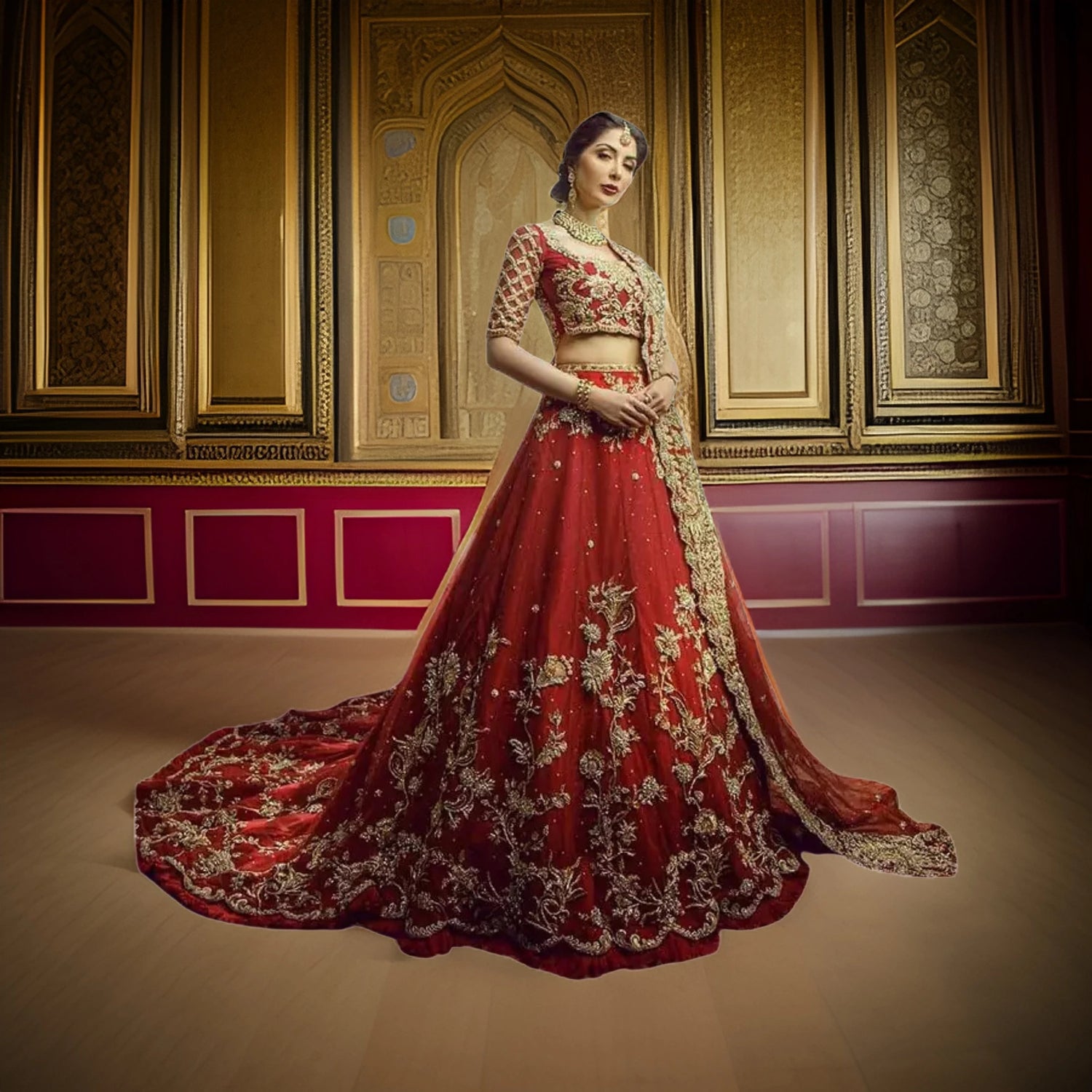
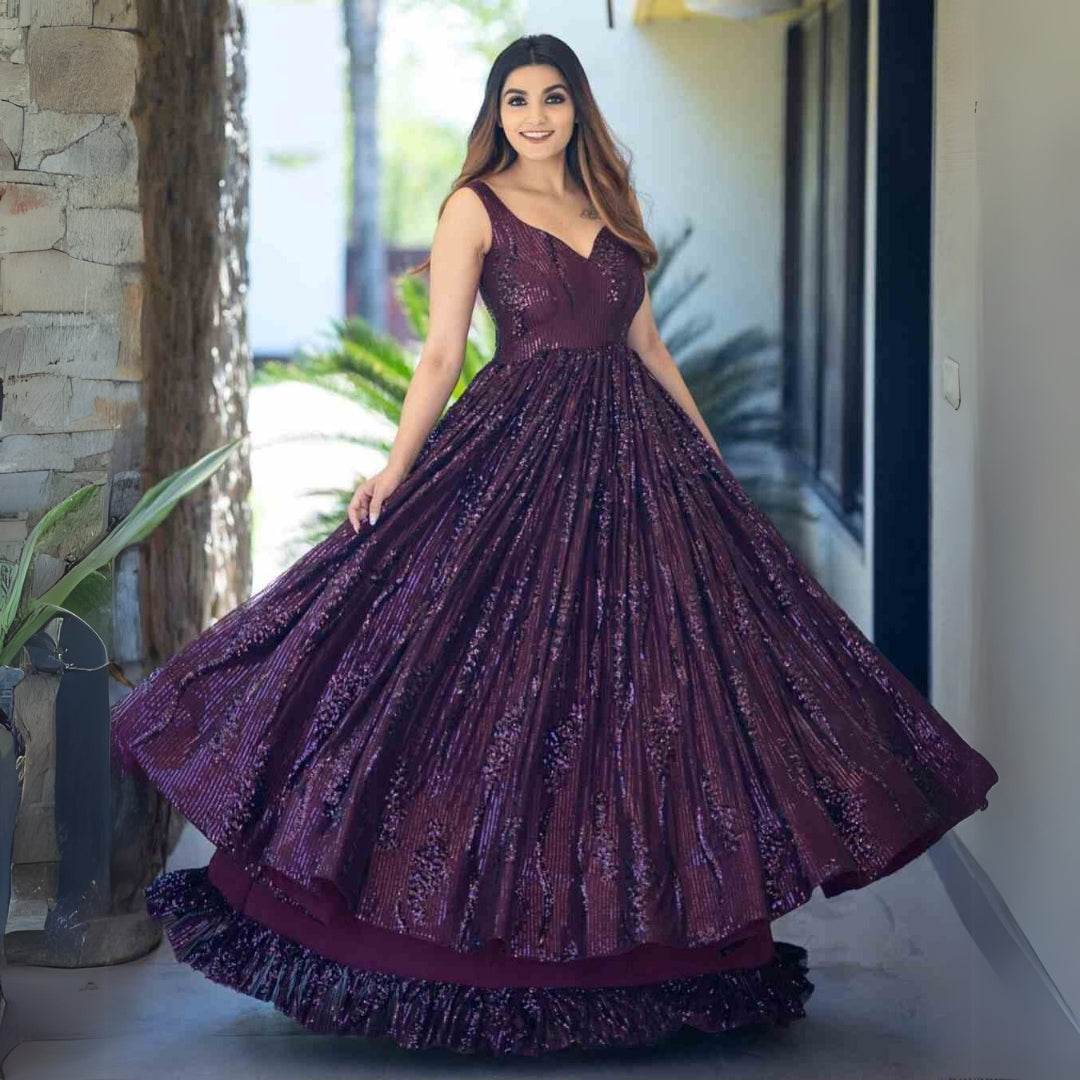
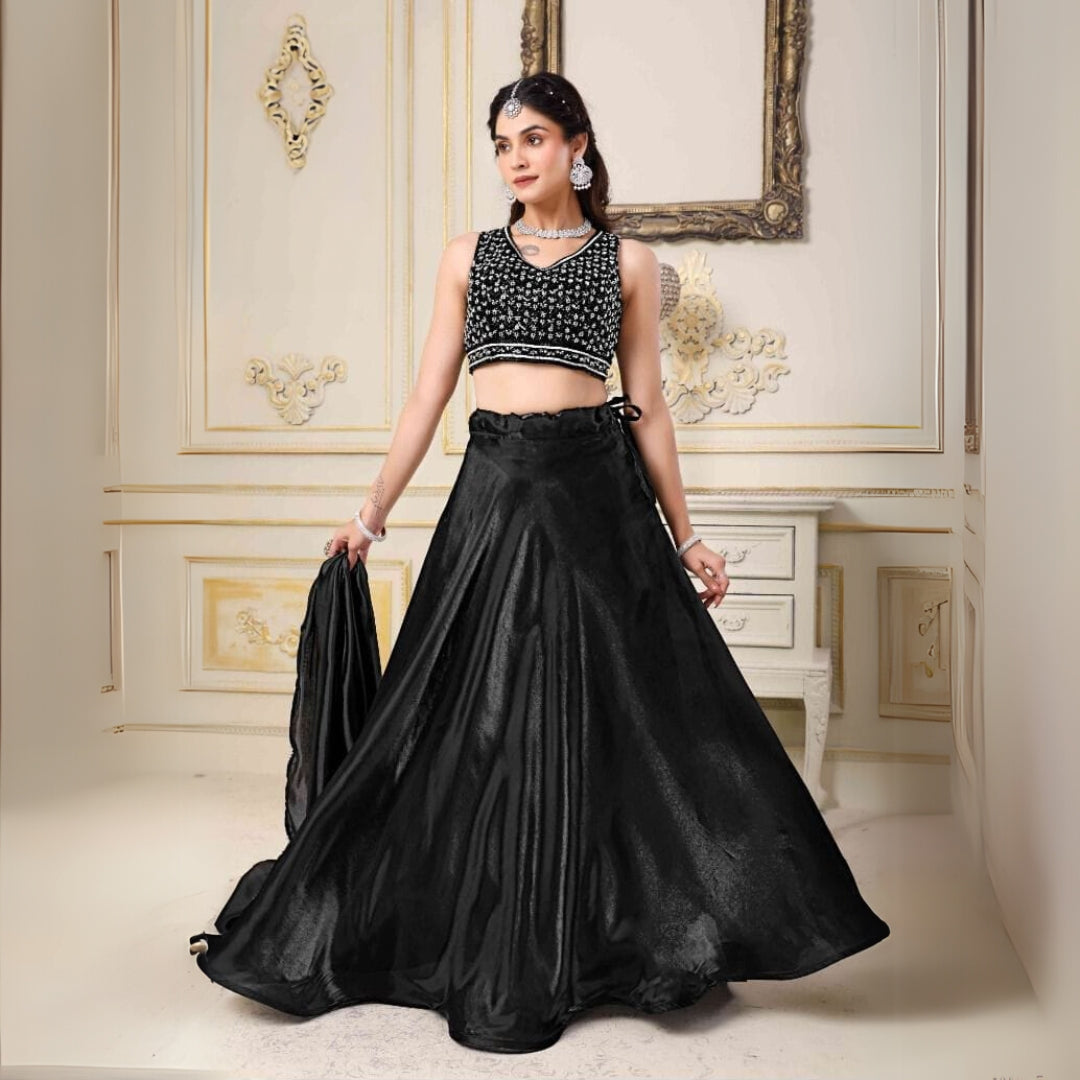
Yes—if the dress code allows. However, a saree is the most culturally resonant choice for South Indian ceremonies. If you prefer a lehenga or gown, choose fabrics and motifs that respect the event’s traditional tone.
How should I drape my saree for a temple ceremony?
Opt for a secure drape like the classic Nivi with pleats pinned neatly, or a seedha pallu for a temple-appropriate look. Make sure the pallu is pinned well so it stays in place during rituals.
What jewelry pairs best with Kanjeevaram sarees?
Temple jewelry, long harams, chokers, and jhumkas complement Kanjeevaram perfectly. Choose one or two statement pieces and keep the rest minimal to maintain a balanced, elegant aesthetic.
How can I stay comfortable during long wedding functions?
Select breathable fabrics, break in footwear beforehand, and bring a small essentials kit for touch-ups. Consider a saree drape that allows movement and choose a blouse with comfortable seams and lining.
Can I rent designer sarees for weddings?
Yes. Renting high-quality sarees is a cost-effective way to wear luxury pieces without the investment. Check the condition, cleaning policies, and fitting options before confirming a rental.
Final Thoughts
Dressing for a South Indian wedding is a joyful opportunity to celebrate culture, craft, and personal style. Whether you choose the lustrous weight of a Kanjeevaram, the airy charm of organza, or a heritage handloom, thoughtful choices about color, drape, jewelry, and comfort will ensure you look and feel unforgettable. At Shreekama, we craft sarees that honor artisanship and make those precious moments shine.
Ready to find your perfect wedding guest saree? Explore Shreekama’s exclusive collection and discover traditional sarees designed for elegance, comfort, and timeless appeal: https://www.shreekama.com/collections/traditional-saree