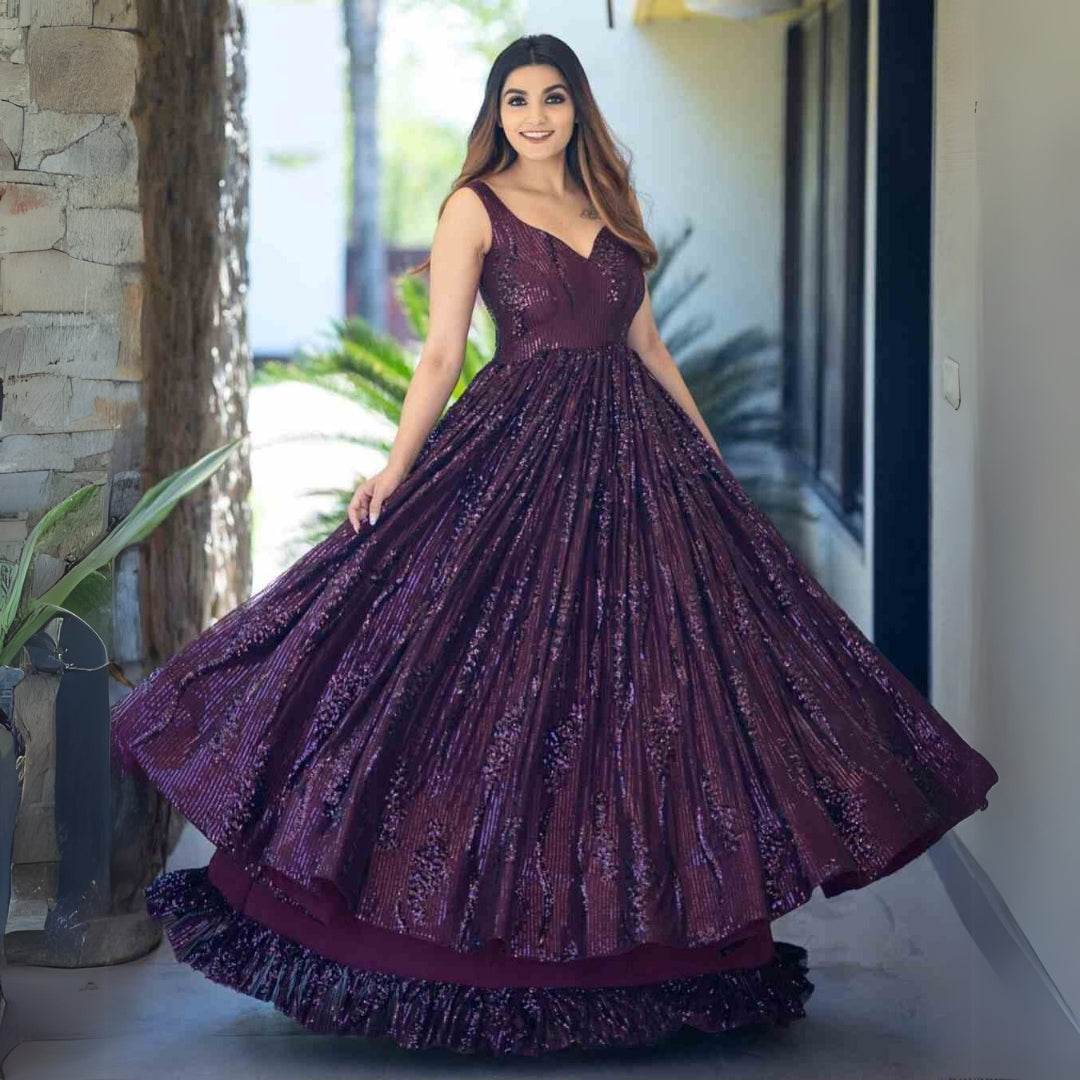
There’s something undeniably majestic about velvet at a winter wedding — the soft lustre that catches the candlelight, the sumptuous drape that feels like an embrace. For brides, grooms, and guests who choose velvet kurtas, suits, or bandhgalas, maintaining that luxurious look requires thoughtful care. At Shreekama, we craft velvet pieces meant to be treasured; this guide helps you protect that investment so every stitch continues to tell a story of elegance.
Why velvet needs special care
Velvet is built from a delicate pile — tiny loops or cut fibers that create its signature nap and sheen. That structure gives velvet its opulent look but also makes it vulnerable to pressure marks, water spots, oil stains, and flattened fibers. Understanding velvet’s unique behavior helps you act confidently rather than nervously when your winter wedding garment faces life's little accidents.
Key characteristics to remember
- Pile and nap: Directional fibers that reflect light differently depending on how they lie.
- Sensitivity to moisture: Water can leave rings or change texture unless carefully managed.
- Prone to crushing: Pressure from seatbacks or tight storage can flatten the pile.
- Attraction to oils: Body oils, makeup, and food spills cling to the fibers and can leave permanent marks if untreated.
Preparing your velvet garment before cleaning
Before attempting any cleaning method, take a moment to inspect the garment and prepare thoughtfully. This step reduces risk and helps you choose the safest solution.
Gentle inspection checklist
- Check the care label for fabric composition and manufacturer recommendations.
- Look for surface dirt, loose threads, or weak seams.
- Note the nap direction and photograph any stains for reference.
- Test a hidden area with any cleaning product to ensure colorfastness and pile reaction.
Professional cleaning vs. at-home care
When it comes to luxury velvet, professional dry cleaning is often the safest path, but savvy at-home care can extend the life of your garment between professional treatments.
When to choose professional dry cleaning
- Intricate embroidery, embellishments, or linings that could be damaged by home methods.
- Large or oil-based stains that require solvents used by professionals.
- Valuable heritage pieces or garments you want preserved long-term.
At-home care that’s safe and effective
- Light brushing with a soft clothes brush to lift dust and revive the nap.
- Steaming from the underside to relax fibers and remove gentle creases.
- Spot-cleaning small marks using a dab technique and a mild detergent solution on a cotton cloth.
Step-by-step: Removing common velvet stains
Stains are disheartening, but many can be treated safely with the right approach. Always work from the outside of the stain toward the center to avoid spreading.
Oil, butter, or food stains
- Blot excess immediately with an absorbent white cloth — do not rub.
- Sprinkle cornstarch or talc over the stain to absorb oil; leave for several hours, then gently brush away.
- If residue remains, have the item professionally dry cleaned; oil stains often require solvent-based treatment.
Water rings and perspiration marks
- Blot gently with a clean, damp cloth (distilled water preferred) to even out the water distribution.
- Steam lightly across the underside to lift fibers; allow the garment to air dry flat or on a padded hanger in a cool, ventilated area.
Makeup, lipstick, and ink
- Remove excess with a dry cotton pad; dab, don’t rub.
- Use a mild detergent solution sparingly on a white cloth and dab the stained area. Rinse by dabbing with a clean damp cloth.
- Seek professional care for stubborn or set-in stains.
Drying, reshaping, and reviving the nap
How you dry and reshape velvet after cleaning makes a dramatic difference in the final result. The goal is to avoid crushing while encouraging fibers to stand naturally.
Best practices for drying
- Avoid wringing or twisting the fabric — it damages the pile.
- Lay the garment flat on a clean towel to air dry if the care label permits.
- Hang heavier velvet garments on padded hangers to avoid shoulder distortion.
How to revive flattened velvet
- Use a handheld steamer, keeping it at a safe distance; steam from the back of the fabric when possible.
- Gently brush with a soft-bristle brush in the direction of the nap after steaming.
- For stubborn matting, massage the pile lightly with fingertips and steam again to encourage recovery.
Storing velvet garments: short-term and long-term
Proper storage preserves texture, color, and shape. Whether you’re storing a velvet kurta for a few weeks after a wedding or preserving a family heirloom for years, these steps help your garment emerge as beautiful as the day you bought it.
Short-term storage (between wears)
- Hang on wide, padded hangers to maintain shoulder shape and avoid creases.
- Cover with a breathable cotton garment bag; avoid plastic which traps moisture and invites mildew.
- Store in a cool, dark place away from direct sunlight to prevent fading.
Long-term storage (seasonal or archival)
- Ensure the garment is professionally cleaned before storing—dirt and oils attract pests and cause stains over time.
- Use acid-free tissue paper to pad sleeves and folds; wrap the garment loosely to avoid crushing the pile.
- Add natural moth deterrents like cedar blocks or lavender sachets, and include silica gel sachets to control humidity.
Preventing moths, mildew, and color fade
Luxury pieces require proactive protection. A few simple rituals keep pests and environmental damage at bay.
Effective prevention tips
- Clean garments before storage to remove food and body oils that attract pests.
- Rotate stored items occasionally to let air circulate and check for early issues.
- Use climate-controlled storage if you live in humid regions; humidity accelerates mildew and weakens fabric.
Travel and emergency care for wedding day wear
Packing and attending a winter wedding calls for quick fixes and last-minute rescues. A small emergency kit can save your velvet from disaster.
Essentials to pack
- Soft-bristle clothes brush and lint roller for quick de-dusting.
- Small packet of cornstarch for oil absorption.
- Handheld steamer or steam access via bathroom steam for wrinkle recovery.
- Stain removal wipes designed for delicate fabrics (test on a seam first).
On-the-spot fixes
- Sit carefully: lay a scarf over fragile spots when seated to prevent crushing the nap against chair backs.
- If crushed, hang the garment in the bathroom while you take a hot shower — the steam can help revive the pile.
- For makeup smudges, dab with a dry cotton pad and seek a restroom to blot carefully with a clean cloth.
Maintaining sheen and avoiding shine
Shine occurs where fibers are overly compressed or where oils have saturated the surface. Preventing this keeps velvet looking uniformly opulent.
Tips to minimize shine
- Avoid prolonged sitting on rough surfaces; add a smooth lining or place a shawl over the garment where pressure is likely.
- Brush gently and regularly to lift fibers and keep light-reflective surfaces even.
- Avoid heavy starch or fabric sprays; they alter the texture and can create shine lines.
When to call the professionals
Despite careful home care, some situations call for an expert touch. Choosing an experienced cleaner protects both fabric and embellishment.
Professional care is best for
- Large stains, especially oil-based or dye-transfer marks.
- Heavily embellished garments or those with mixed materials that react differently to cleaning.
- Velvet lined with delicate fabrics or with structural padding that could deform with improper handling.
Shreekama’s promise: preserving luxury with confidence
At Shreekama, each velvet kurta and suit is crafted for moments that matter. Caring for these garments is an act of stewardship — a way of honoring the craftsmanship and the memories you’ll make while wearing them. These practical, tried-and-true methods preserve texture, colour, and fit so your velvet remains an ongoing expression of elegance.
FAQ — Velvet Suit and Velvet Kurta Care
Can I hand wash a velvet kurta or suit at home?
Direct answer: Generally no — hand washing risks altering the pile, causing water marks, and shrinking linings. For lightweight, unlined cotton velvet with a care label permitting hand wash, use cool water and a gentle detergent, but when in doubt, choose professional dry cleaning.
Is steaming safe for velvet?
Yes. Steaming is one of the gentlest ways to remove creases and restore pile — hold the steamer at a safe distance and steam from the inside or back of the fabric when possible. Avoid direct, prolonged heat that can flatten the nap.
How do I remove an oil stain from velvet?
Quickly blot to remove excess oil, sprinkle absorbent powder like cornstarch, leave to absorb, then brush gently. Most oil stains require a professional dry cleaner for full removal.
Can velvet be ironed?
Pressing with a hot iron directly on velvet is unsafe. If pressing is necessary, use a velvet board or press cloth and a low-temperature setting; steaming is a better alternative to avoid crushing the pile.
How should I store a velvet suit long term?
Professional cleaning first, then store on padded hangers in breathable cotton garment bags with acid-free tissue for padding. Add cedar or lavender and silica gel sachets to control pests and moisture.
Why does my velvet have shiny patches?
Shiny patches are caused by flattened fibers or oil buildup. Gently steam and brush to lift the nap; persistent shine may require professional restoration.
How do I travel with velvet so it doesn’t crease?
Pack velvet on a padded hanger in a breathable garment bag. If space is limited, roll the garment loosely with acid-free tissue between folds and use a small steamer at your destination for quick refreshes.
Final thoughts and call to action
Velvet is more than fabric — it’s an emotion. It envelopes memorable moments and creates a sensory legacy. With attentive care—simple daily rituals, the right storage, and timely professional help—your velvet will continue to captivate at every winter wedding and celebration.
Discover Shreekama’s exquisite velvet kurtas and suits, designed to be cherished and cared for. Explore our exclusive collection and invest in pieces that last: https://www.shreekama.com/collections/kurtas-suits