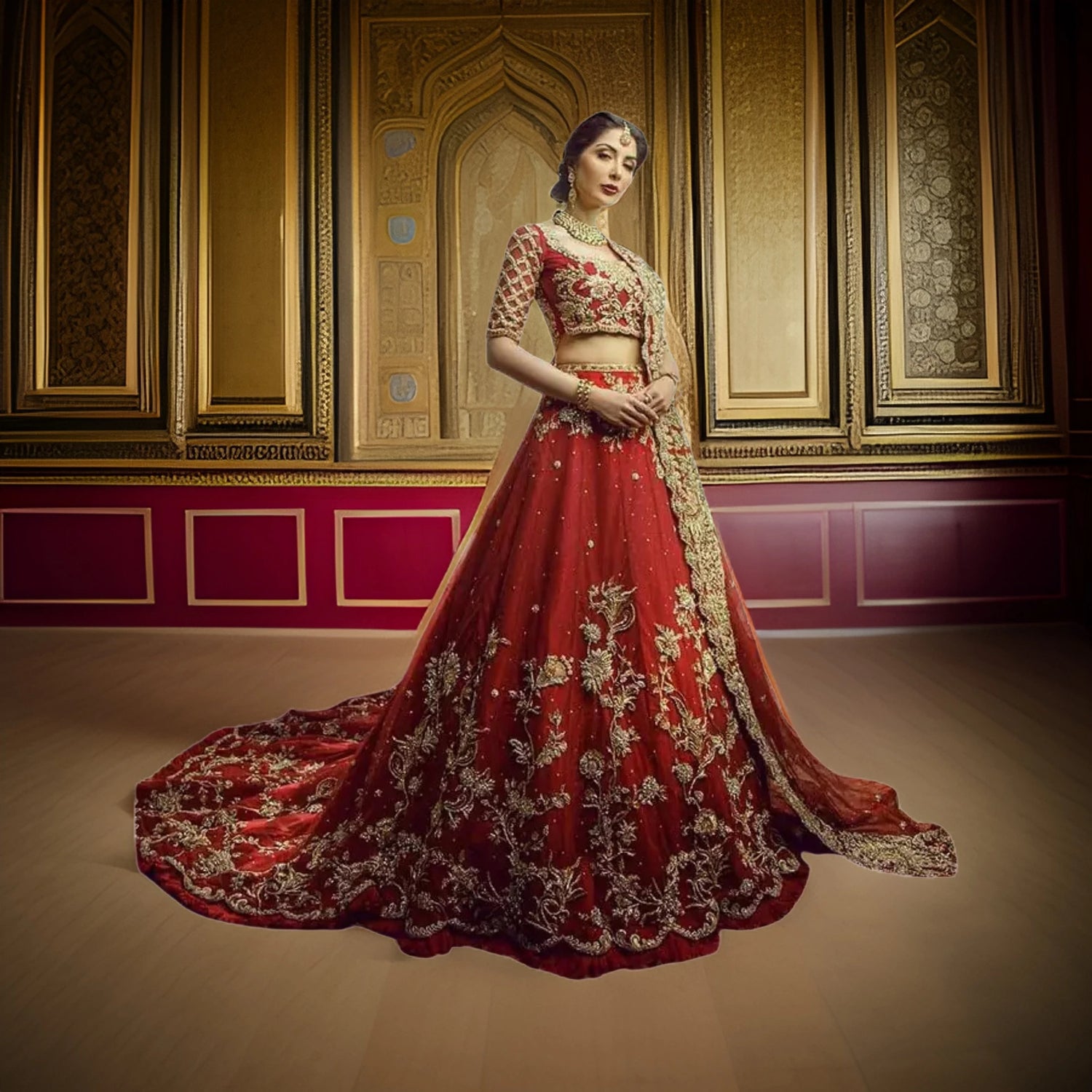
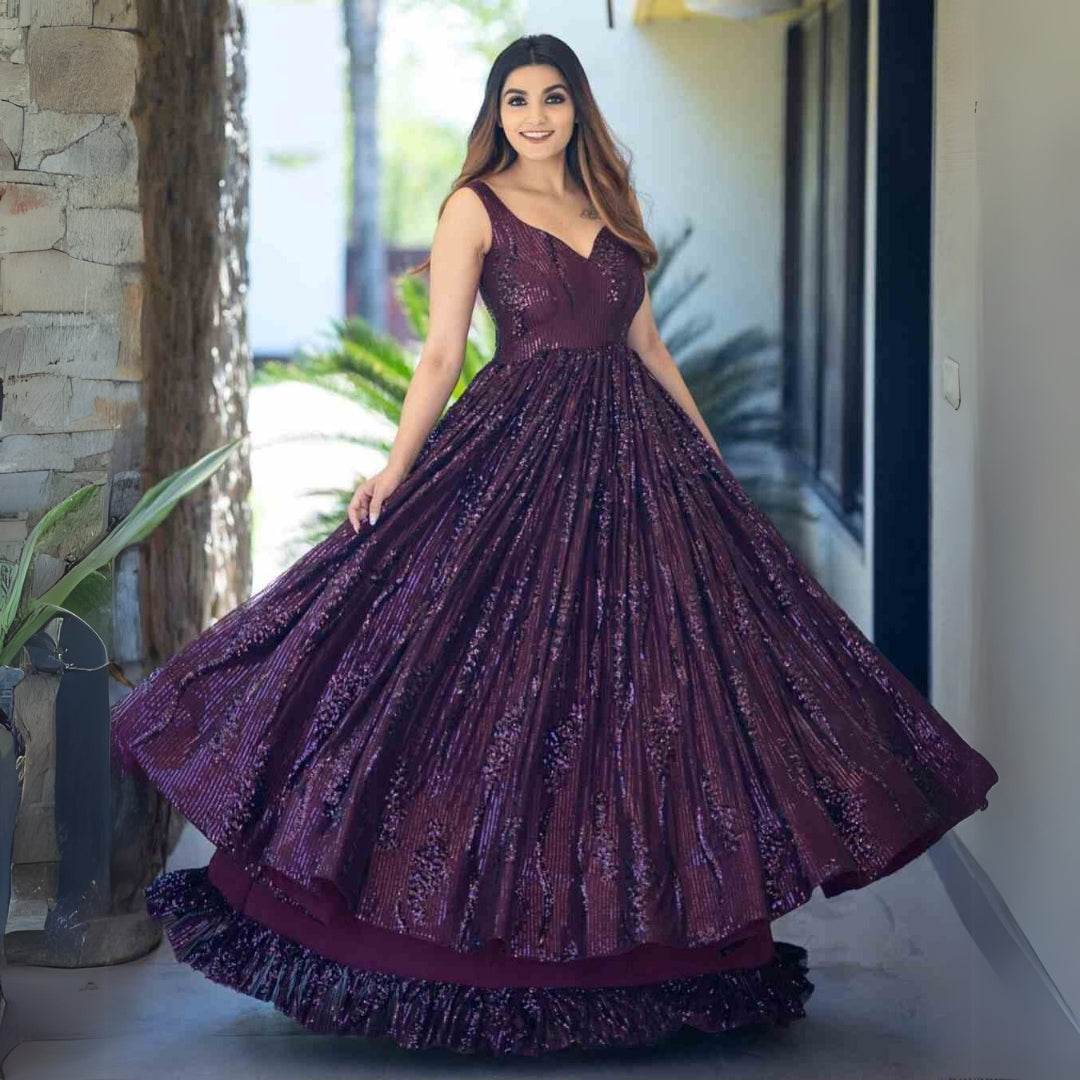
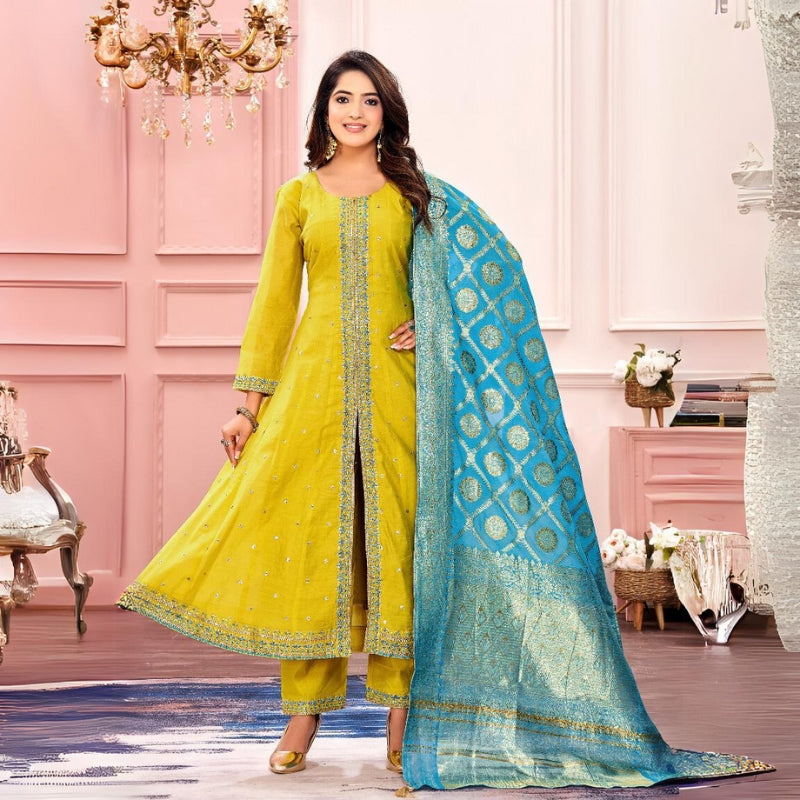
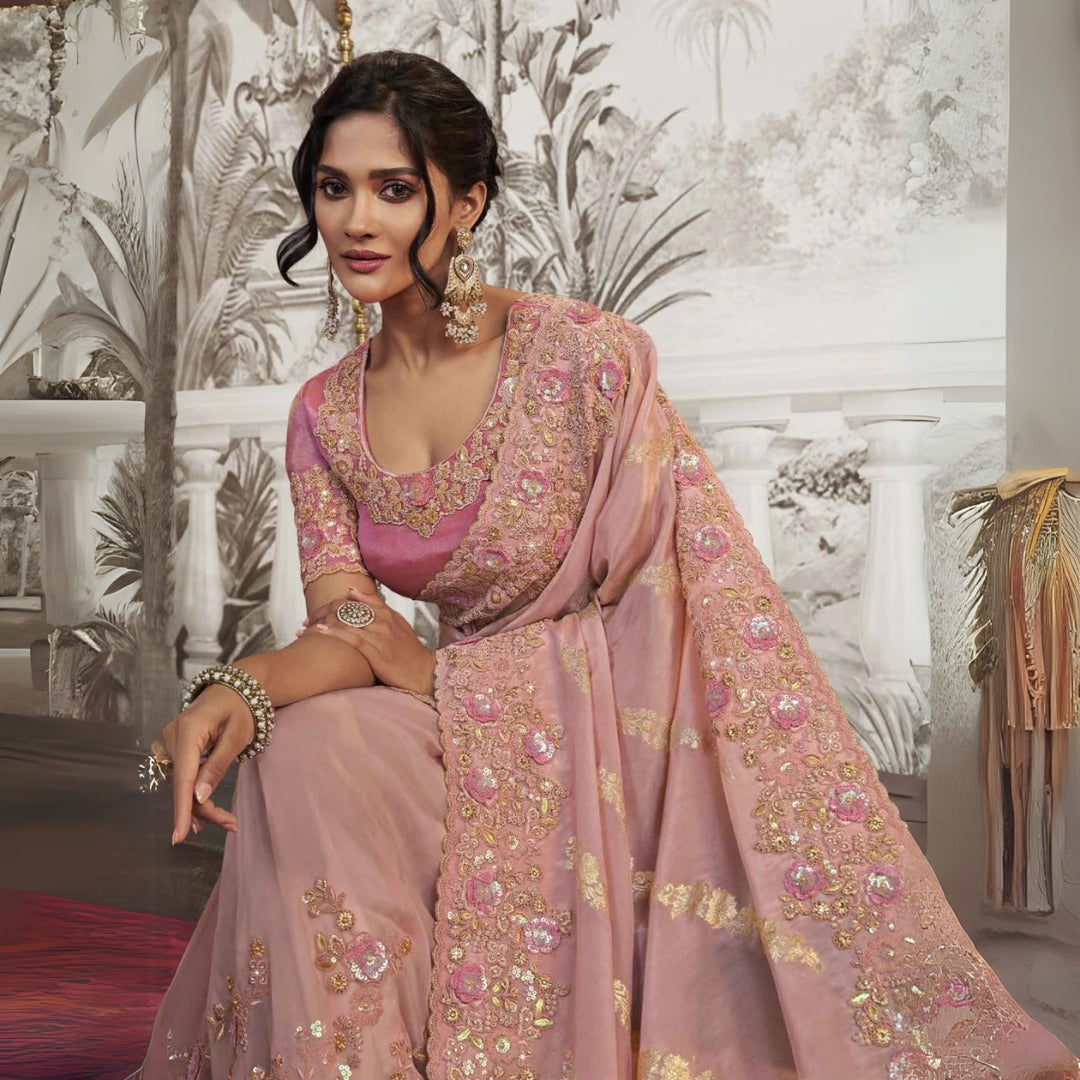
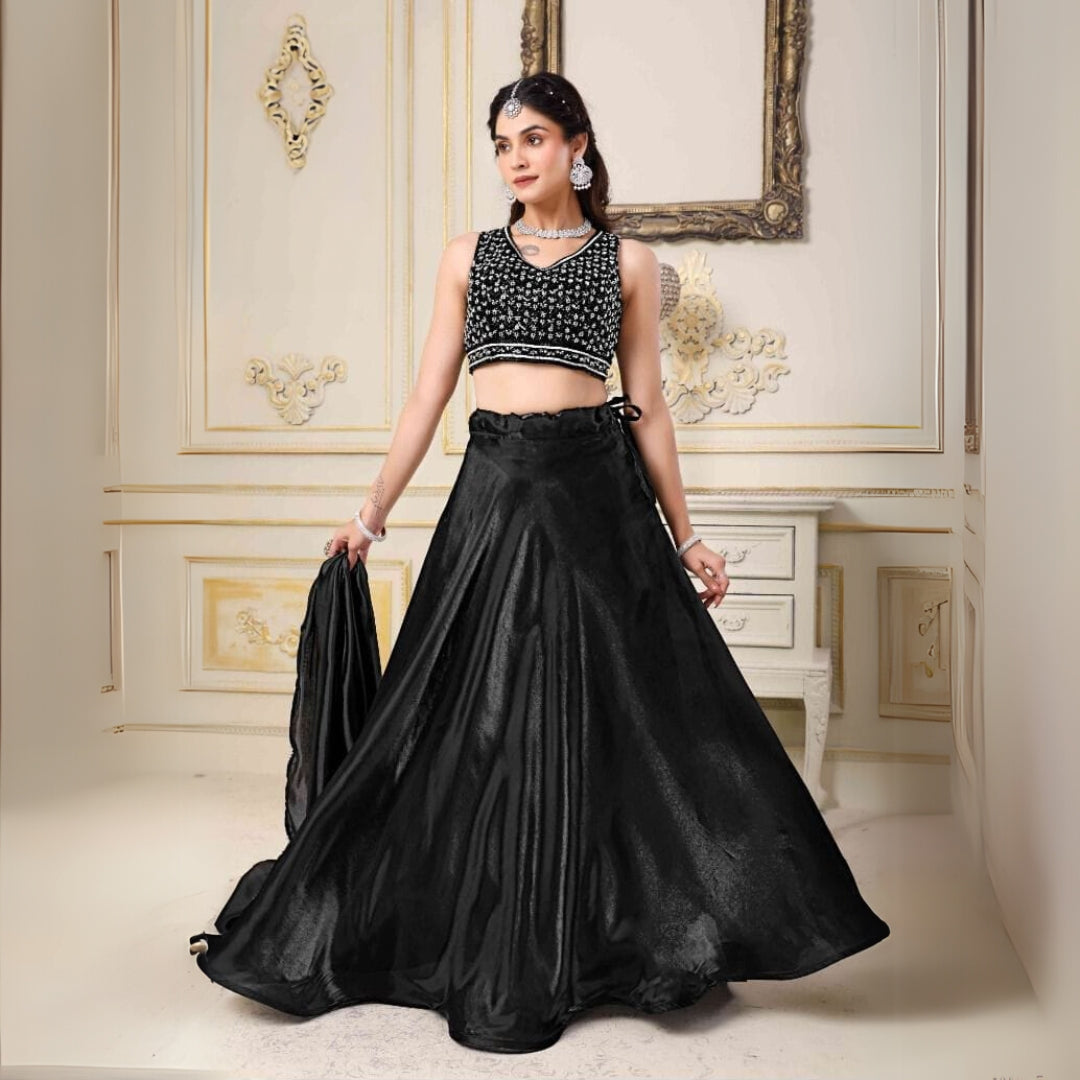
The first time you slip into a ghagra choli, something stirs — a feeling of belonging to a story stitched by generations. From the whisper of handmade hems to the vivid colors that catch the light, the ghagra choli carries voices of villages, festival fervor, and now the hush of couture shows. At Shreekama, we celebrate this journey: how a practical, expressive rural garment transformed into a global symbol of elegance and cultural pride.
The Roots: Humble Beginnings in Village Life
The ghagra choli began as a garment born of necessity and cultural expression. Women in rural communities adapted fabrics and techniques available to them, creating skirts (ghagra), fitted blouses (choli), and often an embroidered dupatta to complete the ensemble. This combination offered comfort for daily chores while allowing for elaborate decoration during festivals and rituals.
Practical Design, Profound Meaning
In village life, the ghagra choli was more than clothing — it was identity. Patterns and colors signaled marital status, community, and sometimes social stories. Lightweight cottons allowed movement for dance and work, while heavier silks reserved for celebrations reflected access to trade and wealth. Artisans used locally-sourced dyes and motifs inspired by flora, fauna, and folklore.
Regional Signatures and Handcrafted Techniques
- Rugged block printing and bold bandhani tie-dye created striking visual textures.
- Intricate mirror-work and thread embroidery added depth and sparkle to festival ghagras.
- Weaving centers contributed unique brocades and zari borders that elevated special-occasion pieces.
From Local Celebrations to Cultural Icon
As communities migrated and markets expanded, the ghagra choli traveled with them. It appeared at weddings, harvest festivals, and temple rituals, growing into an emblem of celebration. The silhouette adapted—skirts became fuller, blouses more structured, and ornamentation richer—responding to changing tastes and social aspirations.
Symbolism in Festivals and Weddings
Colors and motifs carried emotional weight: deep reds and maroons signified auspicious beginnings, vibrant yellows embodied joy, and complex geometric patterns told local stories. Bridal ghagra cholis earned a sacred status, passed down through generations, and often became family heirlooms embroidered with blessings.
Cross-Cultural Influences
Trade routes, royal patronage, and cultural exchange introduced new fabrics, dyes, and embellishment techniques. Regions learned from each other: intricate handloom brocades met rustic tie-dye; mirror-work found company with fine zari borders. This fusion expanded the ghagra choli’s aesthetic vocabulary and allowed artisans to experiment boldly.
The Reinvention: Ghagra Choli Meets Fashion Innovation
The narrative shifted when designers saw potential in the ghagra choli’s silhouette. Rather than dilute tradition, they elevated it — keeping craft at the core while experimenting with proportion, texture, and technique. Runway adaptations preserved the soul of the garment while presenting it through a contemporary lens.
Modern Silhouettes and Luxurious Fabrics
- Layered ghagras with varying lengths create dramatic movement on stage and subtle stances in everyday wear.
- Lightweight silks, tulle overlays, and structured blouses bring a refined finish that appeals to global audiences.
- Mix-and-match dupattas and modular blouses allow personalization — the wearer becomes co-creator.
Sustainability and Artisanal Revival
Today's fashion-forward ghagra cholis return value to artisans. Slow-fashion initiatives champion hand-embroidery, natural dyes, and fair wages. Luxury houses collaborate with village weavers and embroiderers, ensuring that every motif, stitch, and border tells a responsible story. This revival honors craft while ensuring longevity for both the garment and the artisan community.
Regional Variations: A Tapestry of Styles
Understanding the ghagra choli's evolution means celebrating regional diversity. Each locale contributed a language of design — different weaves, techniques, and silhouettes that continue to inspire designers and brides alike.
Celebrated Styles
- Vibrant tie-dye and mirror-work from western regions that glitter in sunlight and on-camera.
- Layered pleats and heavy brocades in northern styles that provide regal structure.
- Soft, flowing cotton ghagras in southern locales that prioritize breezy comfort and subtle charm.
Embellishment Techniques That Shaped the Look
Every stitch has a story: from couching and gota patti to zardozi and beadwork. These embellishments changed the way the ghagra choli spoke to audiences — sometimes subtle, sometimes opulent — but always intentional.
Bridal Grandeur: The Ghagra Choli as an Heirloom
Bridal ghagra cholis represent the culmination of the garment’s evolution — where ritual, family history, and high craftsmanship intersect. Bridal ensembles often blend regional motifs with contemporary sensibilities, producing pieces that are both timeless and fashionable.
Customization and Emotional Value
Brides increasingly seek garments that reflect personal narrative: embroidered initials, familial symbols, and color palettes that resonate emotionally. Custom ghagra cholis become wearable memoirs, cementing the garment’s role as more than fashion — an artifact of memory.
Investment Pieces and Sustainable Choices
Luxury ghagra cholis, designed with high-quality materials and sustainable practices, become investment pieces. Proper care and preservation can transform a bridal ghagra into a cherished heirloom, maintaining its value aesthetically and sentimentally.
Runway to Boutique: How Designers Translate Tradition
Designers act as translators of culture, taking time-honored skills and reframing them for contemporary wardrobes. The ghagra choli’s adaptability makes it a favorite for collections that balance heritage with innovation.
Key Design Strategies
- Minimalist embroidery on voluminous skirts for a refined statement.
- Contemporary color stories — pastel palettes, monochrome themes, and unexpected contrasts.
- Functional couture: detachable dupattas, convertible blouses, and travel-friendly fabrics.
Storytelling Through Design
Every runway piece tells a story — a narrative that connects urban customers to rural artisans. Designers often spotlight the origin of techniques, the hands behind each stitch, and the cultural meanings woven into motifs, creating garments that resonate deeply with conscious consumers.
How to Choose the Perfect Ghagra Choli for Your Style
Choosing a ghagra choli is a personal journey. Whether you seek tradition, modern chic, or a blend of both, consider silhouette, fabric, and embellishment to find a piece that amplifies your identity.
Quick Selection Guide
- For movement and dance: choose lighter fabrics with flare and minimal heavy borders.
- For formal events: opt for structured cholis and rich brocades with intricate embroidery.
- For travel or multiple looks: select convertible pieces with detachable dupattas or mix-and-match skirts.
Styling Tips for Lasting Impact
- Balance heavy skirts with simple blouses to let craftsmanship shine without overwhelming the frame.
- Accessorize thoughtfully: heirloom jewelry pairs beautifully with embroidered ghagras, while minimalist jewelry accentuates modern designs.
- Prioritize comfort: tailored fits and breathable linings make all the difference for long celebrations.
Shreekama’s Vision: Honoring Craft, Celebrating Luxury
At Shreekama, we bridge the gap between village artistry and global luxury. Our collections honor artisan techniques, support sustainable practices, and present ghagra cholis that speak to modern sensibilities while preserving their cultural roots.
Why Choose Shreekama Ghagra Cholis?
- Handpicked fabrics and responsible sourcing for lasting beauty.
- Collaborations with master artisans to revive traditional embroidery and weaving.
- Thoughtful design that adapts to contemporary lifestyles without erasing heritage.
How We Craft Each Piece
Every Shreekama ghagra choli begins with a conversation — with artisans, clients, and the cultural heritage itself. We blend slow-fashion ethics with inventive design: sketches become samples, samples become beloved pieces, and each finished garment carries both artisan imprint and luxury polish.
Featured Snippets and Quick Answers
What is a ghagra choli?
A ghagra choli is a traditional two- or three-piece Indian outfit consisting of a skirt (ghagra), a fitted blouse (choli), and often a dupatta. It blends functionality with ceremonial beauty and varies widely across regions.
How did the ghagra choli become a fashion staple?
The ghagra choli evolved through cultural festivals, migration, and designer reinterpretation. Artisans and designers adapted materials, techniques, and silhouettes, transforming it from village attire into an internationally recognized fashion garment.
Can a ghagra choli be modern and sustainable?
Yes. Modern sustainable ghagra cholis use natural dyes, recycled or responsibly sourced fabrics, and fair-trade craftsmanship to create luxurious pieces with a conscience.
FAQ: Common Questions About Ghagra Choli History and Style
Where does the ghagra choli originate?
The ghagra choli originated in rural communities where local fabrics and techniques shaped its early forms. It spread across regions, adopting distinct styles influenced by regional crafts and cultural practices.
What are the different types of ghagra cholis?
Types vary by region and occasion: lightweight cotton ghagras for daily wear, heavily embroidered bridal ghagras, brocade skirts for formal events, and contemporary tailored versions for modern wardrobes.
How do regional variations influence design?
Regional variations contribute unique motifs, color palettes, and techniques—such as tie-dye, mirror work, brocade weaving, and specific embroidery stitches—each reflecting local culture and climate.
Is the ghagra choli only for weddings?
No. While the ghagra choli is iconic in wedding wardrobes, contemporary designs make it suitable for festivals, formal events, and even elegant everyday wear depending on fabric and embellishment.
How should I care for a hand-embroidered ghagra choli?
Care gently: dry clean when recommended, store in breathable fabric bags, avoid direct sunlight for prolonged periods, and refresh beadwork or trims with professional maintenance to preserve longevity.
How can I incorporate a ghagra choli into modern fashion?
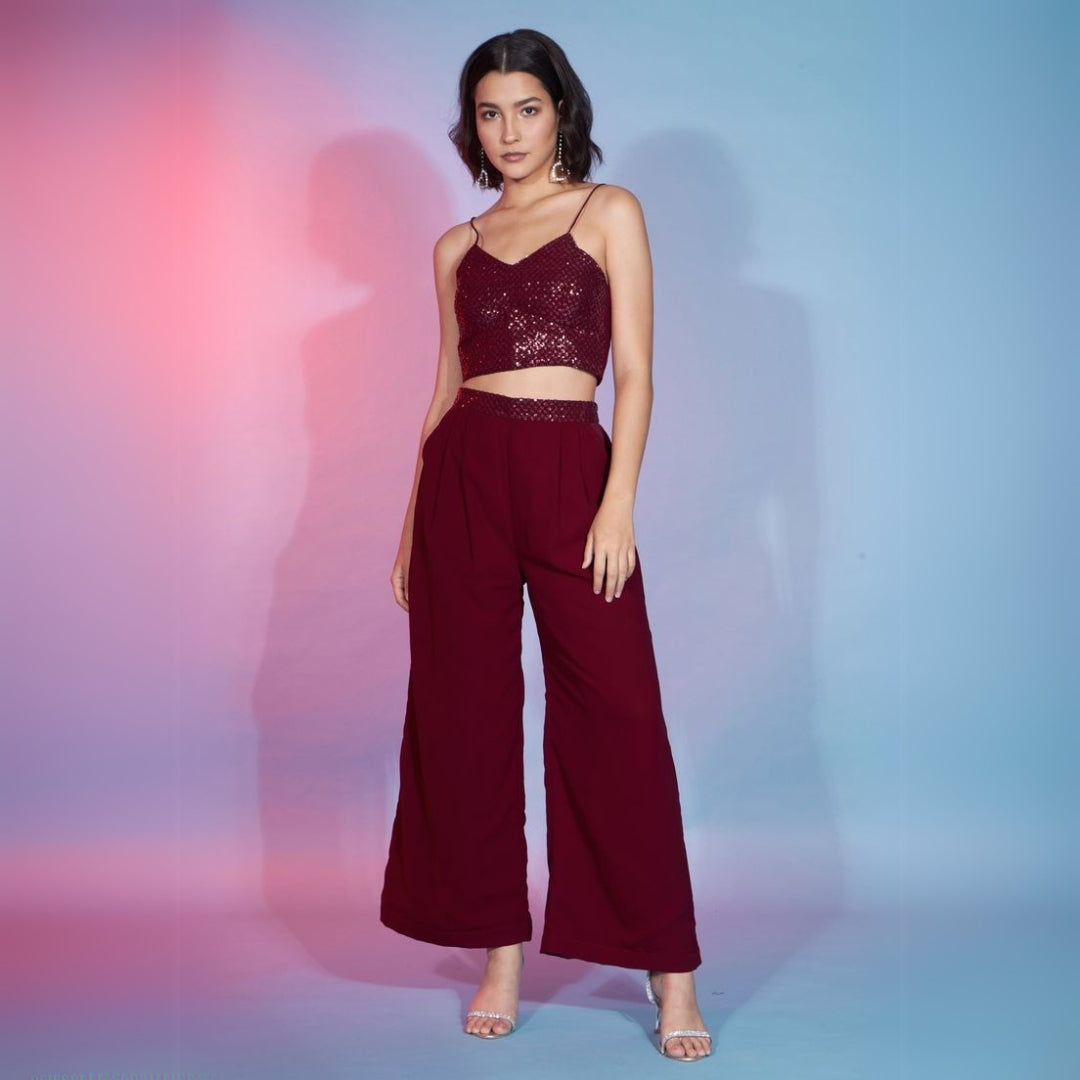
Pair a structured choli with jeans for fusion wear, mix a ghagra skirt with a modern crop top, or choose minimalist embroidery for a refined contemporary look. Accessories can further modernize or traditionalize the outfit.
Final Thoughts: A Living Legacy
The ghagra choli’s journey from village fields to global runways is more than a fashion evolution — it is a living legacy of resilience, creativity, and cultural continuity. Each piece carries hands that crafted it, stories that inspired it, and choices that shape its future. As fashion shifts toward mindful luxury, the ghagra choli stands at the crossroads of tradition and transformation.
At Shreekama, we invite you to be part of that story. Wear heritage with pride, choose craftsmanship with purpose, and celebrate a garment that has always been more than fabric — it is a testament to the artistry of people and the power of style to carry meaning across generations.
Explore our exclusive collection and find your perfect ghagra choli at: https://www.shreekama.com/collections/traditional-collection