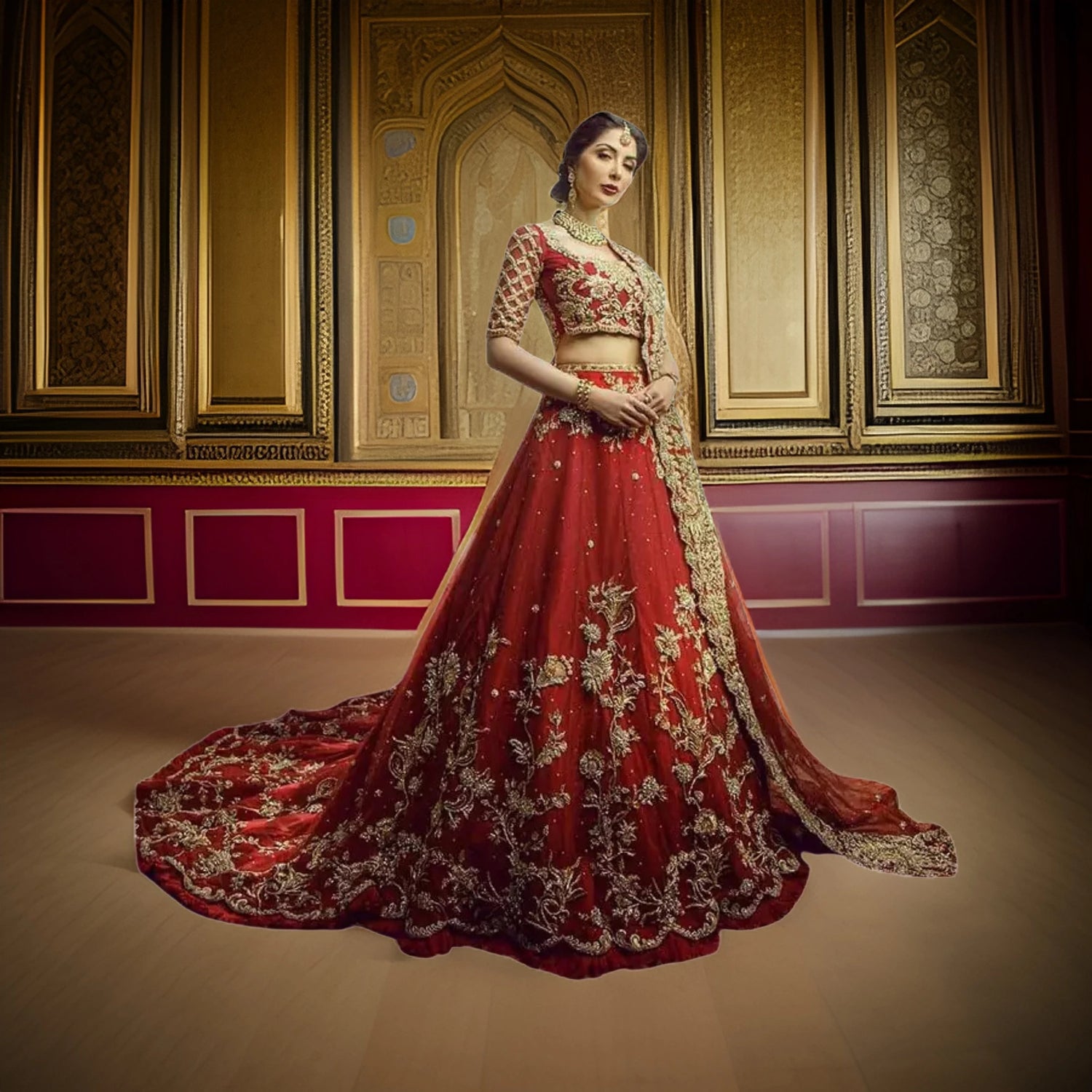
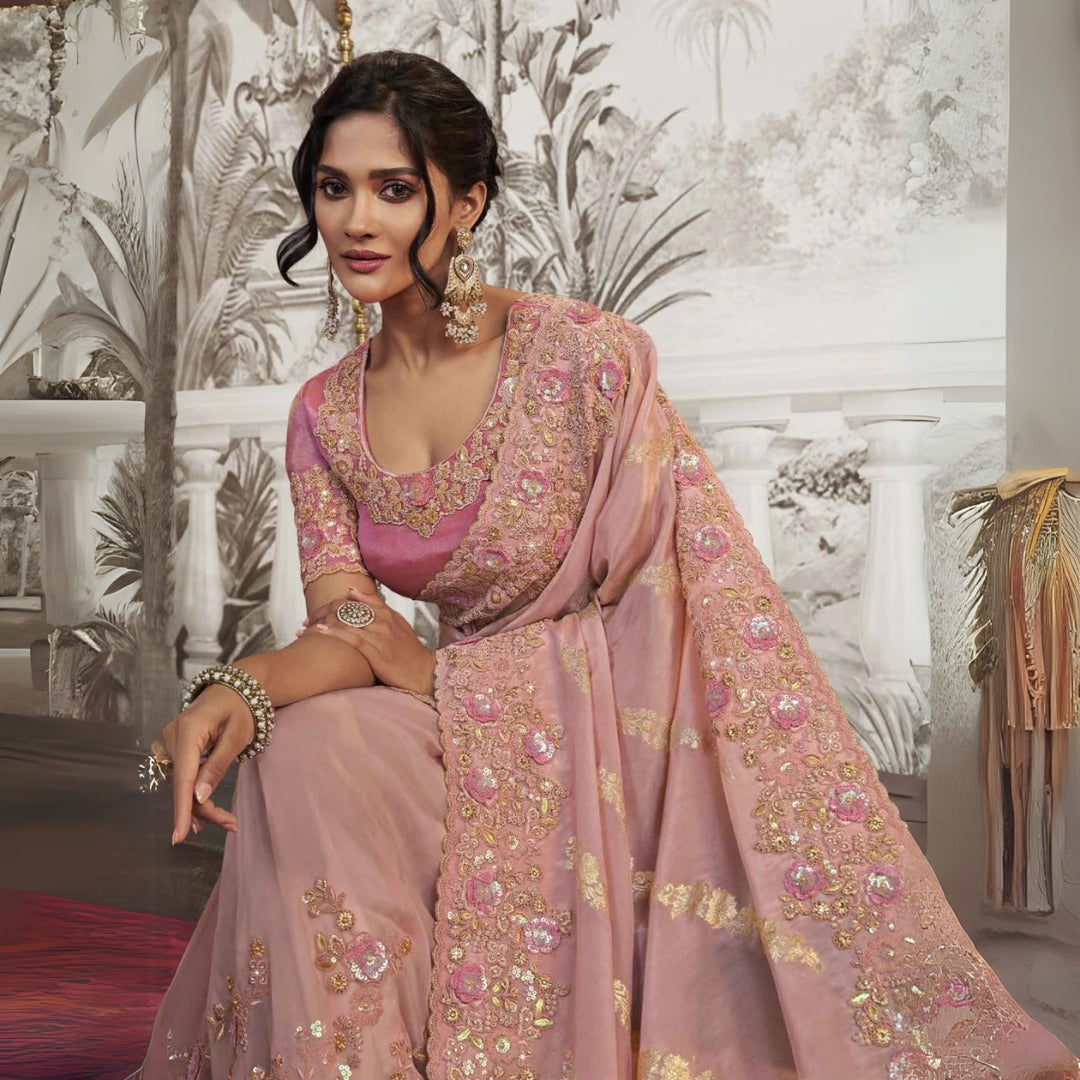
There’s a quiet drama in the way a Seedha Pallu saree falls across the chest — regal, confident, and unmistakably Gujarati. For generations, this drape has been the language of celebration: brides stepping into new lives, women marking festivals, and style-conscious individuals choosing tradition with a contemporary twist. At Shreekama, we celebrate that heritage by curating luxurious fabrics, exquisite Bandhani prints, and silhouettes that honor the past while empowering modern style. This guide unpacks the Seedha Pallu saree in fresh, practical detail so you can wear it with poise and personality.
What Is Seedha Pallu? A Concise, Elegant Definition
Seedha Pallu refers to a classic Gujarati saree drape where the pallu (the decorative end of the saree) comes from the back over the right shoulder and is spread across the front chest, typically pinned neatly at the left shoulder or waist. The pallu faces the front to showcase intricate weaving, Bandhani patterns, or heavy embroidery—making it a preferred choice for ceremonies, festive gatherings, and bridal wear.
Why Seedha Pallu Resonates Emotionally
- Heritage Appeal: It carries centuries of Gujarati textile tradition and is often linked to family rituals and memories.
- Visual Impact: The pallu in front transforms the saree into a statement piece, perfect for those who want to highlight craftsmanship.
- Empowerment Factor: The drape sits boldly on the chest, making the wearer appear confident and composed.
Who Should Wear Seedha Pallu? Best Body Types and Occasions
Seedha Pallu flatters a broad range of body types and works beautifully for many occasions. Whether you’re petite or statuesque, the right styling and fabric can make this drape luminous.
Best for These Body Types
- Hourglass figures: Emphasizes the waist while celebrating the bust with a graceful pallu spread.
- Petite frames: Choose lightweight and well-structured fabrics like georgette or fine silk to avoid overwhelming your silhouette.
- Plus-size silhouettes: Heavier fabrics like silk blends or raw silk with balanced pleating can create an elegant fall and comfortable support.
Perfect Occasions
- Weddings and receptions — especially for brides and close family members
- Festivals and cultural events — when tradition equals celebration
- Formal gatherings — when you want to communicate heritage and sophistication
Fabric and Print Choices: Making the Seedha Pallu Your Own
The fabric you choose determines how the pallu behaves, how it highlights motifs, and how comfortable you'll feel during long ceremonies. Selecting the right combination of fabric, weave, and print is key to creating a memorable look.
Top Fabrics for Seedha Pallu Sarees
- Bandhani (Bandhej) cotton silk: Breathable, holds the dye beautifully, perfect for festive daytime events.
- Pure silk and silk blends: Luxurious fall, ideal for bridal and evening wear.
- Chiffon and georgette: Lightweight and fluid for a soft, modern interpretation.
- Banarasi silk: Rich brocades and zari work lend instant grandeur to the front-facing pallu.
Why Bandhani Shines in Seedha Pallu
Bandhani’s tie-dye patterns tell a story with every dot and swirl. When displayed as a Seedha Pallu, these motifs become the focal point—bringing color, texture, and cultural resonance to the forefront. Bandhani works especially well for brides who want tradition with a vibrant spirit.
Step-by-Step: How to Drape a Seedha Pallu Saree
Follow this clear, photographed imagining in your mind to achieve a flawless Seedha Pallu. These steps are crafted for comfort and photogenic results.
- Start with a well-fitted blouse and petticoat secured at the waist. The petticoat should match the sari’s tone for a seamless look.
- Tuck one end of the saree into the petticoat slightly to the right of your navel and wrap it around your waist once, keeping the lower edge just above the floor.
- Create even pleats (5–7 pleats depending on fabric) and tuck them neatly at the center of the waist. Ensure the pleats face left to maintain clean movement.
- With the leftover fabric, bring the pallu from the back over your right shoulder. Spread it widely across the chest so the decorative face is visible.
- Adjust the length of the pallu so the hem falls near the knee or slightly below, depending on your preference and comfort.
- Pin gently at the shoulder or secure with a stylish brooch to keep the pallu in place. You may also tuck a portion into the left side of the petticoat for extra security.
- Final checks: Ensure pleats are even, the pallu is symmetrical, and any motifs are centered for the most flattering visual impact.
Quick Tips for a Flawless Drape
- Use cotton or saree pins sparingly to prevent fabric damage—consider decorative brooches for a secure and stylish hold.
- For heavier fabric like Banarasi, fewer pleats and a firm tuck at the waist help maintain structure.
- Experiment with pallu length during fittings: shorter for active events, longer for dramatic photography.
Styling the Seedha Pallu: Blouses, Jewellery, and Footwear
Seedha Pallu invites curated styling choices that accentuate its heritage while aligning with modern sensibilities.
Blouse Styles That Elevate the Look
- High-neck embroidered blouse: Perfect for heavy pallu sarees, offers balance and elegance.
- Deep U or V back with intricate tassels: Adds femininity without stealing focus from the pallu.
- Modern crop-style blouse for lighter fabrics: Creates a chic silhouette for festive evenings.
Jewellery and Accessories
- Statement necklaces or layered chokers work beautifully when the pallu is spread across the chest.
- Traditional Gujarati jhumkas, bajuband, and kamarbandh add cultural depth and sparkle.
- Handcrafted potli bags or embroidered clutches complement the craft-heavy pallu.
- Choose footwear that provides comfort for long rituals—embroidered mojaris or wedge heels are reliable favorites.
Modern Takes and Fusion Styling
Seedha Pallu is endlessly adaptable. Designers fuse it with contemporary elements—belted waists to accentuate curves, off-shoulder blouses for a crossover couture vibe, or asymmetrical pallu tucks for a runway-ready finish. Each choice keeps the heart of the drape intact while letting your personal style shine.
Fusion Ideas That Work
- Belt the saree at the waist to create defined lines and a modern silhouette.
- Pair a Bandhani pallu with a metallic blouse for striking contrast.
- Mix fabrics—drape a silk pallu over a lightweight georgette base for layered texture.
Care Guide: Maintaining Your Seedha Pallu & Bandhani Sarees
Proper care preserves the vibrancy and weave of premium sarees. Bandhani and silk need gentle handling to remain heirloom-worthy.
Essential Care Tips
- Dry clean preferable for silk and heavily embroidered sarees to prevent colour bleed and fabric strain.
- For mild cleaning at home, use cold-water handwashing with a gentle detergent for simple Bandhani cottons—avoid harsh rubbing.
- Air-dry in shade to protect colours; direct sunlight can fade delicate dyes.
- Store sarees folded with muslin layers between folds. Avoid plastic covers—use breathable fabric bags.
- Press on low heat and with a protective cloth to prevent direct contact with iron on zari and delicate prints.
Buying Guide: How to Choose the Perfect Seedha Pallu Saree
Selecting a saree involves aesthetic taste and practical considerations. Look for craftsmanship, colourfastness, and a weave that aligns with your event and comfort needs.
What to Inspect Before Purchase
- Check the pallu’s motif alignment—designs should be continuous and centered.
- Run a small colourfastness test if possible: dab a wet cotton swab on the reverse to check for bleeding.
- Examine the pallu’s finishing and edges—neat hemming or selvedge indicates quality.
- Assess weight and drape: heavier saris fall majestically but require stronger tucks and pins.
Designer Secrets: Crafting a Seedha Pallu That Steals Hearts
Designers often reserve their most intricate work for the pallu. That’s where motifs, zari borders, and hand embellishments converge to form a visual crescendo. When choosing a Seedha Pallu saree from a luxury house like Shreekama, you’re selecting a canvas where artisans express generations of skill.
Elements to Look For
- Hand-tied Bandhani dots that are uniform and vibrant.
- Zari and weave work that maintains sheen without stiffness.
- Balanced color palettes that harmonize rather than compete across the saree body and pallu.
Short, Voice-Search Friendly Answers
These concise responses are optimized for featured snippets and voice queries.
- What is seedha pallu saree? — A Gujarati saree drape where the pallu is brought over the right shoulder and spread across the chest, showcasing the decorative end in front.
- How to drape seedha pallu? — Tuck the saree, create pleats at the waist, bring the pallu from the back over the right shoulder, spread it across the chest, and secure it with a pin.
- Is Bandhani suitable for seedha pallu? — Yes. Bandhani’s vibrant motifs and lightweight fall make it ideal for the front-facing pallu.
FAQ: Bandhani Saree Queries Answered
What is the difference between Bandhani and Bandhej?
Bandhani and Bandhej are regional terms often used interchangeably to describe tie-dye techniques where fabric is tied into small knots before dyeing to create dotted patterns. Bandhani typically refers to the craft broadly, while Bandhej can denote specific regional styles within the tie-dye family.
How do I care for a Bandhani saree?
Prefer dry cleaning for rich silk Bandhani. For cotton Bandhani, gentle hand wash in cold water with mild detergent is acceptable. Dry in shade, store in breathable cloth bags, and avoid direct sunlight to prevent color fading.
Can Bandhani be used for bridal wear?
Absolutely. Bandhani bridal sarees, often paired with heavy zari or brocade pallu work, combine tradition with festive color—making them a cherished bridal choice in many Gujarati weddings.
Will the colors run on my Bandhani saree?
High-quality Bandhani usually undergoes proper dye fixation, but always perform a small wet-test when purchasing. Hand-wash cold for the first few cleans and avoid strong detergents to minimize color transfer.
How to remove stains from Bandhani fabric?
Address stains quickly. For oil-based stains, apply talcum powder to absorb excess oil and brush gently before washing. For other stains, consult a professional cleaner to avoid damaging the tie-dye patterns and dyes.
Can I wear Bandhani to formal corporate events?
Yes—choose an understated Bandhani in muted tones paired with a structured blouse and minimal jewelry to balance tradition with corporate elegance.
How do I store heirloom Bandhani sarees?
Fold them with muslin layers between folds, store in a cool, dry place, and air them occasionally to prevent mildew. Avoid plastic covers and perfumed papers that may interact with natural dyes.
Final Thoughts: Why Seedha Pallu Endures
Seedha Pallu is more than a draping technique; it’s an expression of identity, artistry, and celebration. It showcases craftsmanship and allows wearers to narrate cultural stories without words. Wearing a Seedha Pallu saree—especially a lovingly crafted Bandhani or silk piece—links you to a continuum of tradition while allowing contemporary interpretation.
Ready to experience the elegance for yourself? Discover Shreekama’s exclusive curated collection of Seedha Pallu sarees and Bandhani masterpieces—each piece designed to become part of your story. Explore the collection and find the saree that speaks to your heritage and your heart: https://www.shreekama.com/collections/traditional-saree