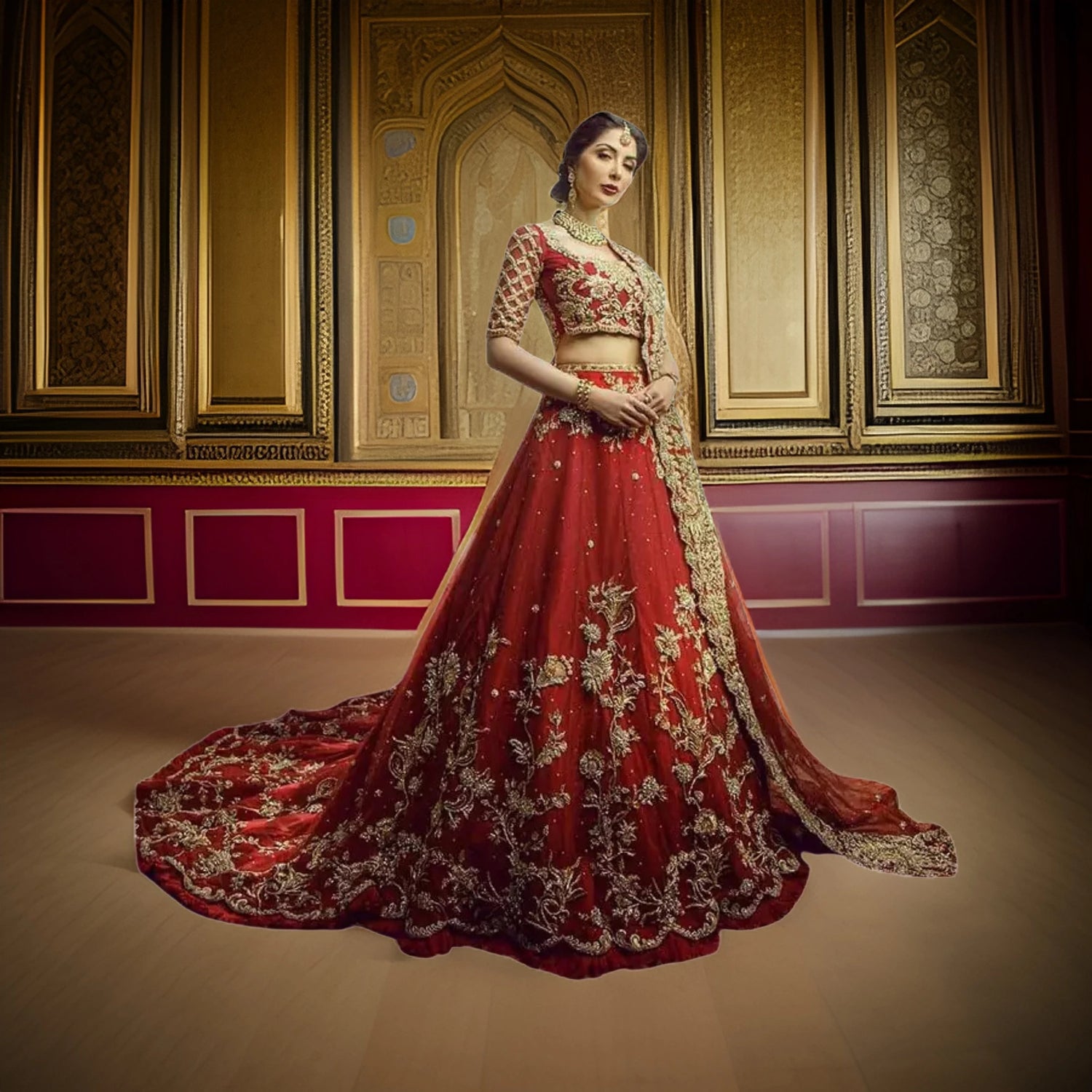
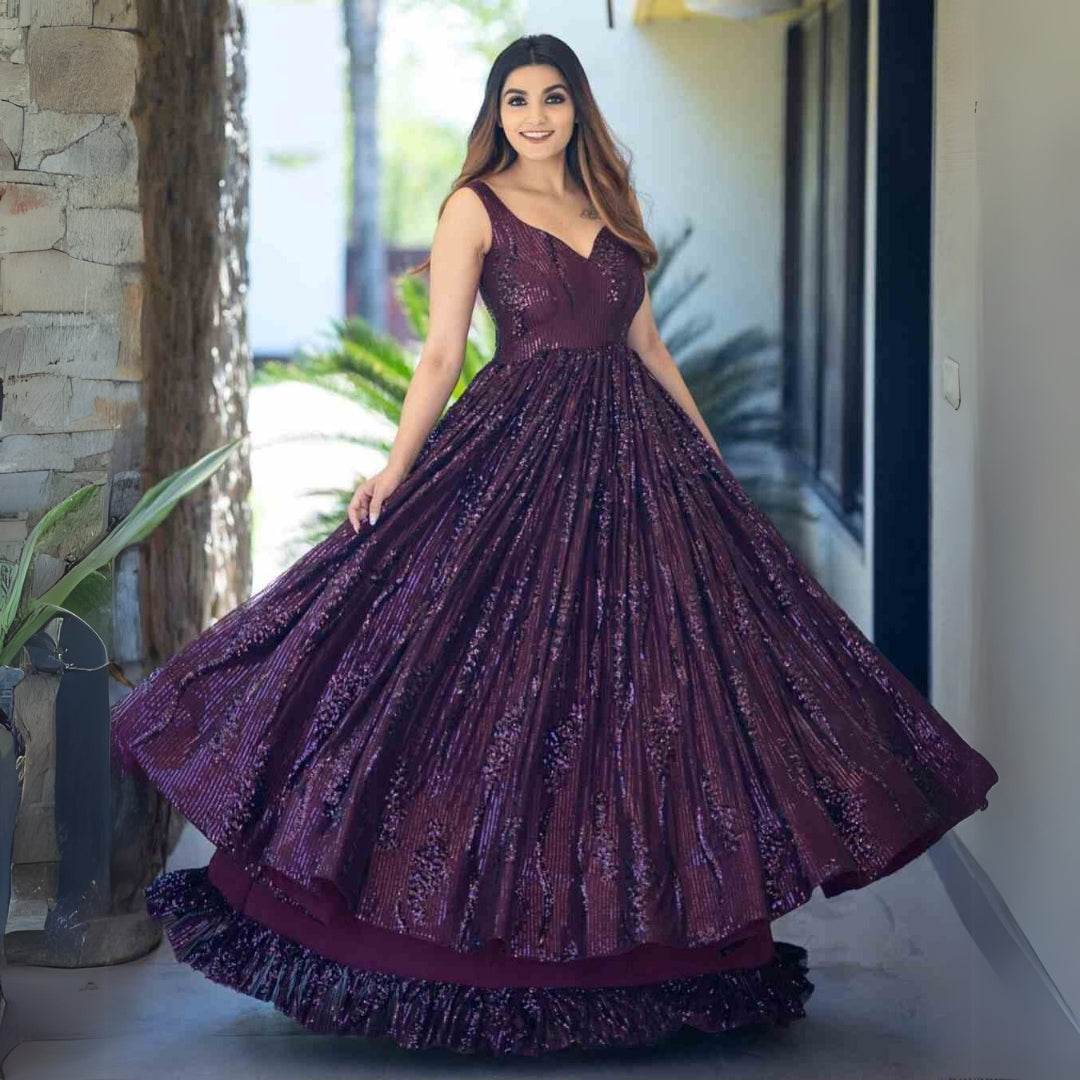
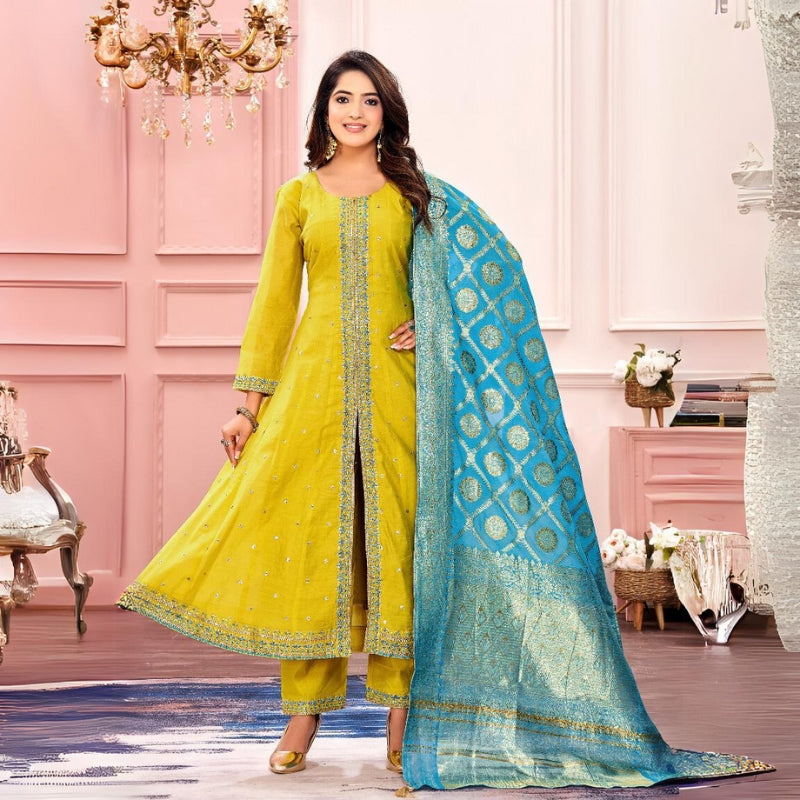
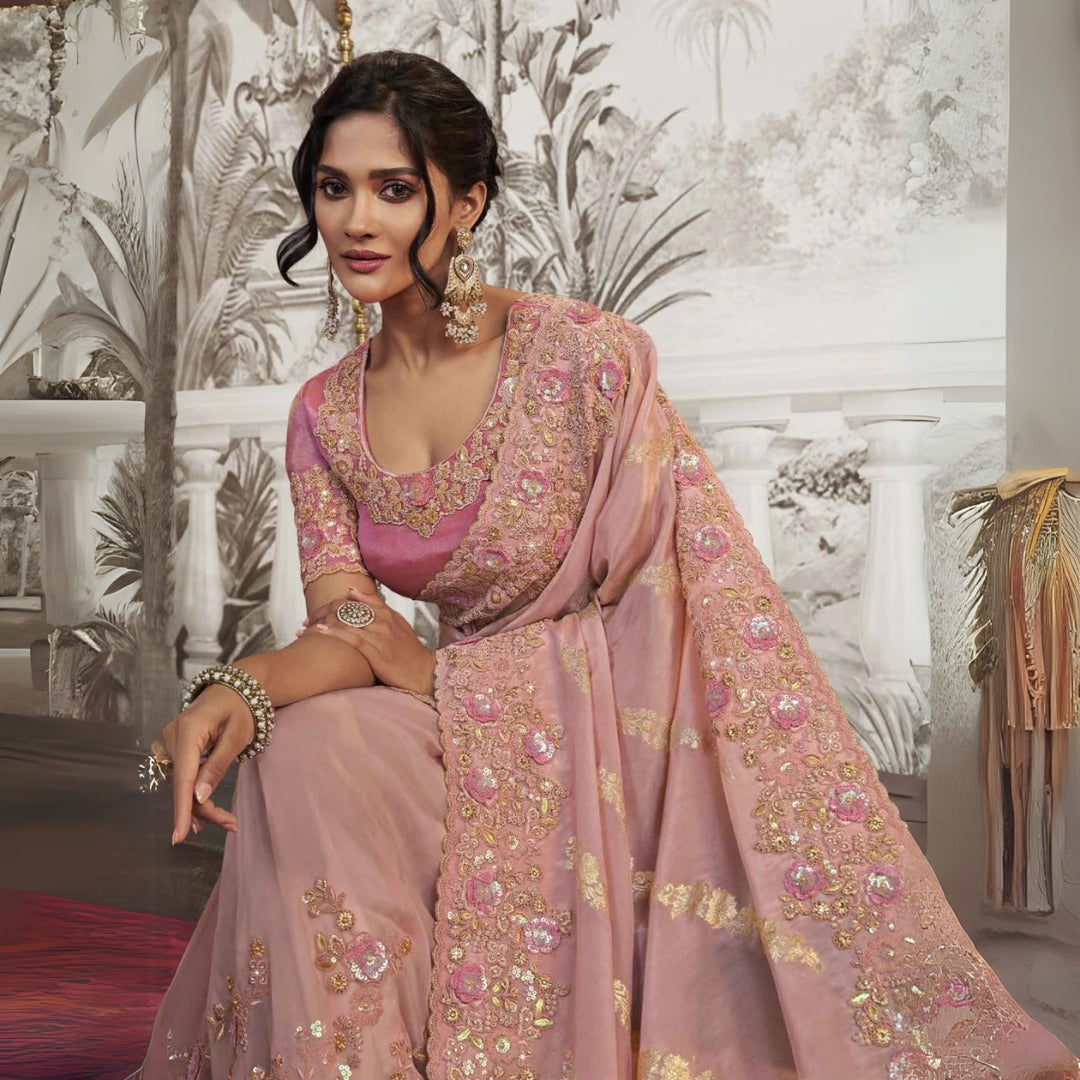
Every lehenga tells a story — of celebration, of heritage, and of the woman who wears it. For apple shaped bodies, this story is about embracing curves with confidence and choosing silhouettes that flatter the torso while creating balance. Whether you’re planning a grand wedding entry or a festive evening, mastering the art of lehenga styling can transform how you look and feel. Here, we explore the decisive question: high waist or low waist lehenga for apple shaped bodies — and how to style each option to perfection.
Understanding the Apple Shaped Body: Key Characteristics and Styling Goals
Before picking a lehenga, it helps to understand what makes the apple shape unique. Apple shaped bodies typically carry more weight around the midsection, often with a fuller bust and slimmer hips and legs. The styling goal is simple yet powerful: create a balanced silhouette by elongating the torso, minimizing the midsection, and drawing attention to the legs and neckline.
Apple Shape Styling Objectives
- Lengthen the upper body and create vertical lines.
- Define the natural waist or create a visual waistline.
- Accentuate shoulders, collarbone, and lower body.
- Choose fabrics and cuts that skim rather than cling to the midriff.
High Waist Lehenga for Apple Shaped Bodies: Why It Works
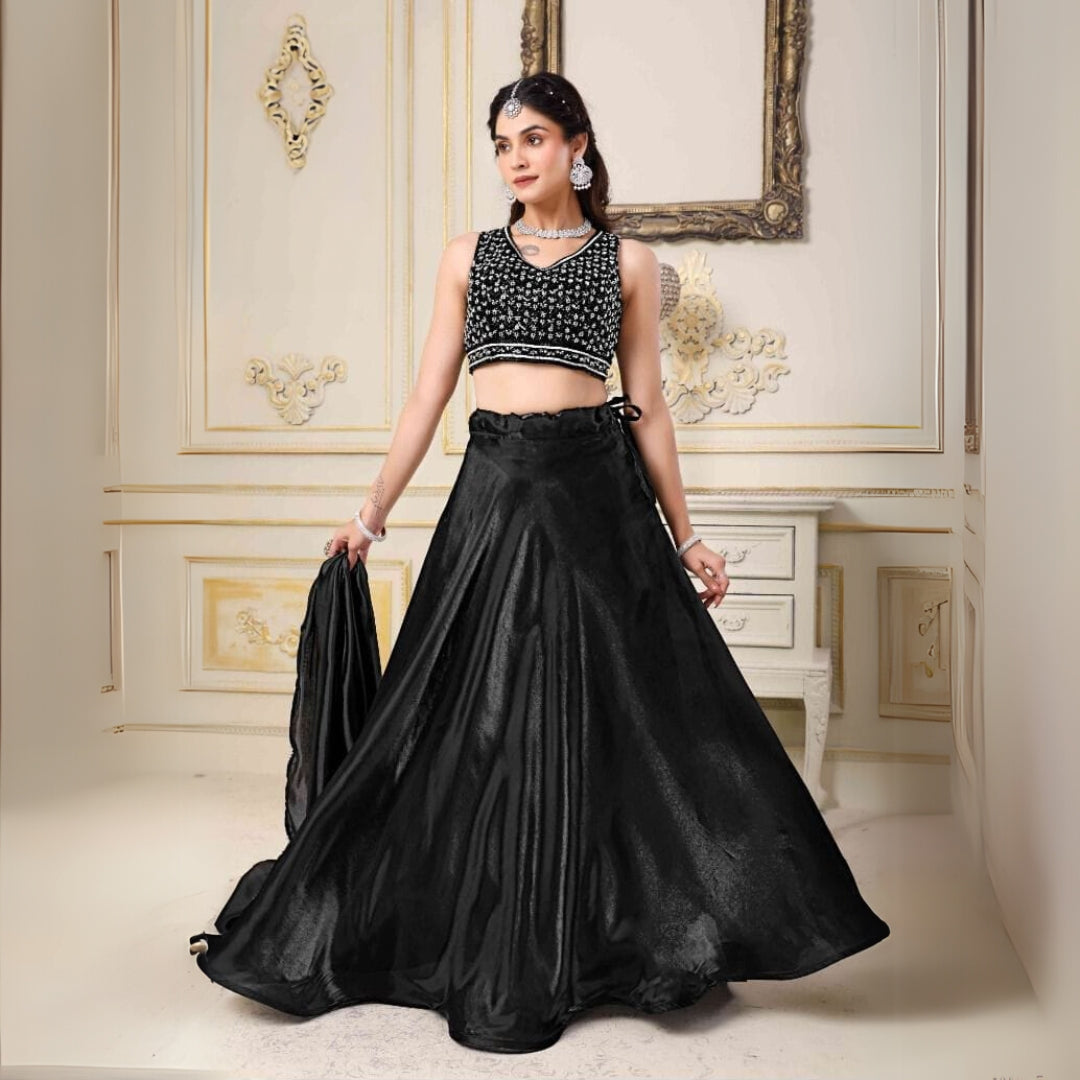
High waist lehengas sit above the natural waistline, often just under the bust, creating a higher waist illusion. For apple shaped bodies, this approach can be transformational.
Benefits of High Waist Lehengas
- Creates an elongated torso: Placing the skirt higher visually lengthens the legs and shortens the torso, lending a more balanced proportion.
- Defines an elevated waistline: The high waist creates a new focal point that diverts attention from the midriff.
- Works beautifully with cropped or longline blouses: It pairs well with structured cholis that support the bust and add definition.
- Offers versatile drape options: Dupattas can be draped across the shoulders or diagonally to enhance vertical lines.
How to Style a High Waist Lehenga for Maximum Flattery
- Choose a fitted longline blouse or an empire cut choli to support the bust and create shape.
- Opt for flowy A-line or slightly flared skirts that skim the hips without clinging.
- Use vertical embellishments or piping to draw the eye up and down.
- Drape the dupatta over one shoulder or in a sleek sash style to create a continuous vertical line.
- Consider a single statement necklace or elongated earrings to draw attention upward to the neckline.
Low Waist Lehenga for Apple Shaped Bodies: When It Can Shine
Low waist lehengas sit at or below the natural waist. Traditionally popular, they can still work for apple shaped figures with intelligent styling and the right structure.
Advantages and Challenges of Low Waist Lehengas
- Can highlight hips and create hip definition: For apple shapes with naturally defined hips, low waist can enhance that curve.
- Risk of emphasizing the midsection: If the midriff is fuller, a low waist can draw attention to the torso unless counterbalanced.
- Requires careful fabric choices and supportive blouses: Structured fabric and a tailored choli can prevent the silhouette from looking heavy or shapeless.
Styling Tips to Make Low Waist Lehengas Flattering
- Pair with a longer jacket or cape that finishes at the hip to conceal and create a streamlined effect.
- Choose skirts with panels and controlled flare to add movement without clinging to the midriff.
- Use strategic embroidery or darker panels across the waist to minimize focal attention on the midsection.
- Accessorize with waist belts or kamarbandhs that sit slightly higher to suggest a raised waistline.
Blouse and Neckline Choices: The Secret to Balance
The blouse is the silent hero of lehenga styling. The right necklines and sleeve lengths can draw the eye up, balance proportions, and add elegance.
Necklines That Flatter Apple Shapes
- V-neck and sweetheart necklines create a vertical line and elongate the torso.
- Scoop necks and boat necks broaden the shoulder line, adding balance.
- High necks with embellishment can be used when paired with longline silhouettes to avoid visual bulk.
Sleeve and Structure Tips
- Three-quarter sleeves or cap sleeves add subtle definition to the arms without overwhelming the frame.
- Structured blouses with seaming, darts, and light boning provide support and create a tailored look.
- Longline cholis that extend below the bust can create a flattering empire waist effect, ideal for high waist lehengas.
Fabrics, Embellishments and Colors: Choosing What Flatters
Fabric choice changes everything. The wrong fabric can accentuate areas you want to minimize, while the right one will skim and flatter.
Best Fabrics for Apple Shaped Lehengas
- Silk blends and crepes that drape smoothly without clinging.
- Organza and georgette for flowy movement and graceful fall.
- Velvet with structured tailoring for cooler seasons, used strategically on skirts or jackets.
Embellishment Strategies
- Vertical motifs and linear embroidery lengthen the silhouette.
- Concentrate heavier embellishment on the skirt hem rather than the midriff.
- Use darker tones or subtle prints around the waist to minimize focus on the tummy area.
Dupatta Drapes, Jackets and Layering: Smart Styling Moves
Layering is your best styling ally. The way you drape a dupatta or add a jacket can change proportions instantly.
Dupatta Draping Tricks
- Drape the dupatta across one shoulder and let it fall vertically to elongate the frame.
- Wear a lightweight dupatta as a long stole layered over the shoulders for soft coverage.
- A diagonal belt-style drape across the torso creates movement and redirects attention away from the midriff.
Jackets, Capes and Overlays
- Structured long jackets that end at the hip create a slimming column effect.
- Sheer capes with vertical embellishment add drama without bulk.
- Open-front overlays create a center vertical line and draw the eye upward.
Accessories, Footwear and Hairstyles: Finishing Flairs That Elevate
A few thoughtful accessories amplify the silhouette adjustments made by the lehenga.
Accessory Guidelines
- Choose long, dangling earrings and single-statement necklaces to elongate the neck.
- A kamarbandh placed slightly above the natural waist can redefine the waistline.
- Carry a clutch or potli in a vertical orientation to maintain vertical visual flow.
Footwear and Hair
- Heels add length to the legs; choose comfortable wedges or block heels for long events.
- Soft waves or updos that expose the neck and collarbone amplify a vertical impression.
Tailoring and Fit: Invest in Precision
Nothing beats a perfectly tailored lehenga. For apple shaped bodies, tailoring is not a luxury — it’s essential.
Key Tailoring Tips
- Insist on darts, seaming, and light boning in the blouse for structure.
- Ensure the skirt sits where you intend—whether high waist or low waist—and that the waistband is comfortable yet supportive.
- Request an adjustable waistband or hidden elastic for comfort during long celebrations.
Real-Life Styling Scenarios: Choosing High Waist or Low Waist
Imagine two brides entering a wedding hall. One selects a high waist lehenga with a longline embellished choli and a diagonally draped dupatta. Her silhouette appears elongated, the focus is on her radiant face, and every photo captures her confident poise. The other bride opts for a low waist lehenga with a structured jacket that falls to her hips. The jacket’s vertical embroidery creates a column effect and her ensemble looks equally majestic. Both choices work because the styling addresses proportion and balance.
This is the power of strategic styling: the same body type can shine in either high waist or low waist lehengas if the supporting elements — blouse structure, fabric, drape, and tailoring — align with the styling goals.
Shopping Checklist: What to Ask and Try
- Ask where the waistline sits on the sample. Try both high and low options to compare visual lengthening.
- Test different dupatta drapes and accessories during fittings — photos can reveal what your eyes miss.
- Request fabric samples if you’re ordering custom. Drapability matters more than sparkle.
- Always schedule multiple fittings to perfect the final silhouette.
Conclusion: Elevate Your Look with Confident Choices
Choosing between a high waist and low waist lehenga is less about rules and more about intention. For apple shaped bodies, high waist lehengas often offer an instant advantage by elongating the legs and creating a lifted waistline. Low waist lehengas can also look stunning when paired with structured tops, strategic layering, and tailored fits. The secret lies in balance: use vertical lines, supportive blouses, flowy fabrics, and thoughtful draping to craft a silhouette that feels both elegant and empowering.
At Shreekama, we create lehengas that honor your individuality and celebrate your silhouette. Explore designs crafted with meticulous tailoring, luxurious fabrics, and styling details that flatter every curve.
Ready to transform your bridal or festive look? Discover our curated lehenga collection and find the perfect high waist or low waist ensemble that celebrates your shape and your story.
Explore the exclusive Shreekama lehenga collection
FAQ — High Waist Lehenga Questions Answered
What is the main difference between high waist and low waist lehengas?
High waist lehengas sit above the natural waist, often under the bust, creating the illusion of longer legs and a shorter torso. Low waist lehengas sit at or below the natural waist, emphasizing the hips. The difference affects proportion and visual balance.
Are high waist lehengas good for apple shaped bodies?
Yes. High waist lehengas typically flatter apple shaped bodies by elevating the waistline, elongating the lower body, and diverting attention from the midsection. Pair them with longline or empire cut blouses for best results.
Can apple shaped women wear low waist lehengas?
Absolutely. Low waist lehengas can work when combined with structured tops, jackets, or overlays that create vertical lines and suggest a raised waist. Choose supportive fabrics and tailored fits to avoid emphasizing the midriff.
What blouse styles are most flattering for apple shaped bodies?
V-neck, sweetheart, and boat neck blouses create vertical interest and broaden the shoulder line. Longline cholis and structured blouses with light boning help define the bust and provide support.
How should I drape my dupatta to flatter an apple shape?
Drape the dupatta across one shoulder, or wear it as a long vertical stole to create length. Diagonal drapes and dupattas used as sashes can redirect focus away from the midsection.
Which fabrics should apple shaped women avoid?
Avoid clingy fabrics that emphasize the tummy area, such as lightweight lycra blends and very thin silks without structure. Opt for fabrics with body and good drape like georgette, crepe, silk blends, or layered organza.
Is tailoring important for lehenga fit?
Yes. Tailoring is essential. Proper seaming, darts, and perfectly placed waistbands create a silhouette that flatters the apple shape and ensures comfort during long events.
Can accessories help define the waist?
Yes. Kamarbandhs or slim waist belts placed slightly above the natural waist can visually redefine the waistline. Long necklaces and vertical earrings also help by drawing the eye upward.