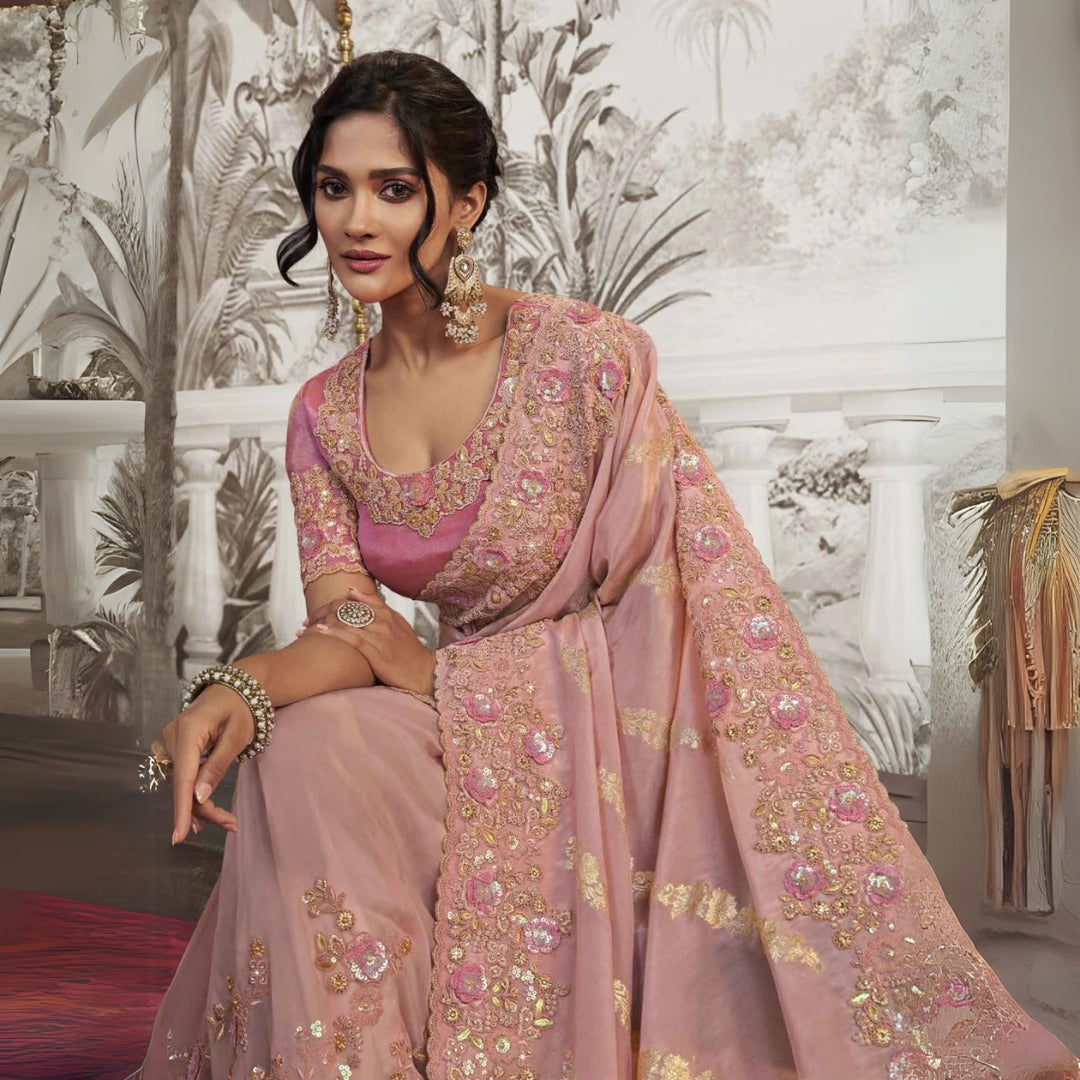
Every bride dreams of that one breathtaking moment — the instant her jewellery catches the light and everyone inhales. Choosing between Kundan and Polki bridal jewellery is not just a decision about sparkle; it’s a choice about legacy, persona, and how you want to be remembered on your wedding day. Whether you long for royal opulence or raw, antique charm, understanding the subtle artistry behind Kundan and Polki will help you select a set that complements your heart, your lehenga, and your story.
Understanding Kundan and Polki
What is Kundan?
Kundan is an ancient Indian jewellery technique where high-polish glass, semi-precious or precious stones are set into a pure gold foil base. The hallmark of Kundan is its intricate gold craftsmanship and the use of a foil called kundan (literally meaning pure gold). This creates pieces that look ultra-luxurious and regal — think ornate choker necklaces, layered rani haars, and heavy mathapatis that capture royal grandeur.
What is Polki?
Polki uses uncut, natural diamonds — often called raw or old-mine diamonds — set into gold with minimal faceting. The charm of Polki lies in its organic sparkle and slightly irregular forms that give each stone unique character. Polki jewellery often reads as antique and authentic, offering understated brilliance rather than the mirror-like flash of modern cut diamonds.
Origins and cultural significance
Both techniques trace their roots to royal courts and traditional craftsmanship. Kundan gained prominence in palaces where goldsmiths created elaborate sets for queens, while Polki was treasured for its raw, natural beauty. Today, both are deeply woven into bridal traditions, symbolizing opulence, family heritage, and cultural identity.
Visual and Material Differences
Stone quality and cut
- Kundan: Uses polished glass, precious/semi-precious stones or synthetic stones. The focus is on color and ornate design rather than raw diamond brilliance.
- Polki: Uses uncut natural diamonds with a soft, warm glow. Polki’s light is gentler, offering a vintage gleam that flatters traditional bridal looks.
Setting techniques
- Kundan: Stones are mounted with a gold foil backing. The foil reflects light and provides an intensely bright, rich look. Kundan settings often incorporate meenakari (enamel work) on the reverse for added color and craftsmanship.
- Polki: Stones are set in close bezels or with minimal gold around the edges, exposing more of the diamond for natural sparkle. Settings are typically simpler, letting the stone’s raw beauty shine.
Color, shine, and finish
Kundan pieces often boast vibrant enamel work and bold color contrasts — perfect for brides aiming for dramatic, royal visuals. Polki delivers an elegant, antique aesthetic with softer luminosity that photographs beautifully in warm light. Your choice affects not only sparkle but the overall mood of your bridal ensemble.
Styling for Different Bridal Looks
Classic royal bride
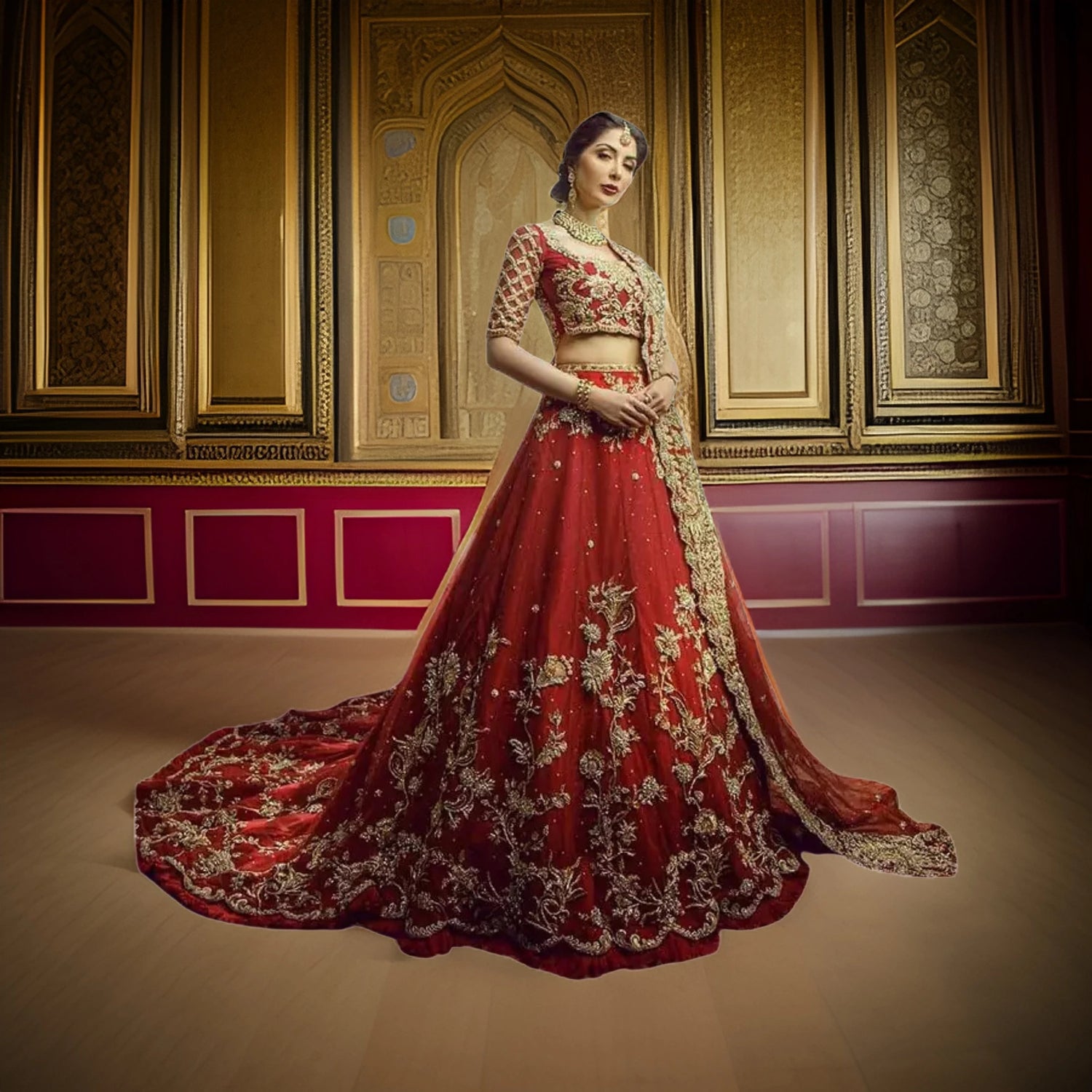
If you envision a king-and-queen moment, Kundan’s elaborate designs and high-shine finish create a majestic frame around your face. Heavy Kundan chokers, layered rani haars, and statement maang tikkas pair flawlessly with richly embroidered lehengas, creating that cinematic, palatial aura.
Vintage or heirloom bride
Polki is the quintessential choice for brides who want an heirloom vibe. Its antique sparkle complements muted, vintage palettes — dusty rose, ivory, deep maroon — and works beautifully with simple silhouettes that let the jewellery tell the story.
Modern minimalist bride
Contemporary brides who prefer clean lines and subtle drama can opt for delicate Polki sets or pared-down Kundan pieces. A slim Polki choker with matching studs or a minimalist Kundan tikka can make a striking impact without overwhelming a modern bridal look.
Fusion and destination weddings
For fusion weddings or destination brides, mix and match: pair a Polki necklace with Kundan earrings or vice versa. This creates an eclectic, personalized aesthetic that bridges tradition and trend. Lighter Kundan pieces with vibrant meenakari are ideal for outdoor and beach ceremonies where the colors pop against natural backdrops.
Comfort, Weight, and Practicality
Wearing duration and comfort
Heavier Kundan sets are typically bulkier due to layered gold and foil settings. If you plan long ceremonies and multiple events, consider lighter options or break the set into wearable combos. Polki, while often lighter in stone density, can still be substantial if multiple diamonds are used. Think about how long you'll wear the pieces and choose accordingly.
Maintenance and care
- Kundan: Sensitive to water, moisture, and perfumes due to gold foil and enamel. Avoid exposure to liquids and store in dry, soft-lined boxes. Professional cleaning is recommended for deep care.
- Polki: More durable due to natural diamonds but still requires gentle cleaning. Use soft brushes and avoid harsh chemicals. Polki pieces can often be re-set by skilled jewellers if stones loosen with time.
Budget and Investment Value
Price ranges and factors
Several factors influence cost: the metal purity, craftsmanship, stone quality, and brand prestige. Kundan may be more affordable when using semi-precious stones or glass, but high-end Kundan with precious stones and premium enamel can be costly. Polki prices tend to be higher when natural diamonds are used, reflecting intrinsic stone value.
Resale and heirloom value
Polki often holds stronger resale and heirloom value because of its diamond content. Kundan’s value is anchored in craftsmanship and design; certain signature artisan pieces can appreciate, especially if they’re rare or associated with a renowned house. Both can be meaningful investments when cared for and stored as family heirlooms.
How to Choose: Decision Guide
Quick assessment questions
- Do you want royal opulence or antique subtlety?
- How long will you wear the set on the wedding day and related events?
- Will you reuse these pieces for other ceremonies or as heirlooms?
- What is your comfort preference in weight and fit?
- Does your bridal look favor color-rich contrasts or understated elegance?
Simple selection formula
If you want bold, palace-worthy splendour and dramatic color: choose Kundan. If you prefer natural diamond glow and timeless heirloom appeal: choose Polki. For brides who love both, curated mixing—like a Polki necklace with Kundan enamel earrings—creates a bespoke, high-impact ensemble.
Authenticity and Quality Checks
How to verify Kundan craftsmanship
- Inspect the back for meenakari enamel — authentic Kundan often features colorful hand-painted reverses.
- Check for finely applied gold foil around stones; sloppy foiling suggests lower-quality work.
- Seek certified artisanal marks or trusted brand guarantees for craftsmanship assurances.
How to verify genuine Polki
- Ask for certification or stone reports where possible — though many Polki diamonds are valued for raw authenticity, trusted dealers provide provenance.
- Examine the stone’s surface: slight irregularities and a warm glow indicate Polki authenticity versus flawless machine-cut diamonds.
- Confirm setting sturdiness; uncut diamonds require skilled bezeling to stay secure.
Care Tips to Preserve Your Bridal Investment
- Store pieces separately in soft pouches to avoid scratches and enamel chips.
- Avoid direct contact with perfumes, lotions, and hair sprays during wear.
- Clean gently with a soft dry cloth; for professional cleaning, consult experienced restorers familiar with Kundan and Polki techniques.
- For Kundan, never immerse in water — moisture weakens the foil and enamel.
- Periodically check settings and clasps; re-tension or re-set stones with a trusted jeweller if needed.
Real Brides, Real Stories
Imagine Meera, who wanted to honor her grandmother’s aesthetic but also reflect her modern taste. She chose a lightweight Polki necklace passed down and paired it with Kundan jhumkas for a contemporary-meets-heritage look that made her feel seen and celebrated. Or picture Ananya, who dreamed of a royal entrance; she selected a heavy Kundan rani haar with meenakari accents that turned every photograph into a portrait of majesty. Their choices show that jewellery is deeply personal — it’s about feeling powerful, graceful, and aligned with your story.
People Also Ask — Quick Answers
Which is heavier: Kundan or Polki?
Kundan is often heavier due to layered gold foil and elaborate designs, but Polki can also be substantial depending on diamond size and quantity.
Is Polki better for an heirloom piece?
Yes, Polki’s use of natural diamonds typically gives it stronger long-term value and heirloom appeal.
Can Kundan be worn for multiple events?
Absolutely. Lighter Kundan pieces can be versatile for multiple wedding events; heavier sets may be best for the main ceremony.
Final Verdict — Which Should You Choose?
There’s no single right answer — only the piece that resonates with your vision. Choose Kundan if you crave ornate, colorful, royal statements that steal the spotlight. Choose Polki if you prefer timeless authenticity and a softer, antique glow that feels like an inherited secret. If indecision lingers, mix thoughtfully: pairing the best of both crafts often yields a signature bridal expression that is uniquely yours.
FAQ — Kundan Bridal Jewelry Set
What makes a Kundan bridal jewelry set unique?
Kundan stands out for its meticulous gold-foil settings, elaborate designs, and often vivid meenakari enamel work on the pieces’ reverse. These elements create a regal, handcrafted finish that reads as luxurious and traditional.
Can Kundan jewellery be customized for a specific bridal color palette?
Yes. Many artisans incorporate meenakari or colored stones into Kundan sets to match lehenga fabrics, dupattas, and wedding themes, making customization ideal for brides seeking coordinated looks.
Is Kundan safe to wear for long wedding ceremonies?
Kundan can be heavier than other jewellery types, so select lighter designs or modular sets for long wear. Ensure secure fittings and consider alternating pieces between ceremonies to stay comfortable while maintaining a show-stopping presence.
How do I clean and store Kundan safely?
Wipe gently with a soft, dry cloth after use. Avoid water, steam, and chemical cleaners, as the gold foil and enamel can be sensitive. Store in a dry, padded box away from humidity, and place anti-tarnish strips if the box tends to retain moisture.
Can Kundan be resized or altered later?
Minor alterations like clasp adjustments or chain length changes are possible, but extensive resizing may be complex due to intricate settings. Work with a skilled artisan familiar with Kundan techniques for safe modifications.
Is Kundan a good investment for brides on a budget?
Kundan offers a wide price spectrum. Brides on a budget can find lightweight or semi-precious stone Kundan pieces that provide regal aesthetics without high diamond costs. For investment value, carefully curated high-craft pieces from reputable houses have better resale potential.
How do I choose between Kundan and Polki for my bridal look?
Reflect on your wedding’s tone: choose Kundan for bold, colorful royalty; choose Polki for understated, heirloom elegance. Also factor in weight comfort, maintenance willingness, and how often you envision reusing the set.
Ready to Make Your Choice?
At Shreekama, we understand that your bridal jewellery carries emotion, heritage, and the promise of unforgettable moments. Explore a curated selection of exquisite Kundan sets crafted by master artisans — each piece designed to frame your smile and become a part of your family’s story. Transform your wedding look with a piece that sings to your soul.
Discover our exclusive Kundan collection and choose the bridal jewellery set that will make your entrance unforgettable: https://www.shreekama.com/collections/kundan