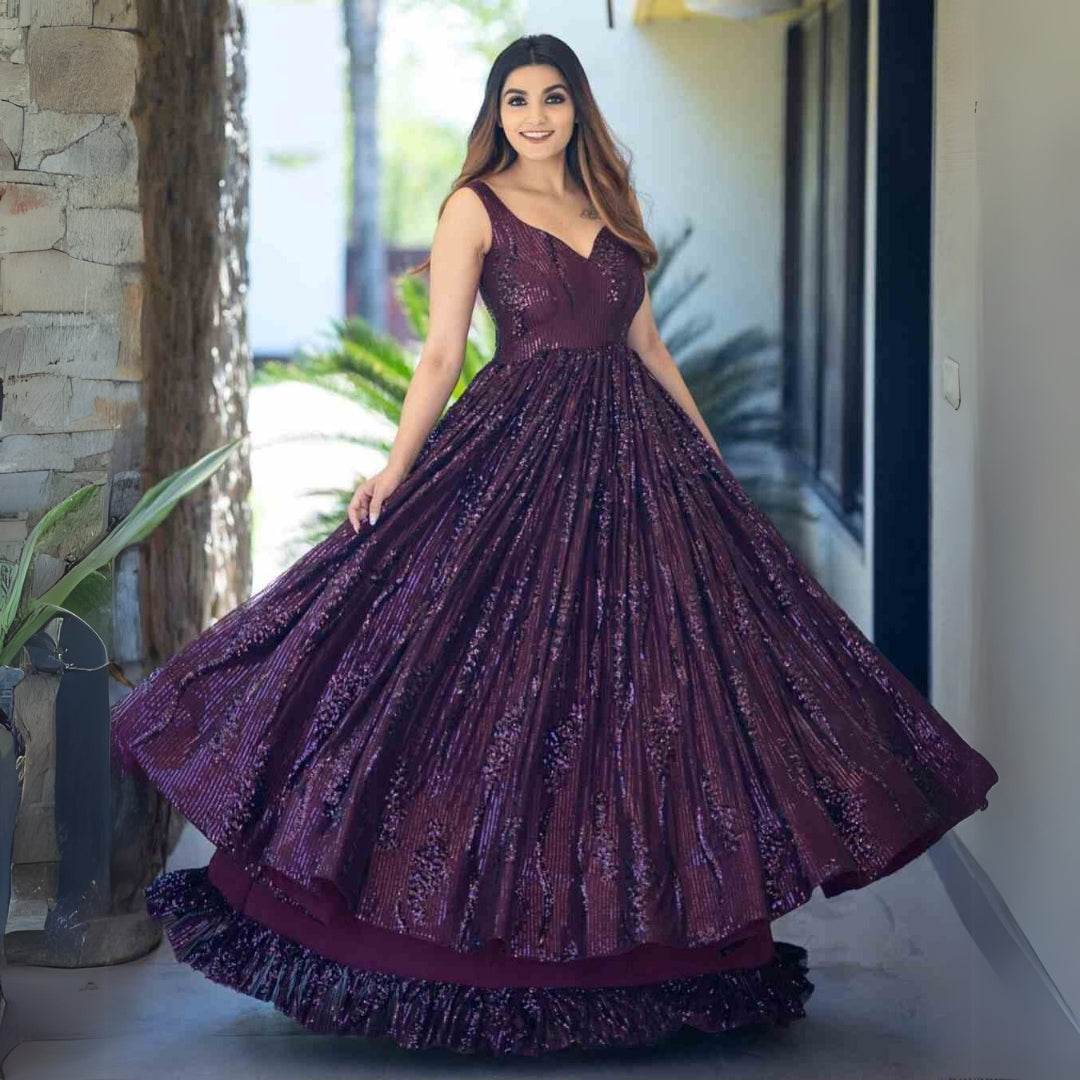
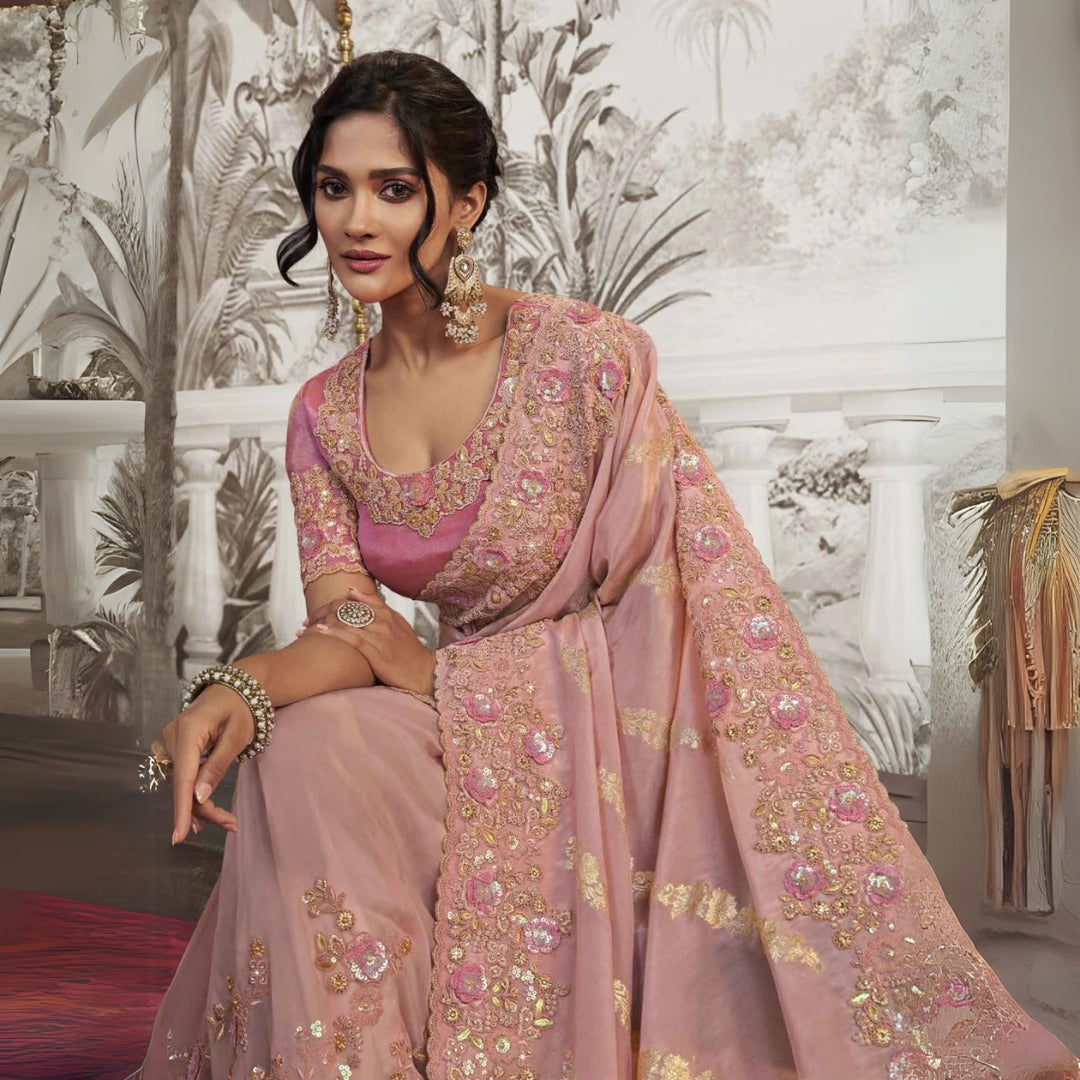
There’s a special thrill when you drape a pleated saree and feel those perfect, crisp folds fall into place. Pleats transform a saree from fabric to statement, elevating your poise and presence. Yet keeping those pleats razor-sharp—whether you’ve just come from a boutique or are restoring a beloved heirloom—can feel like a delicate ritual. At Shreekama, we believe every saree tells a story. This guide holds the gentle, practical wisdom you need to iron pleated sarees and preserve those folds so your saree looks flawless, event after event.
Why pleats matter: The emotional and aesthetic power of sharp folds
Pleats do more than create structure. They sculpt movement, catch light, and articulate the personality of the wearer. A well-pressed pleat conveys meticulous care and elevates your entire look—making you feel confident, polished, and unforgettable. Conversely, soft or flattened pleats can undercut even the most luxurious fabric. That’s why mastering how to iron pleated sarees is a must for anyone who loves sari dressing.
Quick answer: How to iron pleated sarees to maintain sharp folds
Use a clean, well-heated iron on the appropriate setting for your fabric, press pleats one at a time with a pressing cloth or low-heat steam for delicate fabrics, secure pleats with pins or clips while cooling, and store the saree with pleats intact in a breathable cover. For chiffon and georgette, prefer steam and avoid direct high heat. For silk and cotton, use medium heat and finish with steam or a cool press.
Tools and supplies: What you need before you begin
- Iron with adjustable temperature and steam function
- Clean cotton pressing cloth or muslin
- Spray bottle with distilled water (for stubborn creases)
- Fine, rust-free pins or fabric clips
- Flat surface with a heatproof ironing board or wooden table covered with a thick towel
- Soft brushes or lint roller to remove dust
- Silk paper or tissue for extra protection on very delicate embroideries
Fabric-by-fabric guide: Ironing pleated sarees the right way
Silk sarees: Preserve sheen and sharpness
Silk loves controlled heat. Set the iron to medium heat or the silk setting and always use a pressing cloth to protect the fabric’s sheen. Press quickly and gently—don’t slide the iron over the pleat. Hold the iron and lift to the next pleat. After pressing, cool the pleat under a paperweight or with pins to lock its shape.
Chiffon and georgette sarees: Steam is your best ally
Lightweight fabrics like chiffon and georgette can’t tolerate direct high heat. Use the iron’s steam function or a handheld steamer, keeping the iron slightly above the fabric and allowing the steam to relax the fibers. To define each pleat, hold it taut with one hand while steaming from the top, then press briefly with a cloth if needed. Let the pleats cool before releasing.
Cotton and linen sarees: Stronger press for durable folds
Natural fibres like cotton and linen respond well to higher heat and steam. Use a higher iron setting and a damp pressing cloth for crisp, lasting pleats. Iron each pleat with firm, steady pressure and allow cooling while pinned or weighted. These fabrics hold pleats well, making them ideal for structured, formal looks.
Embroidered and embellished sarees: Extra caution
When pleats include embroidery, sequins, or beads, avoid direct ironing on embellishments. Instead, press from the reverse side with multiple layers of cloth or use silk tissue between the iron and fabric. If embellishments cover the pleats fully, steam from a distance and let the pleats set under weight rather than direct heat.
Step-by-step: How to iron pleated sarees for long-lasting sharp folds
- Clean and dust: Remove dust and lint. A clean fabric irons better and shines longer.
- Set the right temperature: Match the iron setting to the fabric. When in doubt, start low and increase heat gradually.
- Secure the pleats: Neatly fold or pin pleats in place on a flat surface. Use small, rust-free pins or fabric clips at the top edge near the pallu or waist to hold pleats aligned.
- Protect with a pressing cloth: Lay a thin cotton cloth over the pleated area to protect the saree from direct heat.
- Press don’t slide: Press the iron vertically on each section for a few seconds rather than moving it back and forth, which can smear and distort pleats.
- Steam and cool: Use steam for a final burst to relax fibres, then keep pleats pinned until they’re completely cool to lock the fold.
- Store properly: Hang the saree with pleats secured, or fold along the pleat lines and store in breathable cotton or muslin bags to prevent moisture and maintain shape.
Common mistakes and how to avoid them
- Avoid ironing over metallic threads and sequins—use reverse pressing or steam.
- Never iron a stained saree; heat can set stains. Clean before pressing.
- Don’t overload the iron plate with lint or residue—keep the soleplate clean for smooth gliding.
- Avoid high heat on synthetic blends unless the fabric specifically allows it—melting can ruin pleats.
- Don’t rush cooling time: removing pins or clips too soon will cause pleats to relax.
Professional tips for wedding and partywear sarees
Partywear sarees often feature delicate craftsmanship. For these cherished pieces, consider a professional press if you’re uncertain. If you prefer at-home care, use the gentlest methods: steam first, press with multiple layers of cloth, and allow maximum cooling time. For silk-heavy bridal sarees, take extra care around zari (metallic thread); press on the reverse with tissue paper between layers.
Storage secrets: Keep pleats pristine between wears
Storage makes or breaks pleat longevity. After ironing:
- Fold along the pleat lines: Align pleats and fold the saree along those lines to avoid new creases.
- Use muslin or cotton saree bags: Breathability prevents mustiness and helps maintain crispness.
- Avoid hanging delicate pleats on narrow hooks: Use wide, padded hangers or bundle pleats gently and store flat.
- Re-press lightly before important events: A quick steam and press before wearing revives pleats beautifully.
Quick fixes for on-the-go pleat emergencies
Every saree lover has faced last-minute pleat mishaps. Here are fast, reliable solutions:
- Steam and shake: Hang the saree, steam lightly, and smooth the pleats with your hands, then pin and cool.
- Portable iron trick: Use a travel iron on low with a pressing cloth for quick spot pressing.
- Weight and time: If you can’t iron, pin pleats and place a flat weight on them for 30–60 minutes to set temporarily.
- Hair straightener for tiny areas: In a pinch, a low-heat hair straightener with a cloth can smooth small pleats—use extreme caution and very low temperature.
Preventive care: Tips to make pleats last longer
- Rotate sarees in your wardrobe so pleats aren’t constantly crushed in the same spot.
- Avoid sitting for long periods that compress the pleats; adjust your posture and reshuffle pleats after sitting.
- Use anti-humidity sachets in storage to prevent dampness that relaxes pleats.
- Consider professional steaming after every few wears to refresh pleats without risking heat damage.
How to maintain sharp pleats for heirloom sarees
Heirloom sarees carry emotion and history. Treat these with extra reverence:
- Dry-clean only if recommended by fabric experts familiar with traditional textiles.
- Use silk tissue between folds to prevent colour transfer and friction.
- Consult a conservator for heavy silk or antique sarees—professional pressing can safeguard intricate work and fabric integrity.
People Also Ask: Concise answers for quick voice-search results
How do you iron pleated sarees without ruining the pleats?
Secure pleats with pins, use a pressing cloth, press each pleat individually at the correct heat setting, apply steam, and allow pleats to cool while pinned to lock them in place.
Can you iron pleats on chiffon saree?
Yes, but avoid direct high heat. Use steam and a pressing cloth, holding the iron slightly above the fabric or using a low-heat press through a cloth.
How long do pleats stay sharp after ironing?
With proper pressing and storage, pleats can stay crisp for days to weeks. Humidity, frequent sitting, and improper storage shorten this time; re-steaming refreshes pleats quickly.
Story: A saree, a moment, and the difference of crisp pleats
Imagine the hush when you step into the room, saree pleats catching the light like fans. A bride told us she remembered how her grandmother’s perfectly pleated saree made her feel invincible. She learned the pressing ritual at dawn, surrounded by laughter and perfume—care that transformed fabric into legacy. That ritual is what we aim to protect with every tip in this guide: the confidence that comes from wearing a saree that looks as devotedly cared-for as it deserves.
Checklist: Quick reference before you iron pleated sarees
- Remove stains first
- Choose the right iron setting
- Use a clean pressing cloth
- Secure pleats before pressing
- Steam and cool while pinned
- Store in breathable fabric bags
FAQ: Common pleated saree questions for better care and voice search
How do I make my saree pleats stay without pins?
Compress pleats tightly, apply a light burst of steam, and fold or hang immediately to let them cool in position. You can also use a temporary fabric adhesive tape designed for garments or small fabric clips at the top edge.
Is it better to iron saree pleats before draping or after draping?
Ironing pleats before draping provides the most control and allows you to set precise folds. For last-minute touch-ups, lightly steam and press after draping with a cloth in between.
How do I keep pleats intact during travel?
Fold along existing pleat lines, place silk paper between folds, and store flat in a muslin bag or a suitcase compartment with minimal weight on top. Use rolling only for non-pleated sarees.
Can I use a steamer instead of an iron for pleats?
Yes, steamers are excellent for delicate fabrics and can refresh pleats without direct heat. For very structured pleats, combine steaming with a brief press through a cloth for a sharper finish.
How do you fix flattened pleats on a cotton saree?
Spray lightly with water, press on medium heat with a damp pressing cloth, secure pleats with clips, and allow to cool. Reapply if needed until the pleats stand crisp.
Final thoughts
Maintaining sharp pleats in a saree is a mindful act of preservation—one that honors the craftsmanship and the stories woven into every thread. With the right technique, tools, and patience, you can keep those folds pristine and your presence unforgettable. Whether you’re preparing a show-stopping partywear saree or safeguarding a treasured heirloom, these methods will help you protect the beauty and integrity of your sarees.
Ready to make every pleat perfect? Explore Shreekama’s exclusive collection of partywear sarees and discover pieces designed to hold a pleat as beautifully as they hold a story: https://www.shreekama.com/collections/partywear-saree