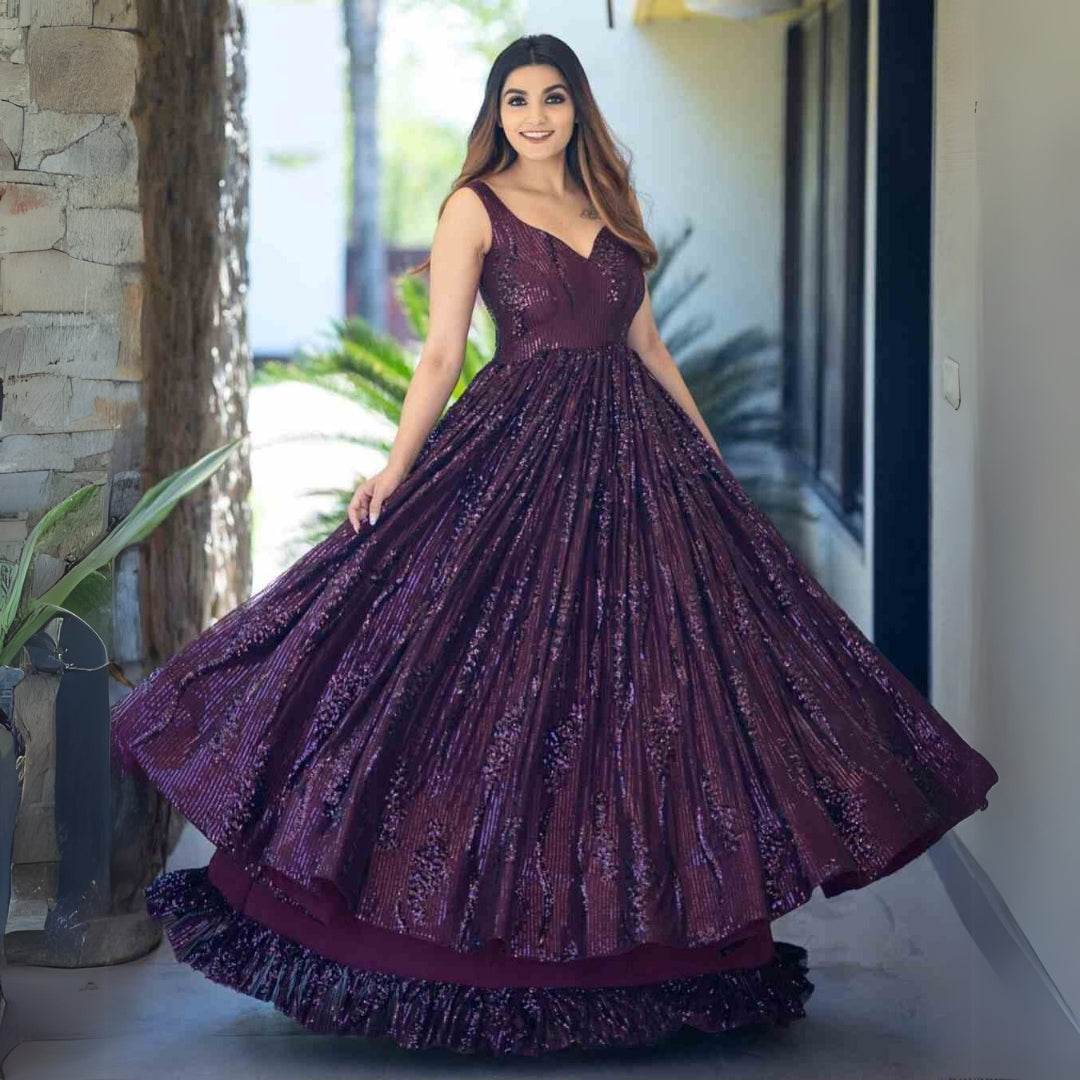
Your bridal lehenga is more than a garment — it’s a story woven in silk, zari, and love. After the whirlwind of ceremonies, photographs, and heartfelt blessings, that heavy, ornate lehenga deserves careful custodianship. Left in the wrong conditions, delicate threads darken, metallic embellishments tarnish, and rich colors fade. Protecting your bridal lehenga is about preserving memories and maintaining value. In this guide, Shreekama walks you through proven, practical, and elegant methods to store heavy bridal lehengas so they remain pristine for generations.
Why Proper Storage Matters for Heavy Bridal Lehengas
What causes tarnishing and damage?
Tarnishing, yellowing, and fabric degradation happen due to moisture, pollutants, acidic storage materials, heat, and friction. Metallic threads like zari and zardozi oxidize when exposed to air pollutants and humidity. Silk and velvet attract moisture, which can lead to mildew or color migration. Even the weight of heavy embroidery can stress seams and distort shapes when stored incorrectly.
The emotional and financial reasons to protect your lehenga
Beyond beauty, a bridal lehenga represents investments, heritage, and emotions. Whether you plan to pass it down, sell it, or treasure it as a keepsake, proper storage preserves the craftsmanship and sentimental value. Treating a lehenga as an heirloom ensures it remains a source of joy long after the wedding festivities end.
Preparation: Clean, Inspect, and Document Before Storage
Why cleaning first is non-negotiable
Never store a lehenga without a thorough cleaning. Oils from skin, food stains, and makeup residues attract insects and catalyze chemical reactions that speed tarnishing. Clean fabrics and metals before packing to reduce the risk of permanent damage.
Professional cleaning vs. careful home cleaning
- Professional cleaner: For heavily embellished lehengas, silk, antique zari, or garments with delicate sequins, choose a professional experienced in bridal textiles and traditional embroidery. They will use solvent-free methods and safe drying techniques.
- Home cleaning (spot-cleaning only): If you must do minor touch-ups at home, use a gentle, pH-neutral detergent, dab (don’t rub), and air-dry. Test any solution on an inconspicuous area first.
Inspection and documentation
After cleaning, inspect for loose threads, missing beads, tiny stains, or weak seams. Photograph the lehenga from multiple angles and note any issues. This record helps track condition over time and assists conservators if restoration is ever required.
Choose the Right Storage Materials and Containers
Use acid-free tissue paper and muslin
Wrap each layer of embroidery and metallic thread in acid-free tissue paper to prevent contact with other parts of the garment. Muslin or cotton storage bags are breathable and gentle on fabrics, preventing moisture build-up while guarding against dust.
Breathable garment bags are best
Zippered plastic covers trap moisture and accelerate tarnishing. Opt for breathable cotton garment bags that allow air circulation while keeping dust and insects at bay. For short-term transport, use padded covers; for long-term storage, stick to natural fibers.
Box selection: archival boxes over plastic
- Choose archival-quality, acid-free boxes sized to avoid crushing folds.
- Avoid wooden chests unless lined with acid-free materials, as wood resins can stain fabrics.
- Clear plastic boxes can be used for items that will be checked and aired frequently, but avoid tightly sealed options for long-term storage.
Silica gel, cedar, and moth prevention
Include silica gel packets to control humidity, and use natural cedar sachets to deter insects without the harshness of chemical mothballs. Replace silica packets periodically to maintain effectiveness.
Step-by-Step: How to Fold and Pack a Heavy Bridal Lehenga
How do I fold a heavy lehenga to avoid creases and stress points?
Direct answer: Fold along original seam lines, cushion embroidered areas with acid-free tissue, and store flat where possible to distribute weight evenly.
- Loosen and adjust: Remove detachable belts, dupattas, and any jewelry. Store them separately cushioned in tissue paper.
- Support heavy embellishments: Place small bundles of acid-free tissue under heavy embroidered motifs to prevent compression.
- Fold along seams: Gently fold the lehenga along existing seams instead of creating new creases across embroidery.
- Layering: If stacking multiple garments, interleave sheets of acid-free tissue between pieces to prevent friction and color transfer.
- Flat storage preferred: Whenever possible, store heavy lehengas flat. Use a shallow archival box to prevent the weight of the skirt from distorting the silhouette.
Packing the dupatta and blouse
Fold dupattas lightly and roll them with tissue to avoid sharp creases. Blouses with heavy work should be stuffed with acid-free tissue to support cups and stabilize embroidery, then wrapped and stored adjacent to the skirt to maintain shape.
Long-term Storage: Climate, Placement, and Care
Ideal temperature and humidity for textile preservation
Keep storage in a cool, dry place away from direct sunlight. Ideal relative humidity for textiles is moderate — not too humid to cause mildew, not too dry to make fibers brittle. Use a hygrometer to monitor conditions and silica gel or dehumidifiers in humid climates.
Avoid attic and basement pitfalls
Attics and basements are subject to temperature swings, moisture, and pests. Choose interior closets or a temperature-stable room with good air circulation. If space is limited, consider a climate-controlled storage unit.
Never hang heavy embellished lehengas long-term
Hanging heavy lehengas strains seams and can stretch the fabric. If hanging is unavoidable, use padded hangers and distribute weight by folding the waistband over the hanger or using multiple hangers with supportive cloth straps.
Periodic airing and rotation
Open your storage every 6–12 months for inspection and airing. This prevents stale odors, checks for pests, and gives you a chance to refresh silica gel or replace tissue. Handle the lehenga with clean, dry hands or cotton gloves to avoid transferring oils.
Preventing Tarnish on Zari, Zardozi, and Metal Embellishments
How to protect metallic threads and sequins
Wrap metallic sections in acid-free tissue and avoid direct contact with moisture or rubber bands, which can accelerate oxidation. Keep silver and gold-toned threads away from materials that off-gas, like certain plastics or untreated wood.
Quick remedies for early tarnish
If you notice mild tarnishing, consult a professional conservator. Home remedies risk abrasion or chemical damage. For minor surface dust, gently brush with a soft, dry brush and never use polishes or cleaners not designed for antique textiles.
Storage Solutions for Different Fabrics and Embellishments
Silk lehengas
Silk is sensitive to humidity and sunlight. Store silk horizontally in acid-free boxes, and use tissue paper between layers. Avoid perfumes and plasticizers that can stain or weaken silk fibers.
Velvet and brocade lehengas
Velvet can crush easily; store these garments flat and avoid stacking heavy items. Brocade with metallic threads benefits from tissue cushioning around the embellishments and minimal folding.
Net and lightweight layers
Delicate net layers should be sandwiched between tissue sheets to prevent snagging. Store dupattas and net overlays separately rolled or flat when possible.
Transport and Temporary Storage: Moving Your Lehenga Safely
Packing for travel or relocation
- Use a padded garment bag for short trips and avoid tightly compressing the lehenga.
- Carry intricate pieces as hand luggage during flights whenever feasible.
- For long moves, use archival boxes with cushioning at the base and top to absorb shocks.
Quick fixes if accidental exposure occurs
If your lehenga gets wet or stained during travel, air it immediately and consult a professional cleaner as soon as possible. Quick action reduces the chance of permanent discoloration or mold.
When to Seek Professional Restoration
Signs you need expert help
Seek professional restoration for severe tarnish, color bleeding, major stains, or structural damage like torn seams or broken zardozi. Conservators use controlled methods to stabilize fabrics and preserve original materials without aggressive chemicals.
Choosing the right conservator
Pick a conservator experienced in traditional Indian textiles. Ask about methods, materials used, and sample outcomes. Proper restoration can revive the lehenga while respecting its authenticity.
Conclusion
Storing a heavy bridal lehenga requires thoughtful preparation, the right materials, and ongoing care. With the correct steps — cleaning, cushioning, breathable storage, climate control, and periodic inspection — you can prevent tarnish, preserve color, and protect precious embroidery. Treat your lehenga like the heirloom it is: with patience, respect, and expert care.
Ready to find a timeless lehenga that deserves a lifetime of care? Explore Shreekama’s exclusive collection and choose a masterpiece built to last: https://www.shreekama.com/collections/lehengas
Frequently Asked Questions (FAQ)
How do I store a heavy bridal lehenga to prevent tarnishing?
Short answer: Clean the lehenga first, wrap metallic areas in acid-free tissue, store flat in an archival box in a cool, dry place, and avoid plastic covers. Regularly check humidity and air the garment every few months.
Can I hang my lehenga in a wardrobe?
Short answer: Avoid hanging heavy, heavily embroidered lehengas long-term. Hanging can stretch seams and distort shape. If necessary for short periods, use padded hangers and distribute weight evenly with cloth straps.
Is it safe to store a lehenga in a plastic box?
Short answer: Use plastic boxes only for short-term storage. For long-term preservation, choose acid-free archival boxes and natural-fiber garment bags to allow breathing and prevent moisture buildup.
How often should I check my stored lehenga?
Short answer: Inspect your lehenga every 6–12 months. Look for signs of moisture, pests, tarnish, or color migration, and refresh silica gel or tissue as needed.
What should I do if my lehenga gets a stain after the wedding?
Short answer: Act quickly — blot spills, avoid rubbing, and consult a professional textile cleaner experienced with bridal garments. Delaying treatment can make stains permanent.
Can I use mothballs to protect my lehenga from insects?
Short answer: Avoid mothballs near delicate fabrics. They contain harsh chemicals that can stain or degrade fabric. Use cedar sachets or natural repellents and ensure cleanliness before storage.
How do I prevent color transfer between layers?
Short answer: Always place acid-free tissue between layers and avoid stacking brightly colored fabrics directly against lighter ones. For long-term storage, resist stacking mixed-color garments together.
Will metallic threads tarnish even if the lehenga is stored properly?
Short answer: Proper storage drastically reduces the risk of tarnishing but does not eliminate natural aging. Controlling humidity, avoiding pollutants, and minimizing contact between metallic sections and reactive materials are essential preventative steps.
Have more questions or need personalized guidance on preserving your bridal lehenga? Contact Shreekama’s experts or explore our curated lehenga collection for heirloom-worthy designs: https://www.shreekama.com/collections/lehengas