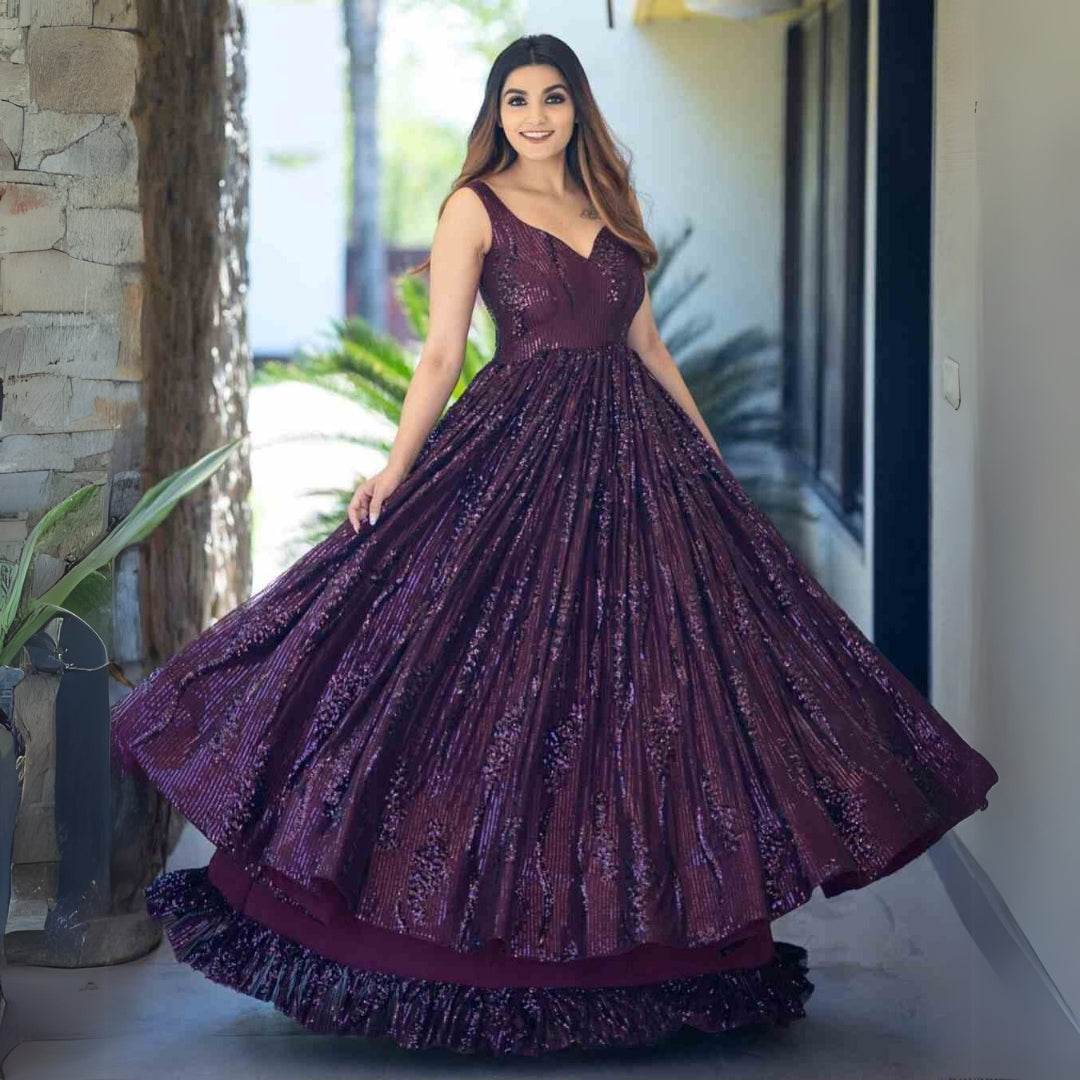
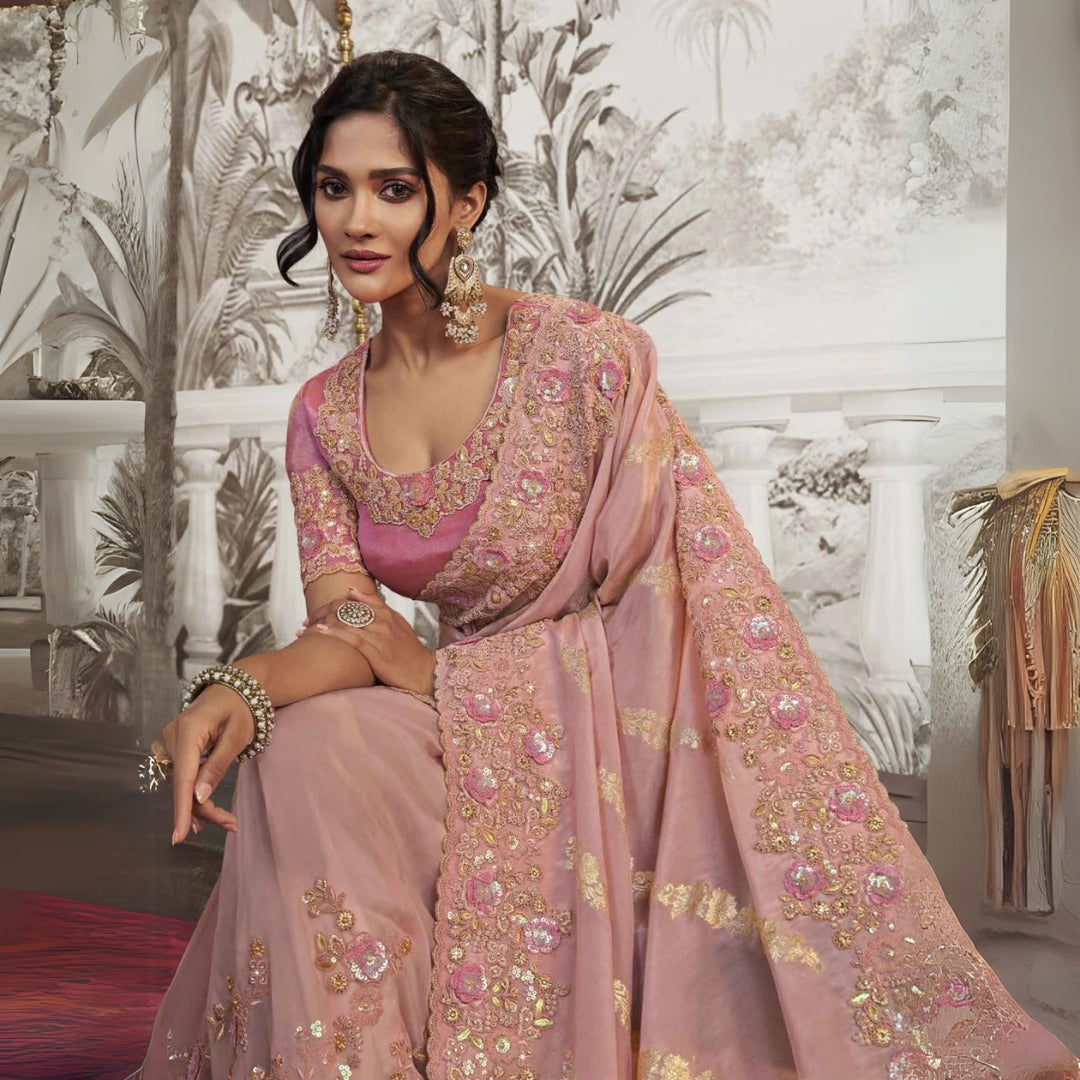
There are moments in a bride's life when every detail must feel effortless: the first look, the walk down the aisle, the moment loved ones gasp at the reveal. A heavy dupatta slipping at that instant can turn magic into misery. At Shreekama, we believe in crafting experiences that feel luxurious and fearless. This guide will teach you how to pin a heavy dupatta on your head without it slipping — with poise, precision, and respect for your exquisite fabric.
Quick answer: How to pin a heavy dupatta on your head without it slipping
Use fabric-friendly anti-slip products, anchor the dupatta to your hair with a secure base, create multiple discreet pin points, and distribute weight evenly using small pleats or a lightweight inner cap. Short steps: prep your hair, set a non-slip base, fold or pleat the dupatta strategically, use sturdy pins and safety techniques, and finish with hair spray or small bead grips for extra hold.
Why heavy dupatta pinning matters
Beyond aesthetics, secure pinning protects your investment—an heirloom dupatta crafted with intricate embroidery, heavy sequins, or delicate zari. A well-pinned dupatta adds confidence and comfort. It keeps your hands free for rituals, photographs, and dancefloor moments. Most importantly, it allows you to shine without worrying that your look will unravel.
Essential tools and supplies
Before you begin, gather the right tools. Using the correct materials prevents fabric damage and ensures long-lasting hold.
- Strong but fabric-friendly hairpins (U-pins, long bobby pins, and large safety pins designed for garments)
- Small plastic hair grips or silicone bead grips that increase friction
- An inner cap or hairnet (thin, breathable) for a non-slip foundation
- Fine-toothed comb and hair elastics to create an anchor
- Lightweight cotton or silk cloth pads to protect embroidery while pinning
- Non-staining fabric tape or small double-sided fashion tape for temporary holds
- Strong, flexible thread for hidden tacking if a semi-permanent anchor is acceptable
Step-by-step: Pinning a heavy dupatta on your head without slipping
1. Prepare your hair as the anchor
Your hair is the foundation. A secure hairstyle increases grip and prevents movement.
- Start with slightly textured hair—freshly washed, super-slick hair can be too slippery.
- Create a low bun or a half-up knot where you want the dupatta to rest. This bun becomes an anchor point and hides pins elegantly.
- If you prefer loose hair, use an inner cap or hairnet and gather hair just beneath the area you’ll pin to form a discreet knot or braid.
2. Build a non-slip base
Prevention beats rescue. A non-slip base dramatically reduces the chance of slipping.
- Wear a thin inner cap in a matching color. It adds friction and protects your scalp from heavy embroidery.
- Place small silicone bead grips or non-slip tape inside the dupatta where it meets the cap for extra traction.
3. Fold and pleat strategically for even weight distribution
Heavy embellishments should never sit as one large weight. Distribute tension so the dupatta feels feather-light.
- Create multiple soft pleats instead of one heavy fold. Smaller pleats spread the weight across more pins.
- If the dupatta has a heavy border, fold that border under to reduce direct pressure and secure it with a few concealed stitches or tiny fabric clips.
- Use a shoulder-to-head drape for ceremonies requiring head coverage: bring one end across the shoulder, then over the head so weight is shared.
4. Secure with the right pinning technique
Pin like a pro—avoid visible pins, and anchor to hair rather than fabric alone when possible.
- Insert long U-pins (or strong bobby pins) through the dupatta and into the bun or inner cap. Push the pin past the fabric and anchor deeply into the hair, then slide the pin down to lock.
- Use large safety pins or garment pins through a small doubled-back section of the dupatta edge so the pin does not snag embroidery.
- Place pins at multiple points: center of the forehead, sides near the temples, and back near the crown to prevent swing.
- For heavier setups, use a hidden tacking stitch with strong thread to fix the dupatta to a small loop of elastic on the bun—this is secure and almost invisible.
5. Final securement and finishing touches
Small finishing steps add confidence and polish.
- Apply a light mist of strong-hold hairspray around pin points—not directly on fabric—to lock pins in place.
- Clip or pin any stray edges beneath the dupatta to prevent catching on jewelry.
- Add decorative brooches or kundan pins at strategic points; they act as functional anchors while enhancing style.
Fabric-safe tips to protect luxurious dupattas
Heavy bridal dupattas often feature delicate embroidery, sequins, and metallic threads. Follow these fabric-safe practices to keep them pristine:
- Always test pins on a hidden area to ensure they don’t leave holes.
- Use tiny fabric patches where pins will sit to avoid direct contact with fragile zari or beads.
- Avoid metal pins that rust or discolor. Choose stainless steel or coated pins purpose-built for garments.
- When using adhesives, select double-sided fashion tape labeled safe for silk and handwashable fabrics.
Common problems and quick solutions
Even with preparation, things can shift. Here’s how to troubleshoot common issues fast.
Problem: Dupatta slips forward over your face
Solution: Add a central anchor. Use a hidden U-pin at the hairline or a discreet tie under the bun. A small tacking stitch at the forehead can keep it in place without being visible.
Problem: Embellished border drags and pulls down
Solution: Fold the border under slightly and secure with a few hidden stitches or a garment clip. Distribute the border across your shoulder so the weight is shared.
Problem: Pins show through delicate fabric
Solution: Place a thin cotton patch or organza between the pin and dupatta. Use fabric-friendly safety pins or clear-coated pins designed for couture garments.
Pro tips from bridal stylists
These professional secrets make a dramatic difference and are ideal for anyone wearing an elaborate lehenga or heavy bridal dupatta.
- Layering trick: Pair a light base dupatta under the heavy one to create natural friction and cushion sensitive embroidery.
- Invisible loops: Sew two small fabric loops into your blouse seam—clip the dupatta into them for near-permanent stability while keeping hands free.
- Brooch anchors: Use a decorative brooch over a pin site—this makes the function beautiful and saves you from visible metalwork.
- Rehearsal run: Practice pinning with your complete outfit and jewelry so movement and balance are tested before the event.
Styling variations that remain secure
Different drapes require different pin techniques. Select a style that balances looks and security.
Classic head drape
Best for traditional ceremonies. Use a central U-pin at the hairline and anchor to the bun with two pins on either side. Keep pleats small for weight distribution.
Side-swept bridal look
Elegant for photos and movement. Secure the head portion with a hidden clip and anchor the free end to your shoulder with a brooch or a discreet pin.
Regal dupatta veil
For a full-face reveal moment, create light pleats across the top, anchor three points—center and both temples—and keep the rest flowing. Use silk patches under each pin to protect delicate areas.
What pins and accessories to avoid
Not all pins are created equal. Avoid these to prevent damage or failure.
- Cheap, thin pins that bend under pressure
- Rust-prone metal pins that can stain fabric
- Large exposed clips that ruin the silhouette
- Heavy jewelry used as anchors without reinforcement—these can pull fabric and create holes
Stories of flawless pinning: real moments
Imagine the bride who feared slipping as she descended a grand staircase. Her stylist used a slim inner cap, three tiny tacking stitches hidden under embroidered motifs, and two sparkling brooches as anchors. The result: a tearful entrance, uninterrupted. Another bride chose the lightweight base dupatta trick, preventing a heavy border from pulling forward during her first dance. These are not tricks; they are craft—professional techniques that transform anxiety into unforgettable grace.
Maintenance and emergency fixes during events
Keep a small emergency kit with you for quick fixes:
- A handful of strong bobby pins and a couple of U-pins
- One or two fashion safety pins (stainless steel)
- Small double-sided fashion tape and cotton patches
- Mini sewing kit with strong thread for quick tacks
If a pin slips mid-event: stay calm. Sit down, pull the dupatta closer to your head, secure with 2-3 deep U-pins anchored into hair, and conceal the pins with a brooch or decorative accessory.
Conclusion: Own your moment with confidence
Pinning a heavy dupatta on your head without it slipping is both a science and an art. With the right preparation, professional-grade pins, and careful weight distribution, you can ensure that your bridal look remains as breathtaking in motion as it is in still photographs. These techniques protect your priceless fabric, preserve your comfort, and give you the freedom to live your day fully present and radiant.
FAQ — Heavy Bridal Dupatta Pinning
How can I secure a heavy dupatta without damaging the embroidery?
Use small fabric patches or organza under pin points, choose coated or stainless steel pins, and avoid puncturing delicate zari. Hidden tacking stitches through doubled-back fabric are secure and non-damaging.
What is the best pin for a heavy bridal dupatta?
Long U-pins and heavy-duty bobby pins anchored into a bun or inner cap work best. Large, garment-grade safety pins can anchor borders if placed through a folded edge to avoid pulling embroidery.
Can I use fashion tape to hold a dupatta?
Yes, double-sided fashion tape can provide temporary hold for lighter sections and trims. Always test the tape on a hidden area to ensure it doesn’t discolor the fabric and choose tape labeled safe for silk and delicate textiles.
How many pins are enough for a heavy dupatta?
Typically three to five secure anchor points are sufficient: center forehead, both temples, and one or two at the back or crown. Distribute pins across pleats and the bun for even weight support.
Is it better to sew the dupatta to the blouse?
Sewing small loops into the blouse and clipping the dupatta into them offers excellent stability and is discreet. If you prefer a temporary setup, consider hidden tacking stitches that can be removed later.
What should I carry in an emergency pinning kit?
Carry extra strong bobby pins, U-pins, stainless steel safety pins, fabric patches, double-sided fashion tape, and a miniature sewing kit. These items resolve most on-the-spot issues quickly and discreetly.
Ready for a flawless bridal look?
At Shreekama, we celebrate every stitch and emotion behind bridal couture. If you’re planning the perfect lehenga and need dupattas that drape beautifully and behave impeccably, explore our handpicked selection of luxurious bridal pieces and discover designs crafted to be both stunning and manageable. Visit our exclusive collection and choose the dupatta that complements your dream look: https://www.shreekama.com/collections/lehengas