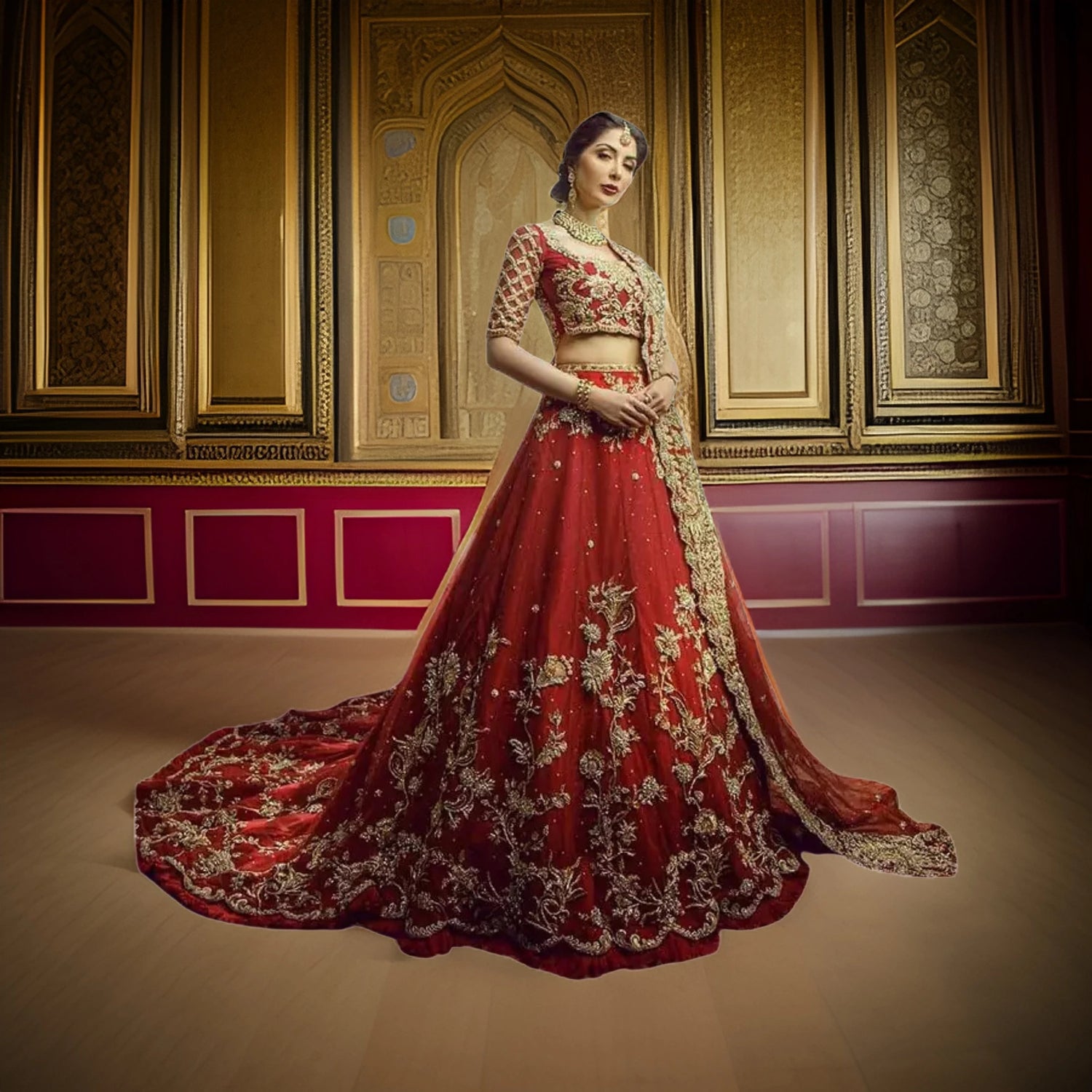
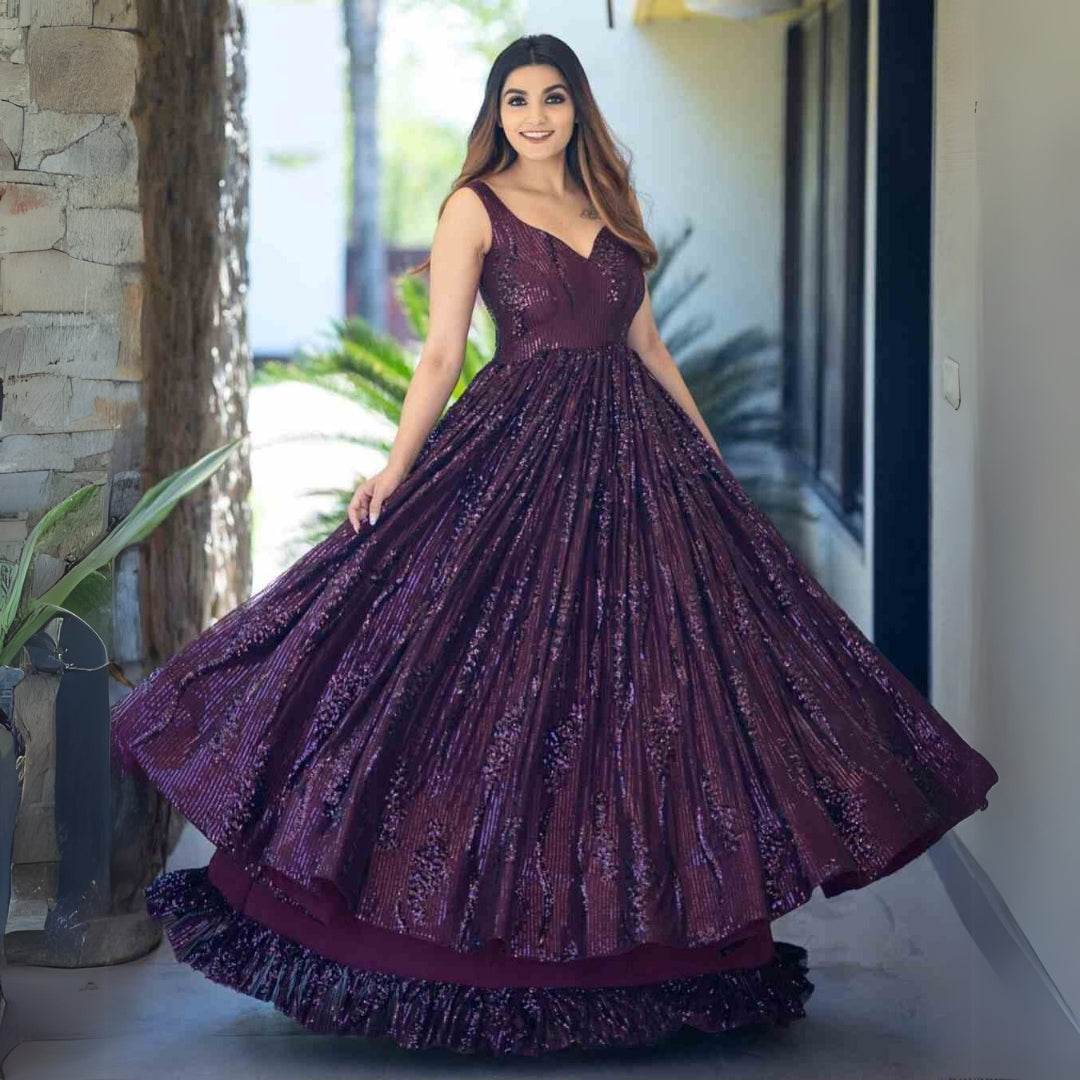
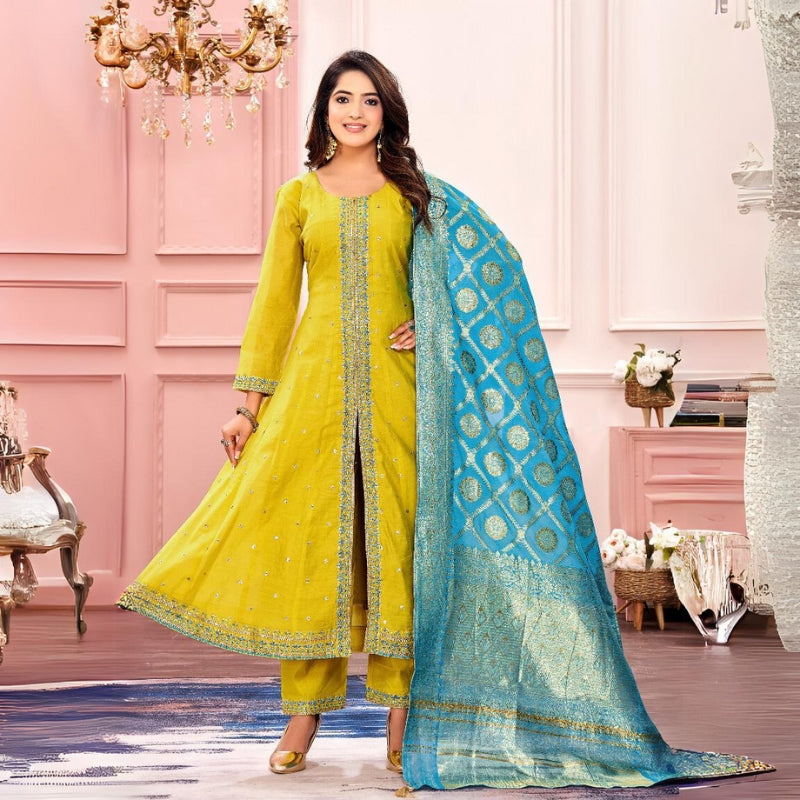
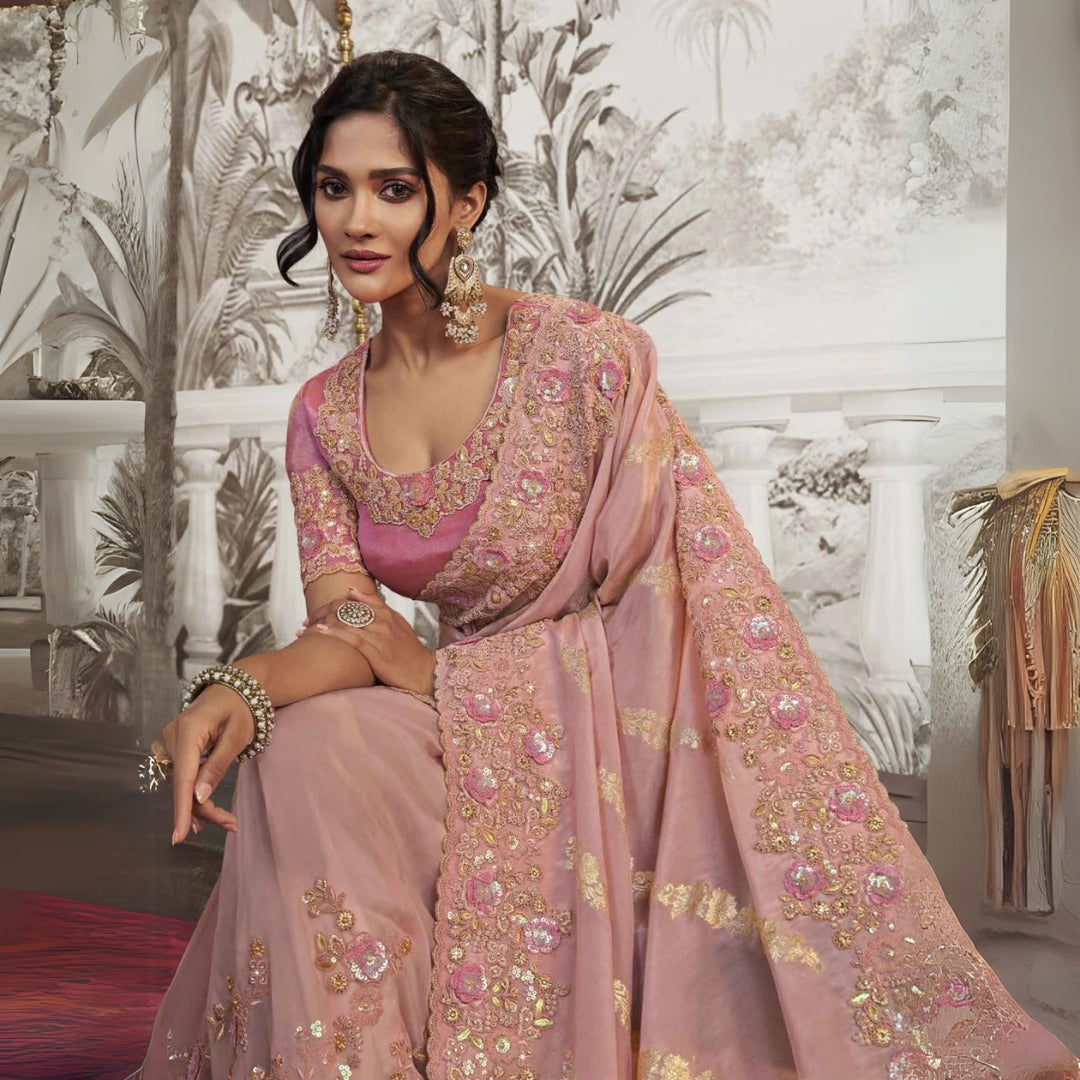
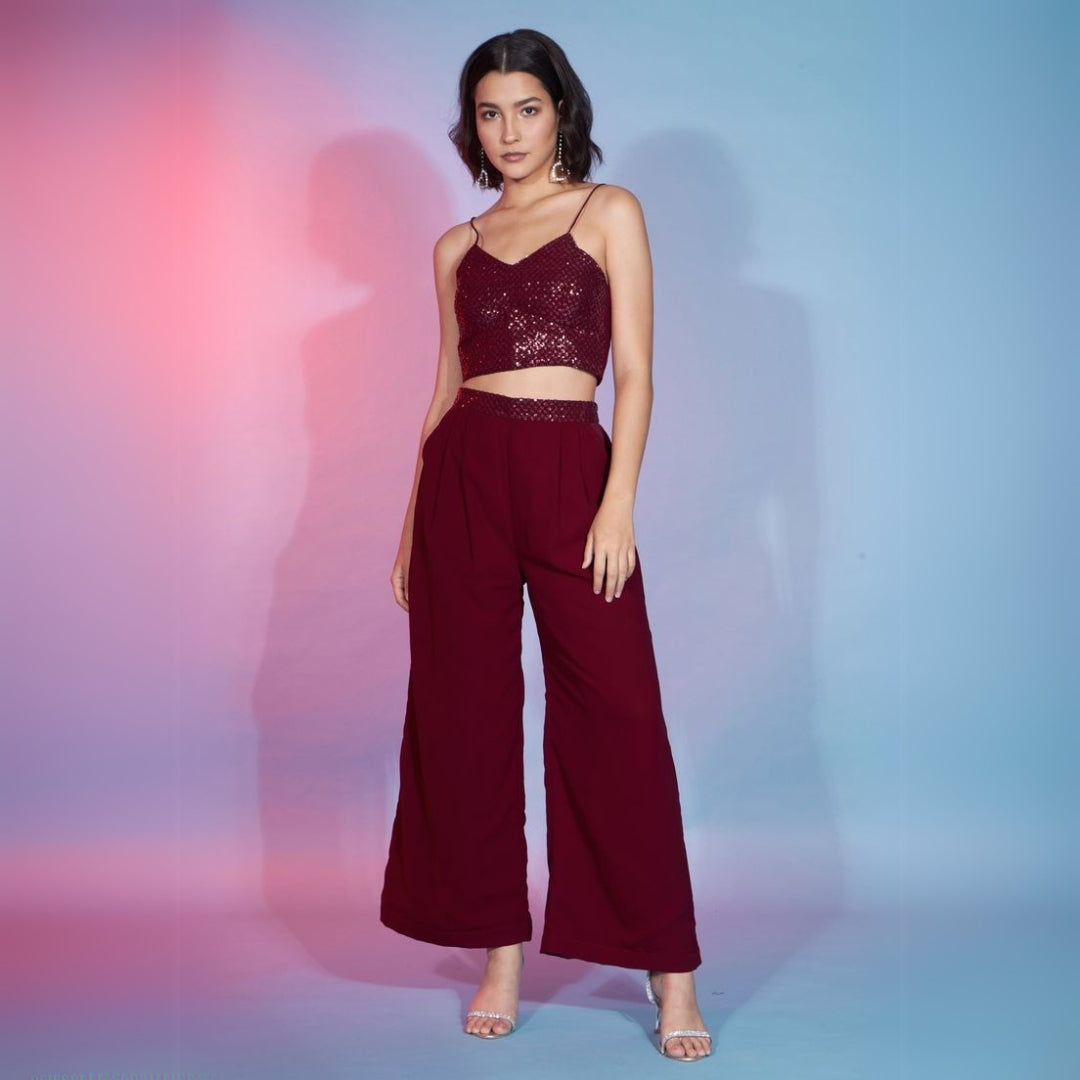
Picture this: you step into a sunlit courtyard, the soft swish of your sharara announcing your arrival. Every stitch tells a story, and your footwear should complete that narrative. At Shreekama, we believe the right jutti doesn't just match your sharara — it amplifies your presence, weaving heritage, comfort, and couture into one unforgettable look.
Why Juttis Complement Shararas Perfectly
Shararas are a celebration of volume, movement, and intricate craftsmanship. Juttis, with their low profile, delicate embroidery, and timeless silhouette, create balance. They allow the sharara to flow gracefully without overpowering the ensemble, while adding a subtle yet powerful finishing touch.
Design Harmony: Proportions and Visual Balance
Shararas demand footwear that honors their dramatic flare. Juttis sit close to the foot, maintaining the silhouette's integrity and ensuring the sharara's hem drapes elegantly. Their understated height keeps attention on detailed embroidery and rich fabrics, creating a cohesive, polished look.
Emotional Resonance: Tradition Meets Modern Confidence
Wearing juttis with a sharara connects you to generations of artisans and ceremonies. That tactile link—soft leather, hand-stitched motifs—evokes pride and nostalgia. For brides, bridesmaids, and style-savvy guests, the pairing feels like wearing a memory: warm, rooted, and utterly present.
Craftsmanship: The Heart of Punjabi Juttis
Every pair of Punjabi juttis carries the labor of skilled hands. At Shreekama, we celebrate artisans who enhance each pair with time-honored techniques. From hand-embroidery to traditional dyeing, craftsmanship elevates juttis from footwear to wearable art.
Materials That Matter
- Pure leather inners for breathability and comfort
- Silk and velvet uppers for a luxe finish that complements sharara fabrics
- Hand-embroidered zardozi, gota, and sequins to mirror sharara embellishments
- Padded insoles and durable yet flexible soles for all-day wear
Handwork That Tells a Story
Intricate motifs—paisleys, floral vines, and geometric patterns—reflect regional histories. Each stitch adds personality, making your juttis a conversation starter at ceremonies and intimate gatherings alike.
Design Harmony: Matching Jutti Styles with Your Sharara
Choosing the right jutti can make or break the look. Here’s how to create harmony between footwear and sharara, whether your ensemble is understated or extravagantly embellished.
Embroidered Shararas
- Choose juttis with complementary embroidery — mirror or zardozi work echoes the sharara’s embellishments.
- Neutral bases with metallic thread add elegance without competing for attention.
Silk and Velvet Shararas
- Velvet juttis create a rich, cohesive look for heavier fabrics.
- Silk-covered juttis with subtle sheen enhance the luxurious feel of the outfit.
Pastel or Minimalist Shararas
- Opt for delicate beadwork or tonal embroidery to maintain a modern, refined aesthetic.
- Matte leather juttis with minimalist motifs can create a contemporary balance.
Comfort and Practicality: How Juttis Enhance Wearability
Shararas are often chosen for grand occasions where celebrations can last for hours. Juttis deliver comfort without sacrificing style — essential for dancing, greeting guests, and enjoying the moment.
Comfort Features to Look For
- Padded footbeds that cushion every step
- Flexible soles that move with your foot
- Wide toe boxes for natural foot alignment
- Breathable linings to keep feet cool during long events
Why Low Heels or Flats Work Best
Juttis typically have low flats or short heels. This design fosters stability and keeps the focus on the sharara’s sweeping silhouette. Whether walking down an aisle or swirling on the dance floor, flats ensure you feel grounded and graceful.
Styling Tips: How to Wear Juttis with Shararas
Creating a memorable sharara look starts at the hem. Use these styling tips to curate outfits that feel effortless and thoughtfully composed.
Color Play and Contrast
- For jewel-toned shararas, choose juttis with metallic embroidery to introduce light-catching contrast.
- Monochrome ensembles look refined with juttis in a matching hue and subtle texture variation.
- Pastel shararas pair beautifully with antique-gold or rose-gold threadwork on juttis.
Accessorize for Cohesion
- Match jutti embroidery motifs with dupatta borders or blouse embellishments.
- Coordinate jewelry metals with jutti threads—gold with gold, silver with silver—for a unified finish.
- Consider anklets or delicate socks for a modern twist while keeping the look traditional.
Breaking in Your Juttis Gracefully
New juttis may feel snug at first. Wear them around the house for short periods, or use a soft leather conditioner to help them mold to your feet. The reward is a pair that fits like it was made just for you.
Occasion Guide: Choosing Juttis for Different Events
Not all gatherings call for the same level of opulence. Here’s how to match juttis to the mood and scale of the event.
Weddings and Big Celebrations
- Embrace heavily embellished juttis with zardozi, beads, and sequins to complement bridal shararas.
- Choose sturdy soles if you’ll be on your feet for extended periods.
Engagements and Festive Daywear
- Opt for artistic embroidery and lighter ornamentation for refined daytime glamour.
- Pastel or metallic-accented juttis add a celebratory yet tasteful flair.
Intimate Gatherings and Rehearsals
- Simpler, more comfortable juttis with soft leather and minimal embellishment work perfectly.
- Neutral tones pair well with multiple sharara colors for versatility.
Care Guide: Maintaining Your Juttis for Longevity
Investing in handcrafted juttis is an investment in heritage. With the right care, they can become heirloom pieces passed through generations.
Daily Care Checklist
- Wipe gently with a soft cloth after every wear to remove dust and dirt.
- Store in breathable fabric bags to prevent moisture buildup and preserve embroidery.
- Avoid prolonged exposure to direct sunlight to keep colors vibrant.
Cleaning Tips for Embroidered Juttis
- Spot-clean with a damp cloth and mild soap for small stains; never soak the jutti.
- Use a soft brush to remove dirt from soles without damaging embellishments.
- For delicate repairs, consult skilled artisans rather than attempting heavy DIY fixes.
Quick Answers for Popular Queries
Can you wear juttis with a sharara?
Yes. Juttis pair beautifully with shararas, providing balance, comfort, and a cohesive traditional aesthetic.
Are juttis comfortable enough for long events?
High-quality juttis with padded insoles and flexible soles are designed for long wear, making them ideal for extended celebrations and ceremonies.
FAQ: Punjabi Jutti Questions Answered
What are Punjabi juttis?
Punjabi juttis are traditional handcrafted footwear originating from the Punjab region, known for their flattened toe shape, vibrant embroidery, and rich cultural heritage. They are typically made from leather with decorative embellishments that reflect regional artistry.
How should juttis fit?
Juttis should fit snugly without pinching. Your heel may lift slightly when walking, as the design doesn't always include a deep heel cup. Choose a size that allows your toes to rest comfortably, and consider leather that will soften and adapt to your foot shape.
Are juttis suitable for brides?
Absolutely. Bridal juttis often feature intricate zardozi, crystals, pearls, and metallic threads that elevate a bridal sharara. They provide elegance and comfort, allowing brides to celebrate freely.
Can men wear juttis with traditional attire?
Yes. While this article focuses on styling juttis with shararas, juttis are versatile and commonly worn by men with kurta-pajama, sherwanis, and other traditional attire.
How do you break in juttis without discomfort?
Wear juttis for short periods at home to allow the leather to soften. Apply a small amount of leather conditioner if needed. Using soft socks during the break-in period can prevent blisters while speeding up the molding process.
How do I clean embroidered juttis?
Gently spot-clean with a damp cloth and mild soap. Avoid soaking or machine washing. For stubborn stains or delicate embellishments, seek professional cleaning or advice from artisans.
What's the difference between juttis and mojris?
Both are traditional South Asian footwear, but mojris often have a more curved toe and can be more heavily structured. Juttis typically feature a flatter nose and are known for varied regional embroidery styles. Terminology and styles overlap across regions.
Can I wear socks with juttis?
Yes. If you prefer a modern twist or want added comfort, thin decorative socks or ankle-length hosiery can enhance the look while protecting the jutti's lining.
Do juttis have good grip for dancing?
Many juttis come with rubberized or stitched soles that provide sufficient grip for dancing on various surfaces. For slippery floors, choose juttis with textured soles or consider adding a discreet non-slip pad.
Closing Thoughts
Pairing juttis with shararas is more than a fashion choice — it’s an expression of culture, comfort, and refined taste. At Shreekama, we craft juttis that honor tradition while delivering modern comfort and durability. Whether you’re preparing for a wedding, festive gathering, or an intimate celebration, the right jutti completes your sharara story with elegance and confidence.
Ready to complete your look? Explore our exclusive collection and find the perfect juttis to match your sharara at https://www.shreekama.com/collections/shreekama