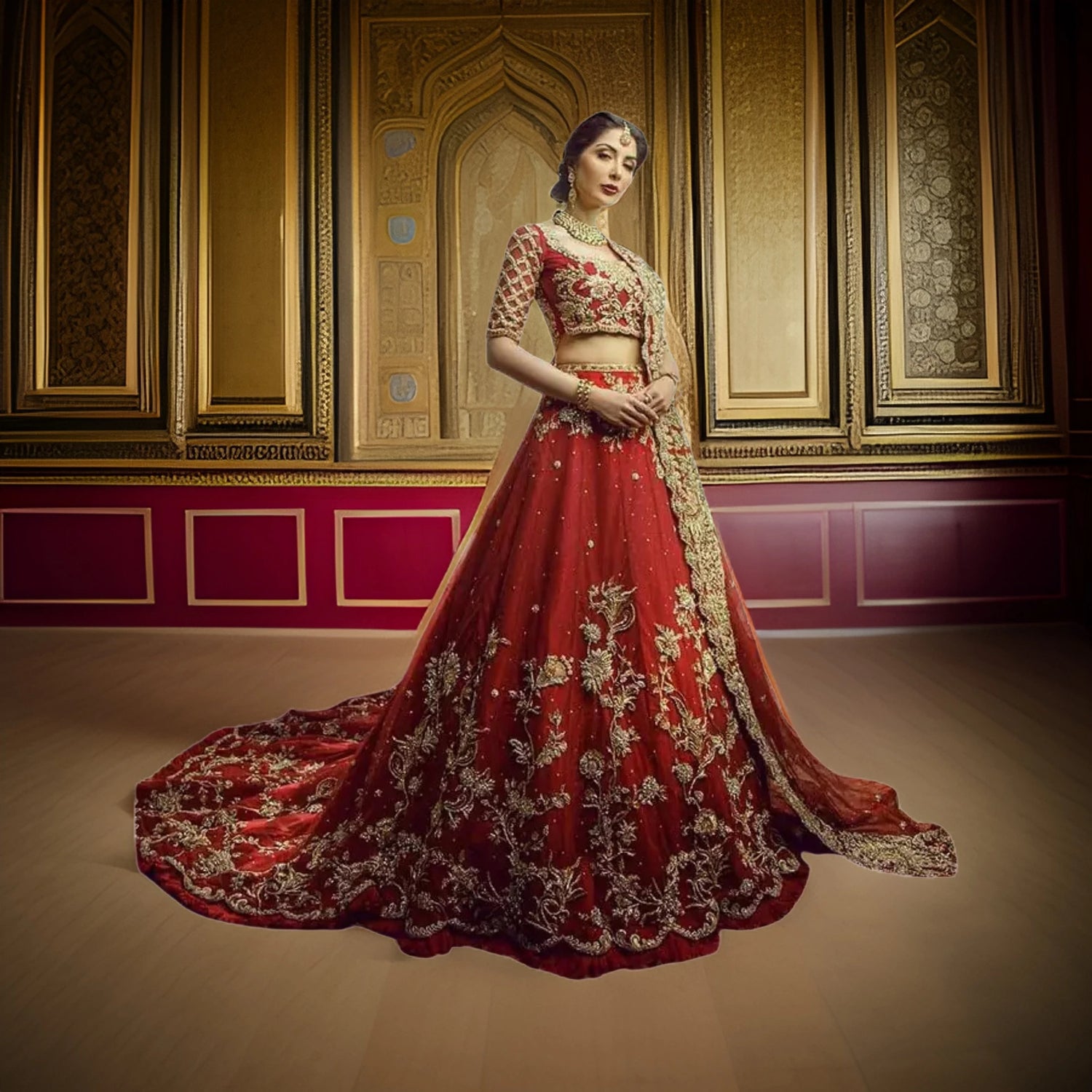
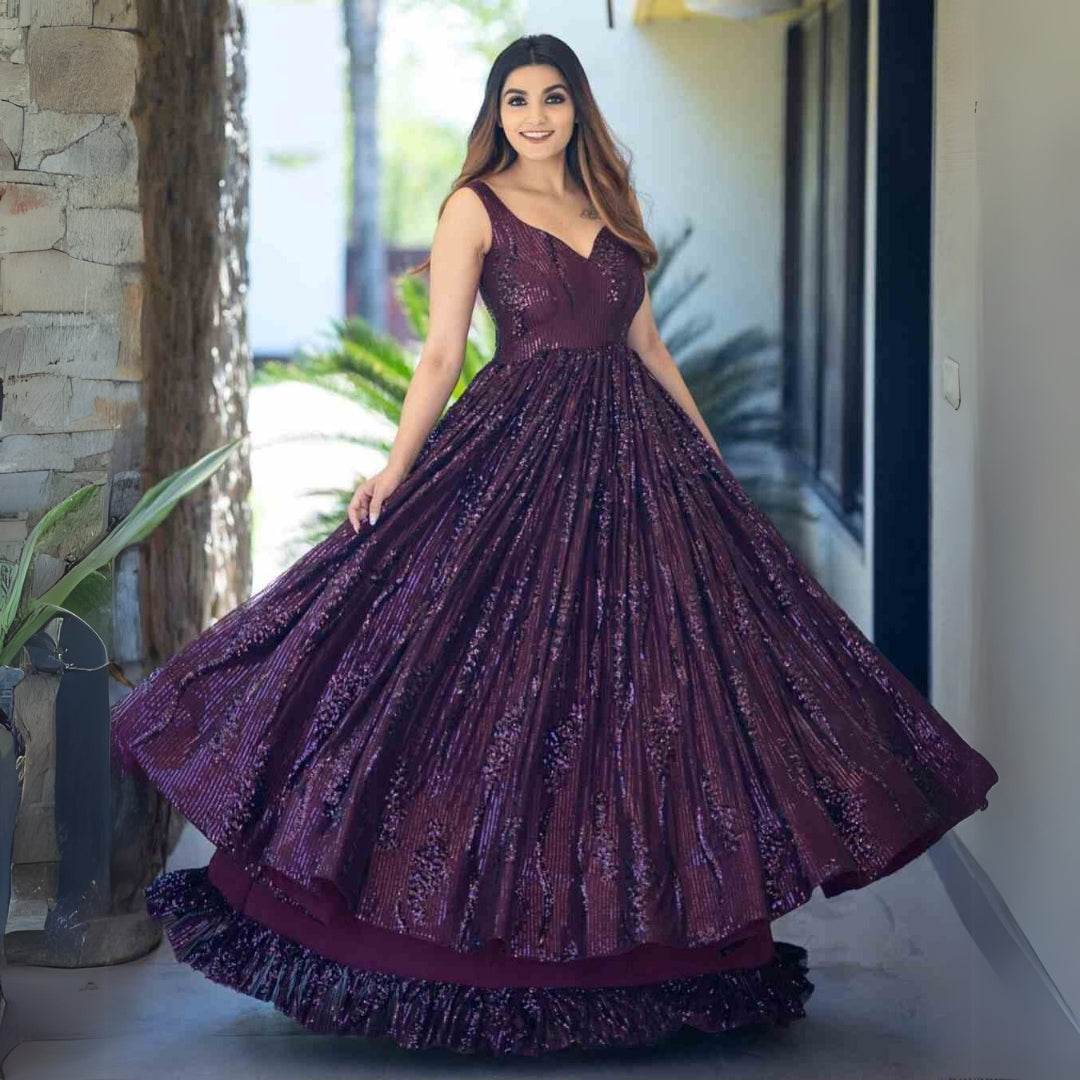
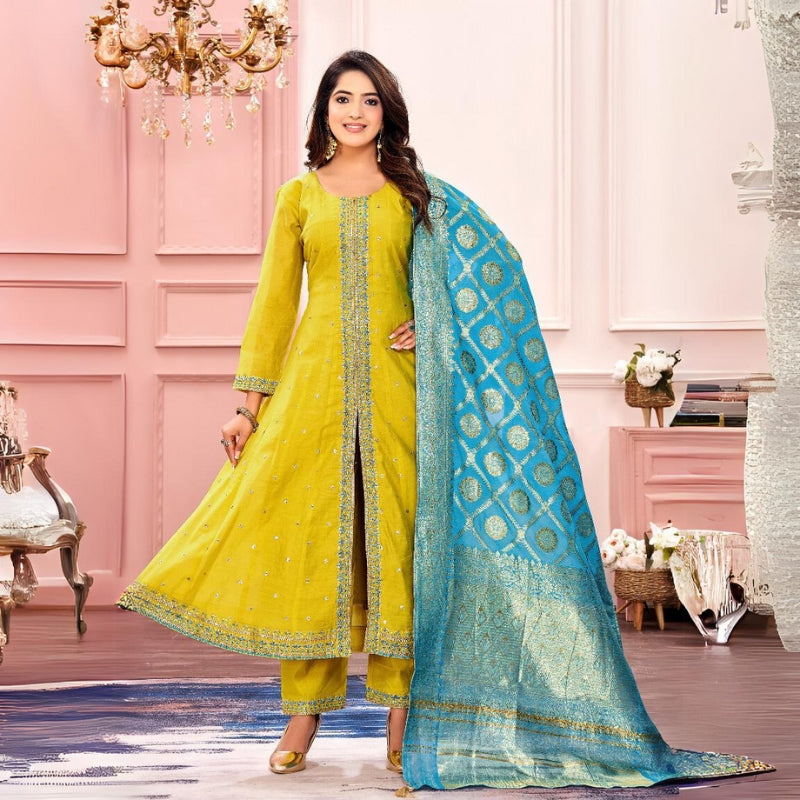
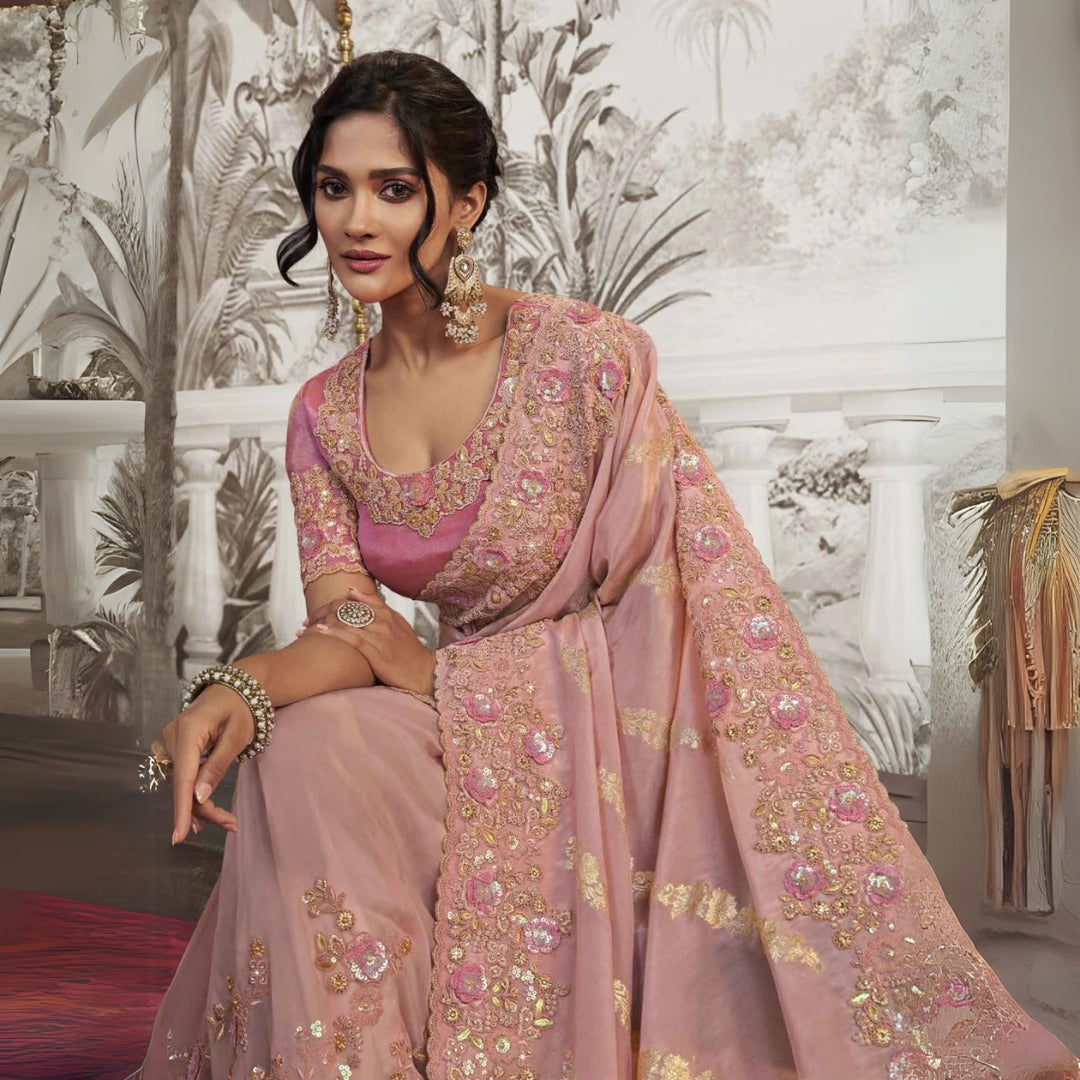
Imagine stepping onto the sangeet stage with music in the air, applause building, and every eye turning toward you as you glide in a saree that moves like dancewear but reads like couture. The dhoti style saree gives you that dramatic, modern elegance—bridging tradition and bold, contemporary flair. Whether you’re the bride-to-be, a bridesmaid, or a guest who wants to make a statement, dhoti saree draping for sangeet parties offers freedom, comfort, and undeniable style.
Why Dhoti Style Saree Is Ideal for Sangeet Celebrations
Instantly Dance-Ready and Comfortable
One of the most compelling reasons to choose a dhoti saree for sangeet is motion. Sangeet is a night of songs and choreography; the dhoti drape mimics pants, allowing agility while maintaining the graceful silhouette of a saree. You can perform energetic steps without worrying about pleats coming undone or restricting movement.
Contemporary Fusion That Commands Attention
Dhoti sarees fuse ethnic richness with modern tailoring. They convey confidence, creativity, and a fashion-forward sensibility—perfect for a bride or guest who wants to be remembered. The look reads as luxury fusion wear: a statement of taste and personality.
Photogenic Silhouette for Stage and Close-Ups
The structured fall and layered pleats of a dhoti saree create flattering lines that catch light beautifully. On stage or in candid sangeet photos, the drape adds depth and motion, producing dramatic images that perform well on social feeds and wedding albums.
Choosing the Right Fabric, Color, and Embellishment
Best Fabrics for Dhoti Saree Drapes
- Silk blends (banarasi silk, silk crepe): Hold shape, look luxurious, great for embellished borders.
- Georgette and chiffon: Lightweight, flowy, ideal for softer, romantic dhoti drapes.
- Raw silk and satin: Provide structure and sheen for stage presence and photographs.
- Velvet or brocade for winter sangeets: Rich texture and regal feel, though heavier.
Color Stories and Embellishment Ideas
Choose colors that suit your skin tone and the sangeet mood. Jewel tones—emerald, deep ruby, sapphire—exude celebration-ready glamour. Pastels with metallic accents can create an ethereal, modern bride vibe. For embellishments, consider:
- Intricate zari borders for traditional luxe
- Sequin and mirror work for high-energy stage sparkle
- Minimal embroidery with a statement belt for contemporary chic
Step-by-Step Dhoti Saree Draping Guide for Sangeet
Below is a practical, easy-to-follow draping method that balances security and style. This step-by-step guide focuses on creating a polished dhoti silhouette that stays put through dance routines.
Before You Start: Essentials to Have Ready
- A well-fitted saree blouse (crop-top, sleeveless, or full-sleeve depending on style)
- Safety pins and a few double-sided saree tape pieces
- A non-slip inner dhoti or fitted leggings (optional for added comfort)
- Lightweight petticoat or dhoti base to anchor pleats
Step 1: Secure the Base
Tuck the saree into the petticoat at the waist like a regular saree and make one full round to create the base. For a neat waistline, ensure the saree is snug and the pallu is left loose on the shoulder.
Step 2: Create the Dhoti Pleats
Gather the fabric at the front and make wide pleats—five to seven depending on fabric width. Hold them together and insert them slightly to the left of the navel, securing with a safety pin to the petticoat. This forms the central dhoti fall.
Step 3: Shape the Side Drapes
Work on the left and right sides separately. Take a section from the left, twist gently, bring it between the legs to the back, and tuck it at the waistline so it resembles a pant leg. Repeat on the right side for symmetry. You can add a second pin near the hip for extra support.
Step 4: Arrange the Pallu for Drama
Bring the pallu across the chest diagonally or over the shoulder, depending on your aesthetic. A heavily embellished pallu can be left long for theatrical movement; a shorter pallu paired with a statement belt looks contemporary and snug for dances.
Step 5: Final Secure and Style
Use safety pins discreetly along the pant-like tuck and at the shoulder. Add a waist belt—metallic, embroidered, or minimalist leather—to secure the drape and emphasize your waist. Make small adjustments to ensure the dhoti fall hangs evenly and allows comfortable stride.
Blouse Designs and Styling Ideas
Blouse Styles That Enhance the Dhoti Look
- Cropped structured blouses: Define the silhouette and show off the waist belt.
- Halter necks and boat necks: Add sophistication and frame the shoulders beautifully.
- Backless or deep-back blouses: Offer that red-carpet allure for the bride or performer.
- Long-sleeve embellished blouses: Balance a bold bottom with modest coverage for a regal look.
Hair, Makeup, and Jewelry Pairings
For sangeet, amplify the drama. Consider voluminous curls or a sleek bun if you plan on heavy earrings. Bold eyes or luminous skin work well; avoid overdoing both. Jewelry options:
- Statement jhumkas or chandelier earrings for movement and sparkle
- A choker with layered necklaces if the blouse is low-cut
- A waist chain or kamarbandh to accentuate the dhoti drape
Accessories, Shoes, and Practical Styling Tips
Shoes for Comfort and Stage Presence
Choose block heels or wedges for balance during performances. For intricate footwork, leather-soled dance shoes under the dhoti look can deliver traction without compromising style.
Smart Accessories That Elevate the Look
- Belts: Metallic or embroidered belts instantly transform the saree into structured couture.
- Clutches: A compact embellished clutch keeps the overall silhouette clean and camera-ready.
- Hair accessories: Maang tikka or embellished pins add tradition without crowding the face.
How to Personalize the Dhoti Saree for Different Body Types
Petite Frames
Opt for slimmer pleats and lighter fabrics like georgette to avoid overwhelming your frame. Shorter pallu lengths and a high-waisted tuck can elongate your legs.
Curvy Figures
Structured fabrics and a defined waist belt enhance hourglass silhouettes. Ensure the dhoti pleats are larger and angled to create vertical lines that flatter curves.
Tall and Athletic Builds
Experiment with layered pallu effects and heavy embellishments to add softness. Wide pleats and low tucks create a balanced proportion for athletic frames.
Tips for Staying Comfortable and Confident All Night
Practice Your Drape and Moves
Rehearse your dance steps in the draped saree at least once. This reveals any adjustments needed and helps you feel confident on stage.
Pin Smart, Not Too Much
Use hidden safety pins at structural points: the waist tuck, inner thigh fold, and shoulder. Too many pins can weigh the saree down and become uncomfortable; strategic pinning is key.
Carry a Mini Repair Kit
Pack a small kit with extra pins, a bit of thread, and double-sided tape for quick fixes between performances.
Why Choose Shreekama for Designer Dhoti Sarees
At Shreekama, we marry couture-level craftsmanship with fusion-forward silhouettes designed for celebration. Our exclusive collection of fusion wear emphasizes luxurious fabrics, expert tailoring, and unique embellishments that make dhoti sarees stage-worthy and timeless. Each piece is created with movement and comfort in mind—so your sangeet memories are as effortless as they are unforgettable.
FAQ: Common Questions About Dhoti Saree Draping
What is a dhoti saree and how does it differ from a regular saree?
A dhoti saree is a saree draped to mimic the shape of a dhoti or pants. Unlike the traditional saree drape that creates long pleats at the front, the dhoti style uses tucks and pant-like folds to allow free movement. It blends the saree’s elegance with the convenience of trousers, making it ideal for dance-centric events like sangeet.
Is a dhoti saree suitable for the bride at a sangeet?
Absolutely. Brides often choose dhoti sarees for sangeet for their dance-friendly design and opportunity to showcase fusion couture. With the right fabric, embellishment, and accessories, a dhoti saree can look bridal, glamorous, and deeply personal.
Which fabrics work best for a sangeet dhoti saree?
Lightweight silks, georgette, chiffon, and silk blends are perfect because they provide structure without restricting movement. For heavier ornamentation, raw silk or brocade can be used, but consider reinforcement to keep the drape secure during dance routines.
How long does it take to drape a dhoti saree correctly?
With practice, it can take 10–20 minutes. The first time might take longer. Practicing once before the event ensures quick adjustments and confidence on the day.
Can I wear leggings or pants under a dhoti saree?
Yes. Wearing fitted leggings or a non-slip inner dhoti adds comfort and modesty, especially if you plan high-energy performances. Choose a base that matches the saree color for seamless visuals.
How do I keep the dhoti saree secure while dancing?
Use a combination of well-placed safety pins and a waist belt. Double-sided saree tape along the shoulder can help keep the pallu in place. A fitted petticoat or dhoti base also anchors the drape effectively.
What blouse styles pair best with a dhoti saree for stage looks?
Cropped structured blouses, embellished halters, and boat necks are popular for sangeet. The key is to balance the drama of the dhoti drape with a blouse that highlights your shoulders, neckline, or back in a way that complements movement.
Can men or non-binary individuals wear a dhoti saree style?
Fashion is for everyone. The dhoti aesthetic can be adapted into gender-fluid or masculine silhouettes by adjusting tailoring, fabric choices, and styling cues. The core idea is comfort and confidence in the drape.
Ready to shine at your sangeet with a dhoti saree that’s crafted to perform? Explore Shreekama’s curated fusion-wear collection for exquisite designs, luxe fabrics, and couture drapes that tell your story. Discover your perfect dhoti saree and step into the spotlight with confidence and grace: https://www.shreekama.com/collections/fusion-wears